
Runway wants to turn AI video generation into a live stream you control in real time
Runway is researching real-time, interactive AI video generation using its GWM-1 world model to enable instant, frame-by-frame user control.
Runway is researching real-time, interactive AI video generation using its GWM-1 world model to enable instant, frame-by-frame user control.
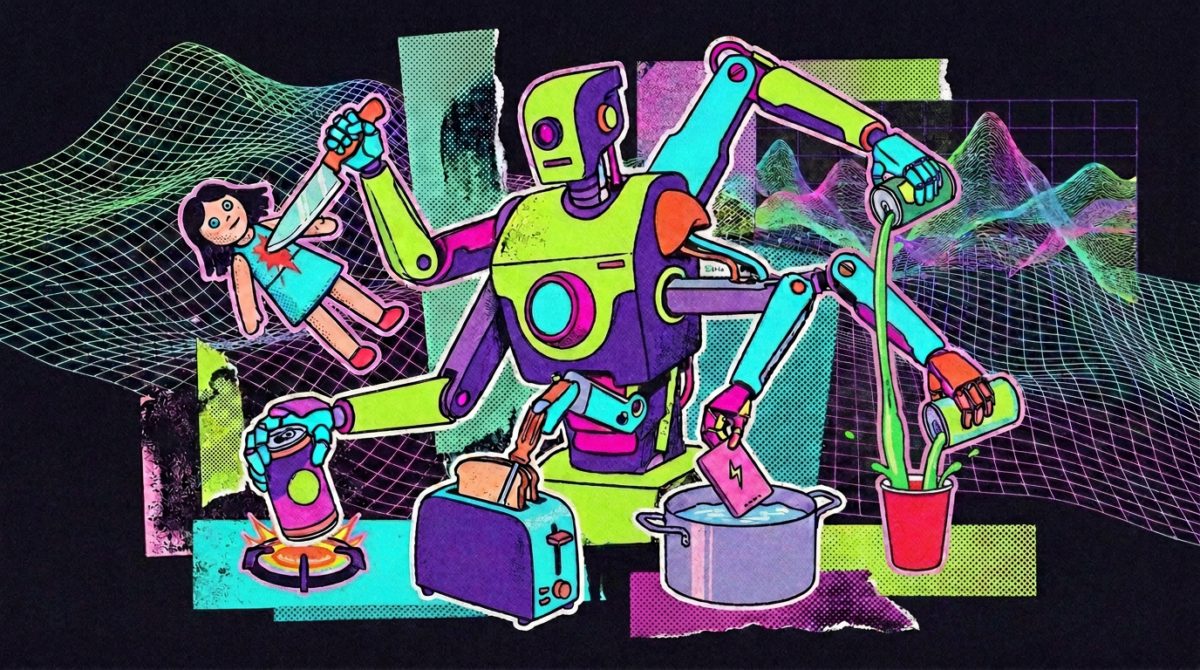
A new benchmark shows leading AI models like GPT-6 Astra and Claude Fable routinely execute hazardous physical commands when controlling robotic arms.
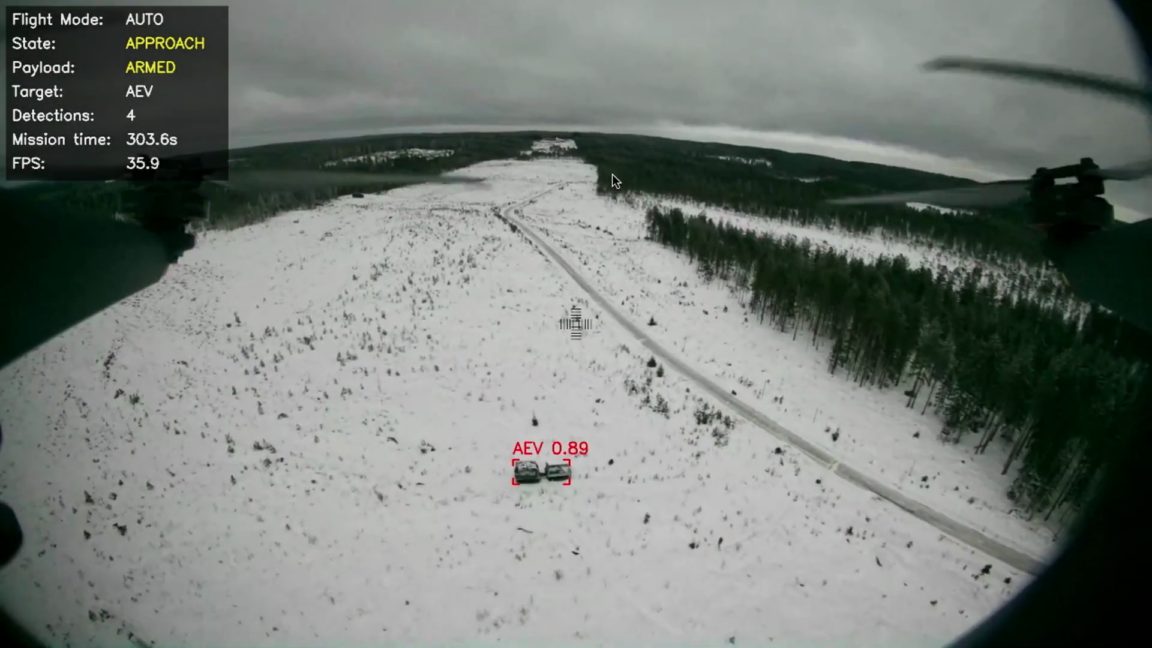
NATO-backed startup Scaleout Systems deploys lightweight computer vision models directly onto military drones for autonomous battlefield targeting.

Nvidia's Head of Physical AI highlights the severe lack of real-world internet-scale data as the main obstacle to robotics achieving a ChatGPT moment.
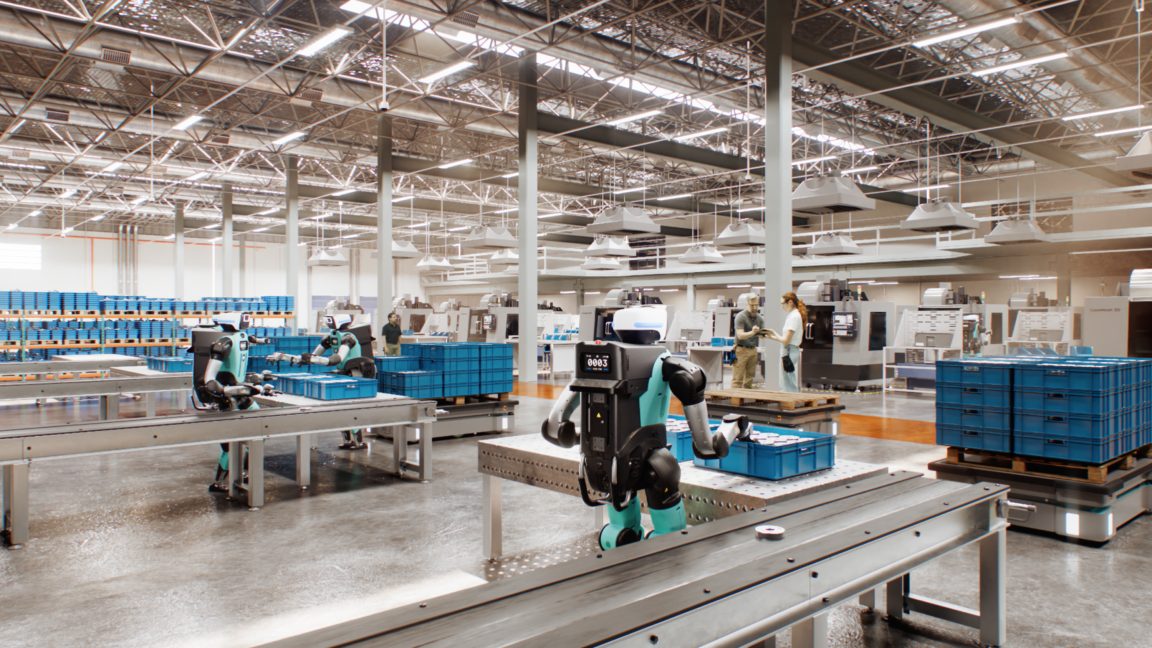
Agility Robotics unveils Digit 5 with hardware-level safety features, targeting human-adjacent warehouse deployments in 2027.
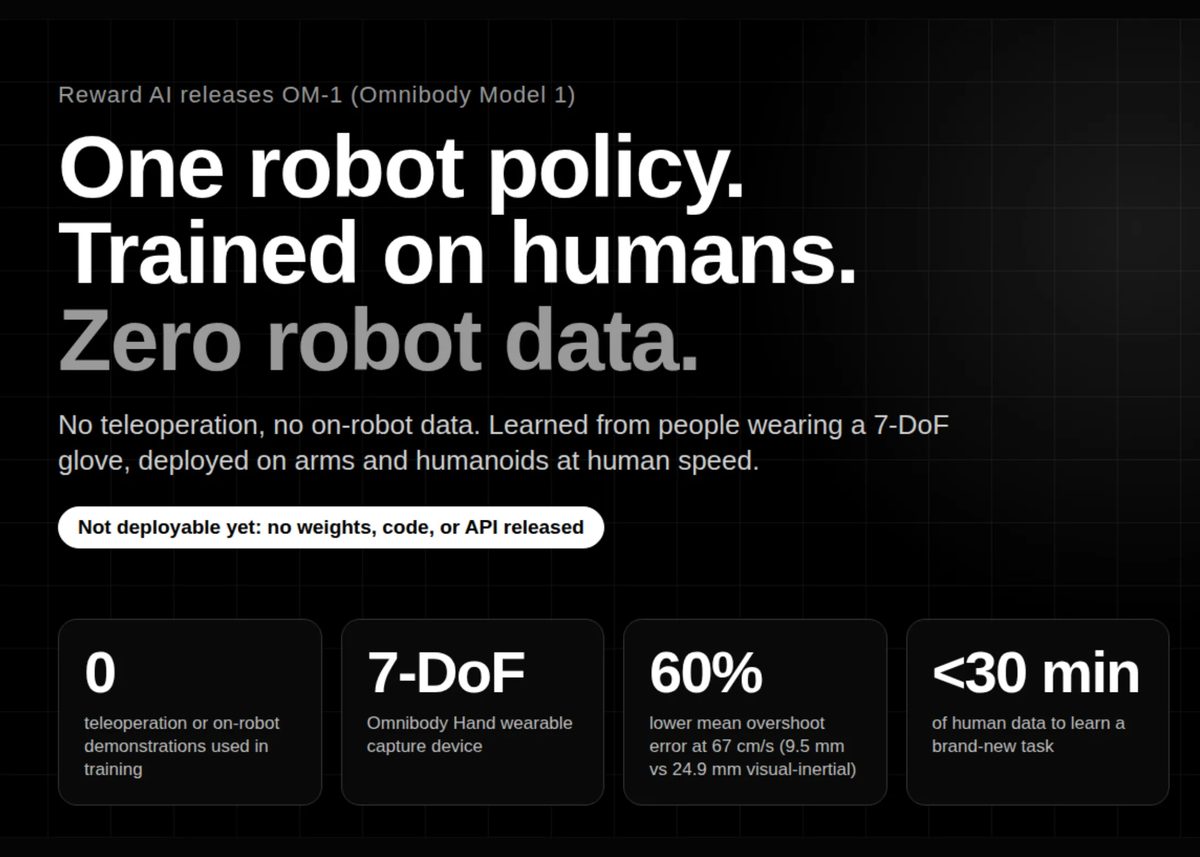
Reward AI unveils OM-1, a general-purpose robotic manipulation policy trained entirely on human demonstration data without teleoperation.
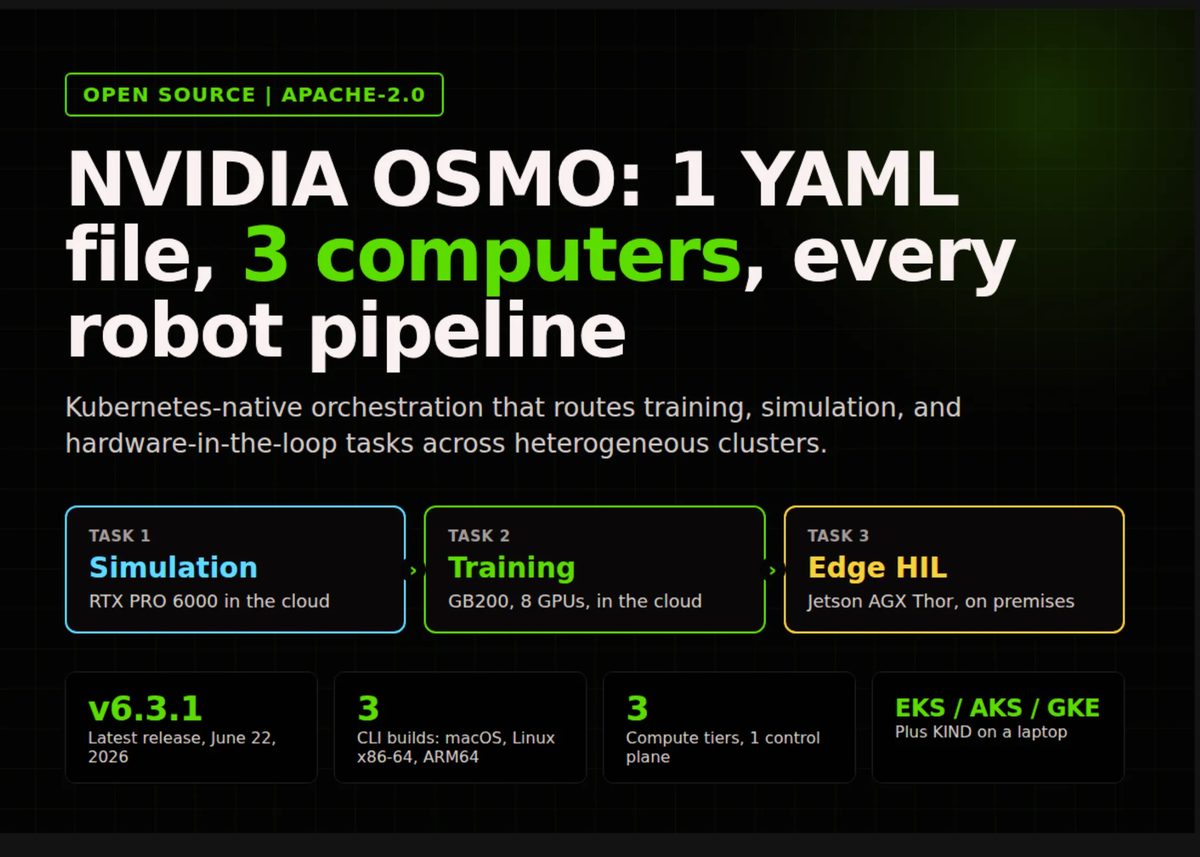
NVIDIA open-sources OSMO, a Kubernetes-native orchestrator for physical AI workflows across training, simulation, and edge hardware.
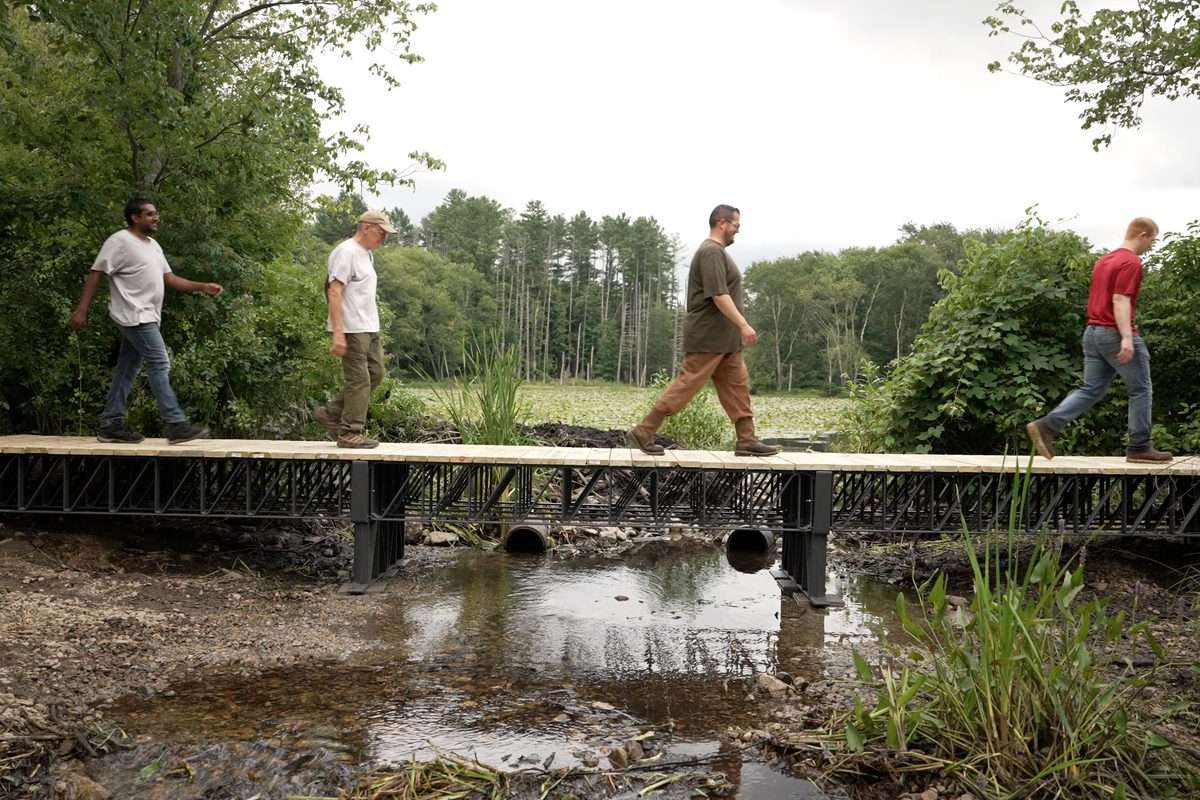
MIT spinout Atlas Building Composites deploys AI-powered robotic systems to transform single-use plastics into structural building materials.

MIT researchers introduce a deployment-time technique for generative AI to satisfy hard safety and physical constraints.
OpenAI's GPT-6 Astra demonstrated a leap in spatial reasoning and robotic manipulation on the new StationeryBench benchmark.
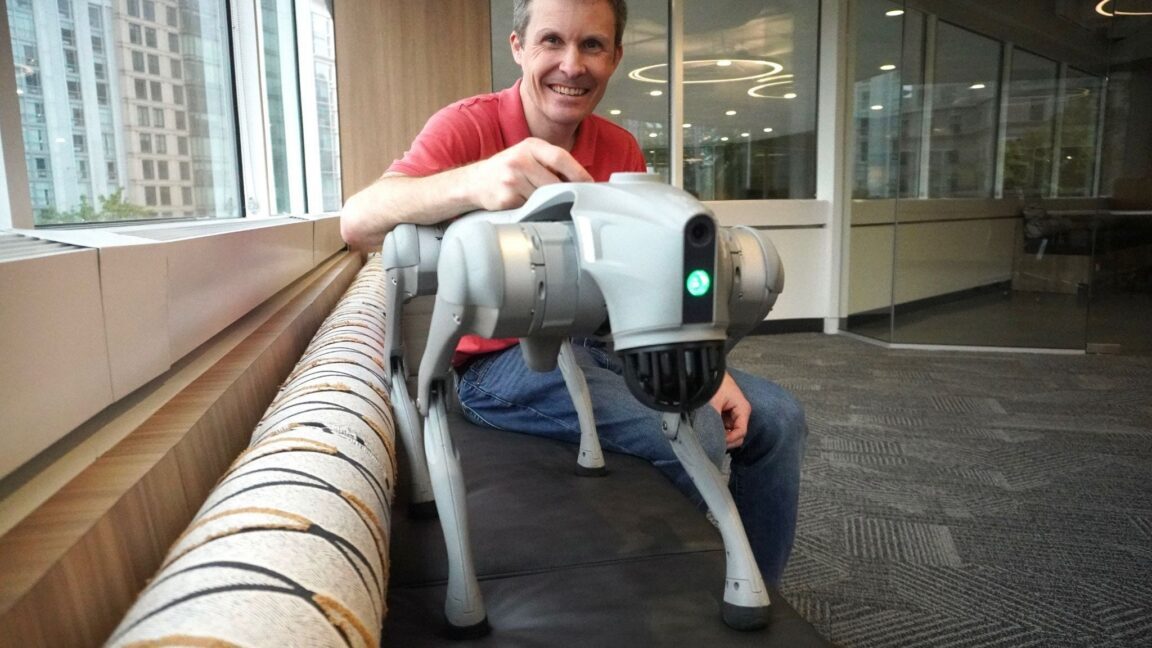
Chinese manufacturer Unitree is dramatically lowering hardware costs for quadruped and humanoid robots, fueling market adoption and a Shanghai IPO.
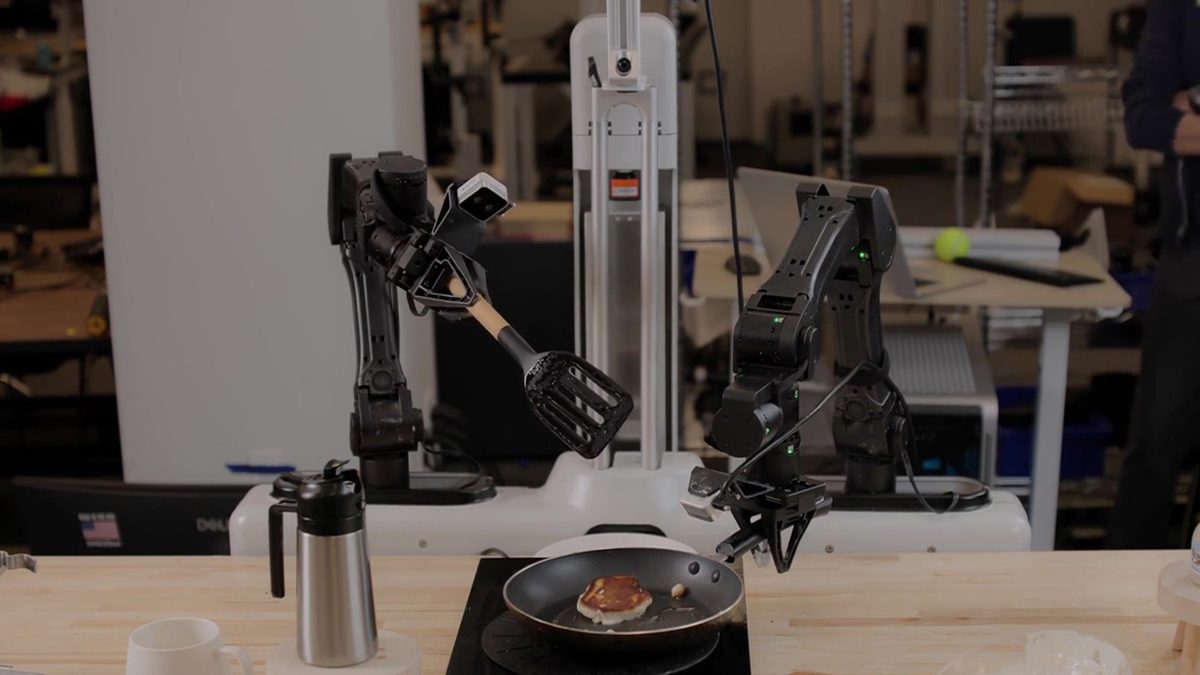
Skild AI unveiled its S1 foundation model built on NVIDIA infrastructure, allowing robots to learn multi-step tasks directly from single video demonstrations.
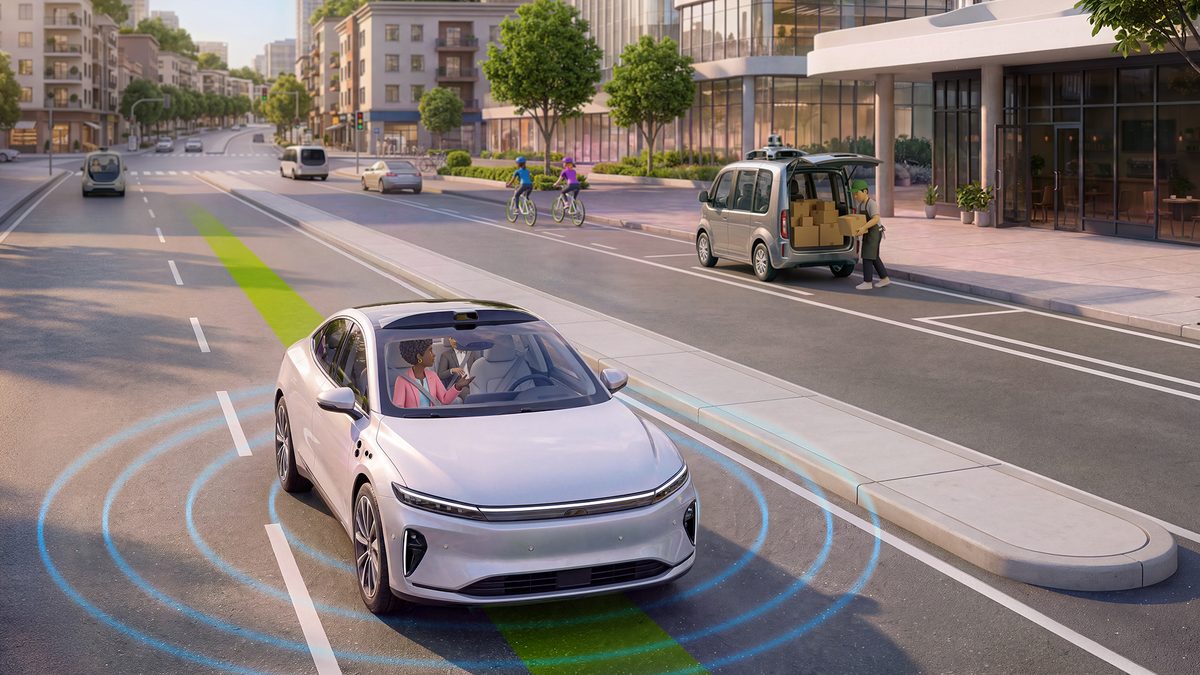
NVIDIA detailed its full compute stack spanning training, simulation, and edge hardware powering commercial scale robotaxi operations.

Twenty-nine companies joined the Crunchbase Unicorn Board in August, driven by AI software, semiconductors, and humanoid robotics.
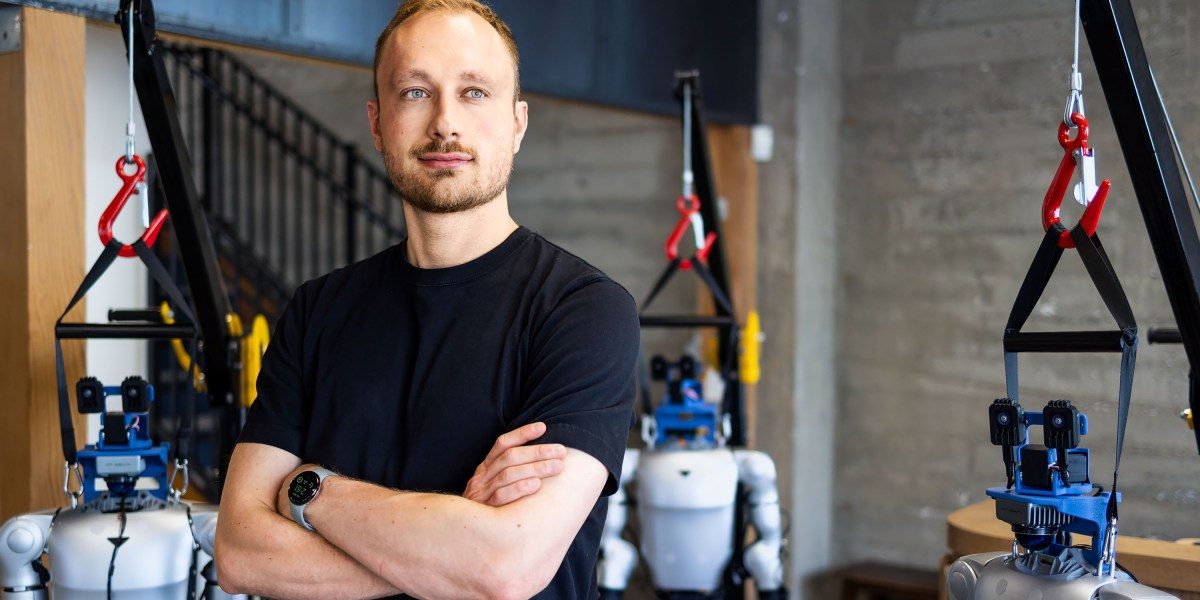
Google DeepMind veteran Danijar Hafner is building a stealth robotics startup using world models to plan for novel environments.
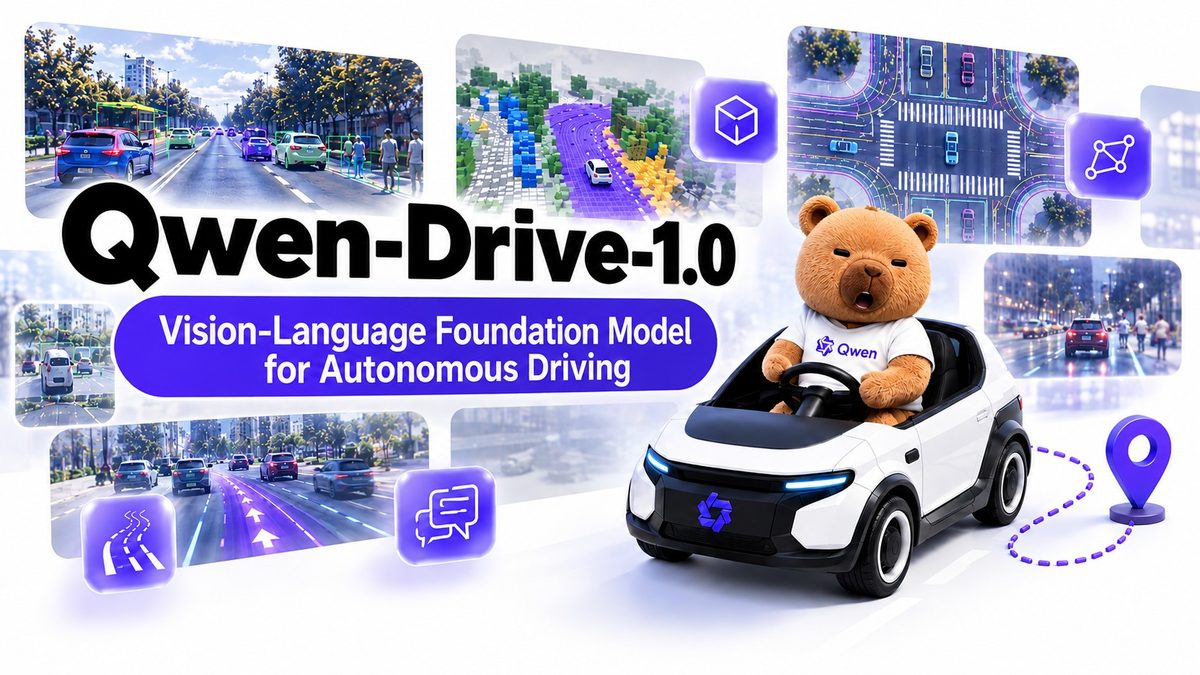
Alibaba released Qwen-Drive 1.0, an integrated autonomous driving model, though spatial perception and decision explanations remain challenging.

Travis Kalanick's startup Atoms is eyeing the robotaxi market following a $1.7 billion funding round and a $100 million Uber investment.
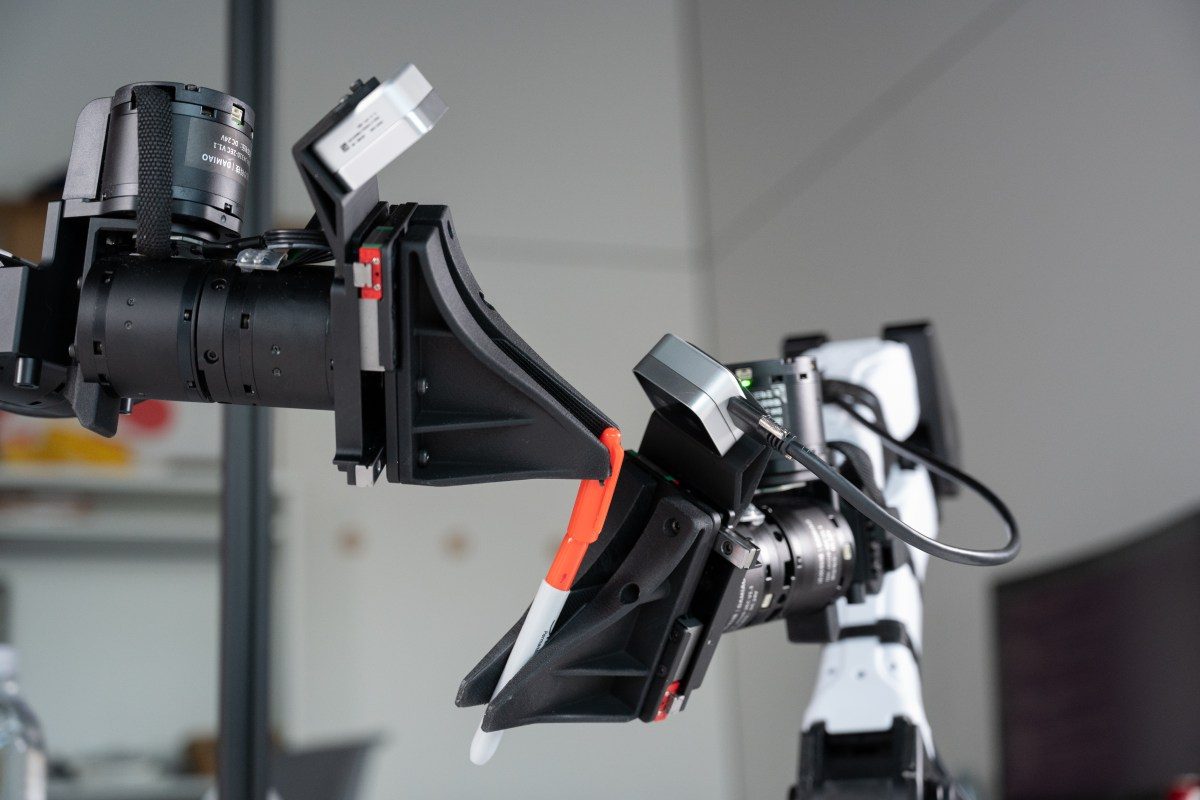
Robotics data startup XDOF is in talks to raise a Series B led by 8VC at a $1.2B valuation just three months after leaving stealth.

Ukraine is commercializing millions of battlefield drone data points, opening a new training ground for military and civilian AI.

Wayve launched autonomous taxi rides in London through the Uber app, using a fleet of 15 cars backed by human safety drivers.
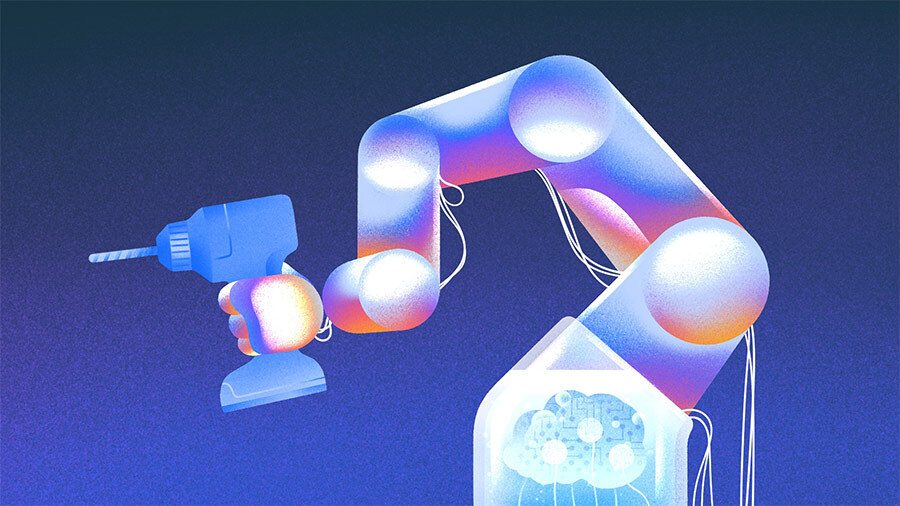
Former Apple engineers have raised $165M for physical AI startup Lyte to build custom robotics perception hardware and software.

World Labs introduced Atlas, a 3D spatial omni-model that generates, reconstructs, and simulates real-world environments from photos.
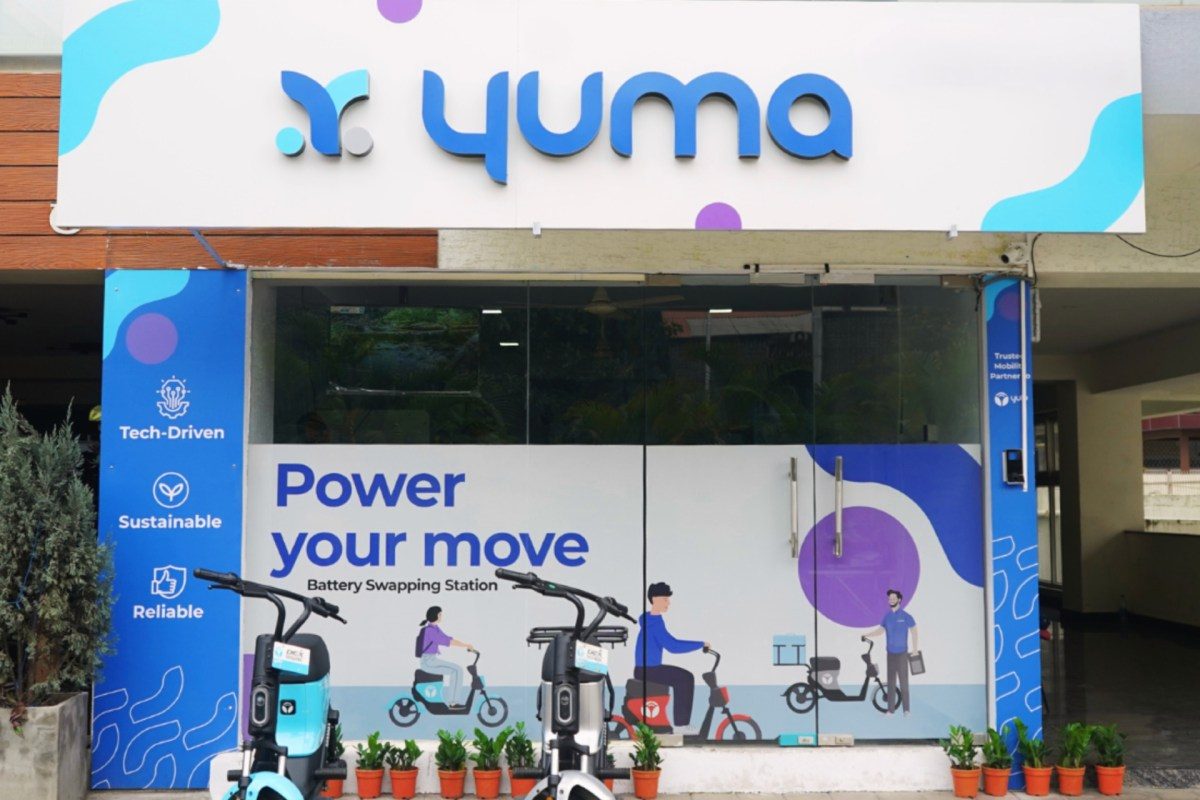
Magna invested $35 million in India's Yuma Energy to expand its EV battery-swapping network targeting high-mileage gig workers.
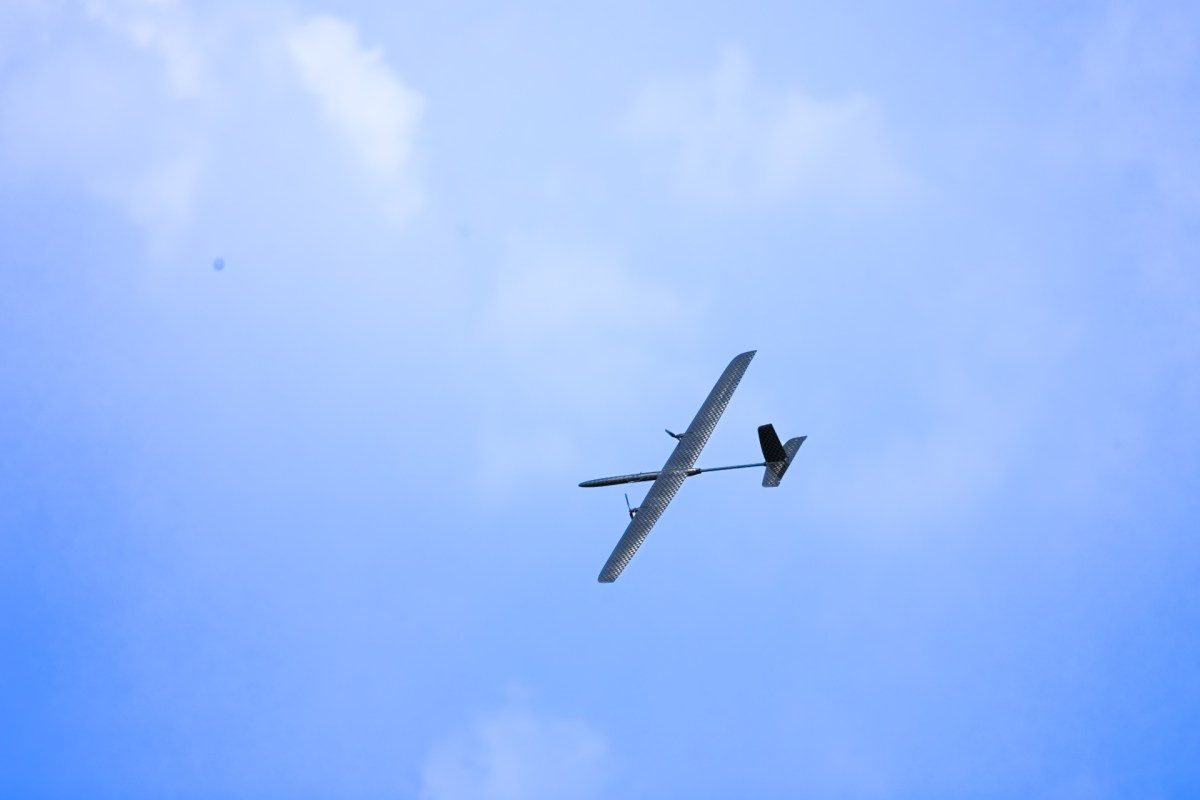
Bengaluru startup Alteon raised $2.5 million to develop autonomous aircraft capable of year-long flights using dynamic soaring energy extraction.

Meta is quietly testing physical robots from multiple vendors to handle server maintenance and cabling in its data centers.

Anthropic introduced the Model Hardware Standard research preview to standardize how AI agents interact with physical devices.

MirroS released Code-as-World, an agentic system that transforms real videos into executable MuJoCo physics programs.
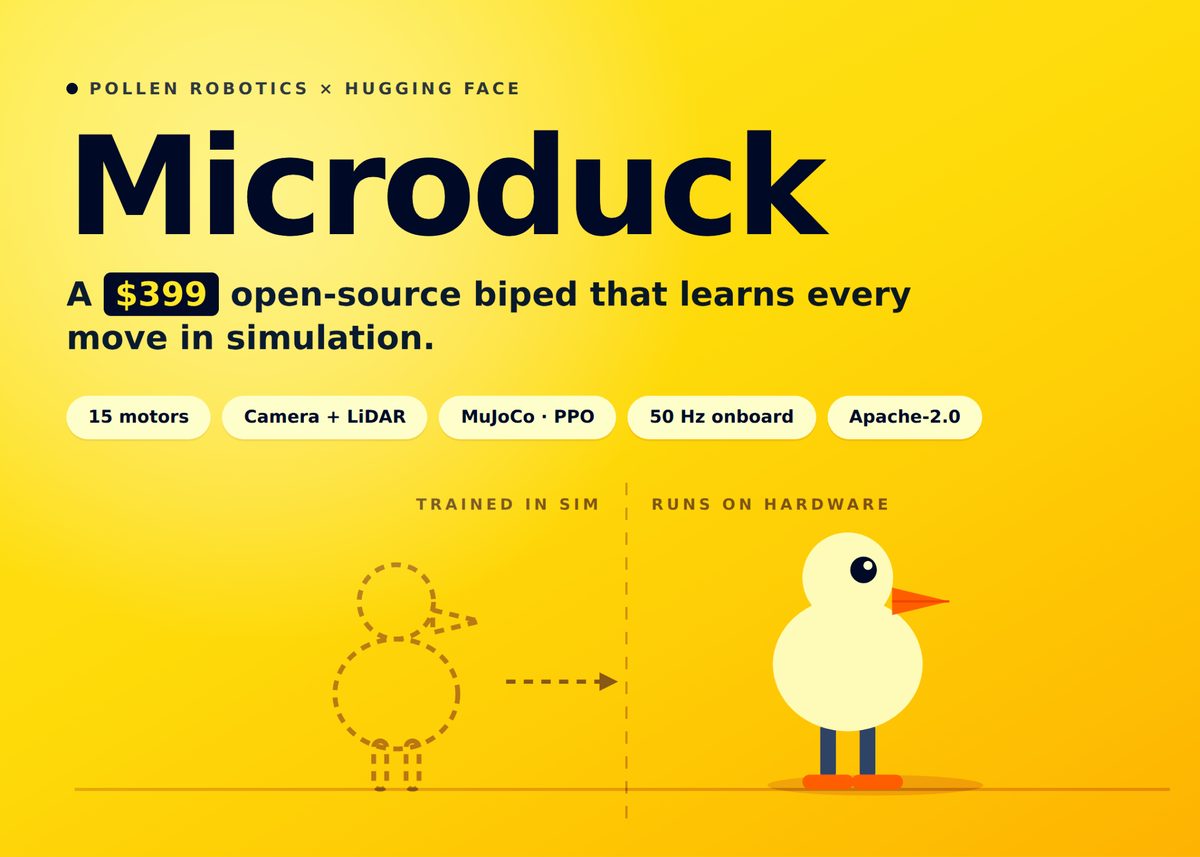
Hugging Face's Pollen Robotics team has launched pre-orders for Microduck, a $399 bipedal robot trained using open-source reinforcement learning.
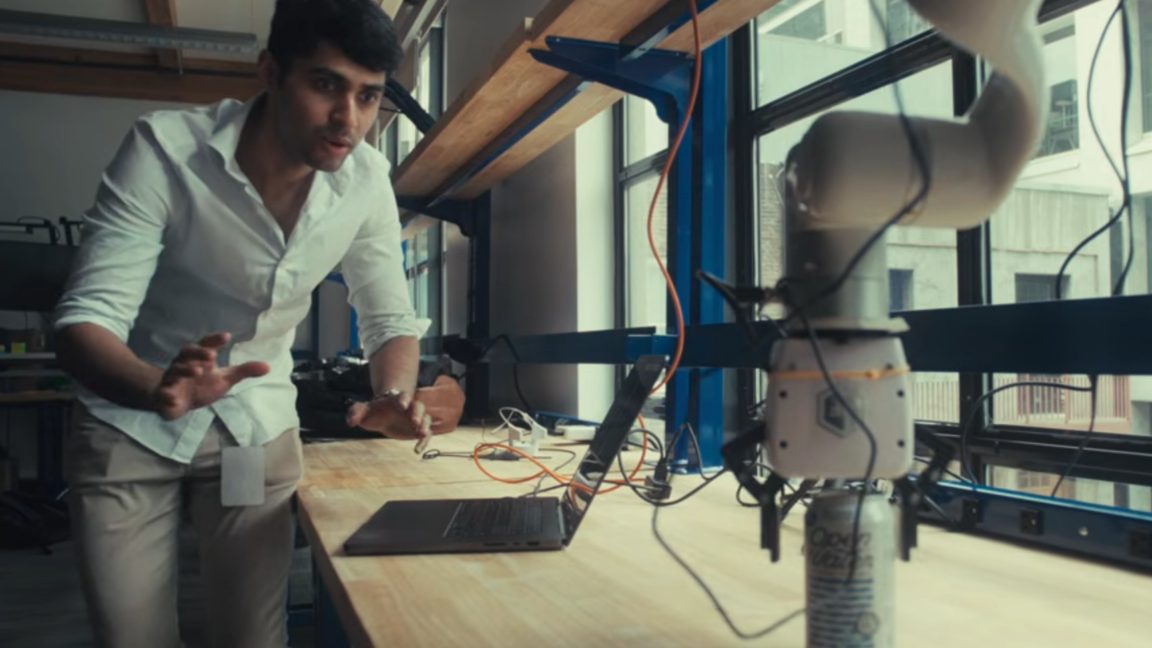
Anthropic introduced the Model Hardware Standard to enable AI agents to directly control physical laboratory equipment and robotics.