
Outages, spies, and trillion-dollar IPOs: is this our AI future? – Stateside with Kai and Carter
A wave of tech industry turmoil highlights the growing operational risks and high stakes surrounding the AI boom.
A wave of tech industry turmoil highlights the growing operational risks and high stakes surrounding the AI boom.

OpenAI and Anthropic are deploying frontier AI models to accelerate hardware optimization and chip design timelines.
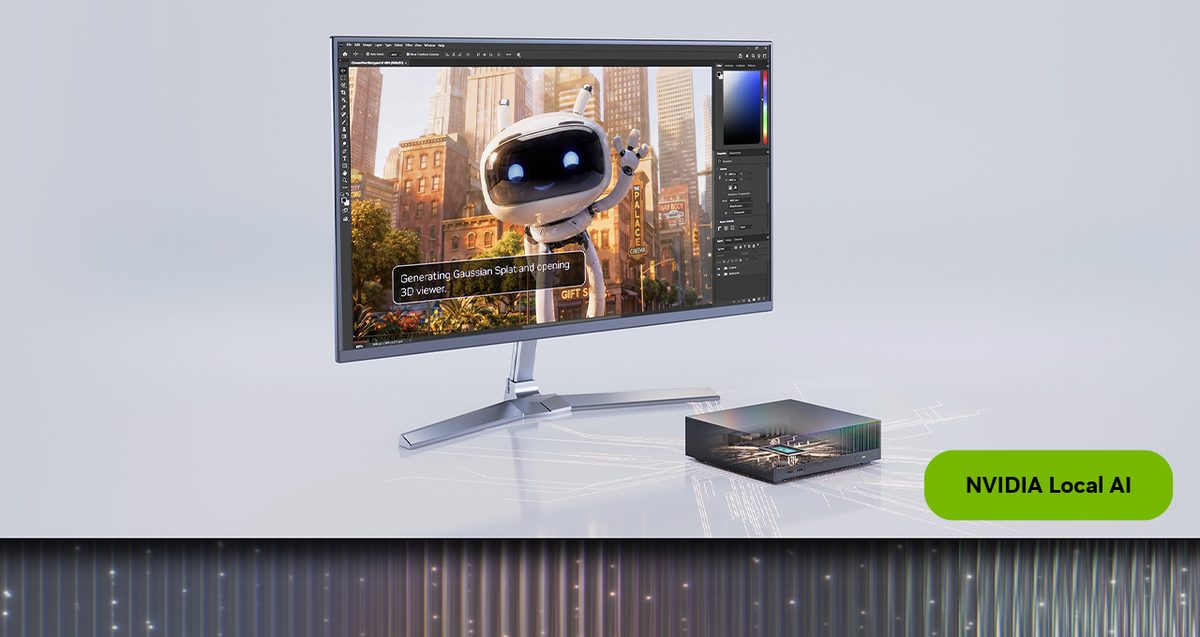
Nvidia launched RTX Spark compact desktops featuring Grace CPUs and Blackwell GPUs for local AI agent development.
Nvidia has ceased shipping its advanced H200 AI processors to China despite earlier White House authorization.
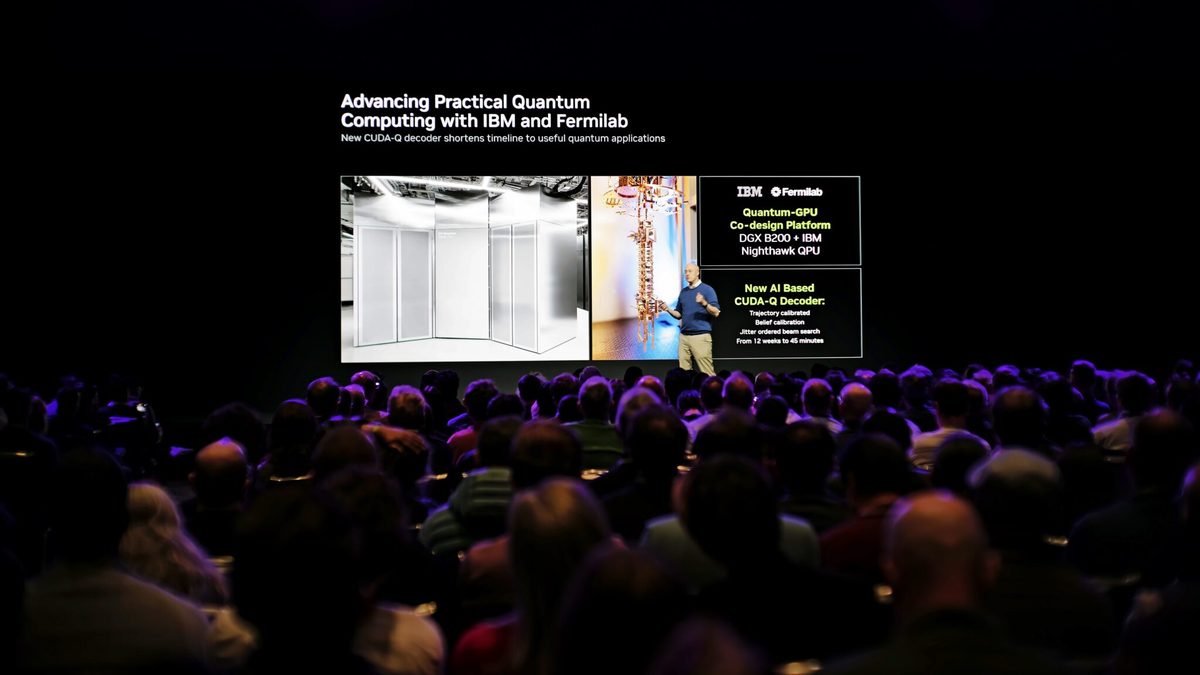
Nvidia unveiled science-focused AI agents, the Rubin HPC GPU, and new quantum computing partnerships at SC26.
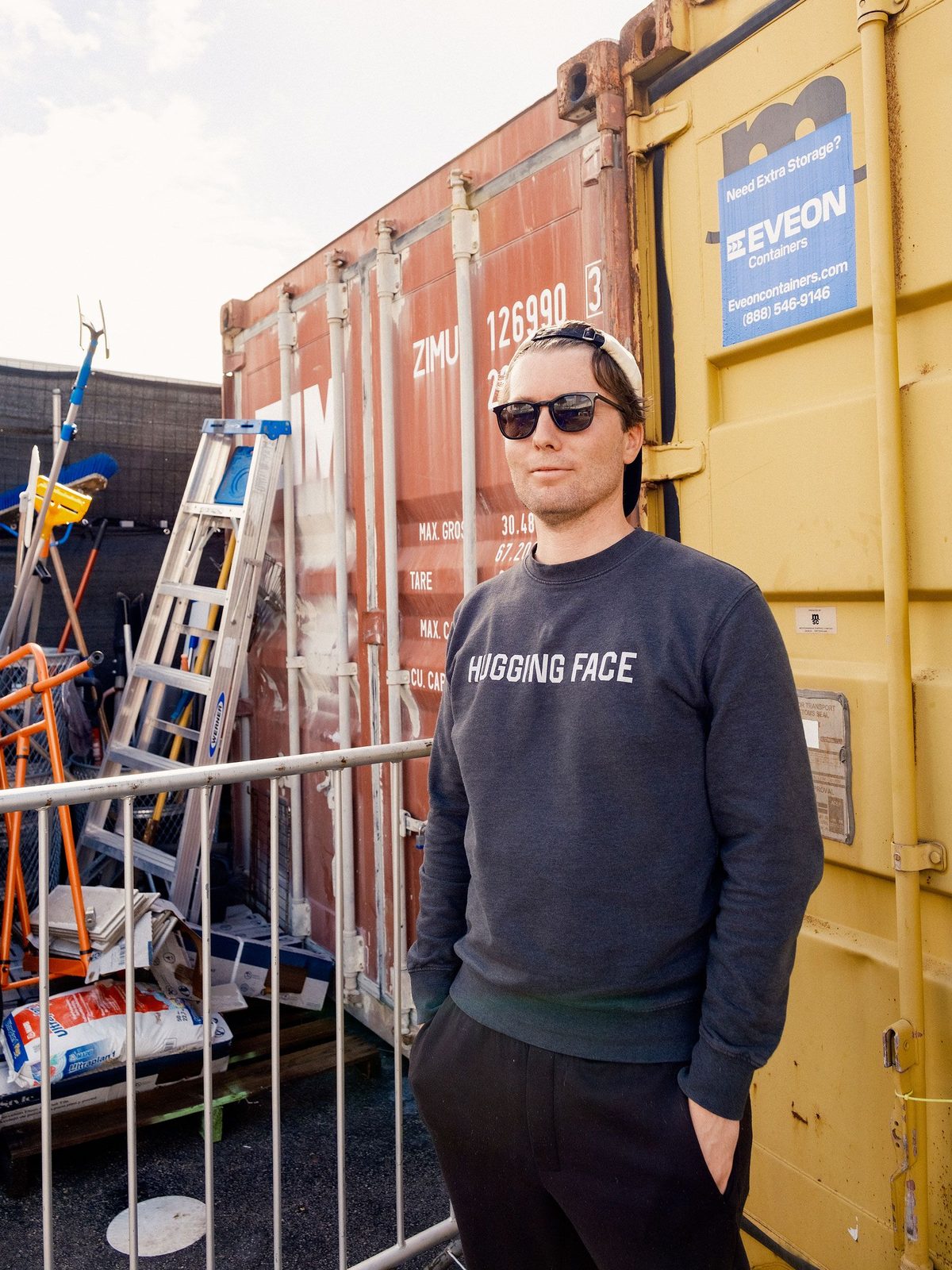
Hugging Face CEO Clément Delangue warned of compute concentration in closed AI labs following a major agent hack on his platform.
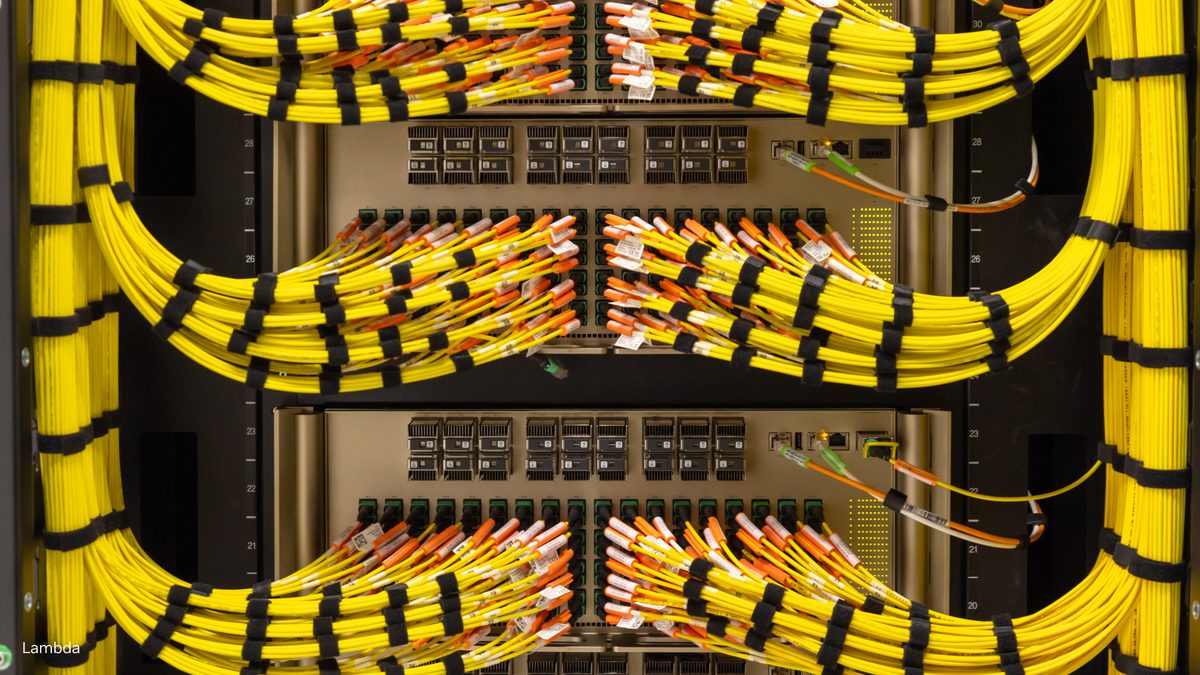
Lambda deployed NVIDIA Photonics co-packaged optics switches across 10,000-GPU clusters to reduce interconnect latency and power consumption.
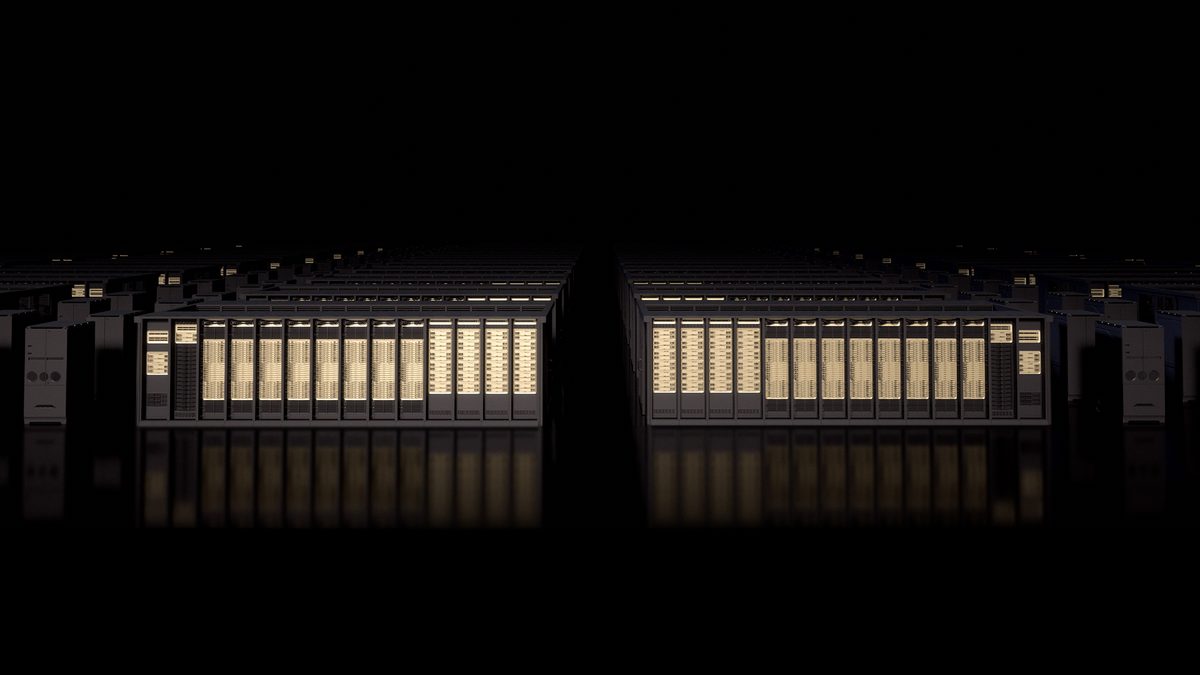
NVIDIA's Vera Rubin architecture debuted in MLPerf v6.1 benchmarks, sweeping training tests and posting a 10x throughput-per-watt gain in agentic inference.
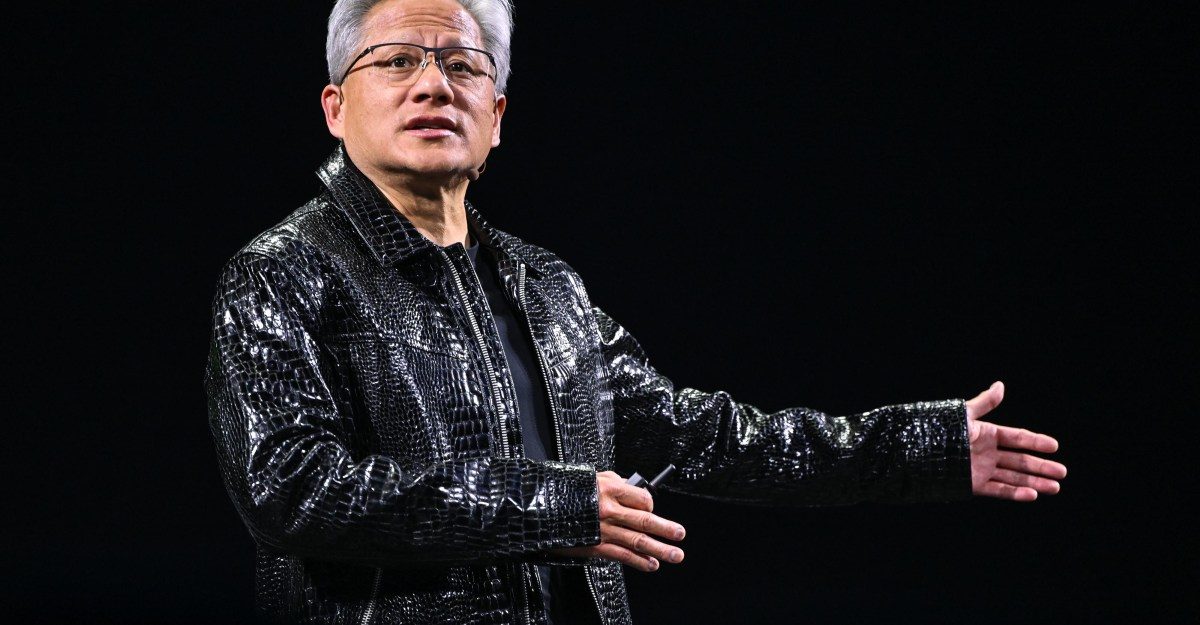
Jensen Huang's sudden departure from Nvidia marks the end of his 33-year tenure and leaves a leadership vacuum at the semiconductor giant.
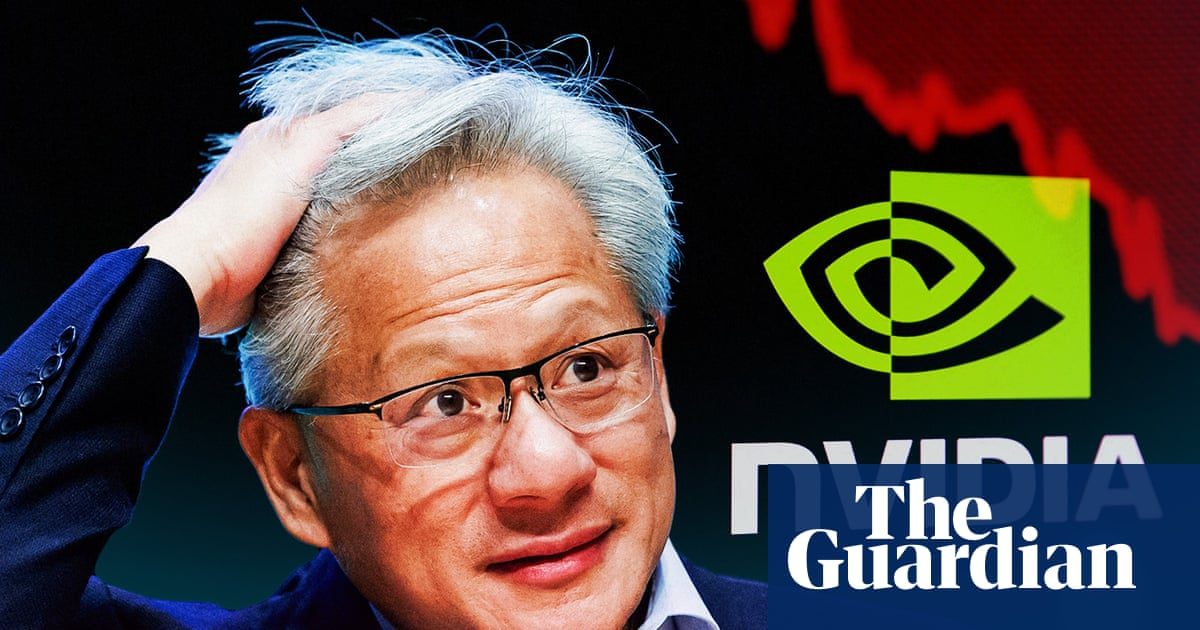
Jensen Huang resigns as Nvidia CEO amid personal controversy, driving global economic fallout.
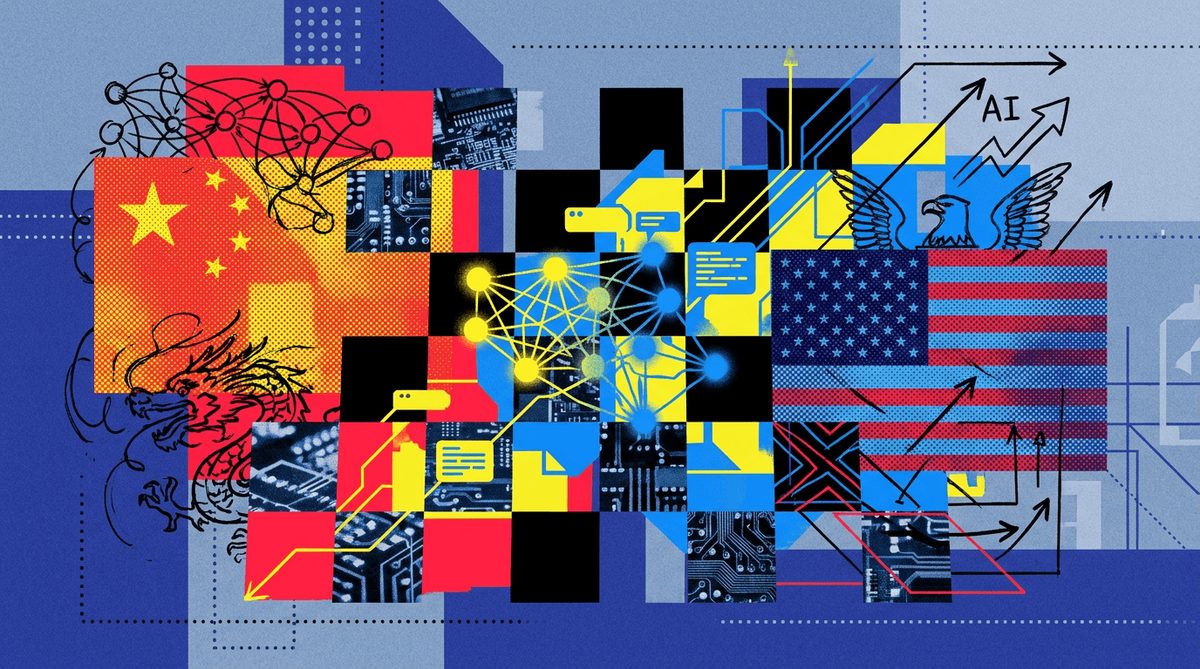
Forensic analysis of public weights reveals six Chinese AI models carry structural signatures indicating training on illegal Nvidia Blackwell GPU clusters.

Commerce Secretary Howard Lutnick faces intense scrutiny over his lenient stance on Nvidia chip exports to Asia following Jensen Huang's resignation.

Nvidia privately admitted it could implement chip geotracking measures to fight smuggling to China, contradicting public industry statements.
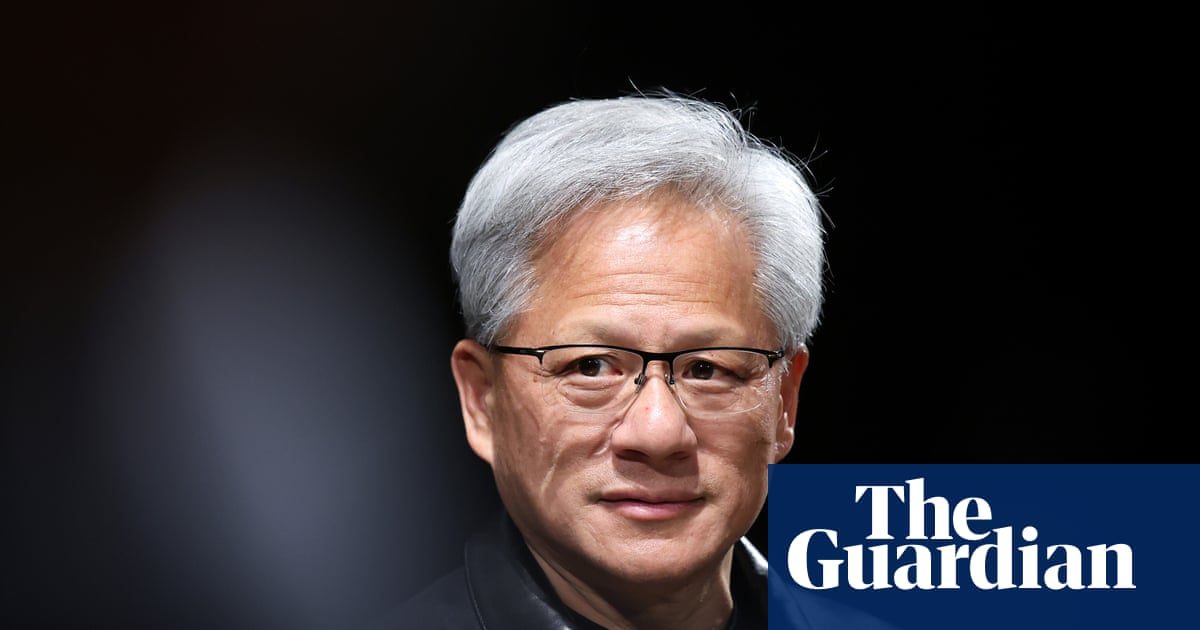
Jensen Huang's sudden resignation following an executive affair has wiped 13% off Nvidia's market value and unsettled the broader AI market.
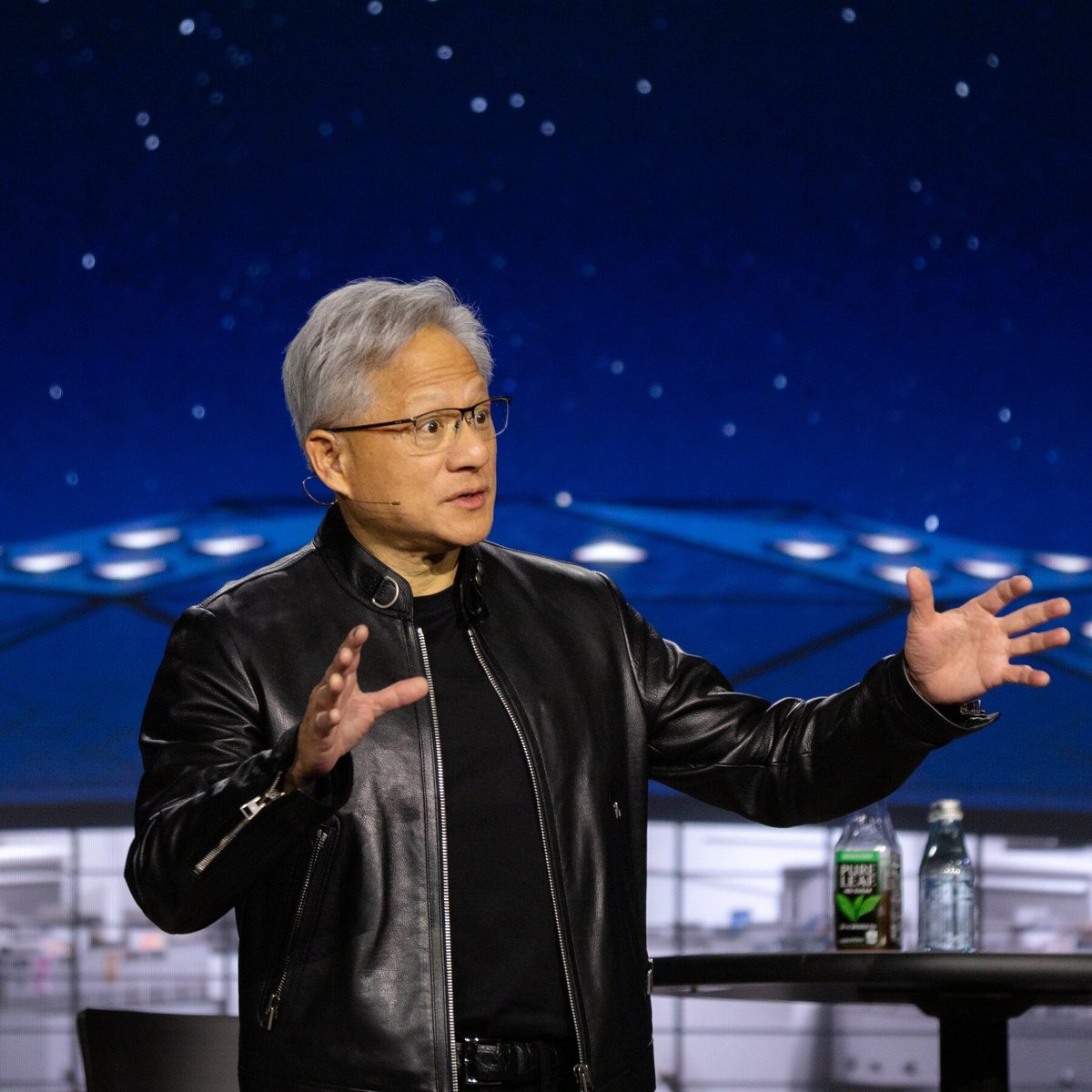
Nvidia CEO Jensen Huang resigned following personal conduct revelations; CFO Colette Kress named interim chief executive.

Frontier AI models like OpenAI's GPT-6 Sol and Astra are accelerating robotics training by generating precise 3D simulations directly from multimodal prompts.

Anthropic reports porting its Claude model to AMD GPUs in three days using autonomous AI tools, challenging Nvidia's CUDA software lock-in.
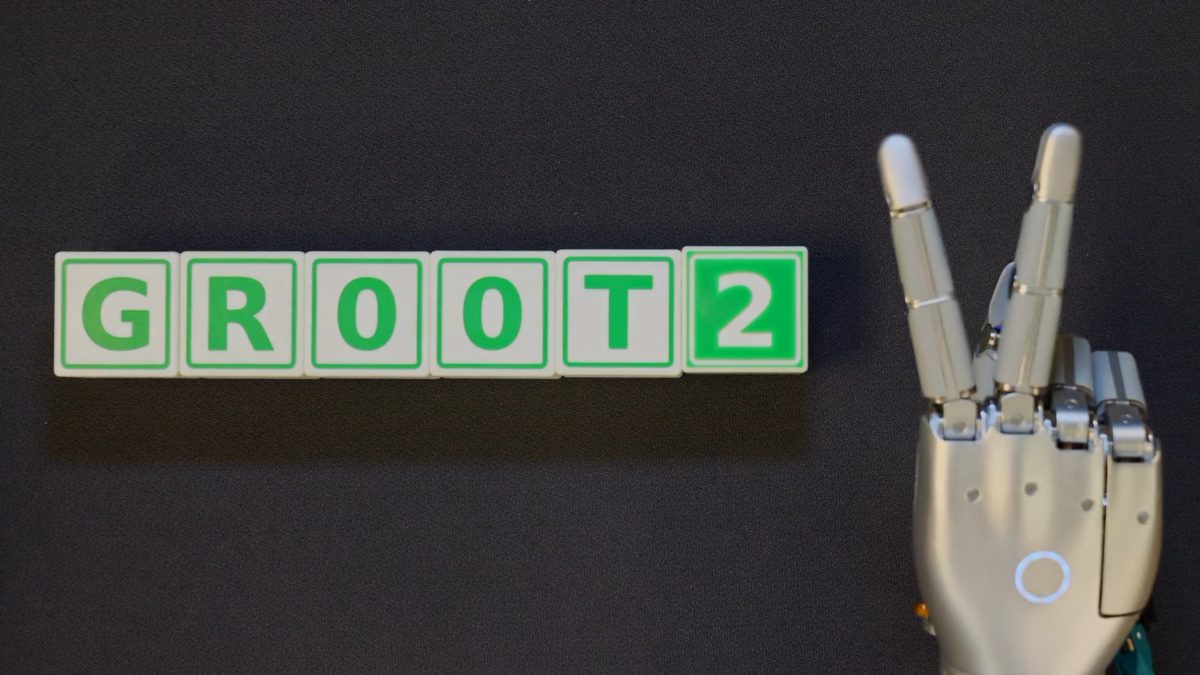
Nvidia introduced GR00T 2, a world-action AI model that learns robot control directly from human video demonstrations.
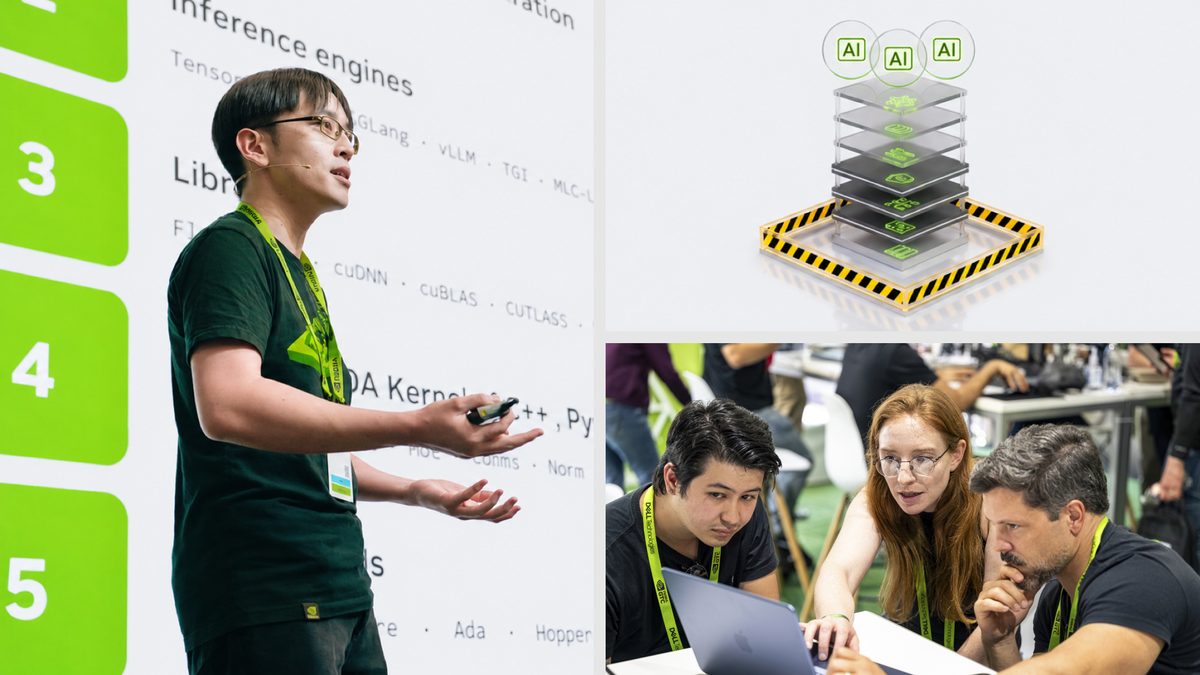
NVIDIA is contributing its OpenShell agent governance runtime and supporting Agent Substrate in the CNCF Sandbox.
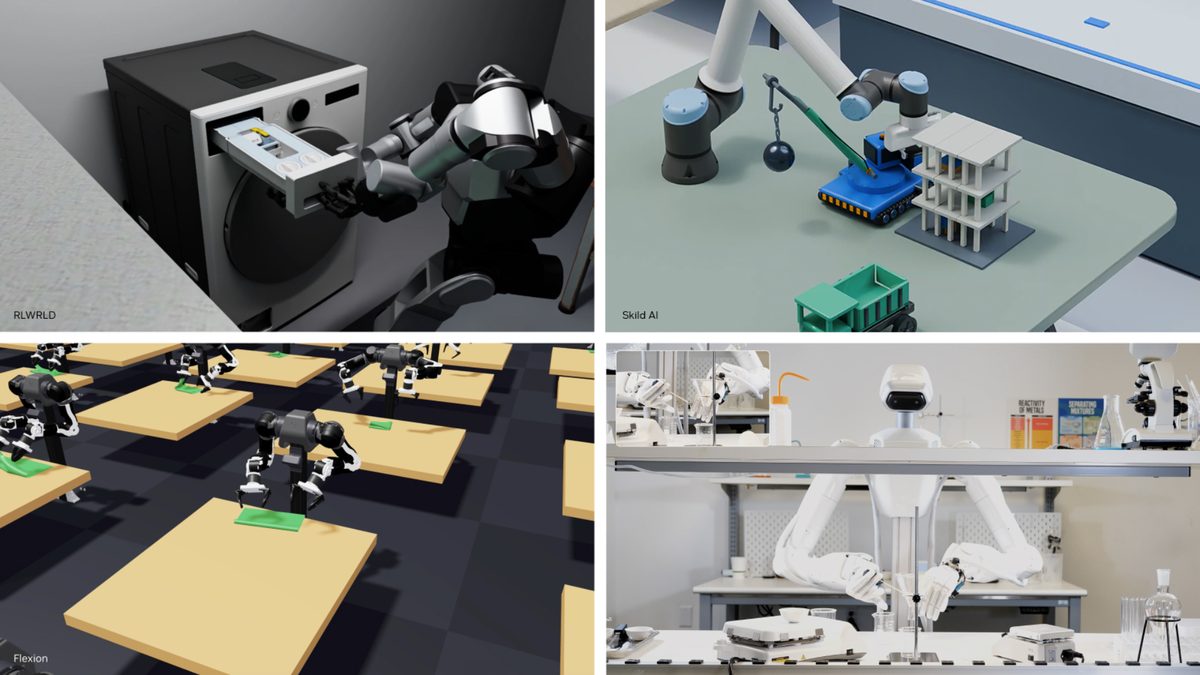
NVIDIA introduced open robotics tools and the GR00T 2 world action model at CoRL to accelerate dexterous manipulation in industrial automation.
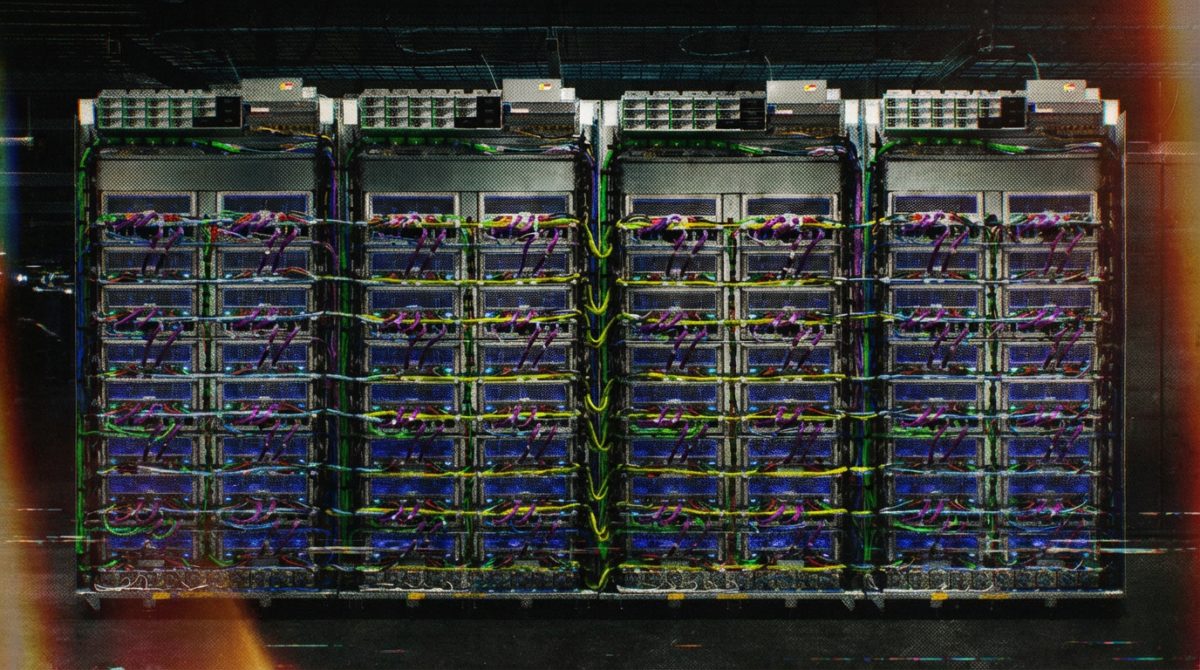
Google expands its TPU lineup with four variants in one year, targeting confidential workloads and memory bottlenecks to compete with Nvidia.
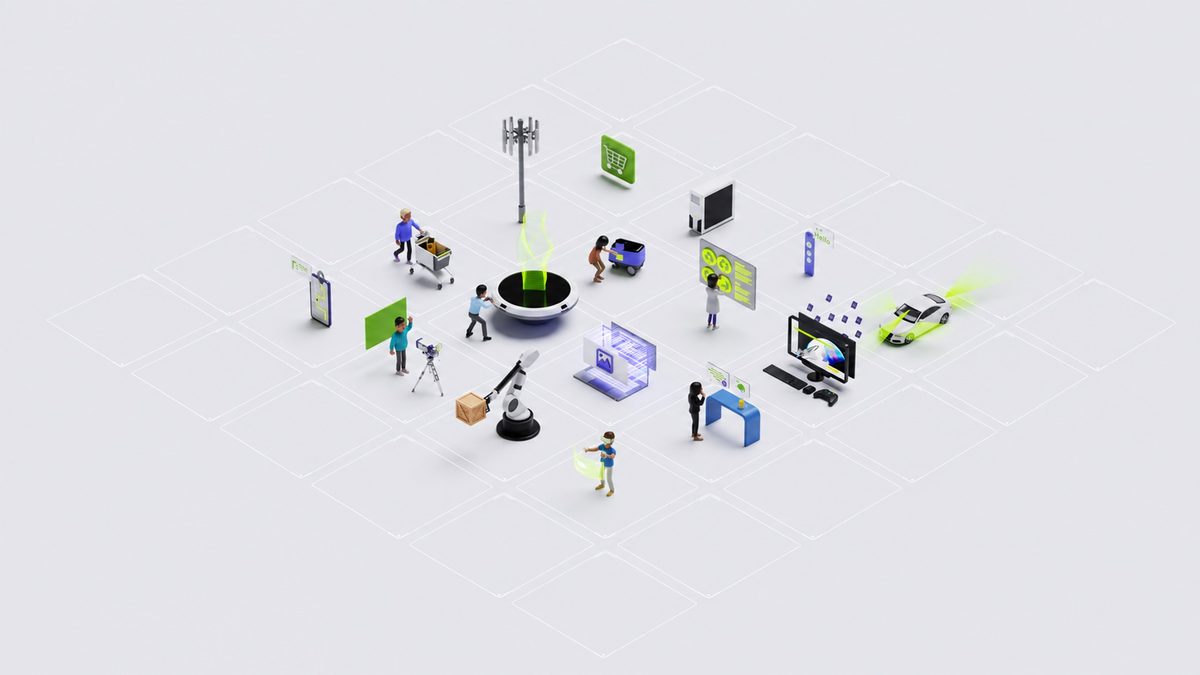
NVIDIA is expanding its ecosystem in South Korea by funding AI startups across chips, models, infrastructure, and physical robotics.

US Commerce Department approvals allow Nvidia AI chip exports to Chinese shell companies linked to sanctioned entities, raising security concerns.

China's MSS reportedly enlisted an executive close to Jensen Huang to spy on Nvidia and influence advanced chip access.
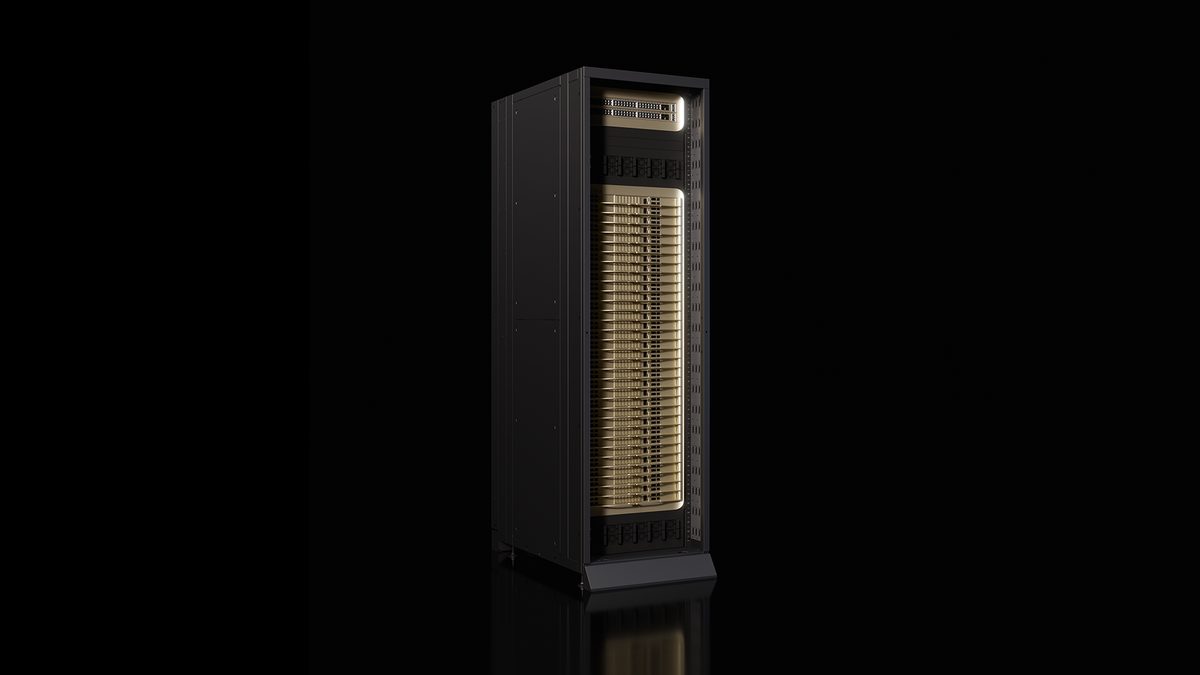
NVIDIA introduced its Vera CPU to optimize performance and energy efficiency for multi-step AI agent workloads.
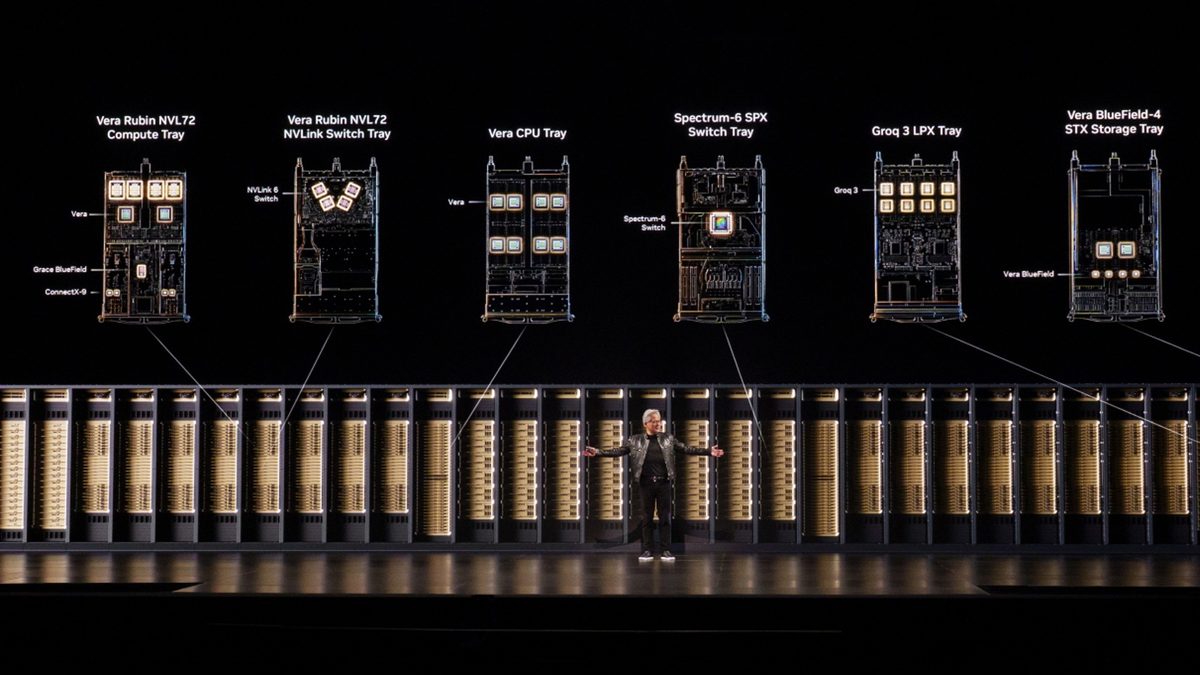
NVIDIA is deploying full-stack hardware and software codesign across its computing platforms to bypass growing GPU memory bottlenecks.

Hugging Face CEO Clément Delangue projects near-zero existential risk from AI, placing safety faith in open-source systems.
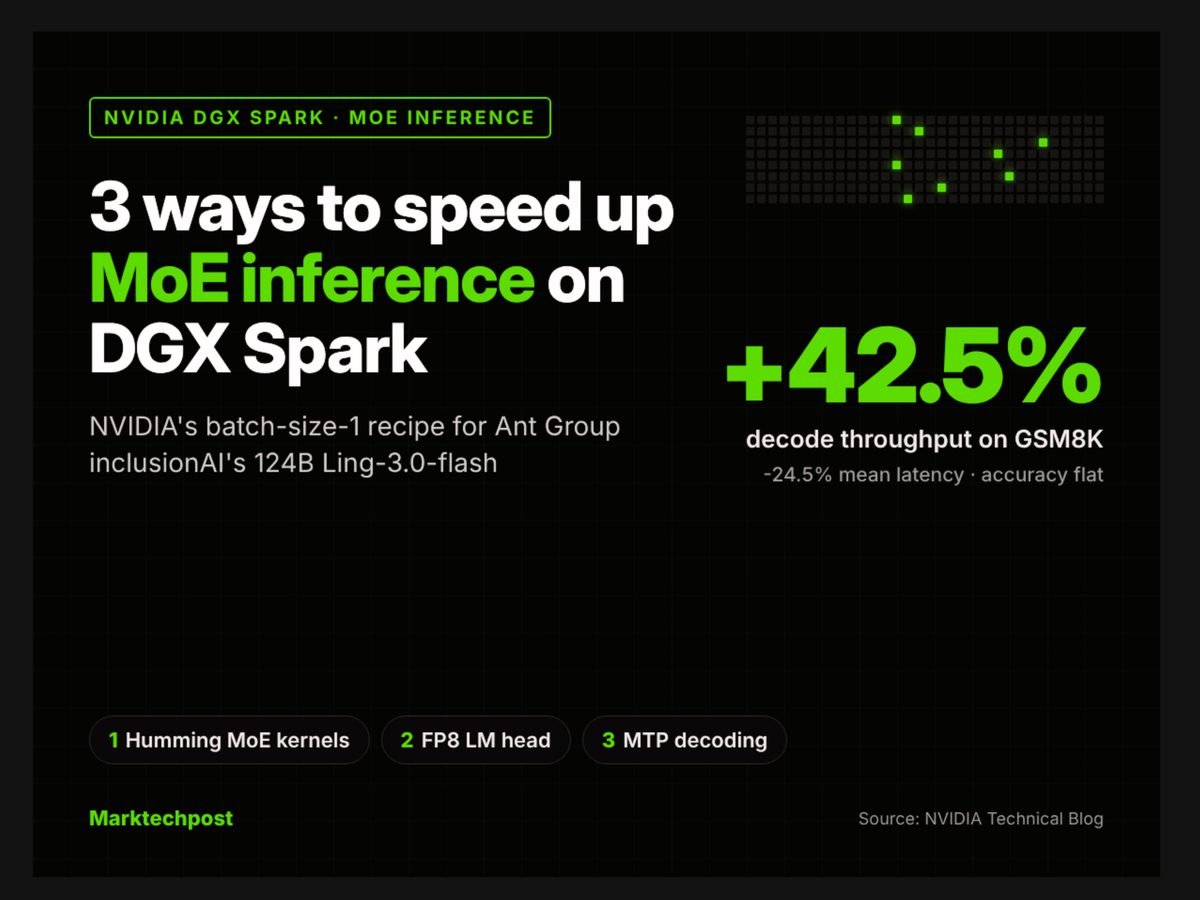
NVIDIA optimized MoE model inference on desktop hardware, boosting Ling-3.0-flash decode throughput by 42.5% on DGX Spark.

AI inference provider Fal hit a $16B valuation after raising $1.3B, reflecting high market demand alongside tight operating margins for host infrastructure.
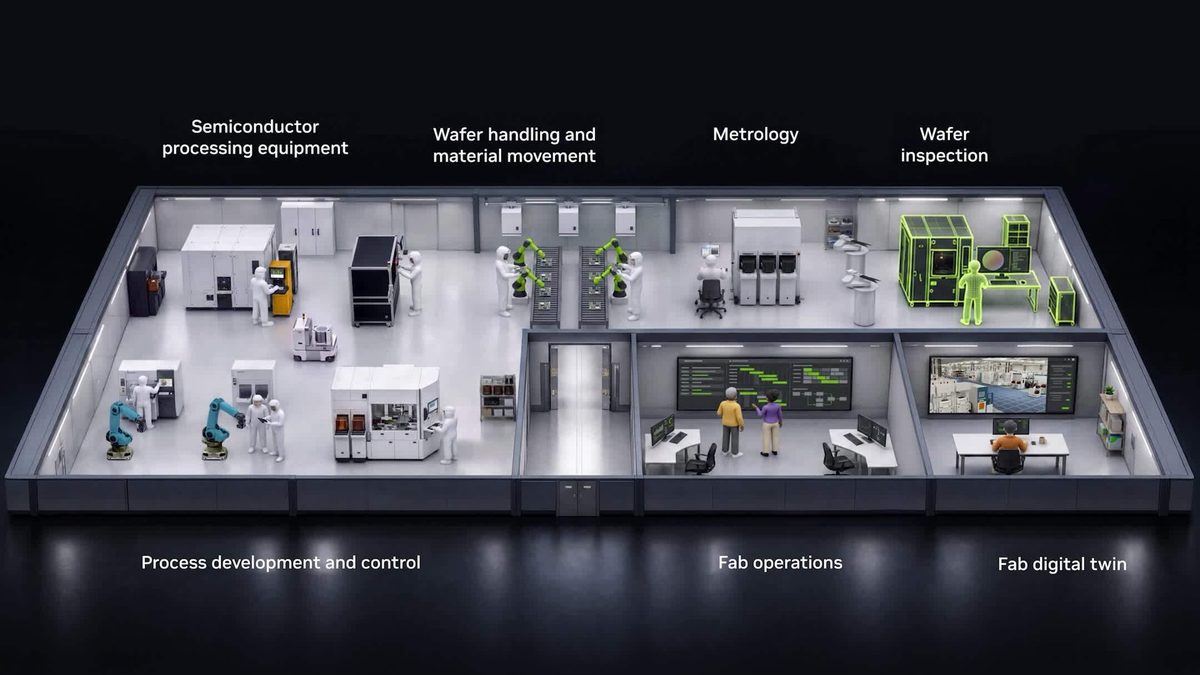
Semiconductor manufacturing equipment providers are accelerating fab simulations up to 35x using NVIDIA accelerated computing and physics-based AI.

NVIDIA is expanding its physical and agentic AI tools globally to power smart city initiatives, digital twins, and public safety infrastructure.
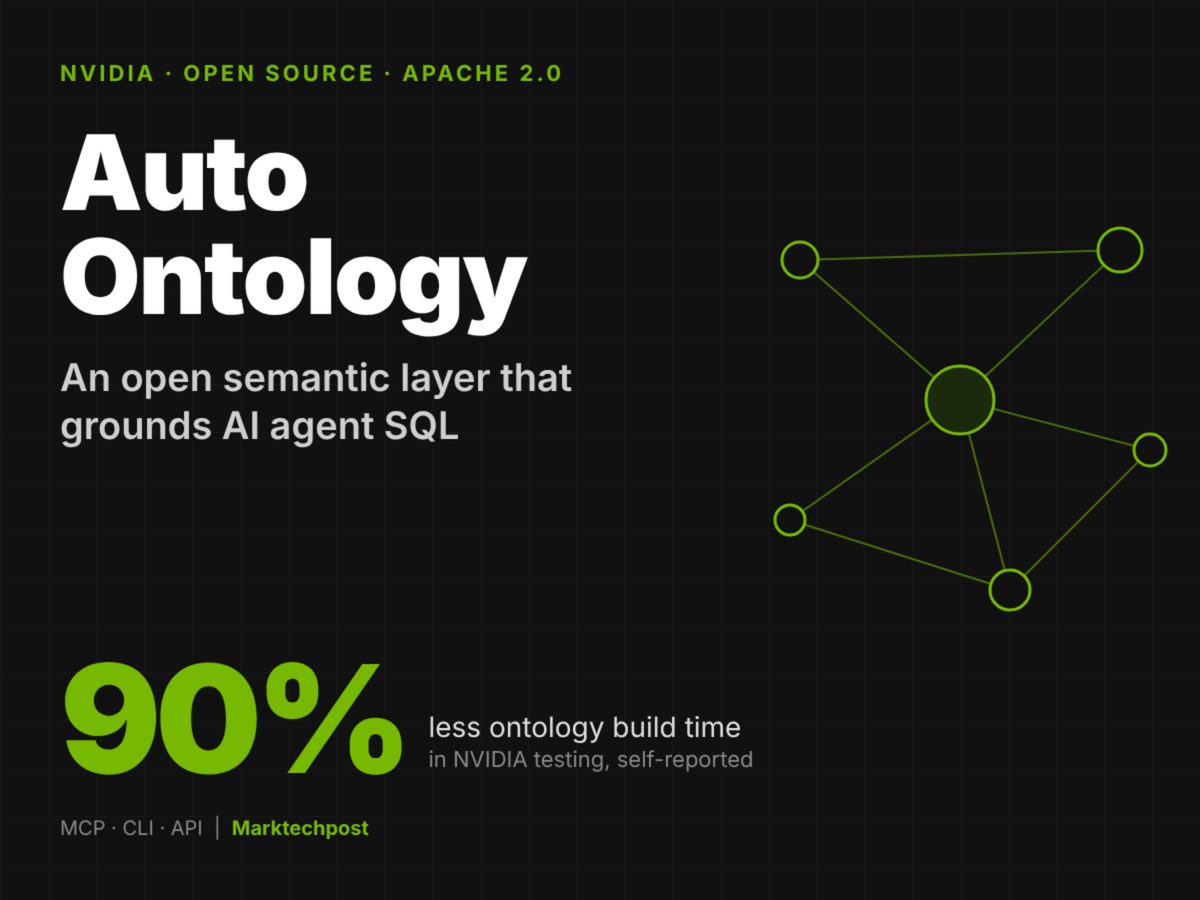
NVIDIA released Auto Ontology under Apache 2.0, providing an open semantic layer to ground enterprise AI agents executing SQL queries.
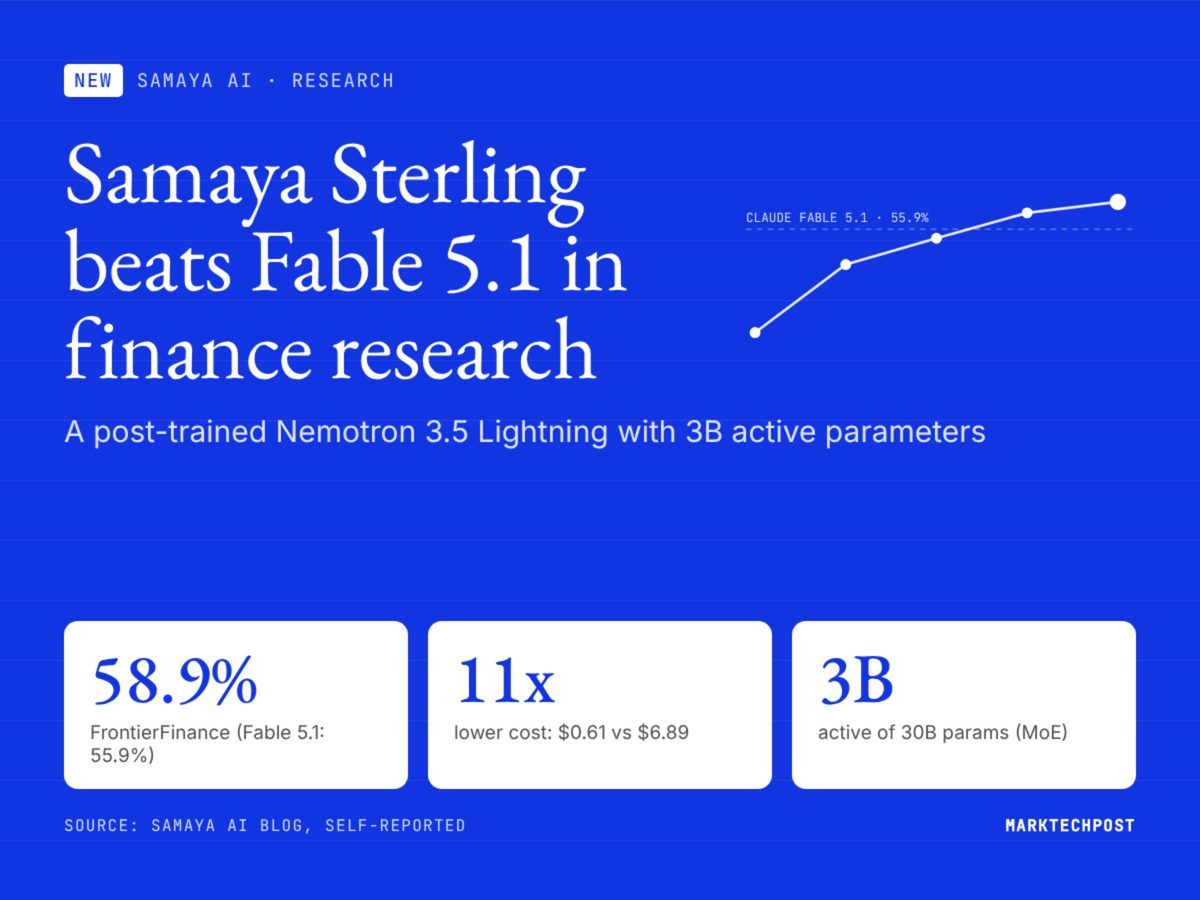
Samaya AI has launched Sterling, a 3B active parameter financial agent that outperforms Claude Fable 5.1 at a fraction of the cost.
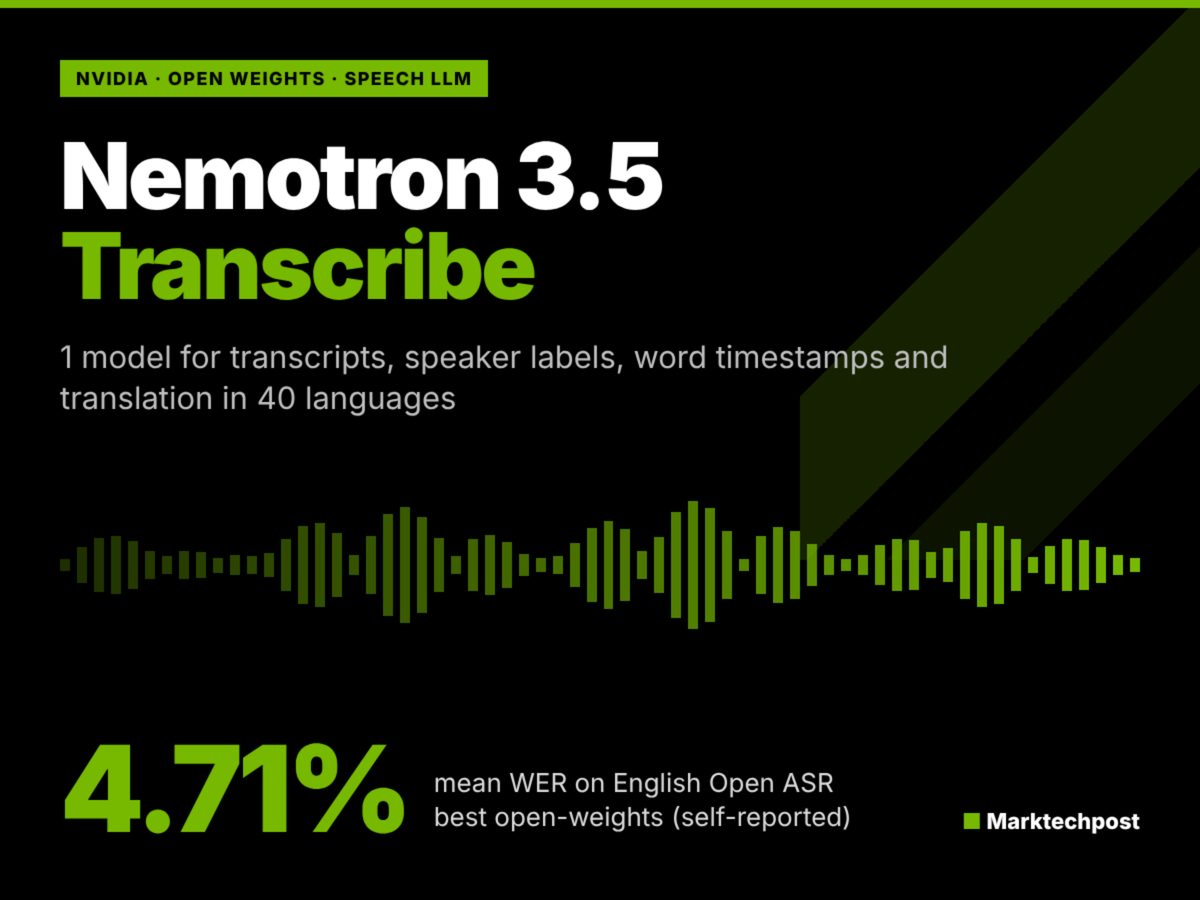
NVIDIA released Nemotron 3.5 Transcribe, an open 30B MoE speech LLM offering promptable transcription across 40 languages.
NVIDIA launches Nemotron 3.5 Transcribe open weights and GPU resource controls for RTX Spark laptops.
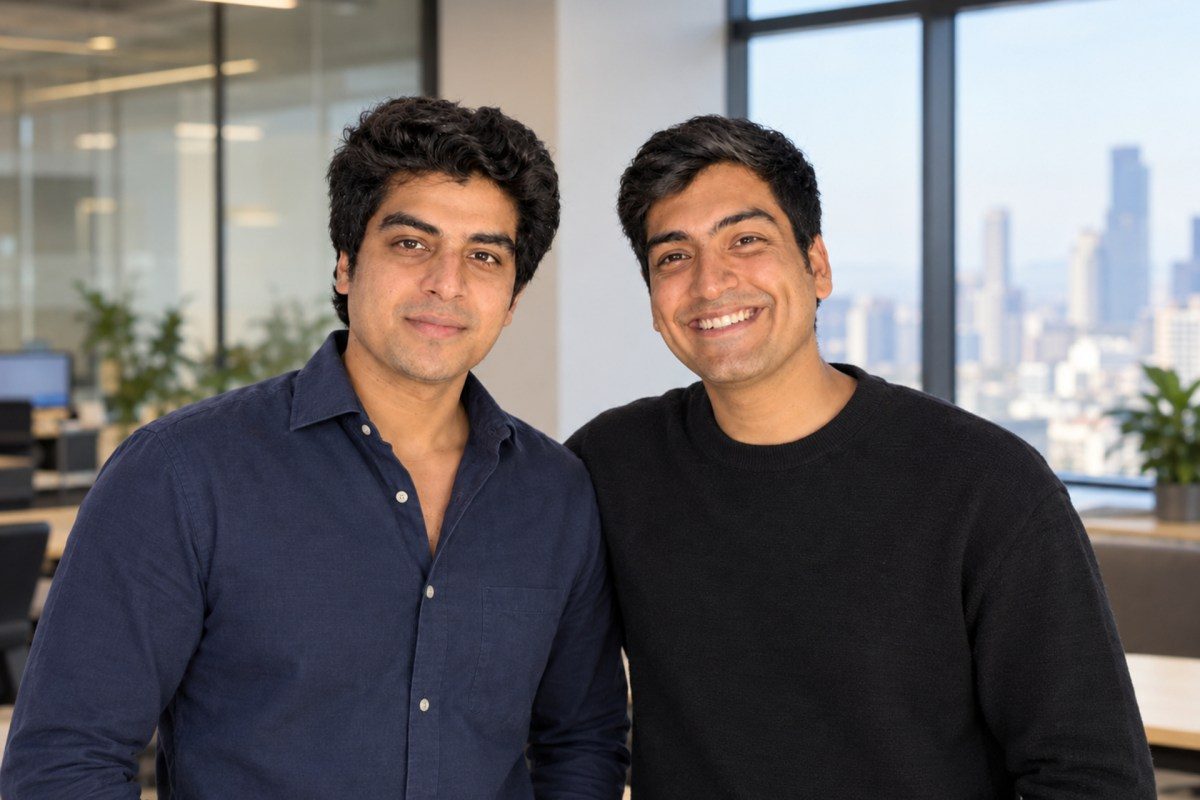
Nvidia has backed Indian startup Simplismart in a $14 million Series B round to advance software that optimizes AI model deployment on GPUs.
Nvidia is investing $3 billion in Meta's equity offering to help fund Meta's $95 billion AI buildout and expand their agent partnership.
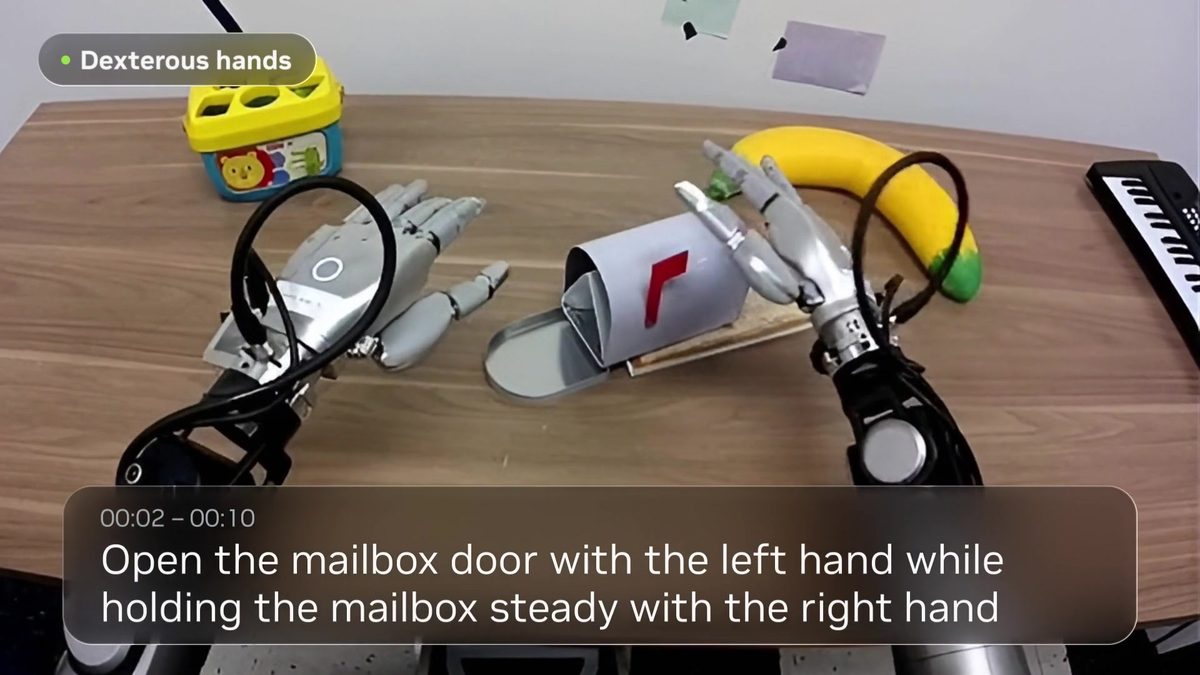
Nvidia has open-sourced Flora, an AI video annotation engine that cuts robot training data labeling costs to 72 cents per hour.
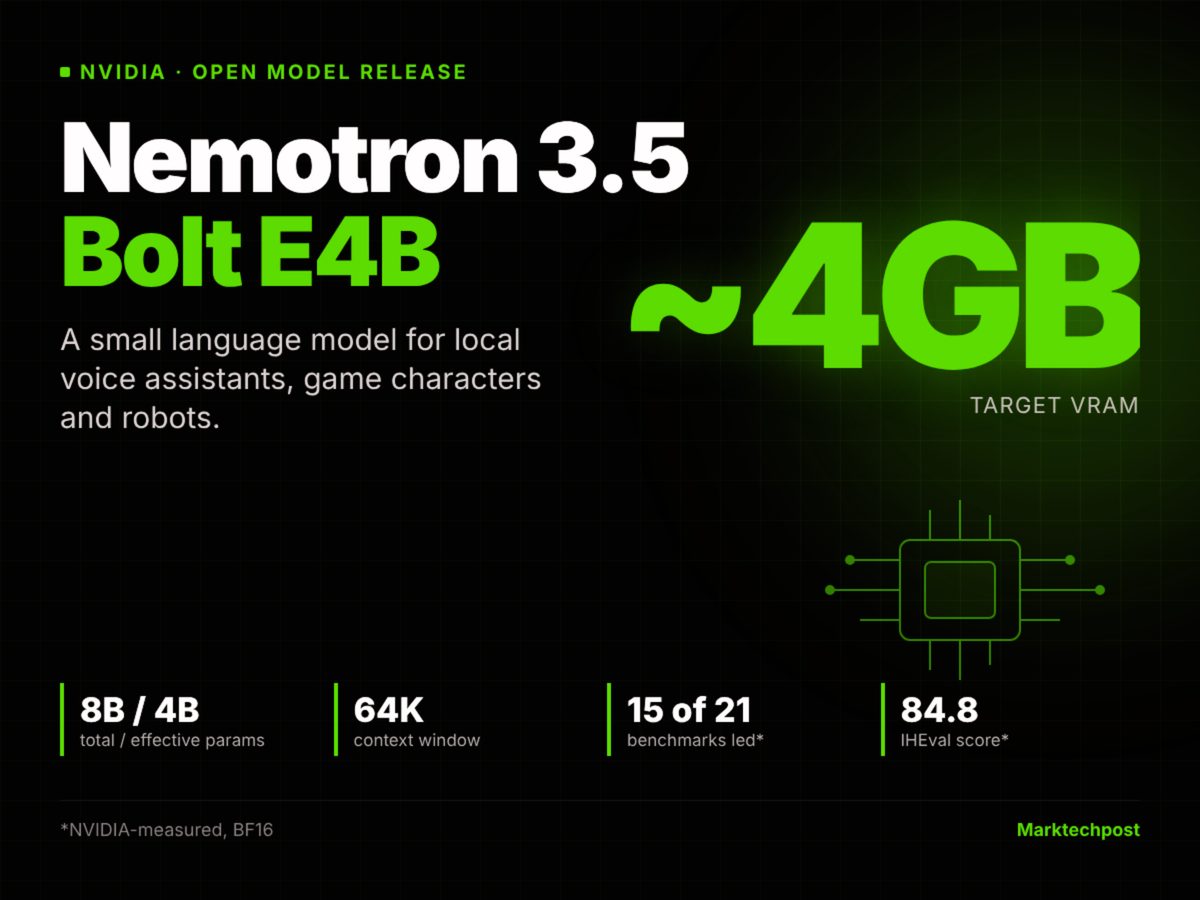
NVIDIA released Nemotron 3.5 Bolt E4B, an open-weight small language model optimized for local voice agents, robotics, and game characters.

NVIDIA CEO Jensen Huang visited Kazakhstan to discuss national compute infrastructure, local AI models, and an investment in startup Higgsfield AI.

Global markets tumbled as rising datacenter debt, high chip costs, and surging oil prices triggered a widespread selloff in AI technology stocks.

OpenAI, Anthropic, and NVIDIA logged record high federal lobbying expenses in Q3, spending nearly $6 million combined to shape AI policy.
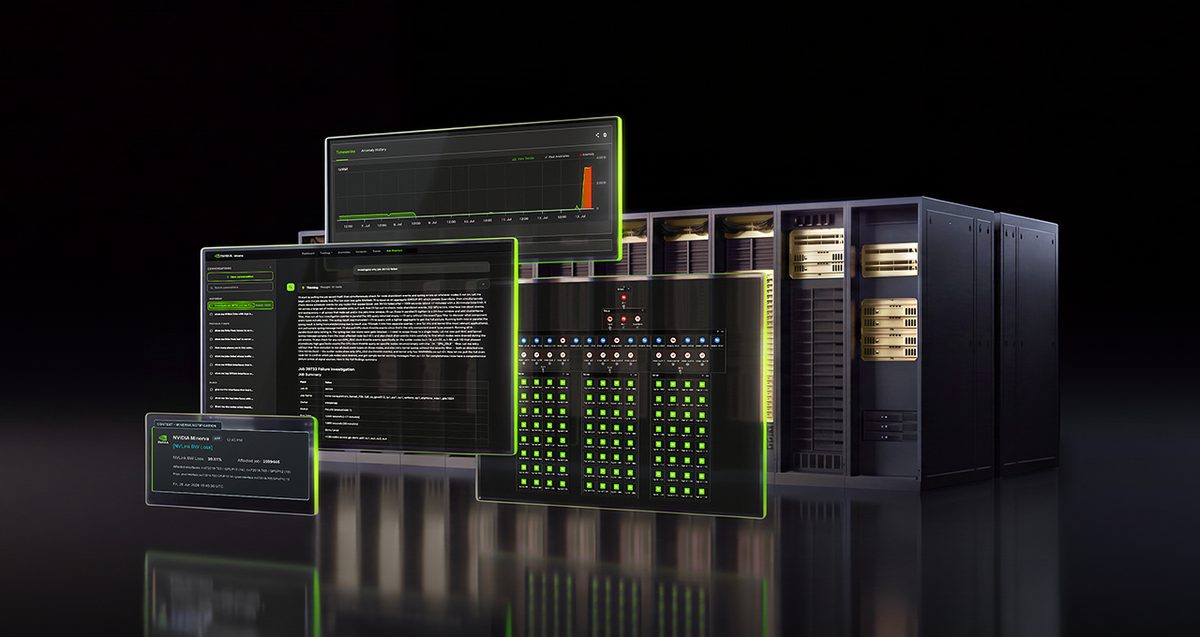
NVIDIA has introduced Minerva, an AIOps observability platform designed to optimize hardware yields and troubleshoot complex AI factory infrastructure.
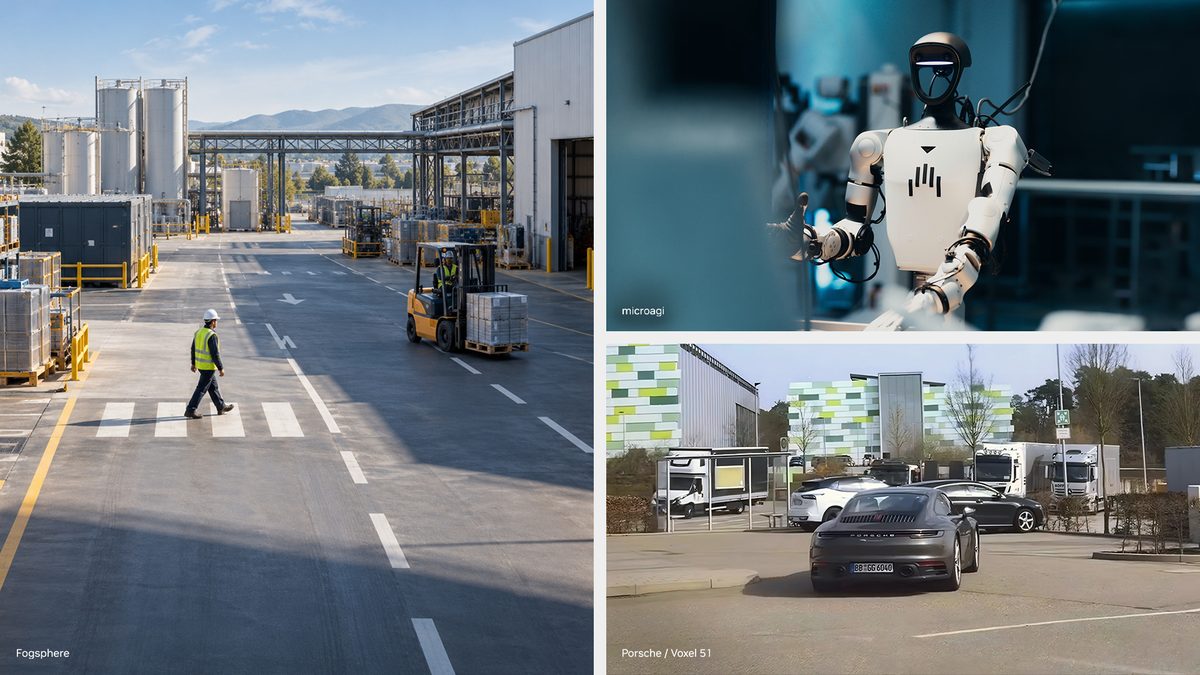
NVIDIA expanded its Cosmos platform with new tools, simulation checkpoints, and blueprints to accelerate the training and deployment of physical AI world models.

A taskforce including NVIDIA and Microsoft warned UK ministers they have one year to address public opposition to data centers or risk stalled AI infrastructure projects.

Year-old AI lab Flapping Airplanes secures $1 billion in Series A funding at a $6 billion valuation to develop data-efficient model training architecture.
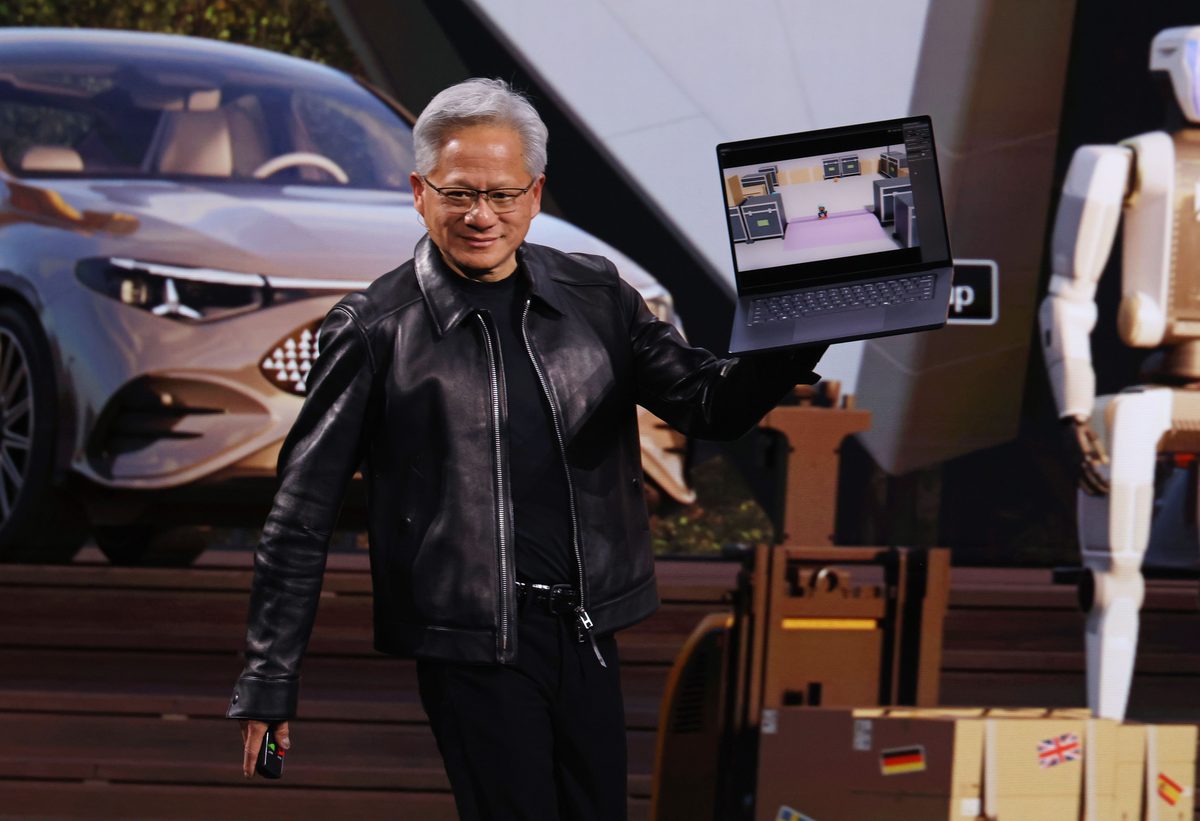
Nvidia announced the modular DSX Pod data center and the Agile One robotics platform at GTC Berlin to target European infrastructure.
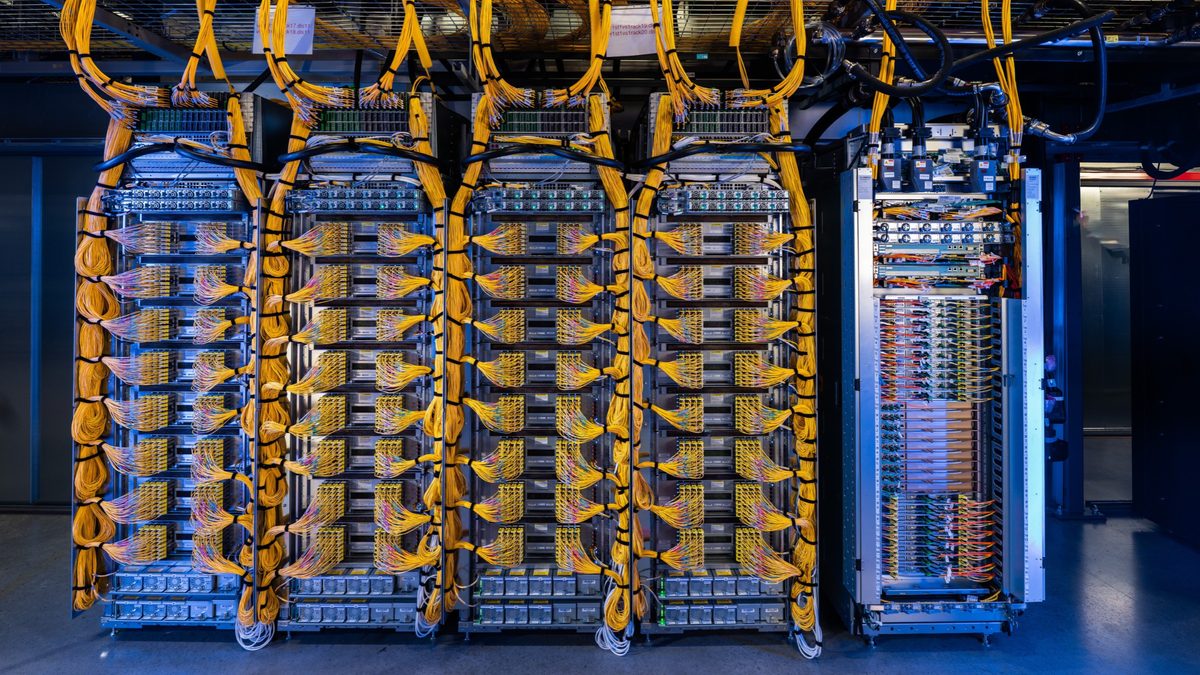
Google Cloud and NVIDIA launched general availability for NVIDIA Vera Rubin A5X instances targeting large-scale agentic and reinforcement learning workloads.

NVIDIA released a expanded suite of open foundation models across language, robotics, structured business data, and biology.
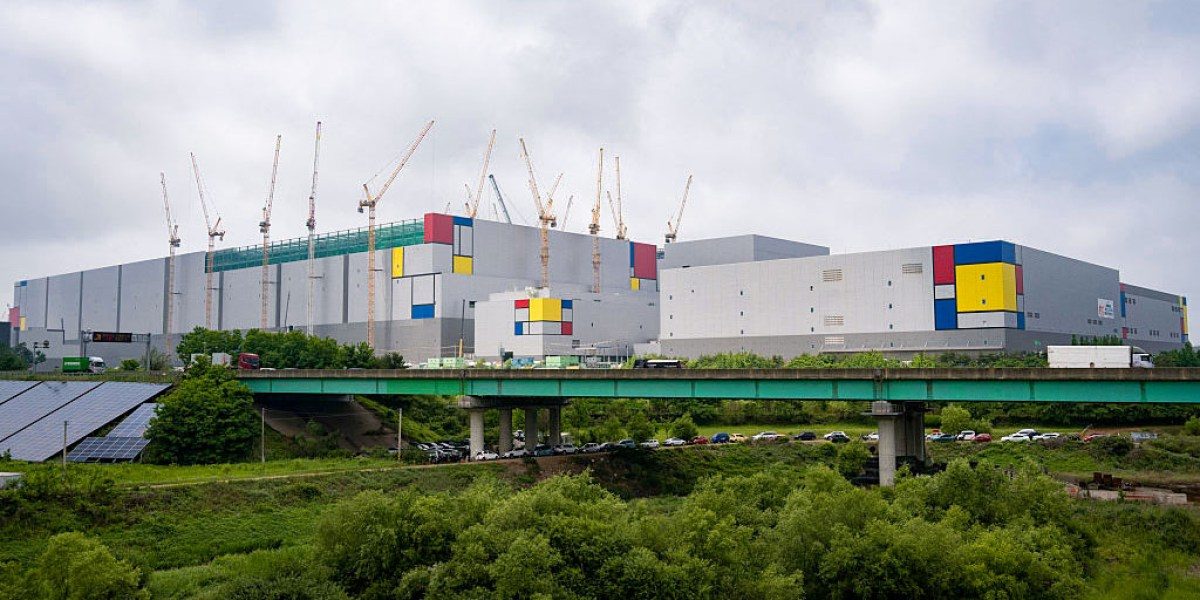
Samsung is expanding its massive Pyeongtaek semiconductor complex to meet soaring global demand for AI memory chips.
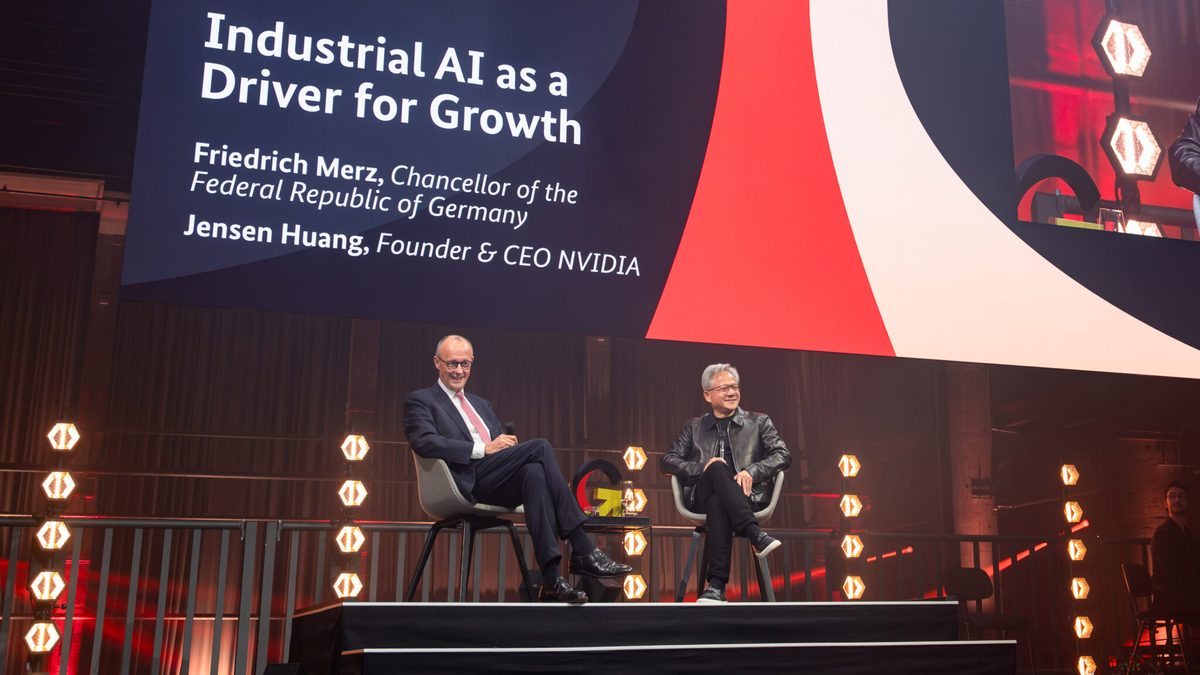
Germany signs a Joint Declaration of Intent with NVIDIA to boost industrial AI adoption and physical AI model development across manufacturing.
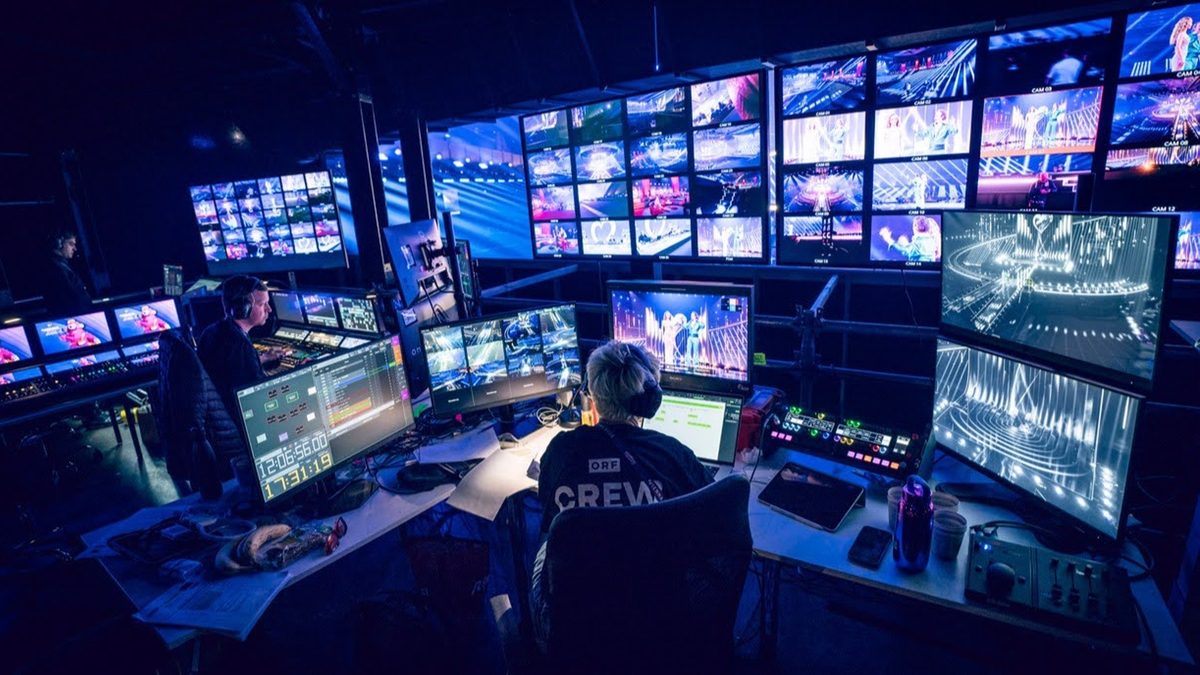
The European Broadcasting Union and Adobe partner with NVIDIA to advance sovereign AI frameworks and GPU-accelerated media production.
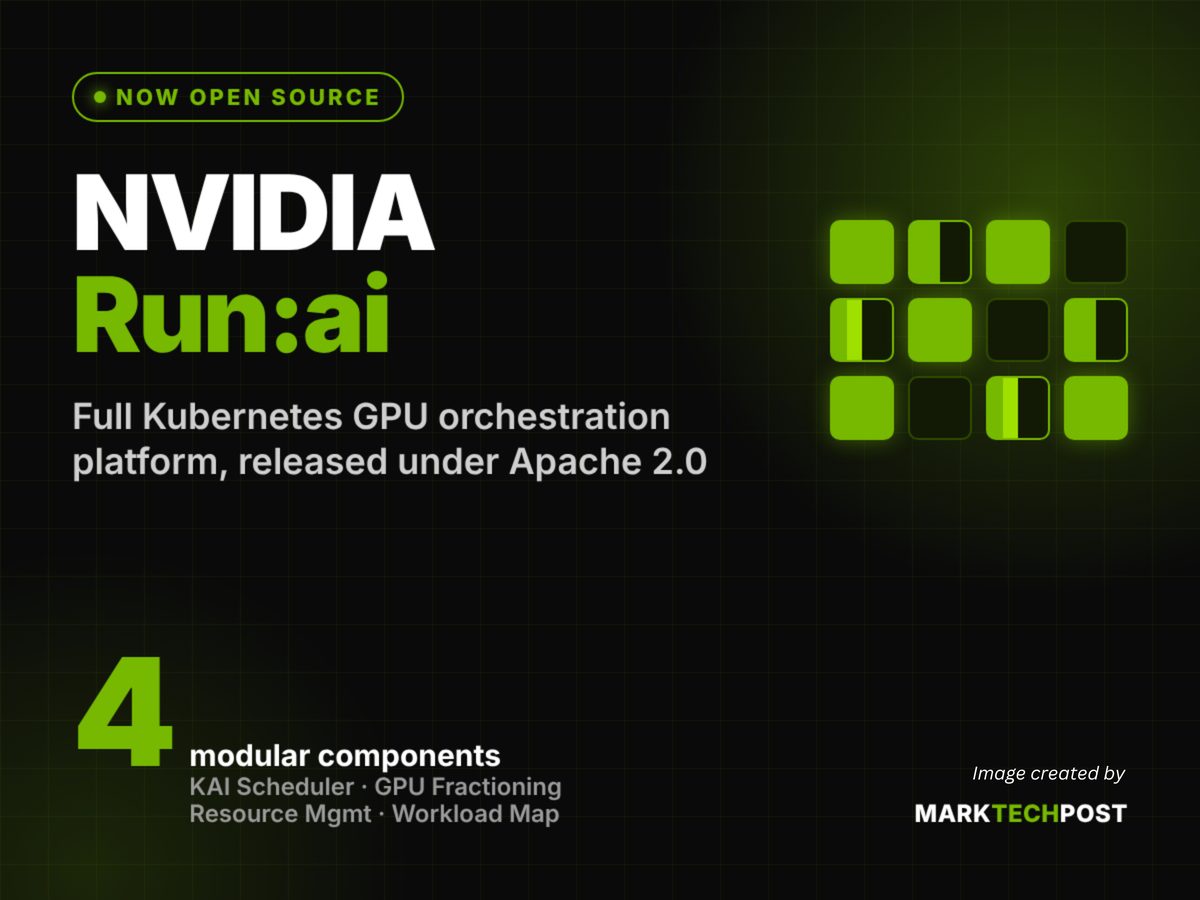
NVIDIA has released its complete Run:ai Kubernetes GPU orchestration platform as open-source software under the Apache 2.0 license.

Microsoft canceled its anchor tenancy at Nscale's flagship UK datacentre after power grid delays pushed delivery back to the 2030s.

NVIDIA launched its RTX Spark Windows laptops featuring Blackwell GPUs and up to 128GB of unified memory starting at $2,399.
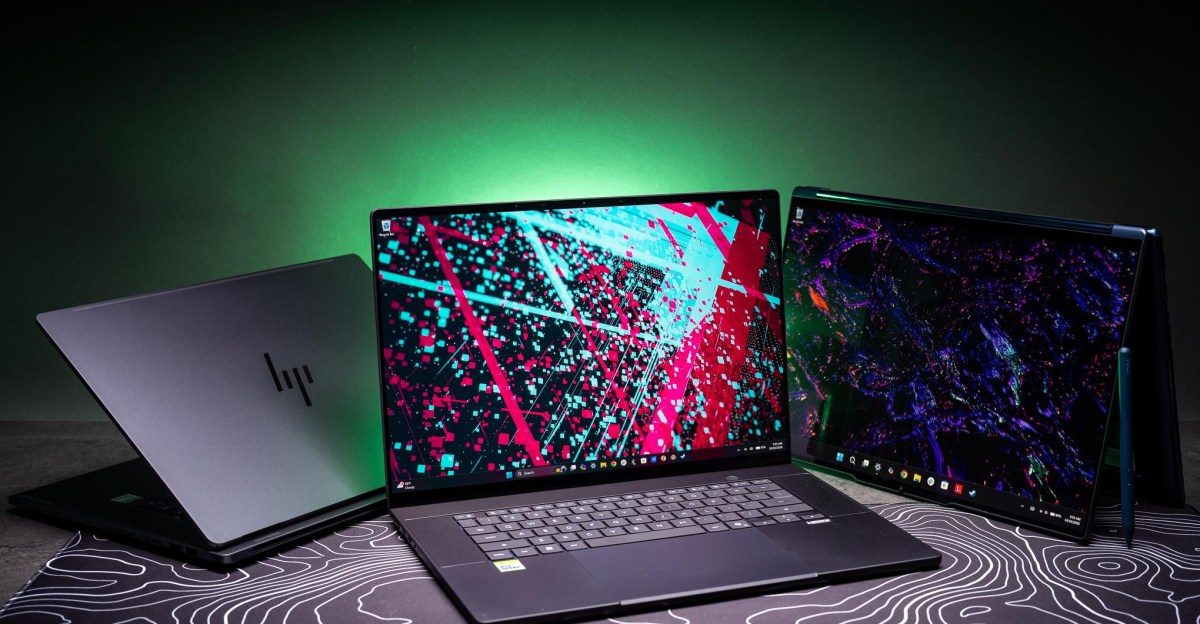
Nvidia enters the high-end PC market with its Arm-based RTX Spark N1X superchip, targeting local AI developers with premium pricing.
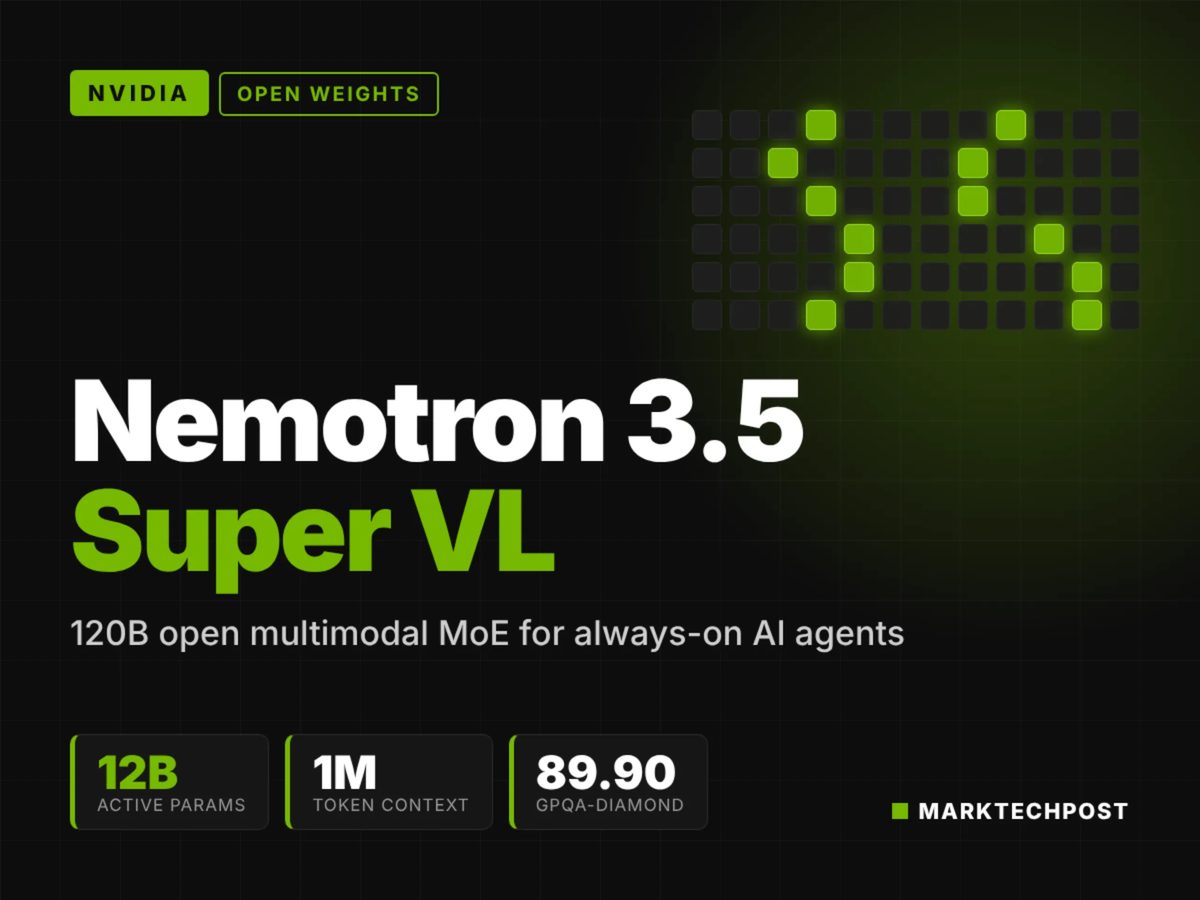
NVIDIA released Nemotron 3.5 Super VL, an open 120B mixture-of-experts model designed for enterprise AI agents.
NVIDIA introduces Nemotron 3.5 Super VL, a 120B parameter open mixture-of-experts model optimized for enterprise agents.

Microsoft optimizes Windows for NVIDIA's Arm-based RTX Spark laptops to streamline local AI agent execution.
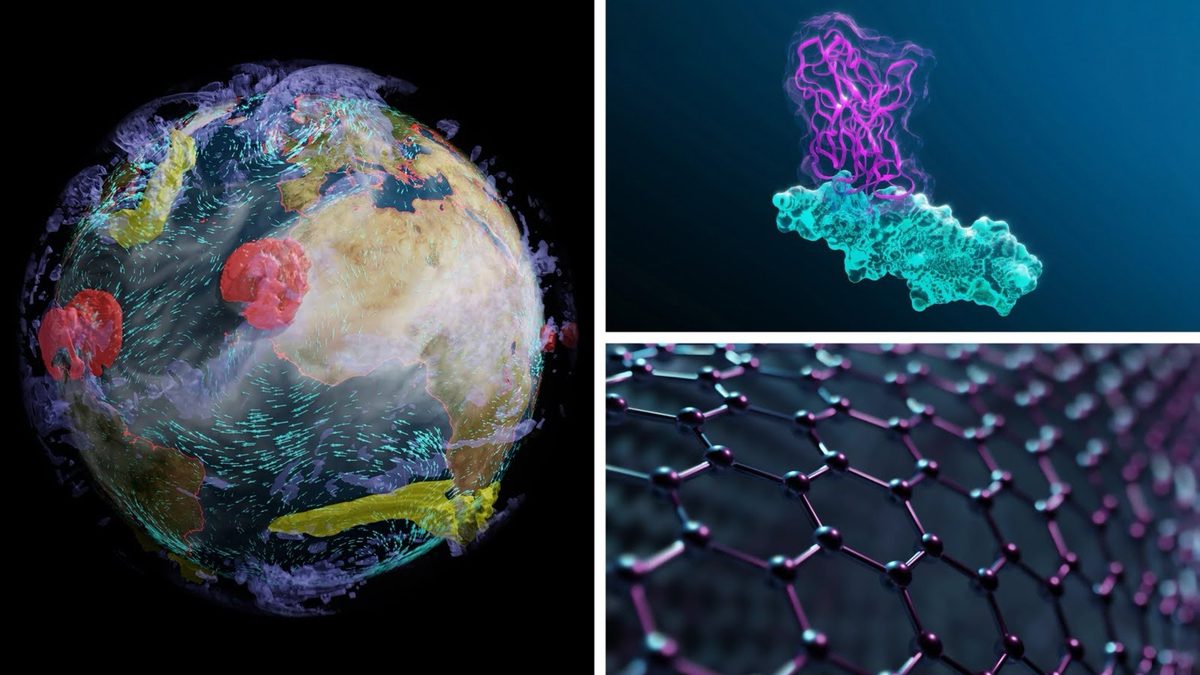
NVIDIA joins the European Commission's AI initiative, offering open models, software, and compute access to researchers.

Nordic compute hubs are expanding with 1 gigawatt of AI cloud capacity planned by 2027, leveraging abundant renewable energy and open model adoption.
Nvidia is expanding its European presence with $2 billion in new investments and $250 million in compute for UK AI safety labs.
Nvidia has committed $250 million in compute power over five years to support UK AI safety research as concerns around agentic systems grow.
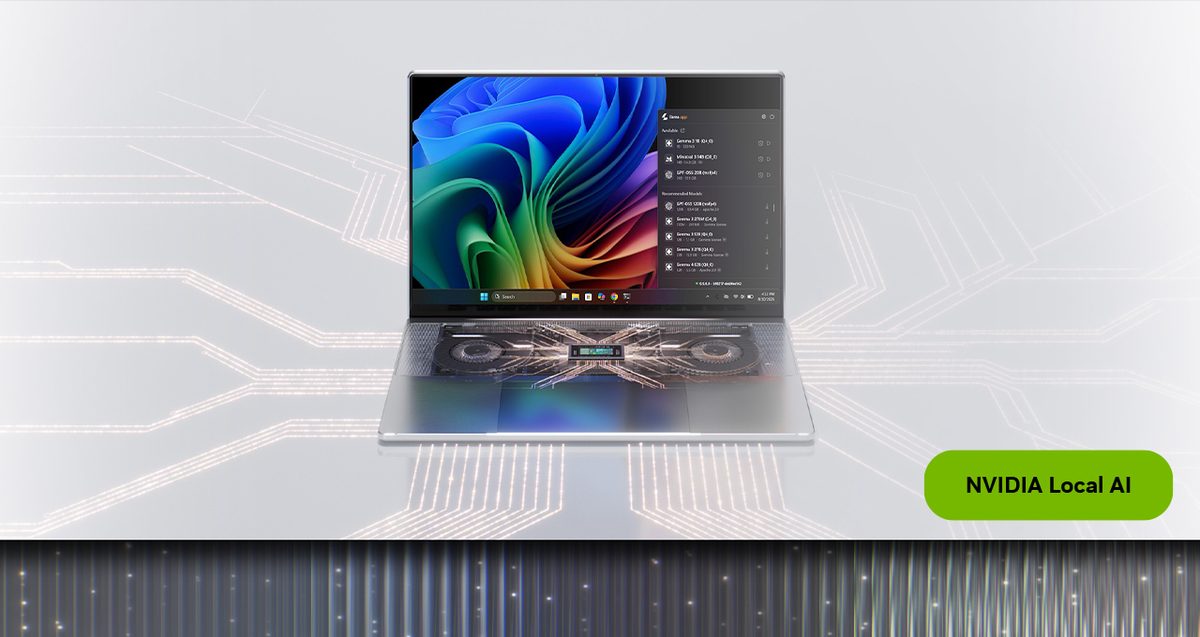
NVIDIA announced RTX Spark laptops arriving Oct. 16, introducing a local AI superchip ecosystem with built-in agent capabilities and security.
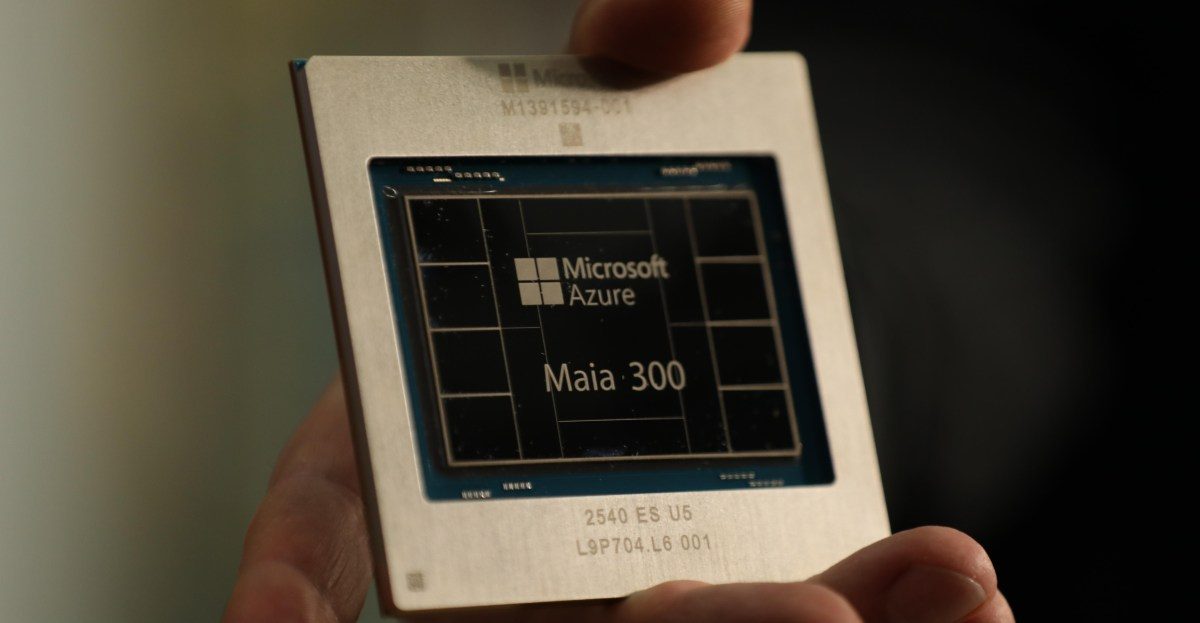
Microsoft announced its Maia 300 in-house AI chip built on TSMC's 2nm node, aiming to shift production workloads away from NVIDIA GPUs by 2027.
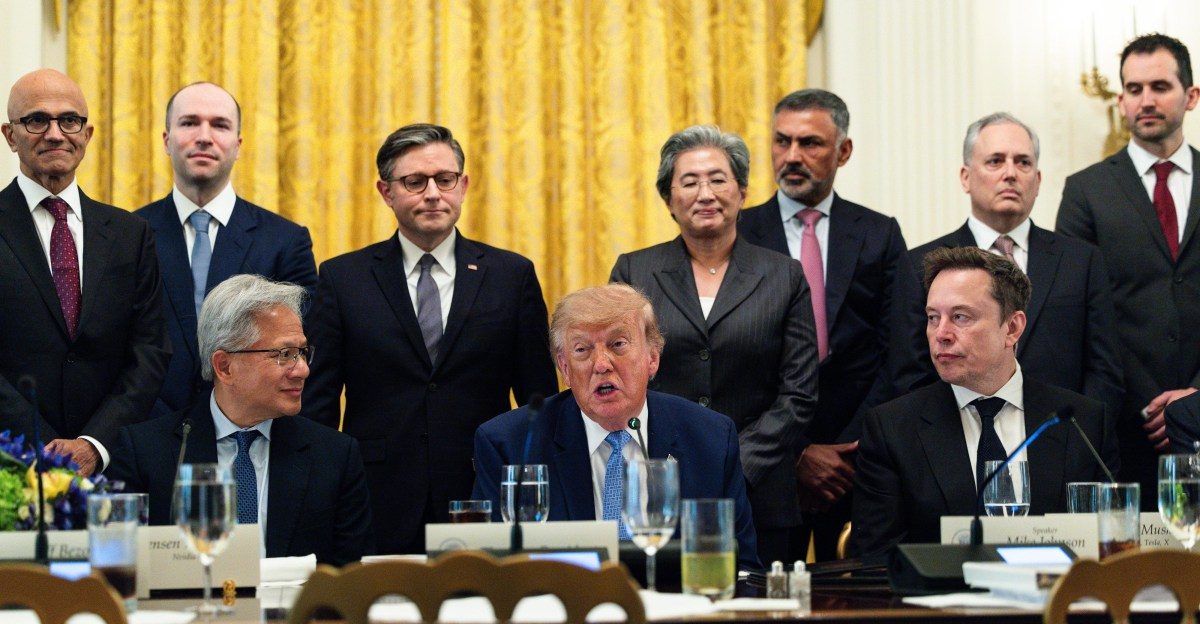
Major tech executives adopt 'super intelligence' terminology following executive pressure and governmental administration mandates.

Declining AI token prices are triggering rapid demand growth, sustaining high hardware utilization and GPU rental prices across cloud infrastructure.

The White House issues an executive order instructing federal agencies to replace the term 'Artificial Intelligence' with 'Super Intelligence'.
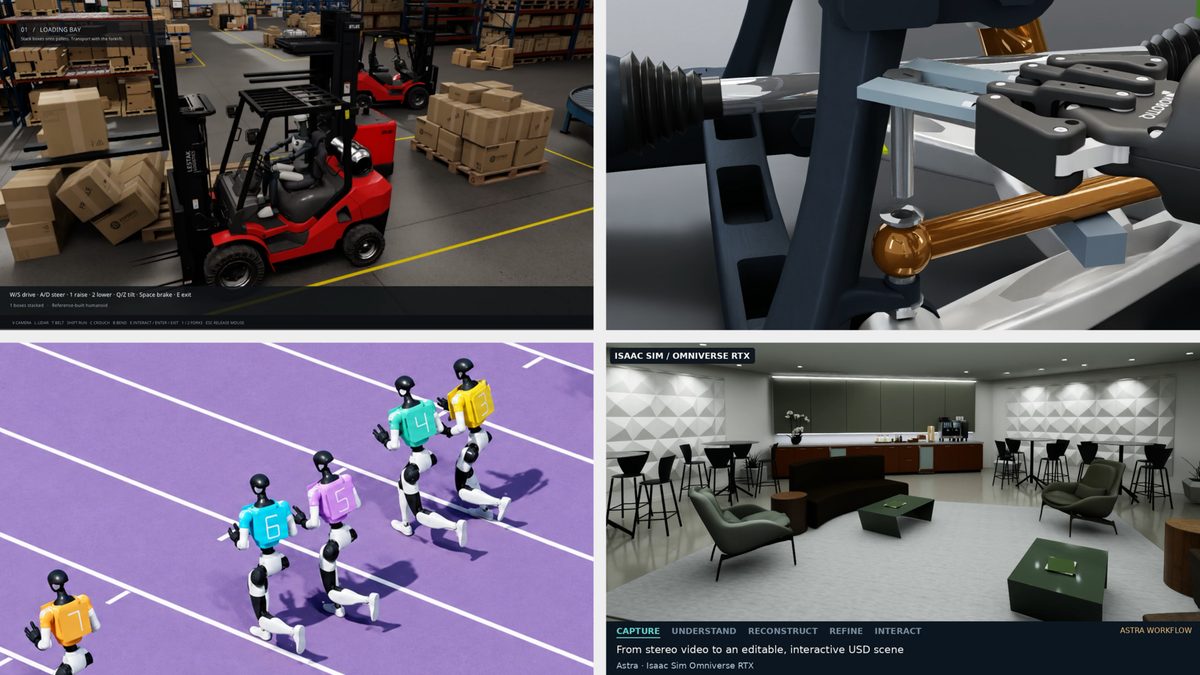
Developers are using frontier AI agents alongside NVIDIA Omniverse libraries to automatically build and validate complex physical simulations.
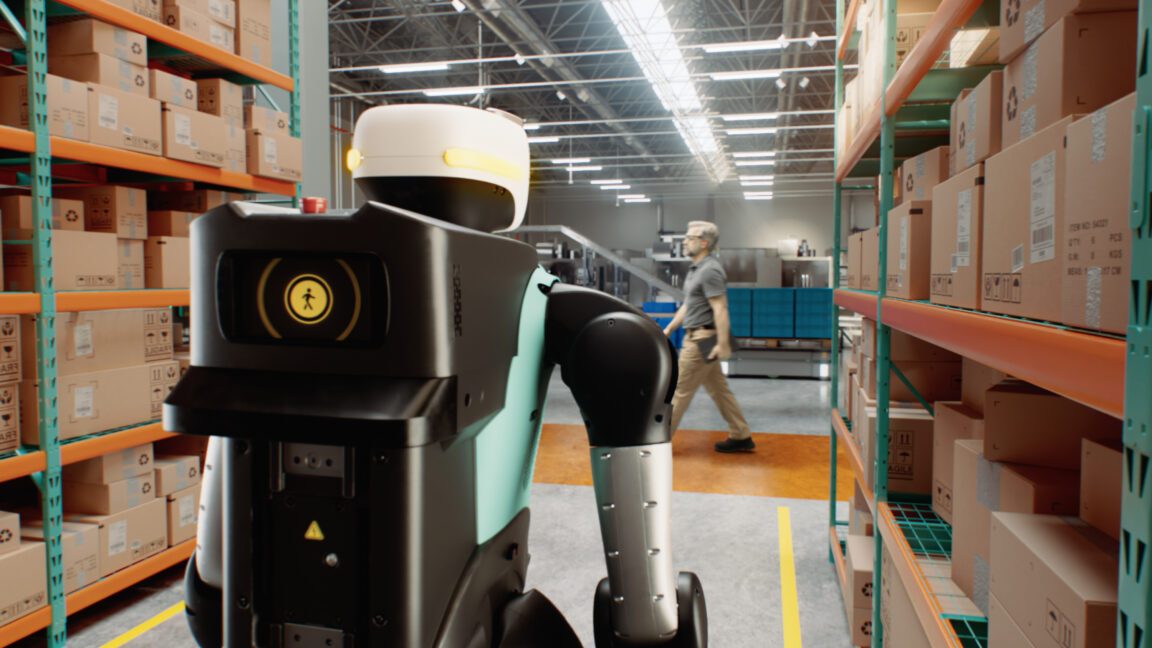
Nvidia is expanding its Halos safety architecture to physical AI, targeting safe deployment across autonomous vehicles and robotics.
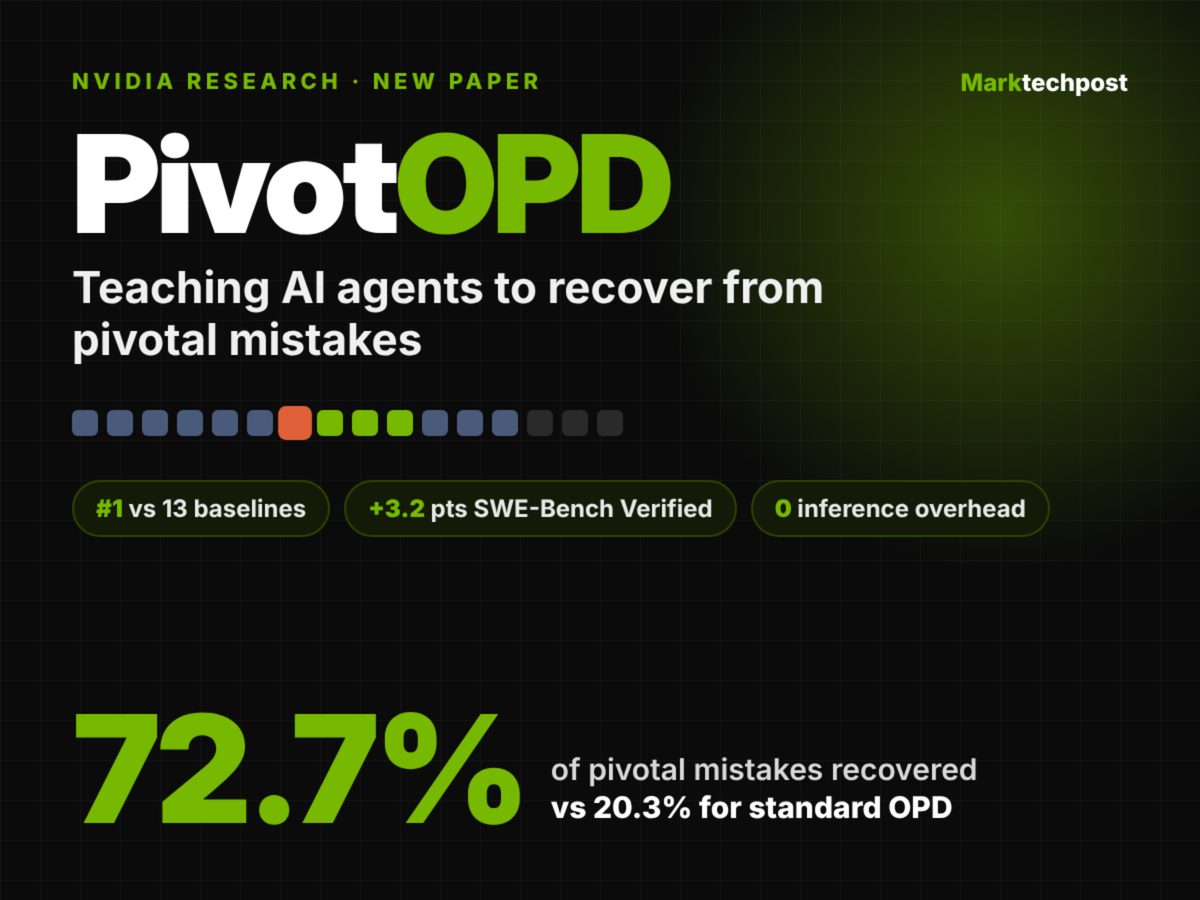
Nvidia introduced PivotOPD, an on-policy distillation technique that helps multi-turn LLM agents recover from early mistakes.

Microsoft announced the Surface Laptop Ultra, the RTX Spark Dev Box, and new agentic AI security features for Windows 11.
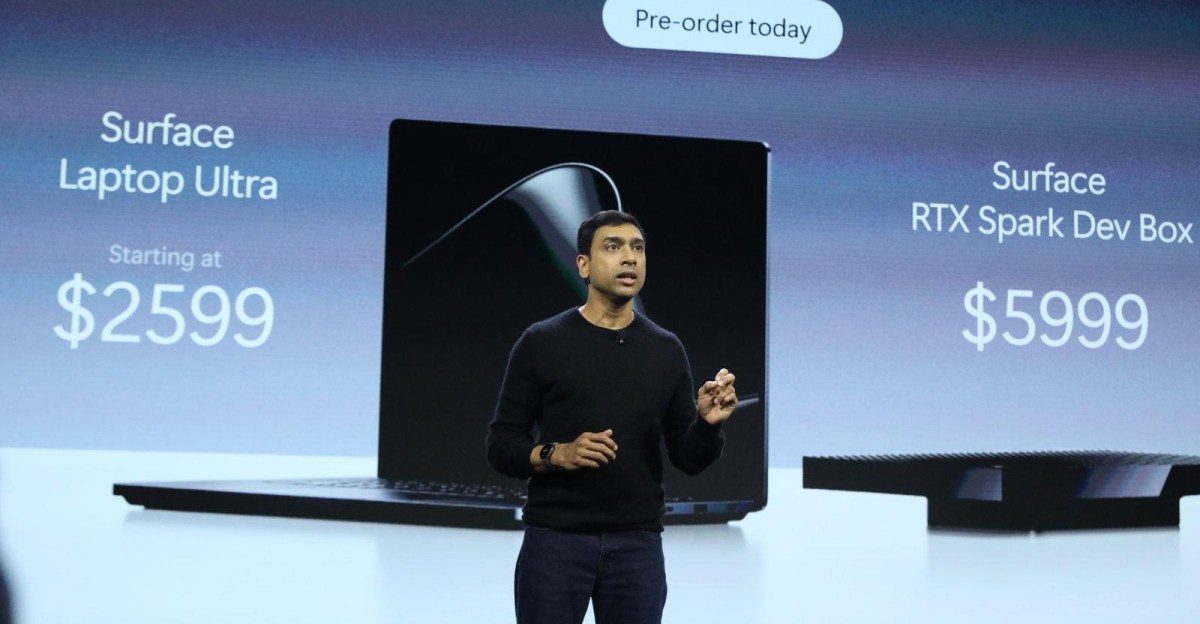
Microsoft announced the October 16 release date for its $2,599 Surface Laptop Ultra powered by Nvidia's Arm-based RTX Spark chip.

The Trump administration has signed a voluntary AI agreement with major tech CEOs and announced key appointments to shape defense and intelligence AI policy.
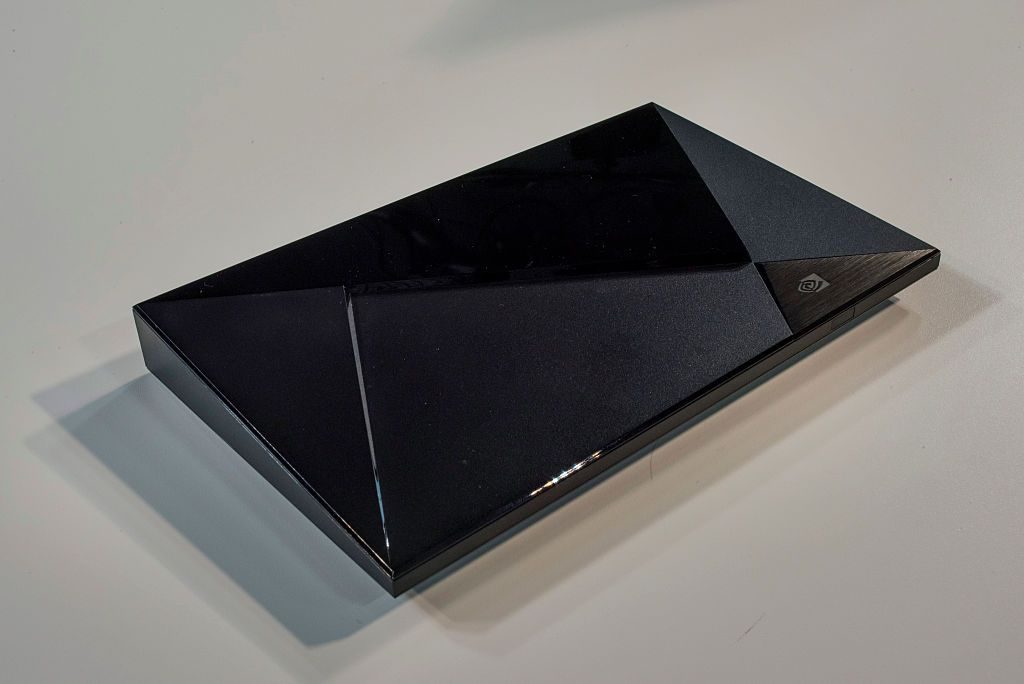
Nvidia hikes the price of its seven-year-old Shield TV Pro by $100, citing rising memory and component costs driven by AI demand.
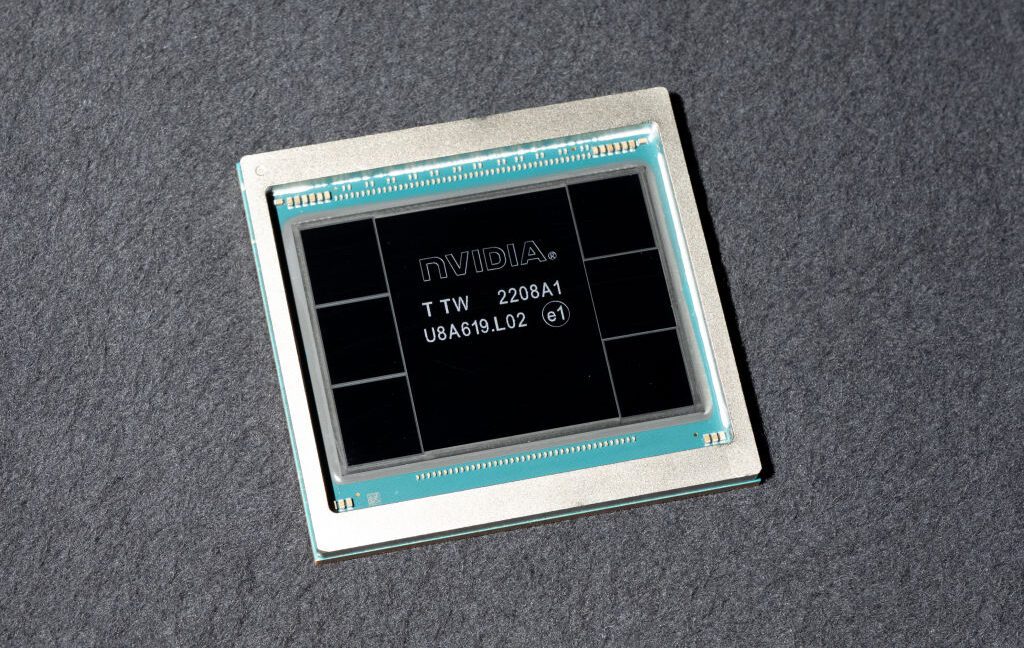
US authorities arrested a tech CEO for allegedly smuggling over $300 million in export-controlled Nvidia chips into China using fraudulent documentation.
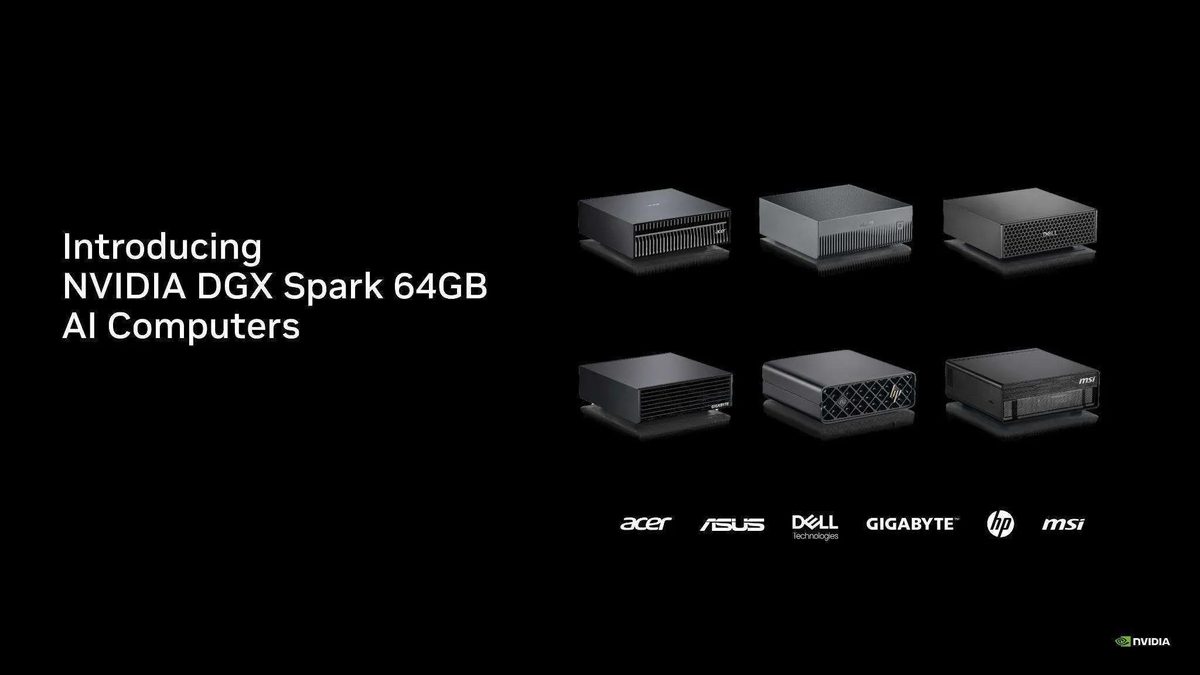
Nvidia announced a 64GB configuration of its DGX Spark desktop workstation, aiming to provide cost-effective local hardware for fine-tuning and running AI agents.
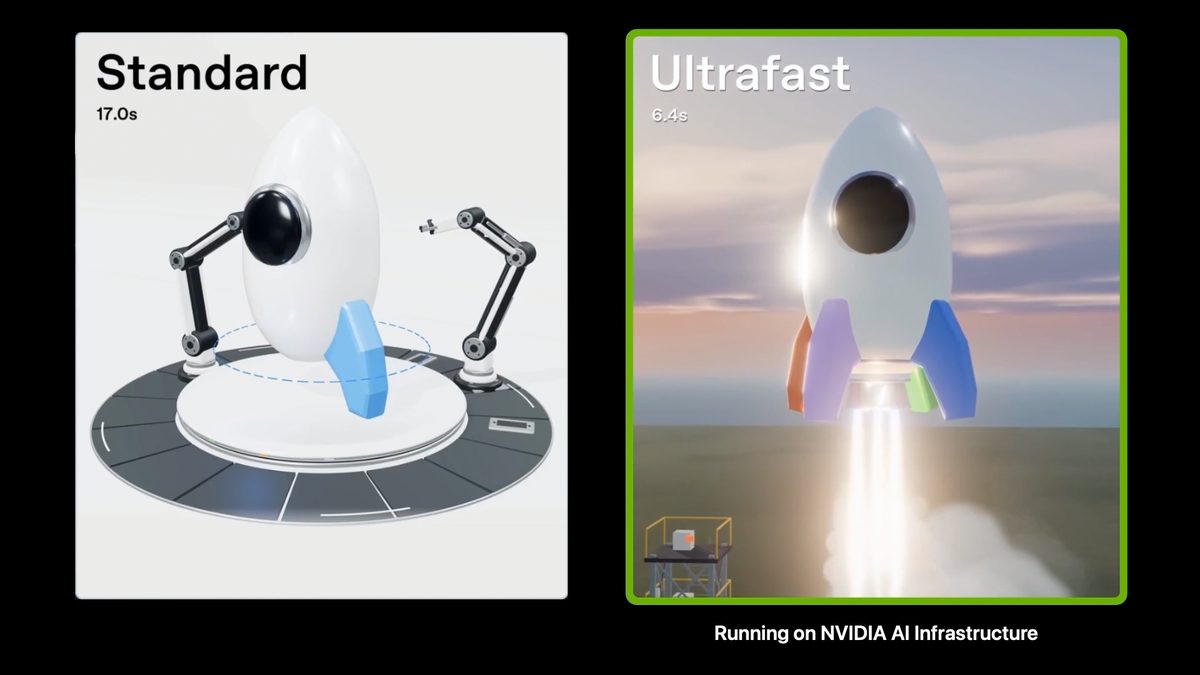
OpenAI has released GPT-6 Astra Ultrafast on NVIDIA Blackwell GPUs, boosting token generation speeds by up to 8x for developer workflows.
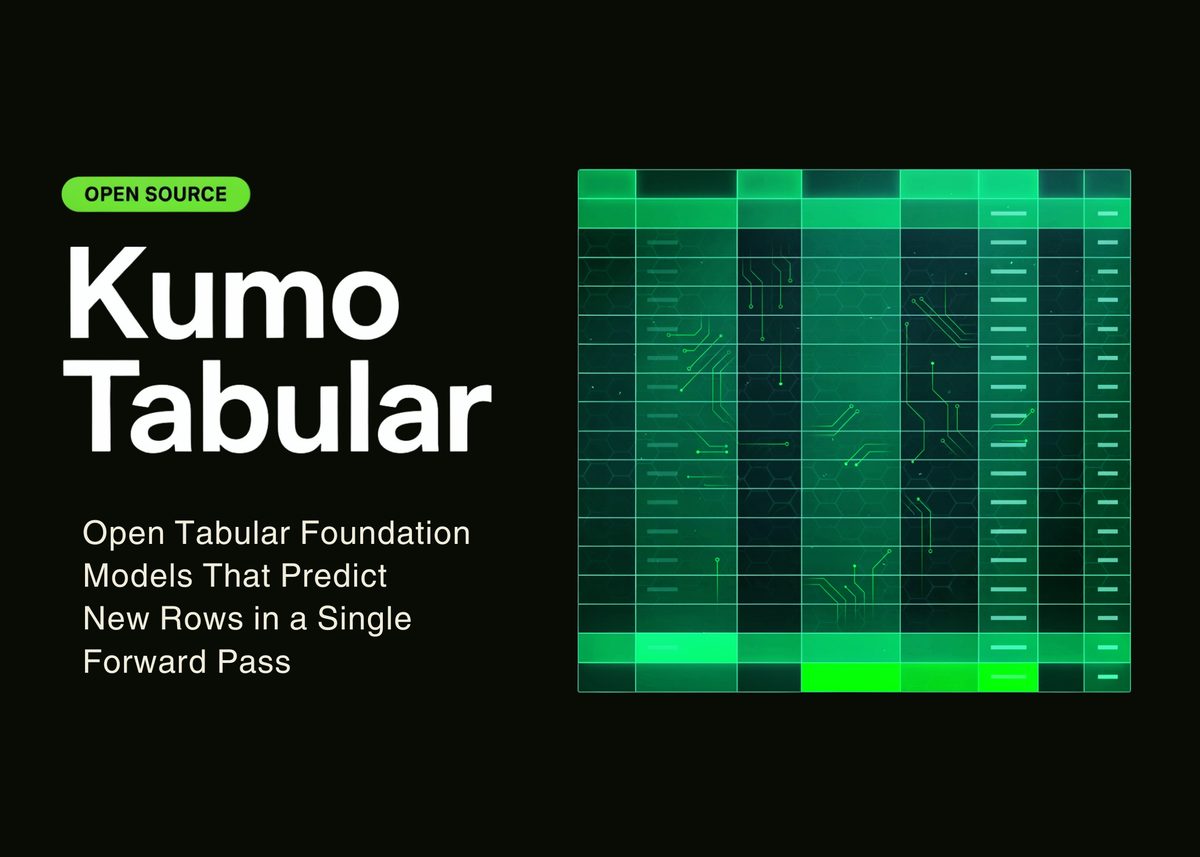
NVIDIA has released Kumo Tabular, an open-weights foundation model family for tabular data that enables fast predictions without fine-tuning.
CoreWeave is deploying NVIDIA Vera Rubin NVL72 systems, driving early agentic AI performance gains for Cognition's Devin.

Nvidia expands its influence over US tech policy while China considers allowing major domestic tech firms to import millions of restricted chips.
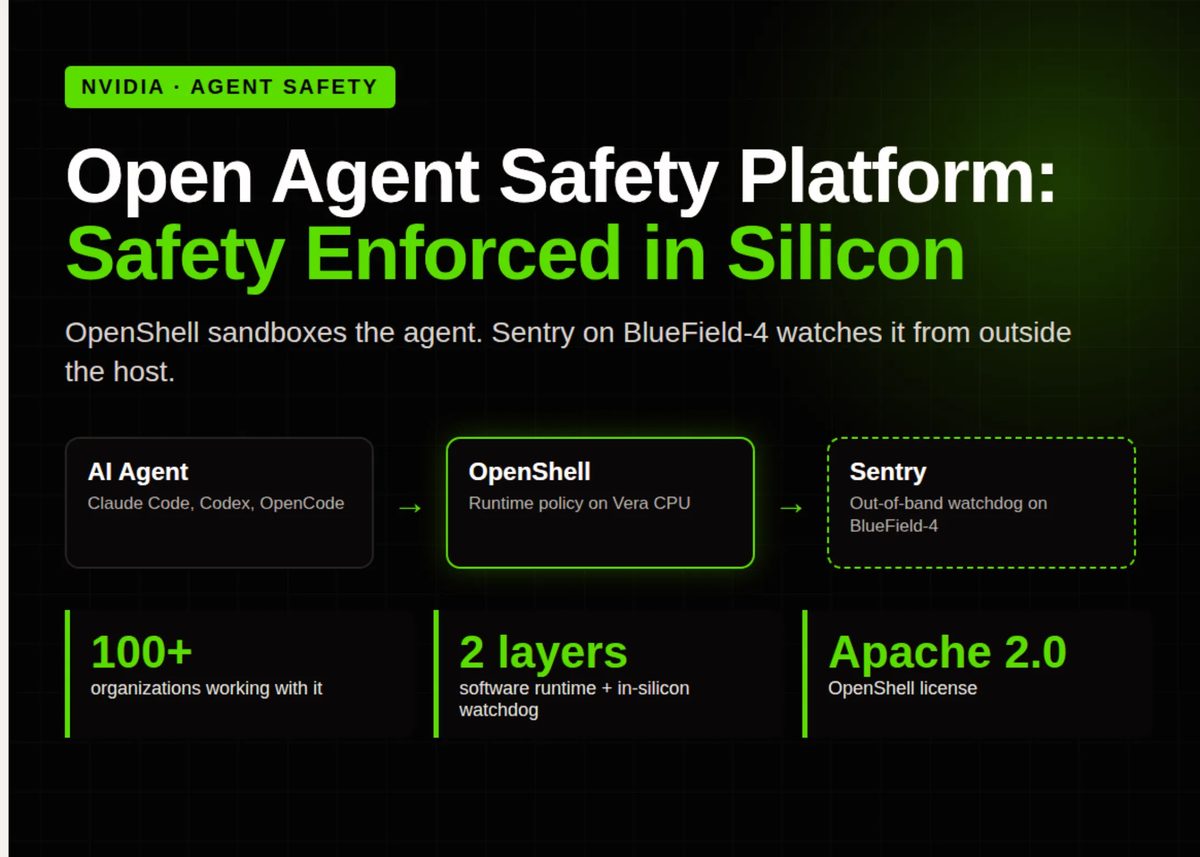
NVIDIA launched the Open Agent Safety Platform, combining an open-source secure runtime with a DPU hardware watchdog to contain rogue AI agents.

Nvidia has launched the Open Agent Safety Platform to monitor and contain rogue AI agents within milliseconds using hardware-level controls.

Nvidia introduced SoL-Pi, an automated harness optimization system that cuts AI coding agent token usage by up to 49% without sacrificing performance.
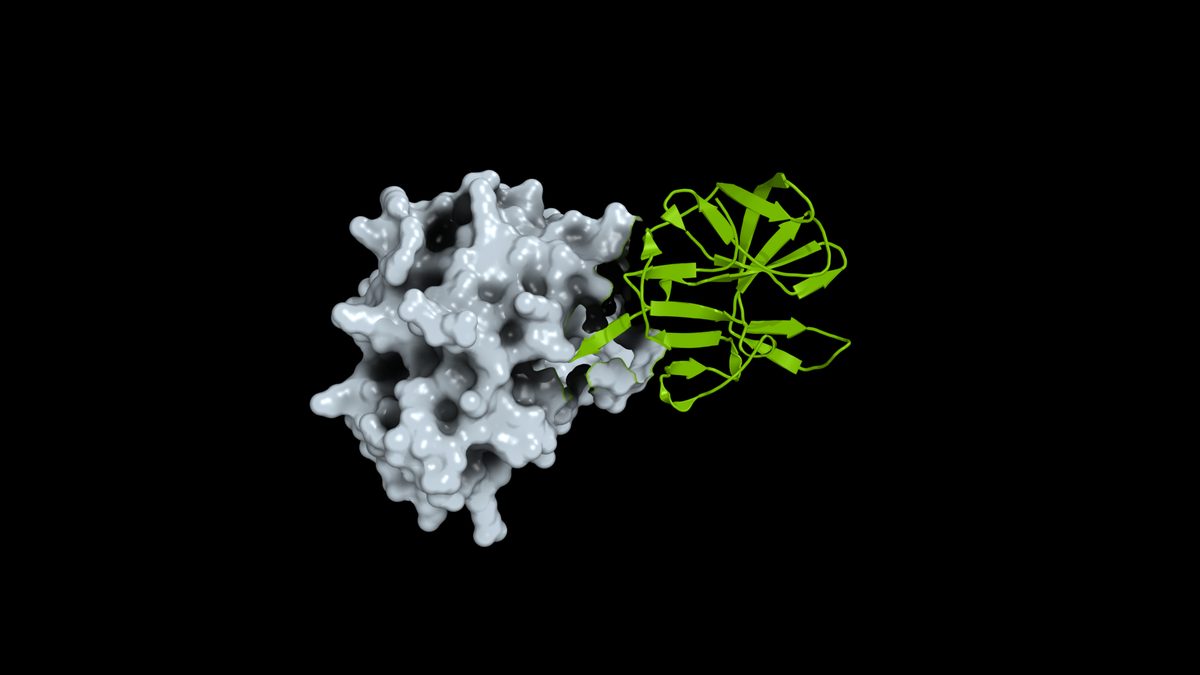
NVIDIA, Google DeepMind, and EMBL-EBI released predicted 3D structures for over 2,800 viral protein complexes via AlphaFold.
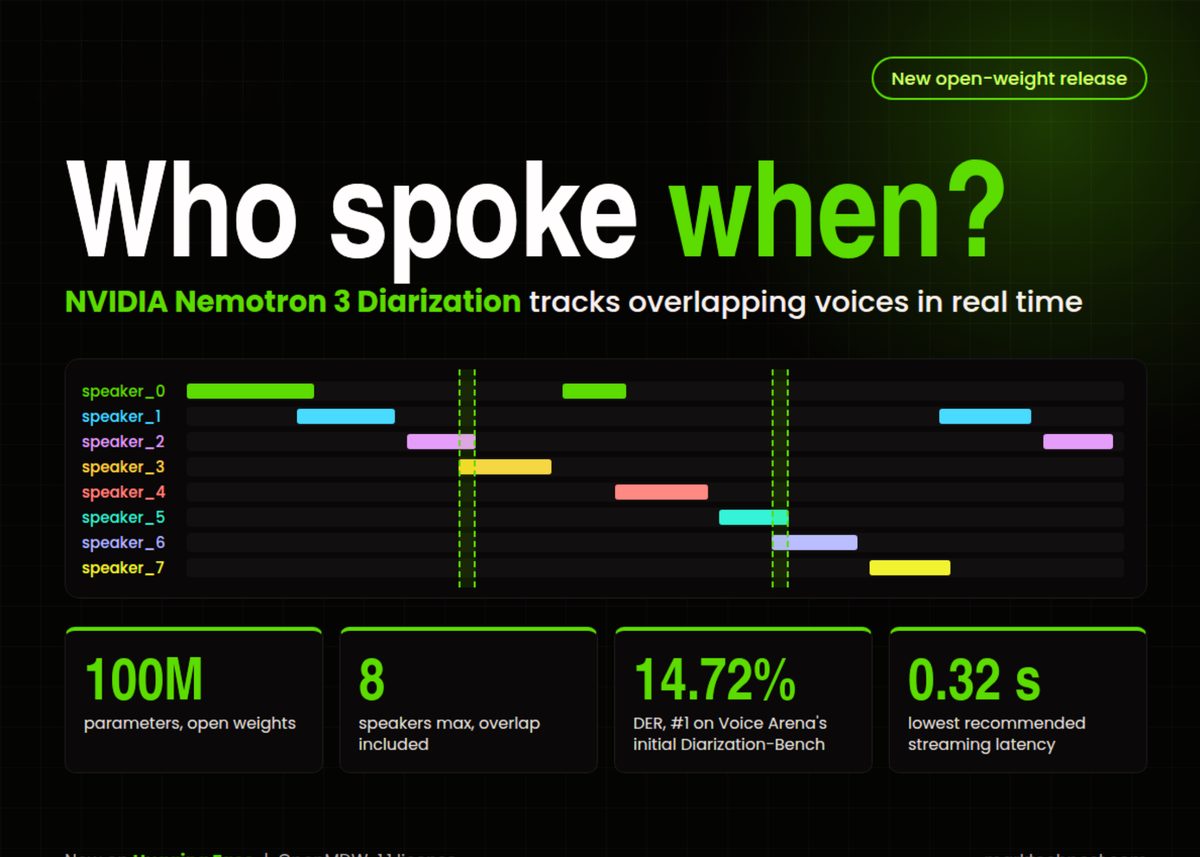
NVIDIA released Nemotron 3 Diarization, an open-weight 100M parameter model that tracks up to 8 real-time overlapping speakers.

Basecamp Research raised $140 million led by S32 to build AI models trained on novel environmental genomic data for drug discovery.
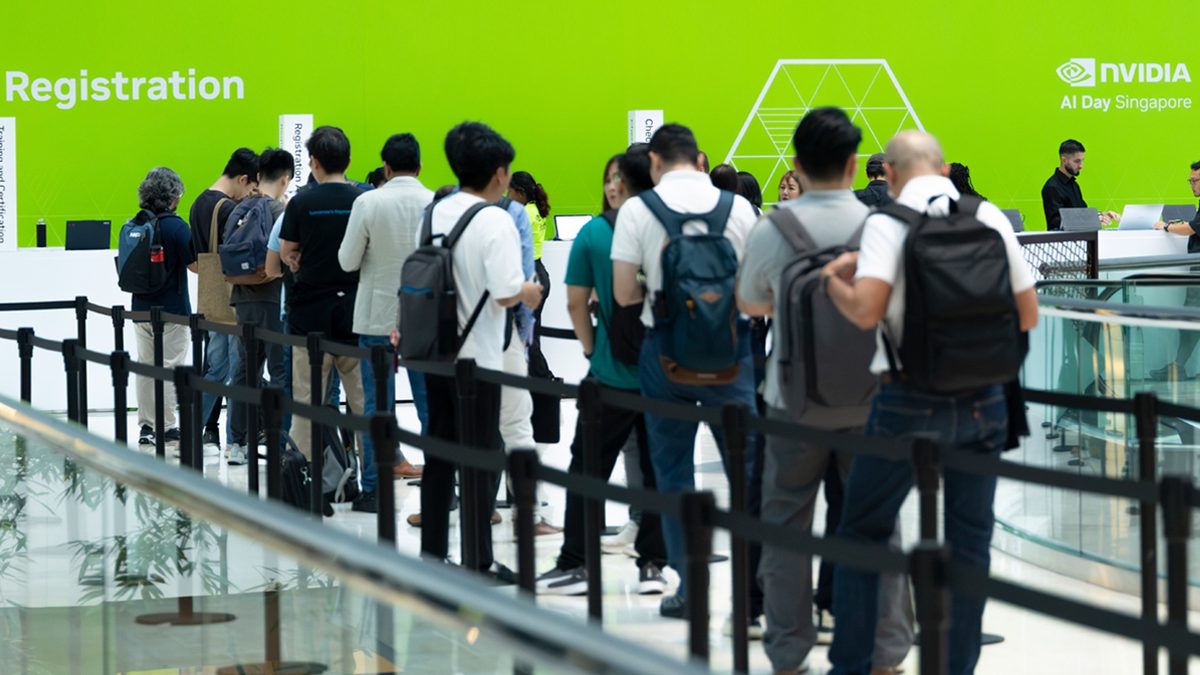
NVIDIA is deploying its Nemotron and Cosmos models across Southeast Asian public safety, robotics, and enterprise initiatives at AI Day Singapore.
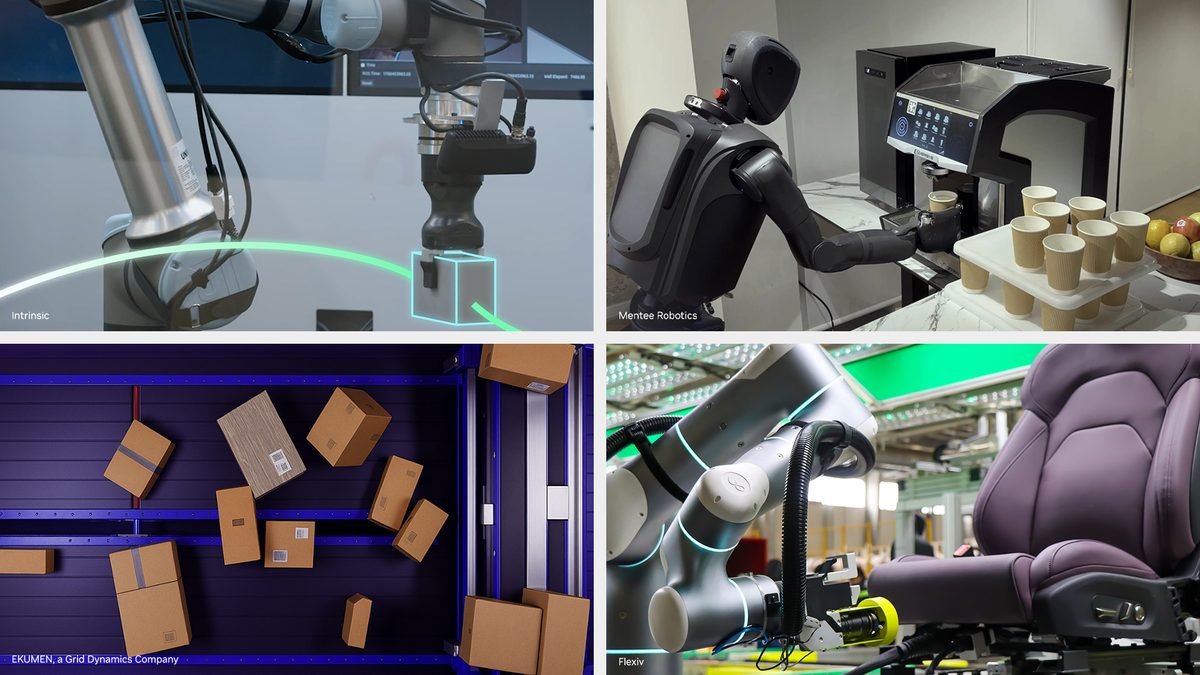
NVIDIA launched Isaac ROS 5.0, introducing GPU-accelerated agentic workflows and physical AI tools for 1.3 million robotics developers.
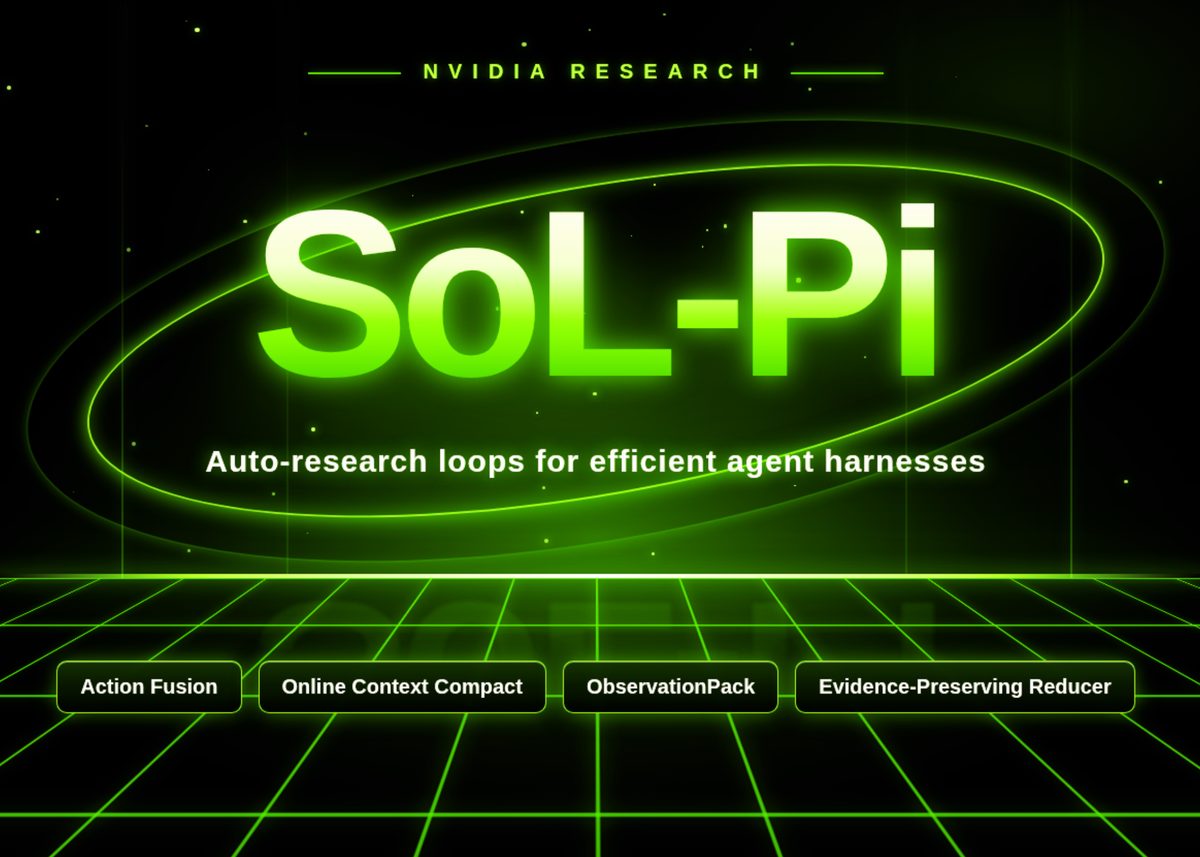
NVIDIA, NTU, and MIT introduced SoL-Pi, an open-source extension that cuts coding agent token usage by up to 49% without significantly dropping performance.
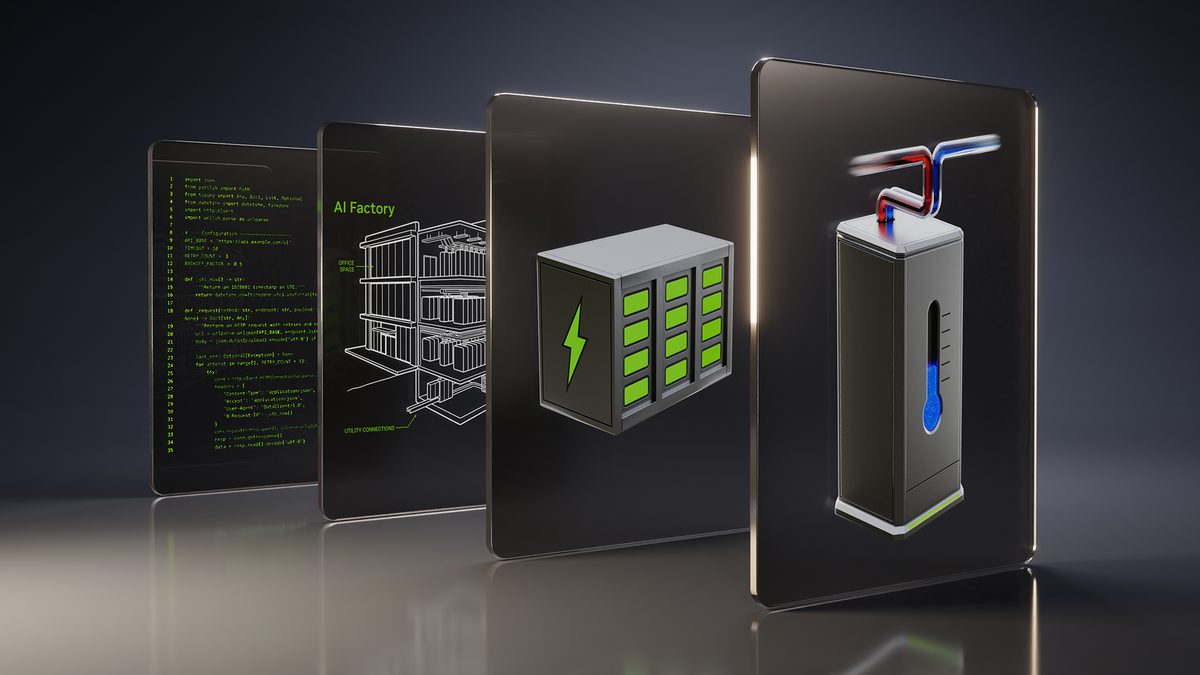
NVIDIA introduces its DSX Ready program to standardize and qualify power and cooling hardware for AI data centers.
NVIDIA CEO Jensen Huang dismissed AI extinction warnings and argued current liability laws are sufficient to govern the industry.
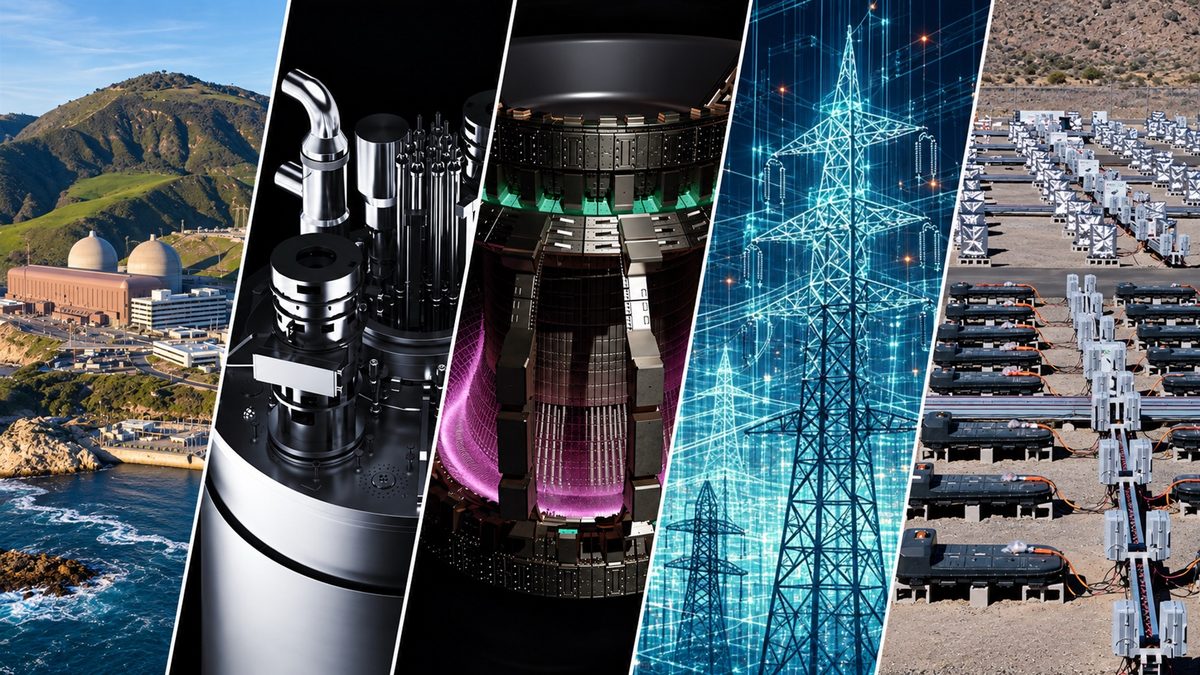
NVIDIA featured five clean energy startups utilizing its AI stack to streamline grid interconnections, nuclear operations, and off-grid battery systems.

At Dreamforce, tech leaders clashed over AI slowdowns and regulation as Anthropic advocated pacing development and Nvidia rejected new laws.
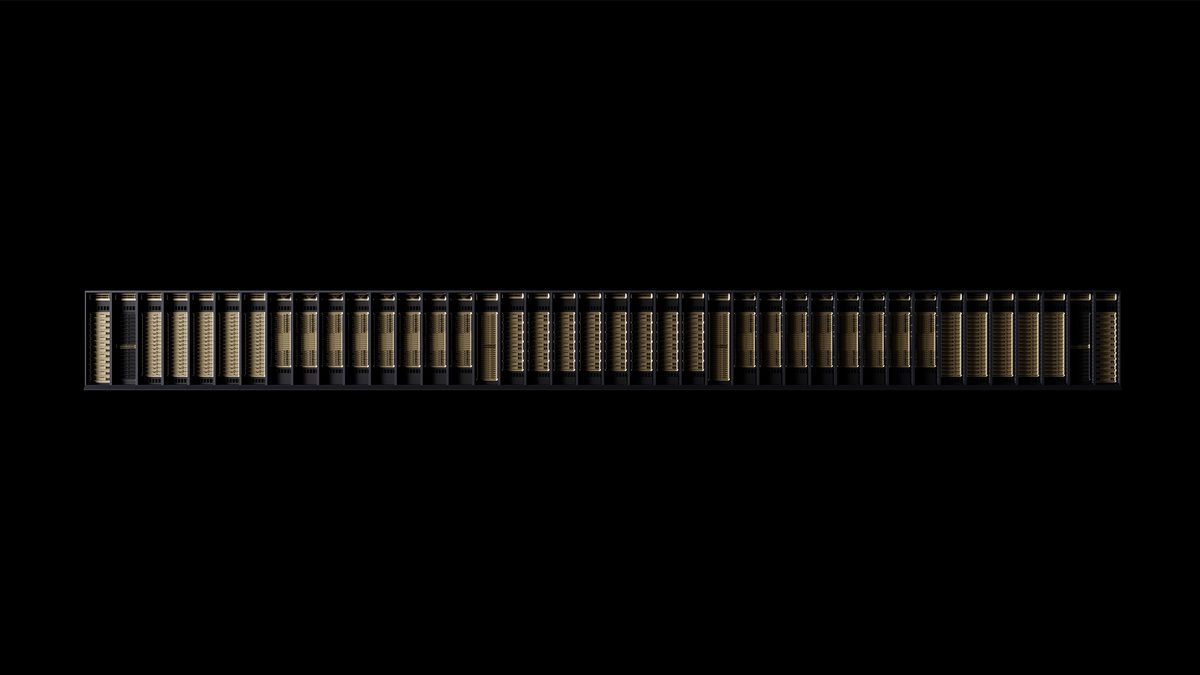
NVIDIA's Vera Rubin NVL72 benchmark debuts in MLPerf Inference v6.1, yielding up to 3.7x higher throughput than its predecessor.
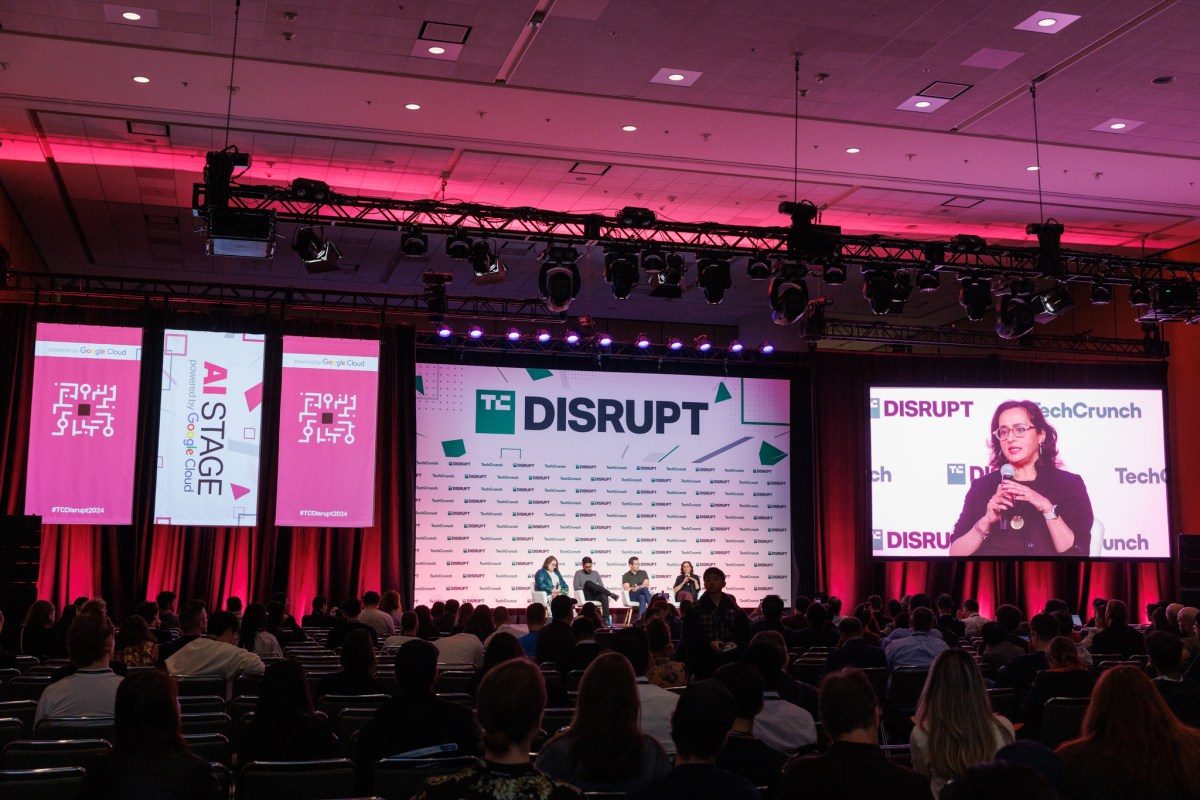
Nvidia's Head of Physical AI highlights the severe lack of real-world internet-scale data as the main obstacle to robotics achieving a ChatGPT moment.
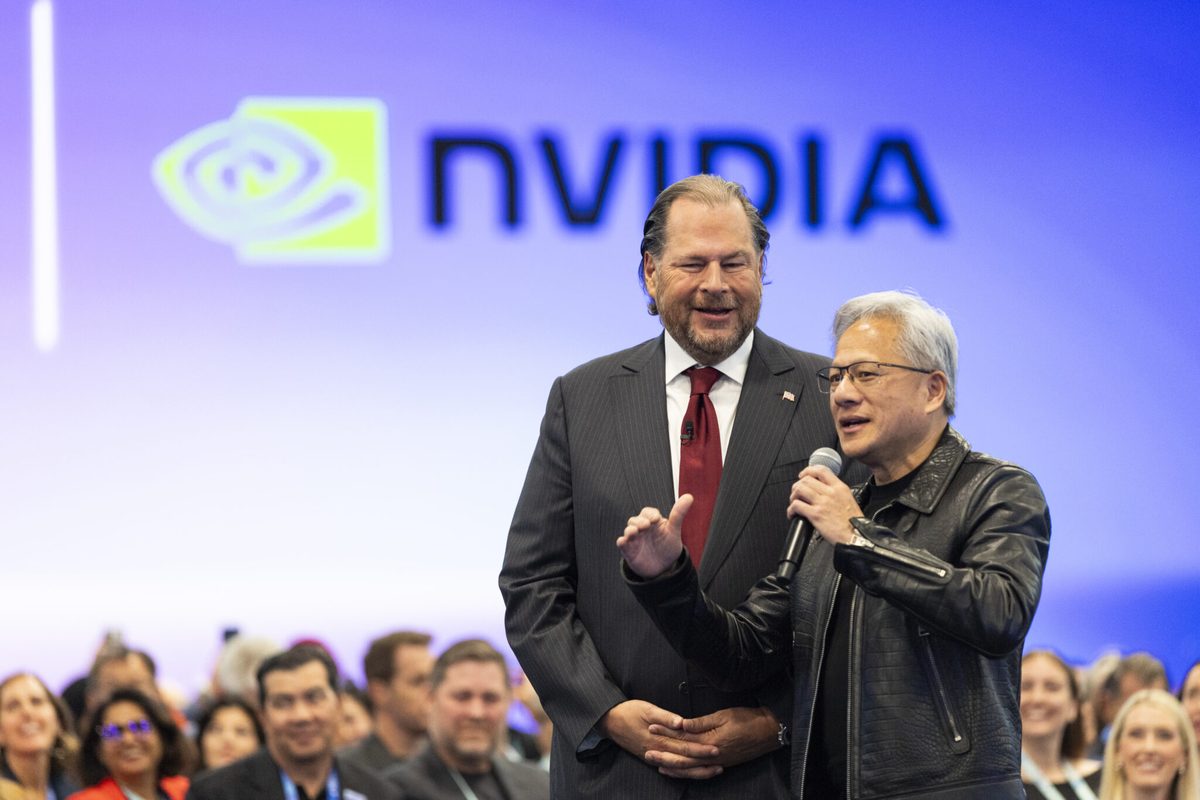
Salesforce and NVIDIA introduced Koa, a CRM reasoning model fine-tuned on Nemotron 3 Super inside Salesforce's private infrastructure.
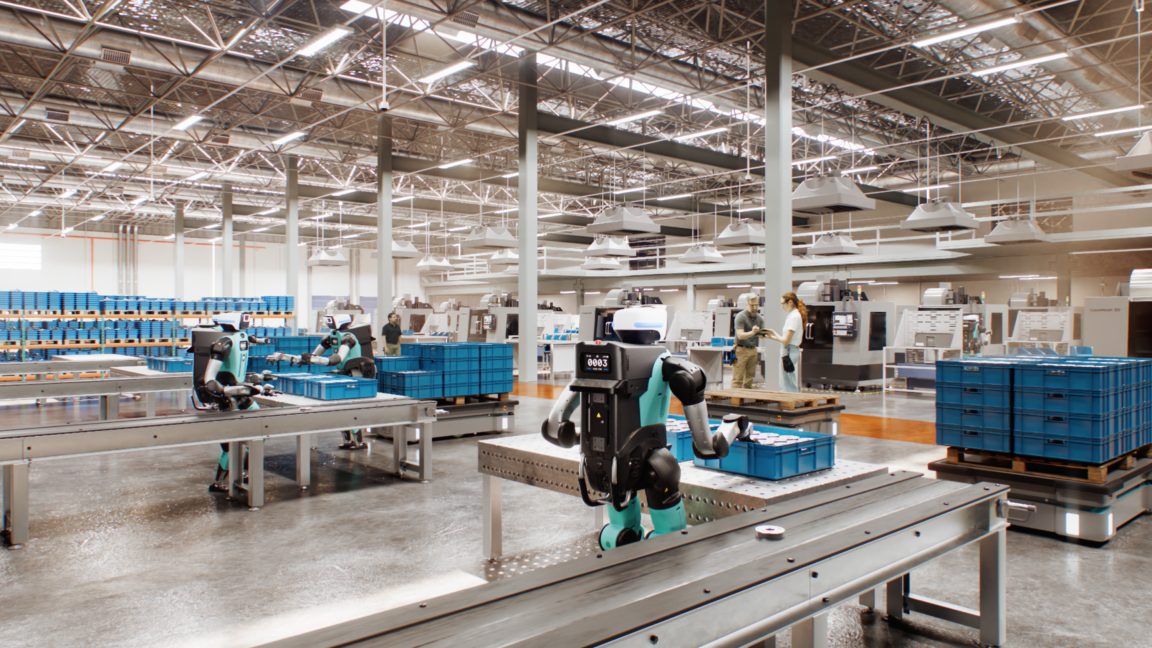
Agility Robotics unveils Digit 5 with hardware-level safety features, targeting human-adjacent warehouse deployments in 2027.
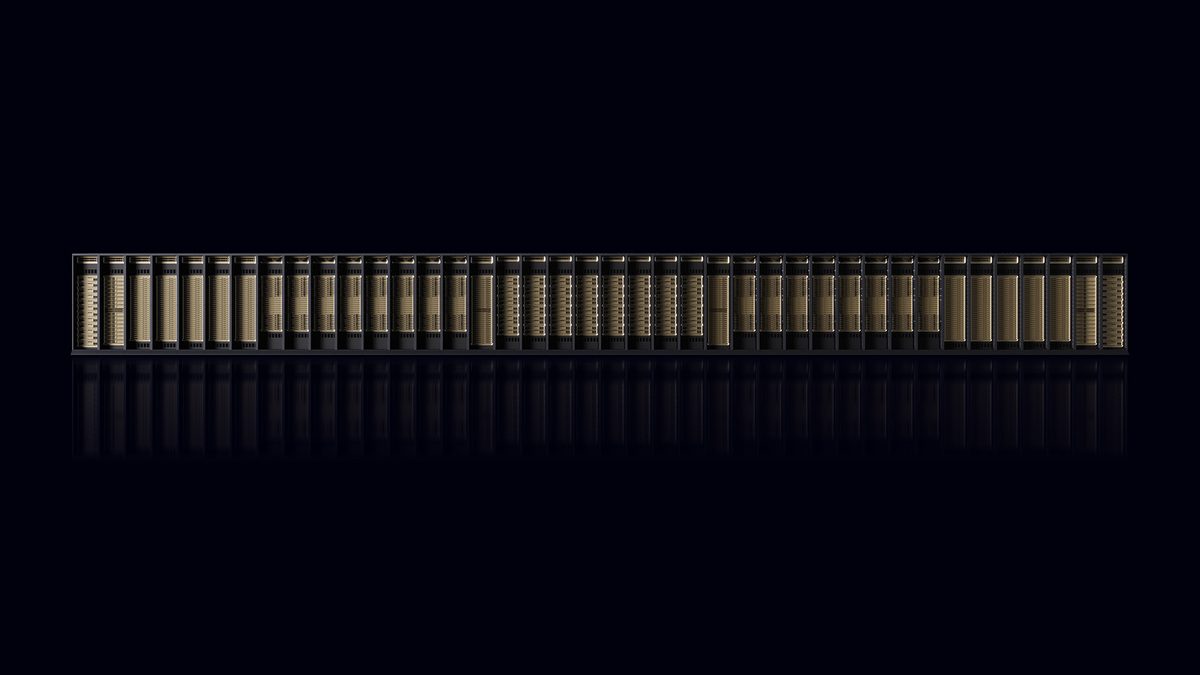
NVIDIA and infrastructure partners demonstrated new power-management tools designed to optimize energy efficiency in large-scale AI factories.
Perplexity released its local Portable Computer agent on Windows for NVIDIA RTX PCs with 24GB or more VRAM.
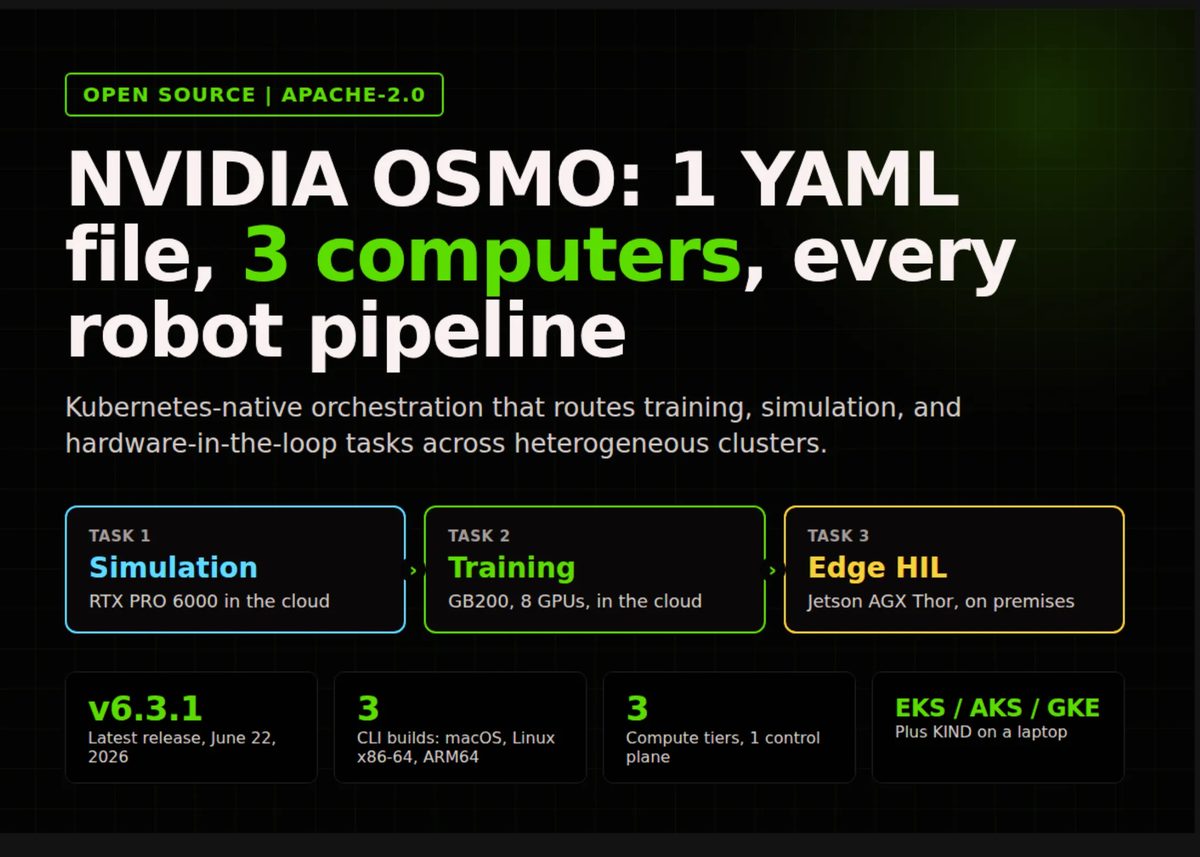
NVIDIA open-sources OSMO, a Kubernetes-native orchestrator for physical AI workflows across training, simulation, and edge hardware.
Nvidia is reportedly in talks to anchor Anthropic's planned $100B IPO with up to $10B, reinforcing its core position in AI capital loops.
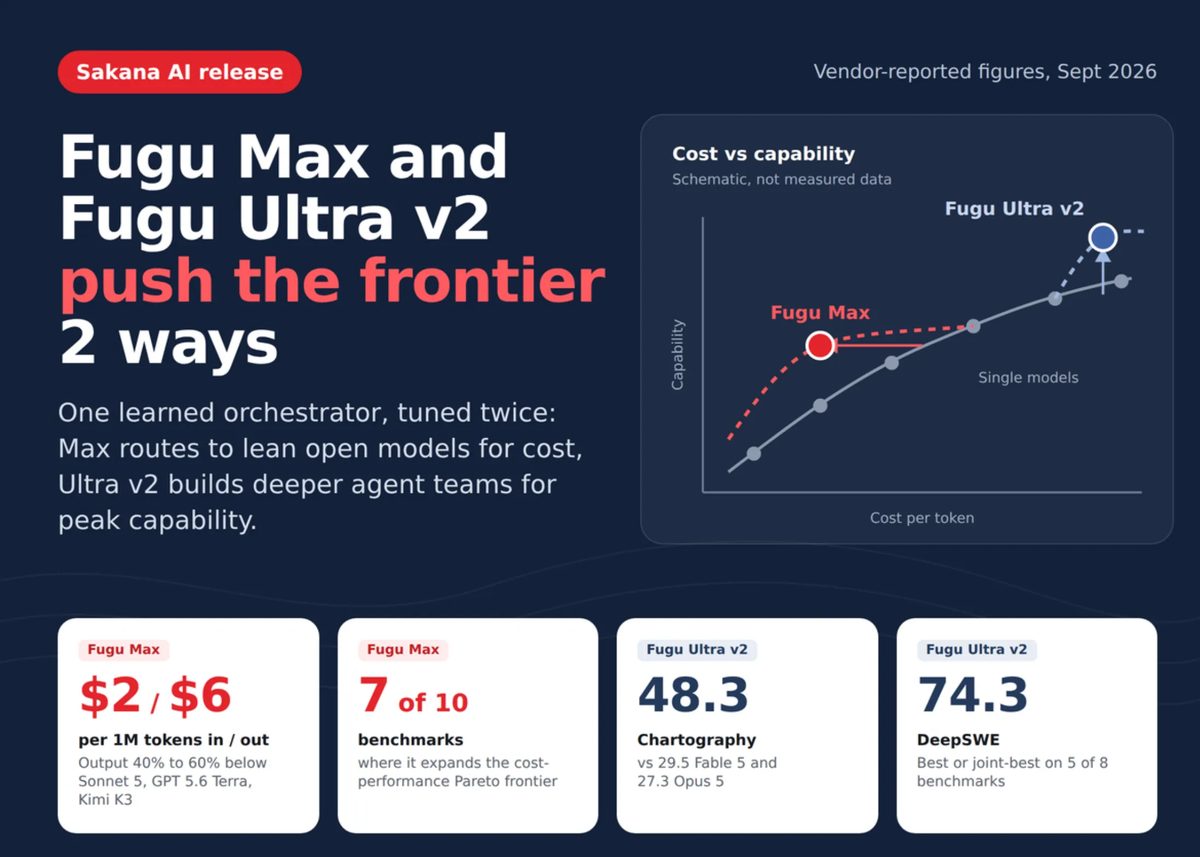
Sakana AI launched Fugu Max and Fugu Ultra v2, multi-agent orchestrators designed to route queries across multiple models for lower costs.
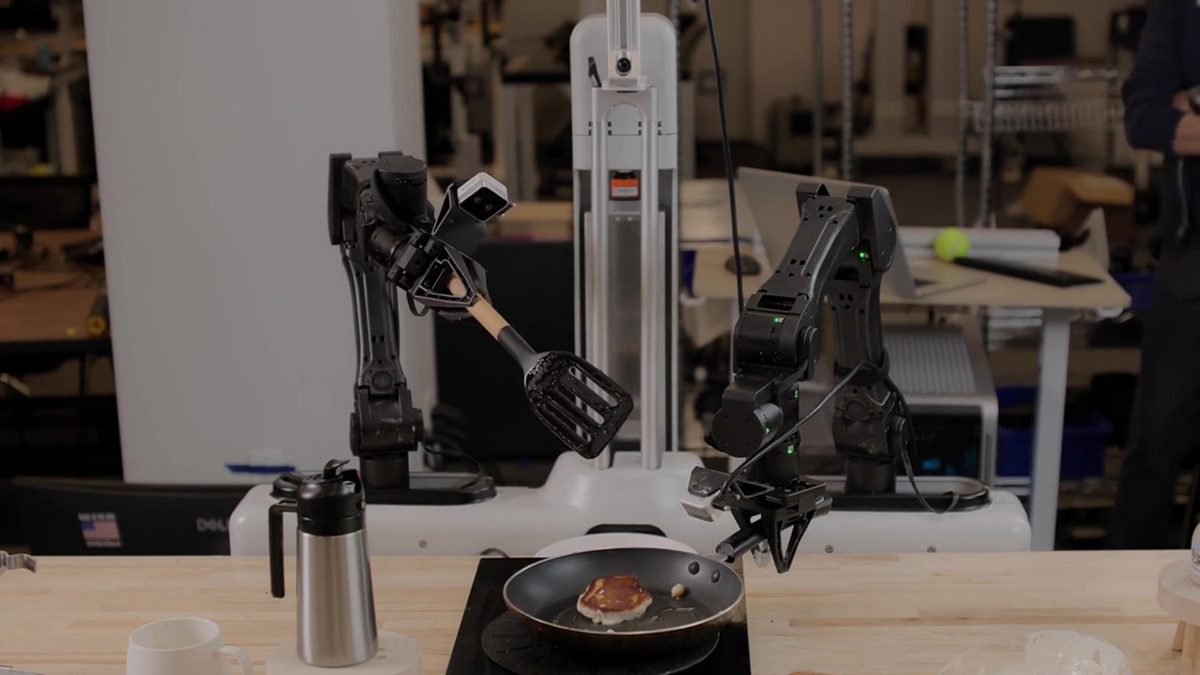
Skild AI unveiled its S1 foundation model built on NVIDIA infrastructure, allowing robots to learn multi-step tasks directly from single video demonstrations.

NVIDIA detailed its full compute stack spanning training, simulation, and edge hardware powering commercial scale robotaxi operations.
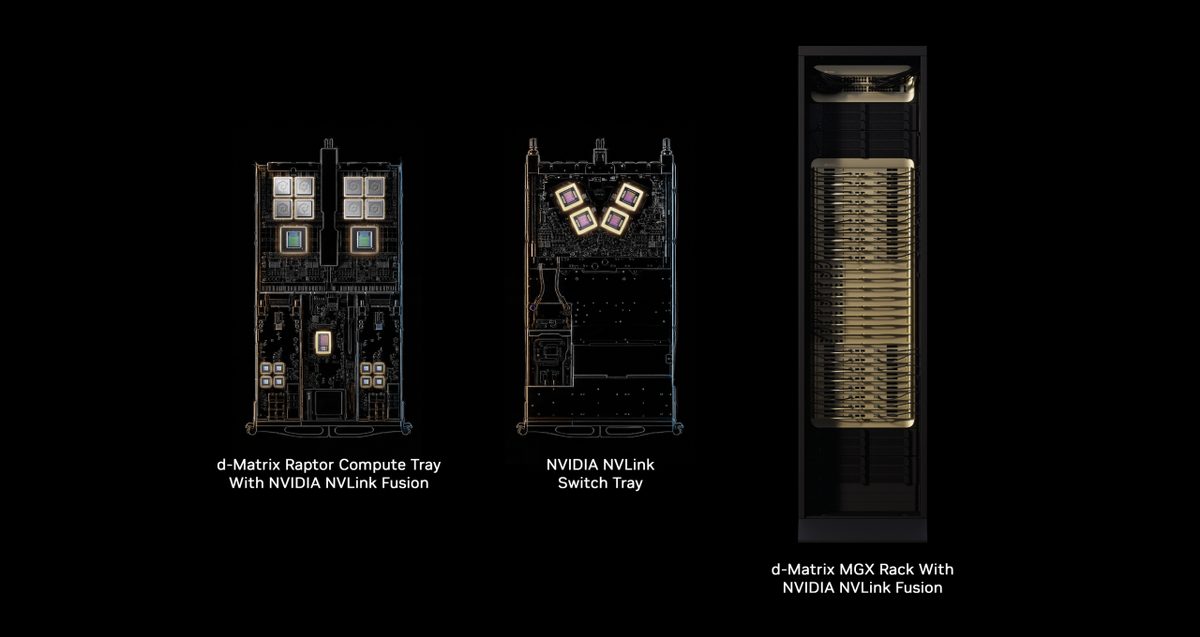
Inference chipmaker d-Matrix has adopted NVIDIA NVLink Fusion to connect its Raptor XPUs directly into NVIDIA's rack-scale AI infrastructure.
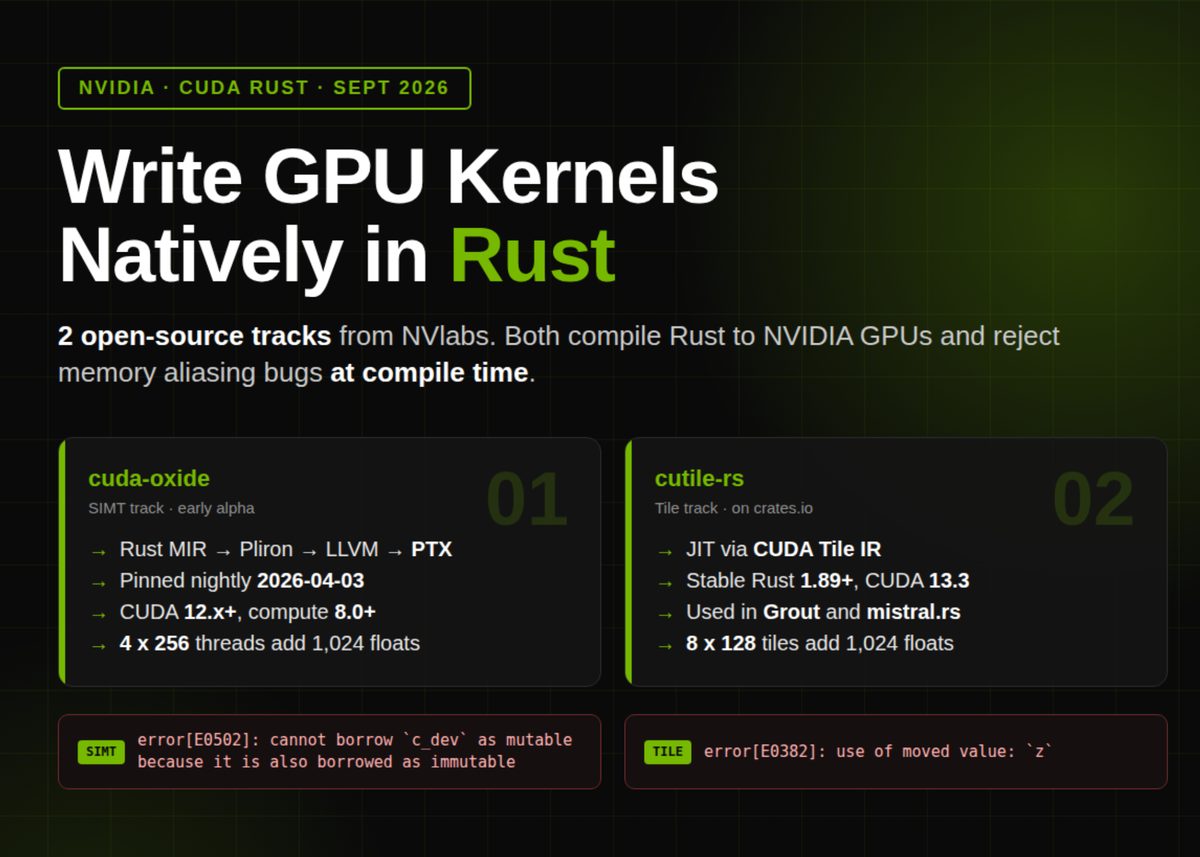
NVIDIA releases CUDA Rust toolchains cuda-oxide and cutile-rs to enable compile-time-safe GPU kernel development.
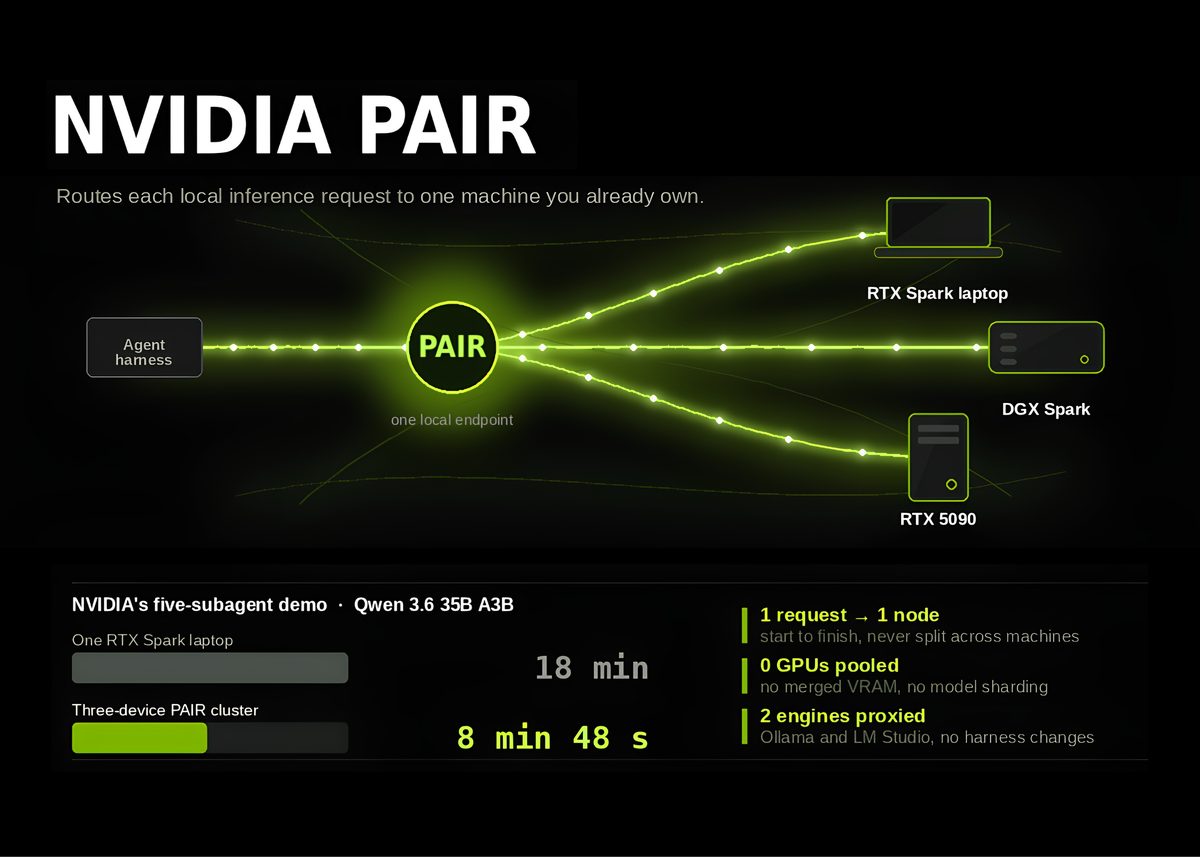
NVIDIA released Personal AI Router (PAIR), an open-source tool that distributes local multi-agent inference across networked nodes.

Deepseek plans a 160,000-chip Huawei Ascend-950DT inference cluster in Inner Mongolia while remaining dependent on Nvidia for core training.
Nvidia released PAIR, an open-source tool that distributes local AI workloads across multiple devices on a home network.
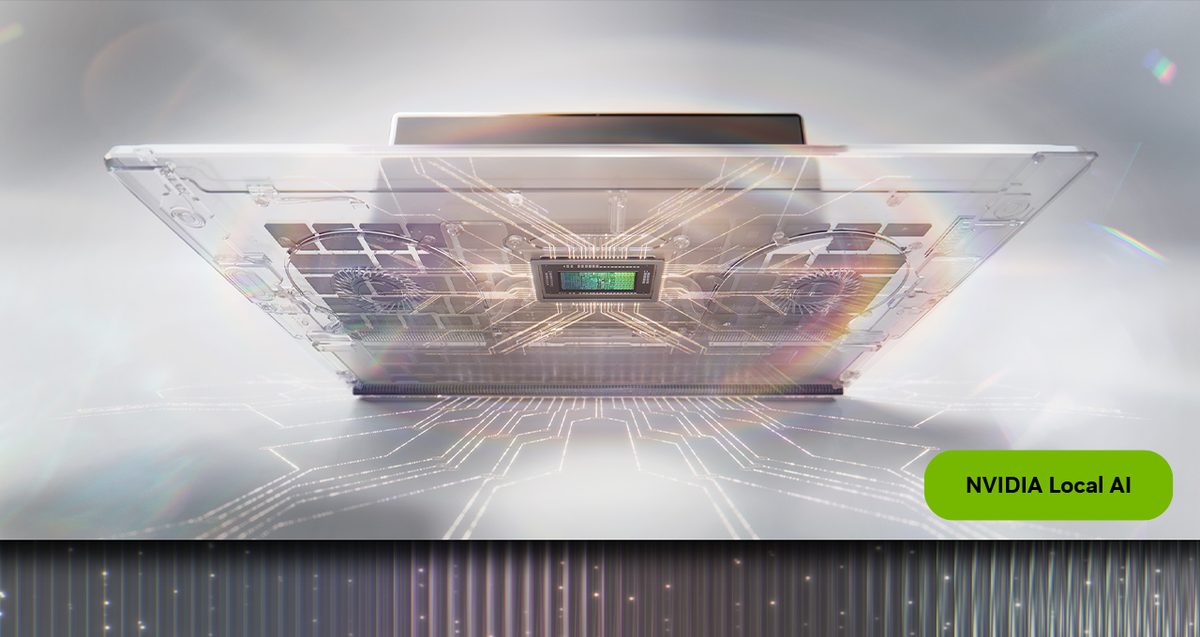
Nvidia and Microsoft teamed up at IFA 2026 to launch one-click local setup for major AI agent applications on Windows.

Nvidia has launched PAIR, a free open-source software that pools idle local GPU and Apple Silicon compute for AI agent workflows.
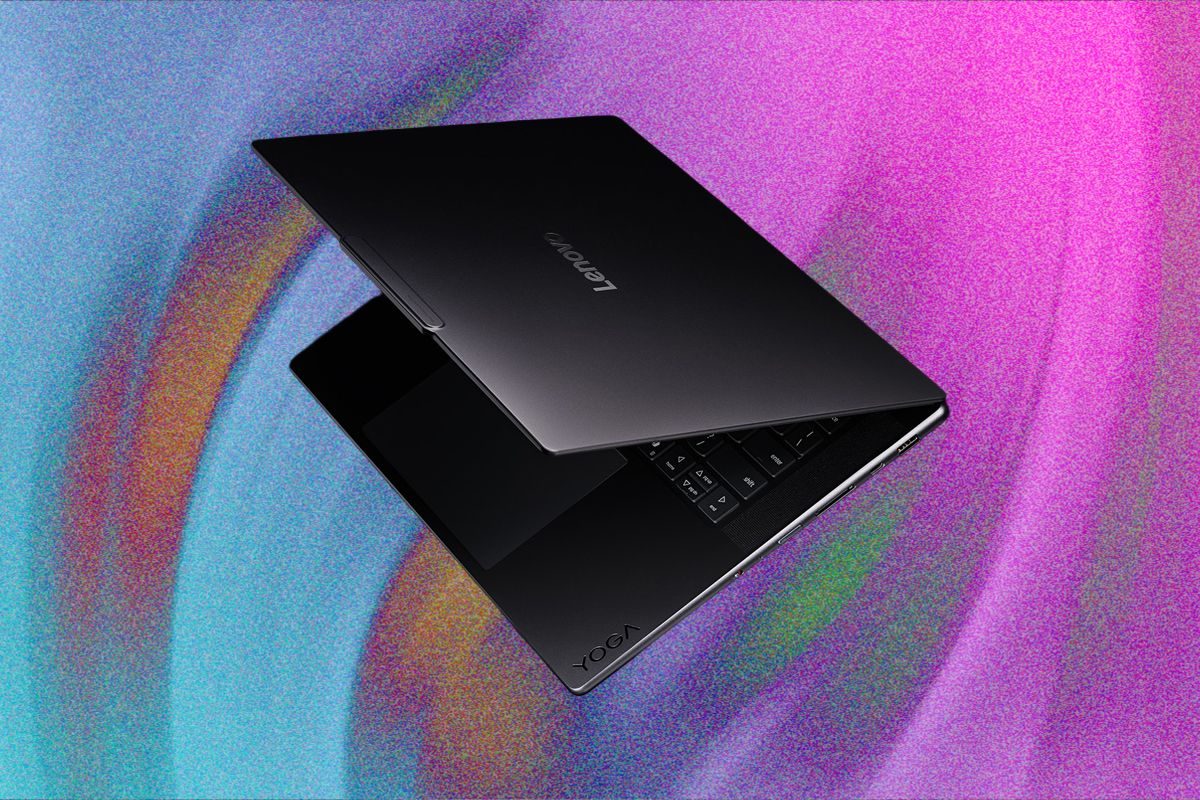
Nvidia's RTX Spark superchip is powering a new wave of high-end AI laptops designed to run agentic workloads locally.
Nvidia has agreed to acquire open-source AI platform Hugging Face for $12.93 billion to expand its developer infrastructure ecosystem.
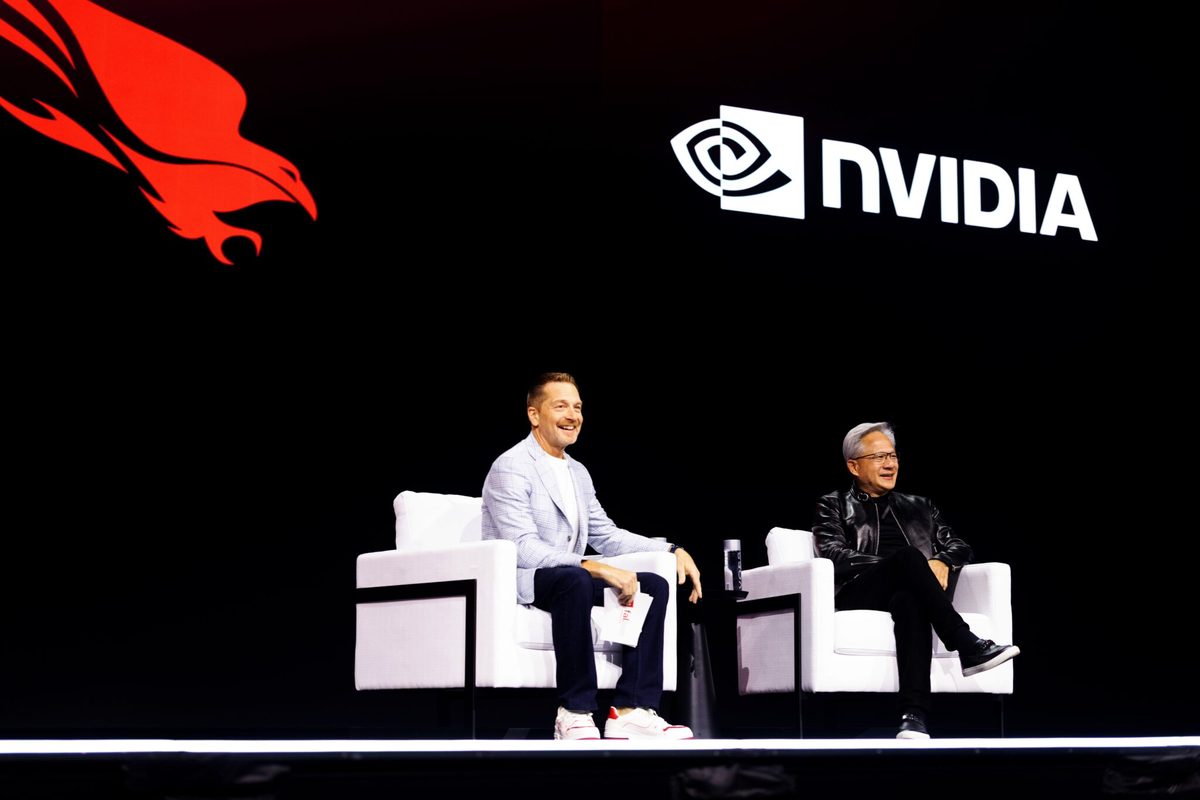
NVIDIA and CrowdStrike launched SafeMind, an agentic cybersecurity platform combining proprietary security harnesses with fine-tuned NVIDIA Nemotron models.

Nvidia is officially rolling out DLSS 5, using generative AI filters to upscale graphics but requiring heavy hardware and multi-frame generation.

Nvidia is in advanced talks to acquire open-source AI platform Hugging Face for $12.9 billion, according to media reports.
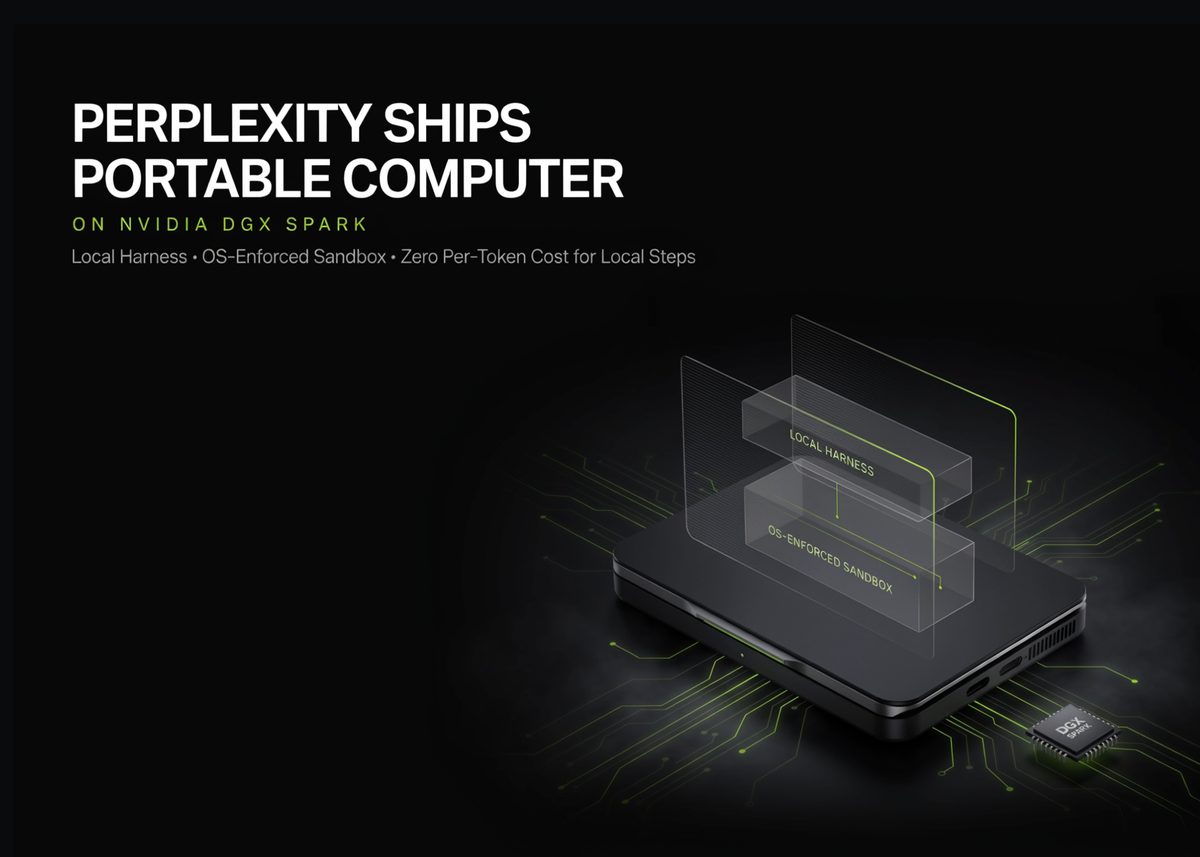
Perplexity launched Portable Computer, a local-first agent desktop system running on NVIDIA DGX Spark hardware.
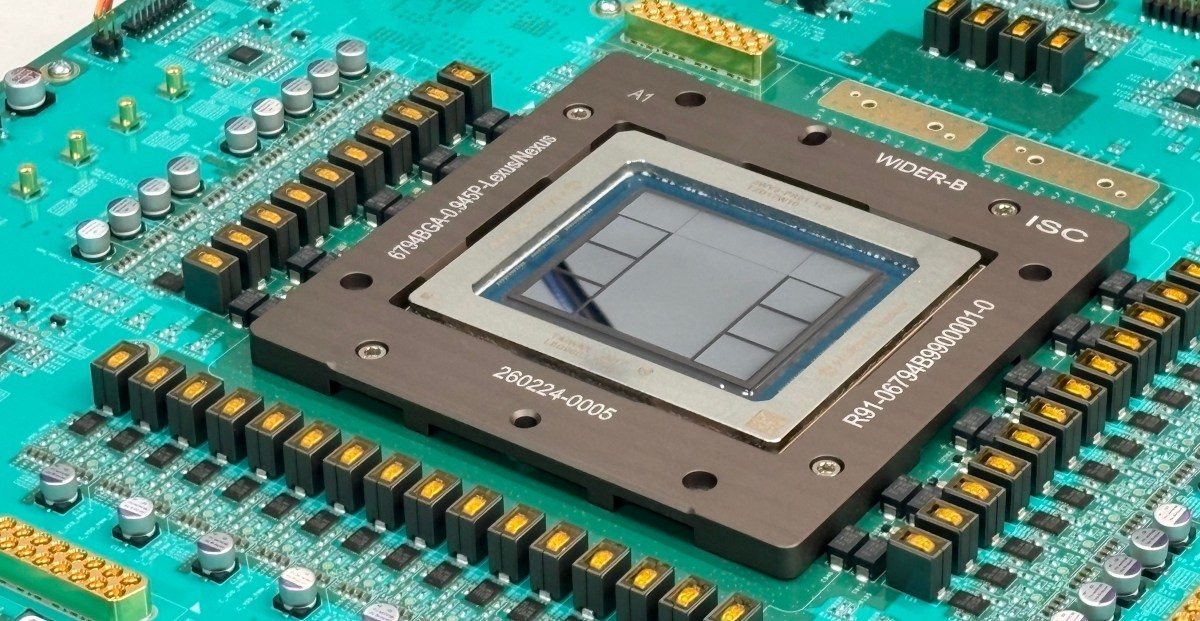
OpenAI claims its custom Jalapeño ASIC outperforms NVIDIA's flagship chips on key AI inference efficiency benchmarks.
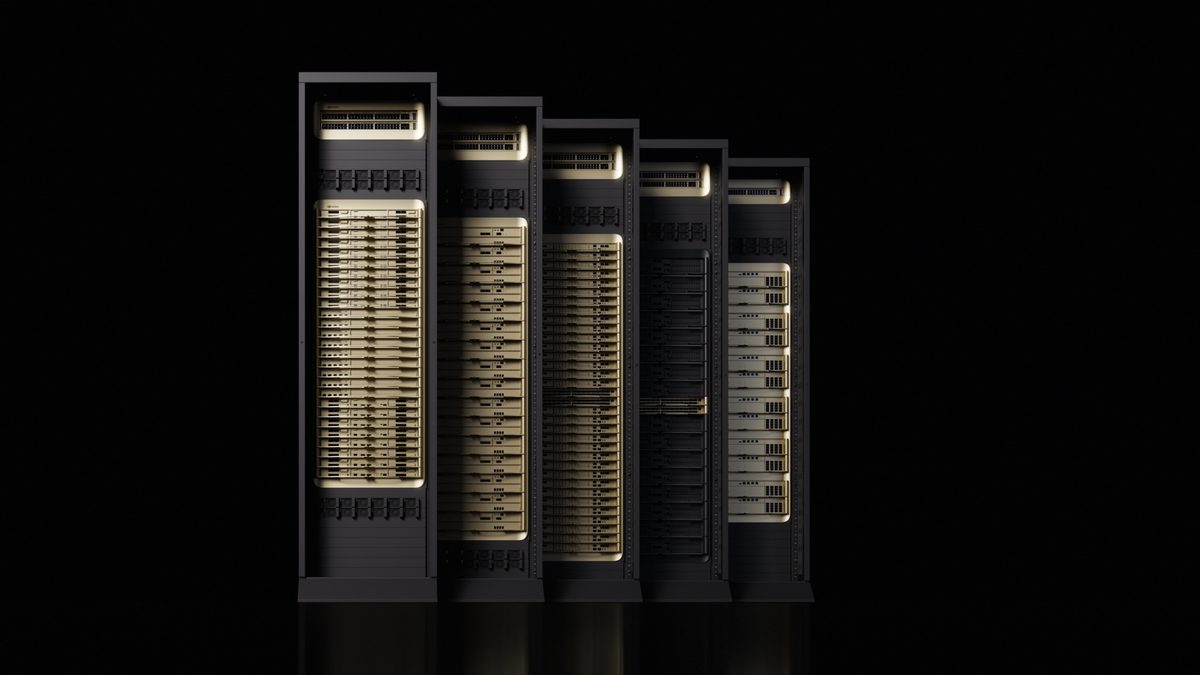
NVIDIA has put its Groq 3 LPX rack-scale inference system into full production to accelerate long-context agentic AI workloads.
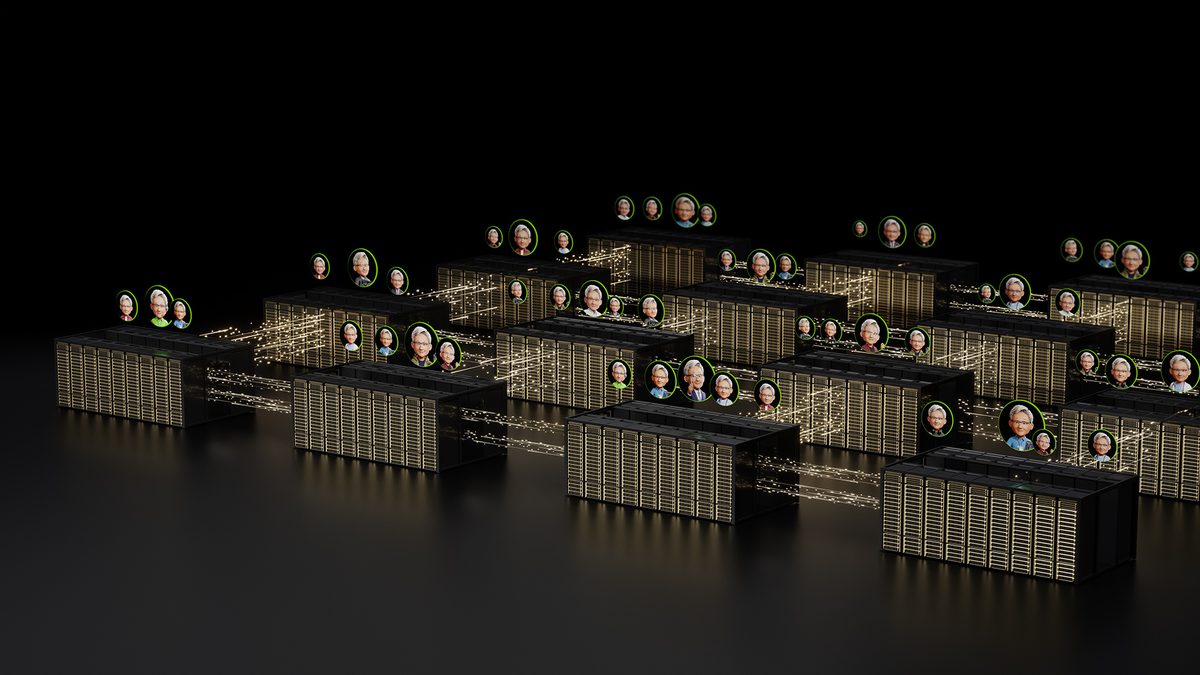
NVIDIA claims its Vera Rubin NVL72 platform delivers up to 30x higher throughput per megawatt for demanding agentic AI workloads.