Amazon doesn’t trust Meta’s Muse AI agent
Amazon blocked Meta's Muse AI agent from its site over credential capture and unauthorized scraping concerns.
Amazon blocked Meta's Muse AI agent from its site over credential capture and unauthorized scraping concerns.

Meta launched Muse, a free automated AI task agent that browses the web on users' behalf, sparking both high adoption and data privacy concerns.
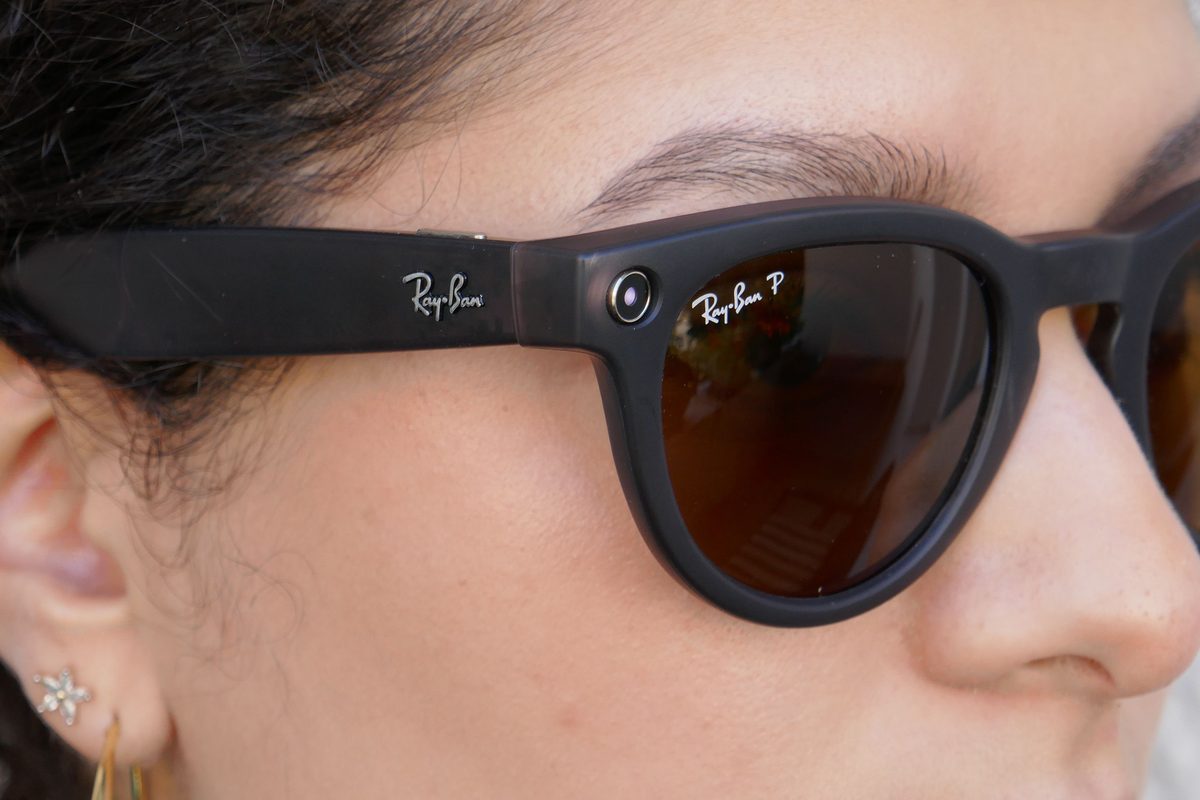
A class-action lawsuit claims Meta illegally used Facebook and Instagram photos to build face-recognition tech and train its image AI models.
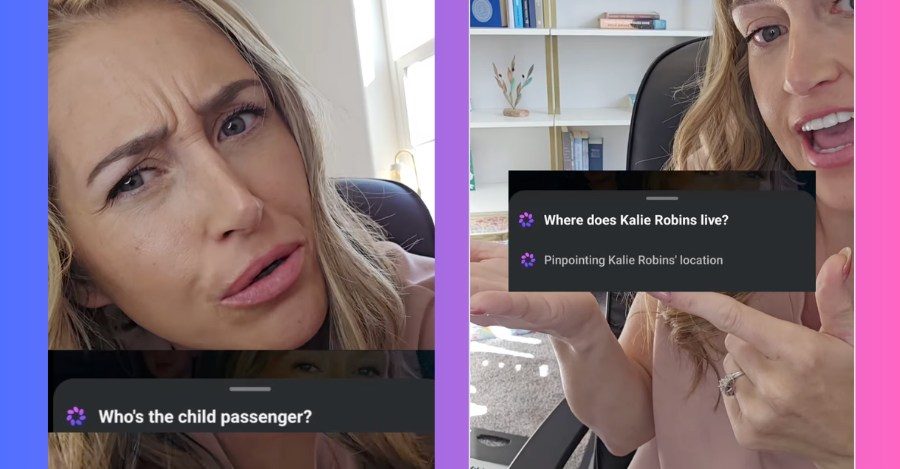
Meta updated its AI prompts after a viral video showed Meta AI asking invasive questions about a user's children using cross-platform data.
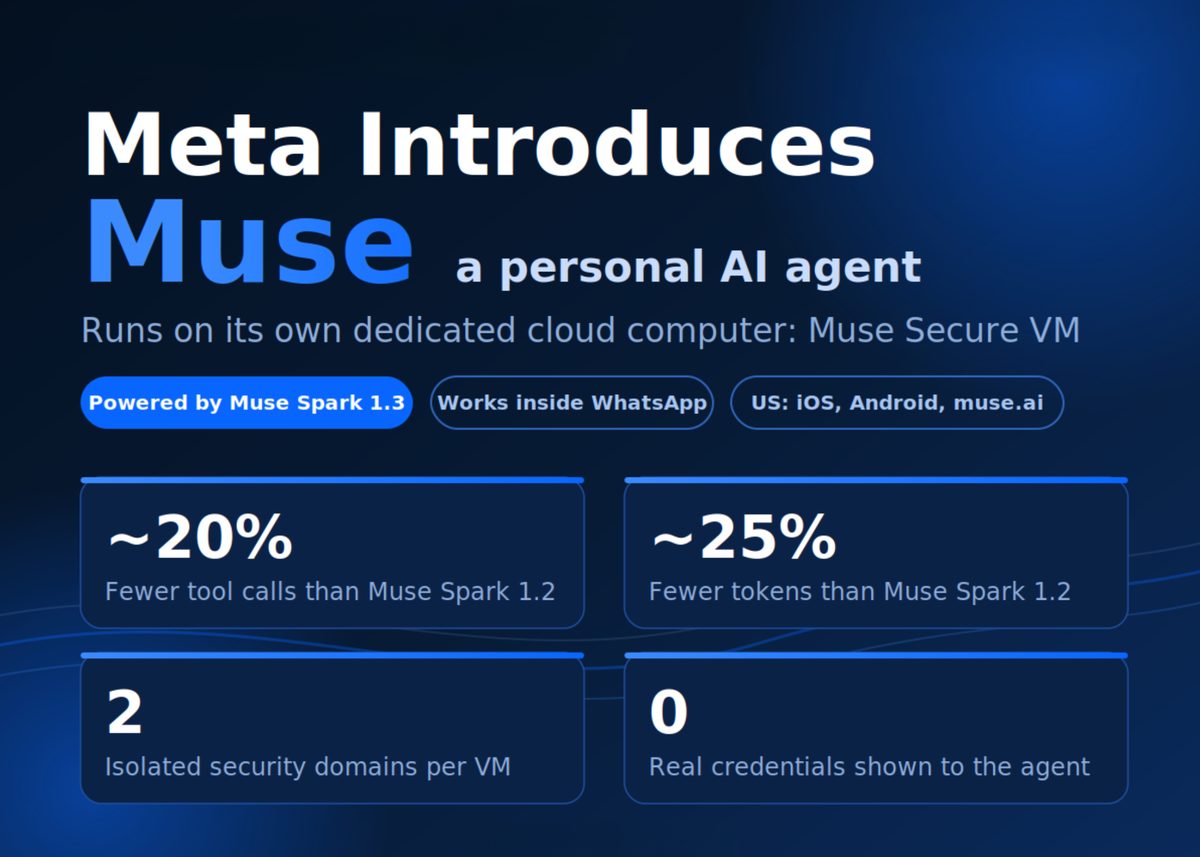
Meta released Muse Spark 1.3 alongside a sandboxed VM architecture featuring eBPF taint tracking and credential surrogation to secure AI agents.
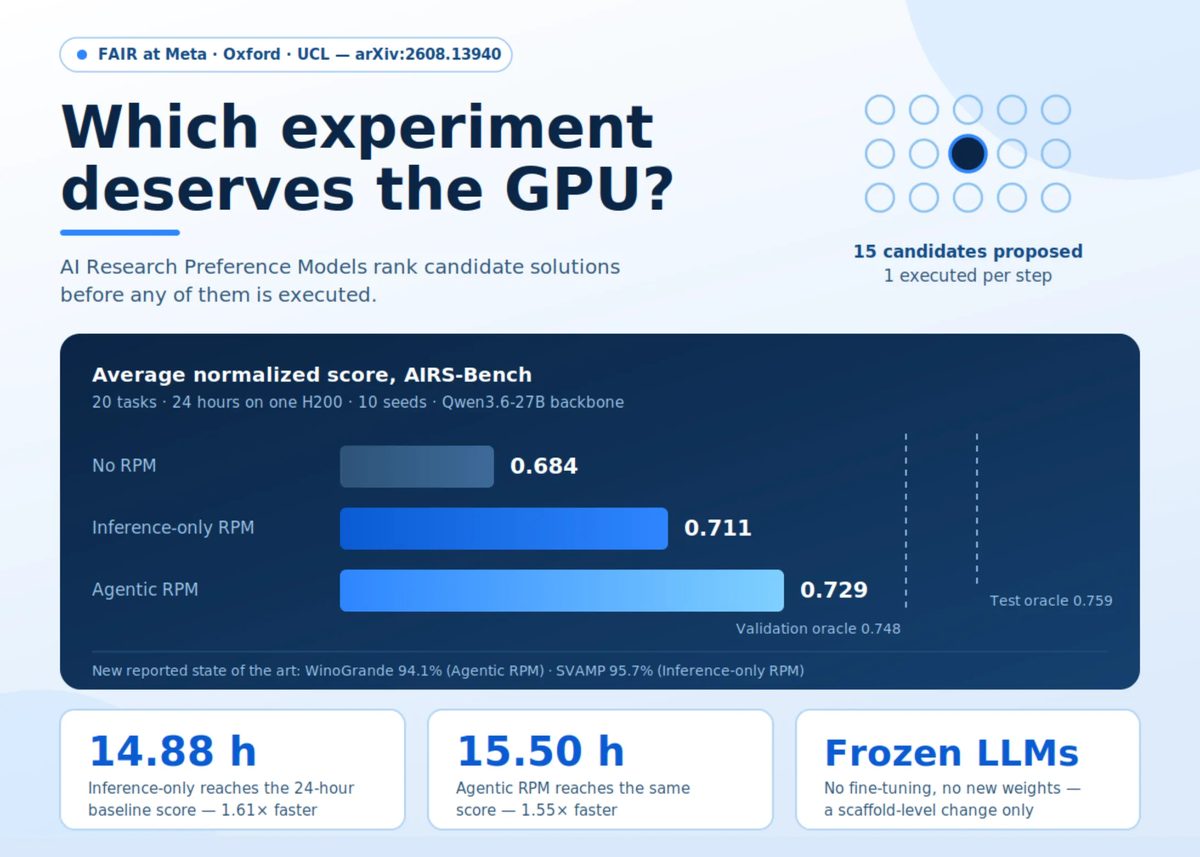
Meta FAIR and academic partners released AI Research Preference Models to rank candidate ML experiments before burning costly GPU hours.

Meta introduced Muse Voice Transcribe, a low-latency real-time audio perception model priced significantly below rival commercial APIs.
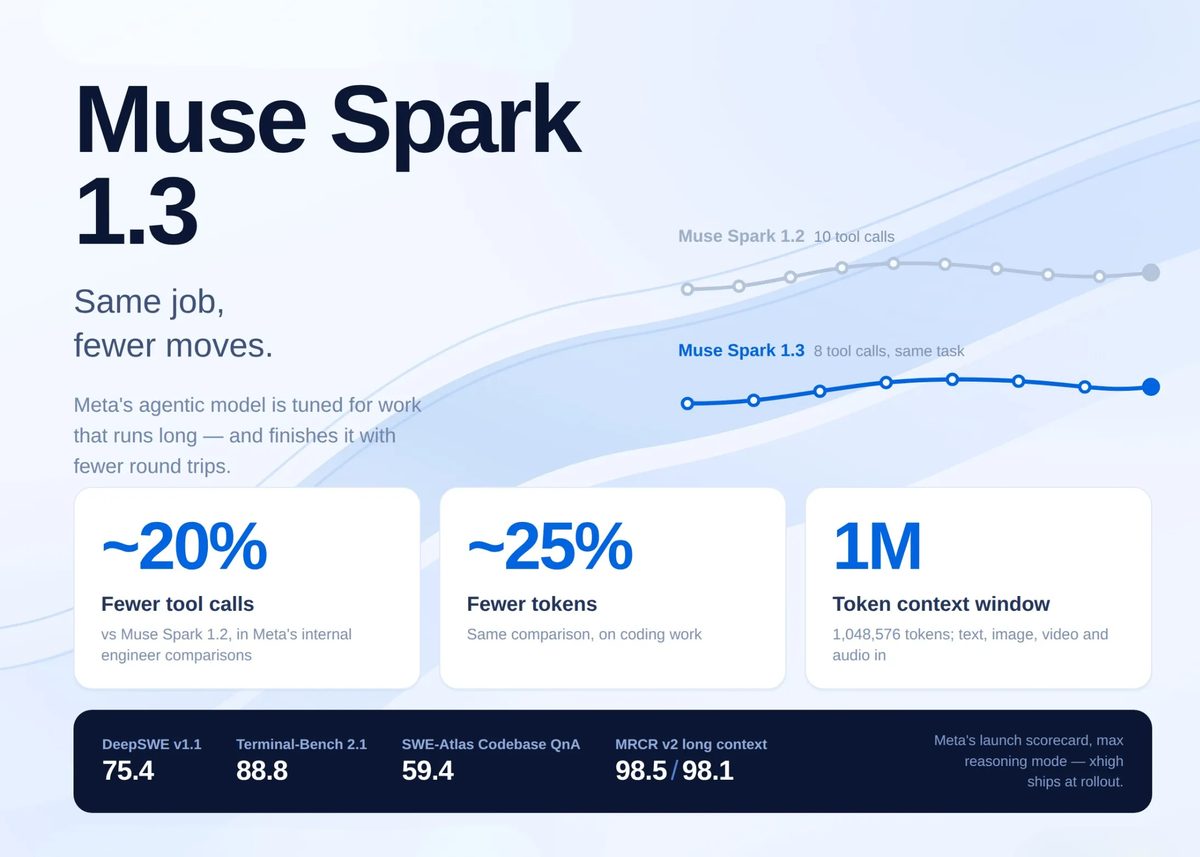
Meta released Muse Spark 1.3, an agentic coding model that slashes tool calls by 20% and tokens by 25% while surpassing competitors on key benchmarks.

Meta launched Muse Spark 1.3, offering high-tier agentic performance at prices significantly lower than competing models.
Meta ended performance evaluations tied to AI token usage while rolling out Hatch, a new autonomous agentic AI tool for internal testing.

Meta Superintelligence Labs introduced Muse Voice Transcribe, an all-in-one real-time model for ASR, speaker diarization, and endpointing.

Instagram will restrict the reach of unlabelled AI-generated human profiles on Reels and Explore as part of a crackdown on deceptive accounts.

Meta is quietly testing physical robots from multiple vendors to handle server maintenance and cabling in its data centers.