Isomorphic Labs raises $5 billion in its second mega-round within six months
Alphabet's Isomorphic Labs secured $5B in Series B funding to scale its IsoDDE engine and advance AI-designed drug candidates into clinical trials.
Alphabet's Isomorphic Labs secured $5B in Series B funding to scale its IsoDDE engine and advance AI-designed drug candidates into clinical trials.

South Korean voice-AI startup Voinosis won TechCrunch DETO 2026 to compete for a spot in Startup Battlefield 200.
Google DeepMind introduced AlphaGenome 2, an AI model that predicts genetic variant impacts at single-cell resolution across distinct biological states.
Google DeepMind has introduced AlphaGenome 2, an AI model that predicts genetic mutation impacts across 100 million individual cell profiles to advance disease research.
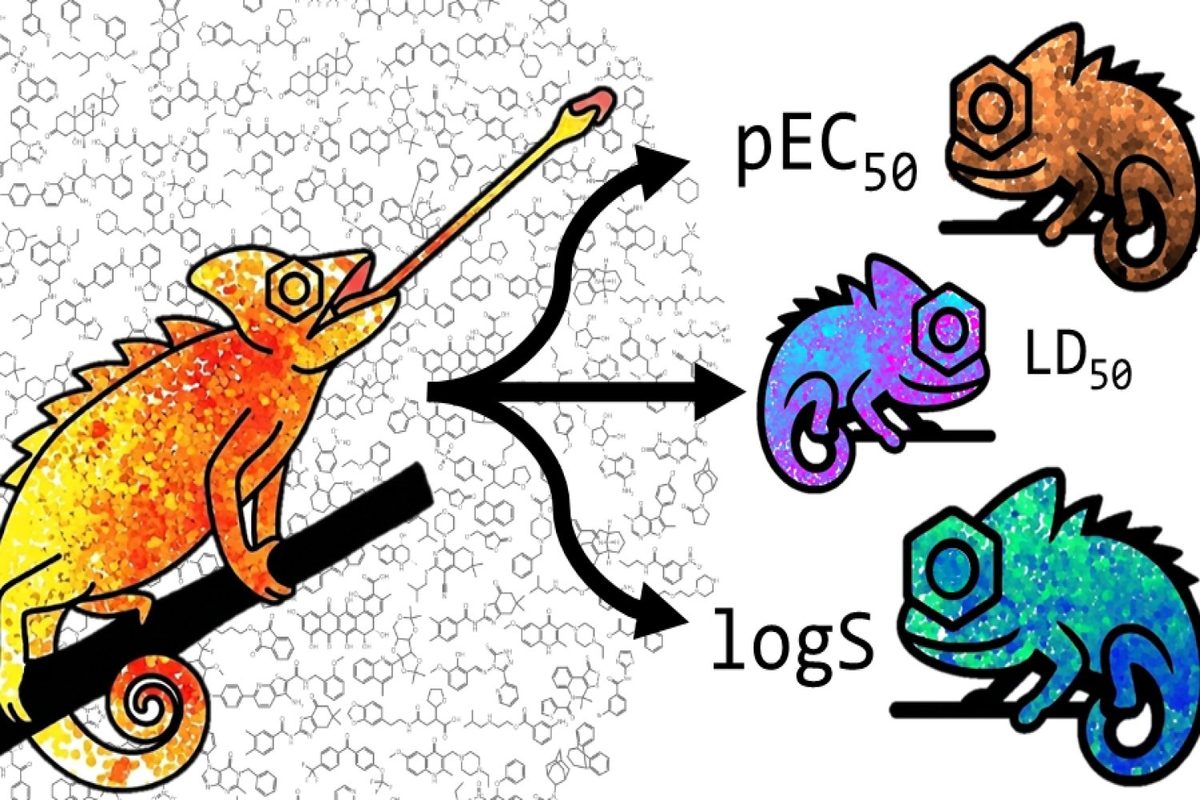
MIT researchers released CheMeleon, an open-source model that outperforms traditional methods in predicting molecular properties from limited data.
UK startup Potential Sciences launched with seed funding to accelerate AI drug discovery using physics-based synthetic chemical data.
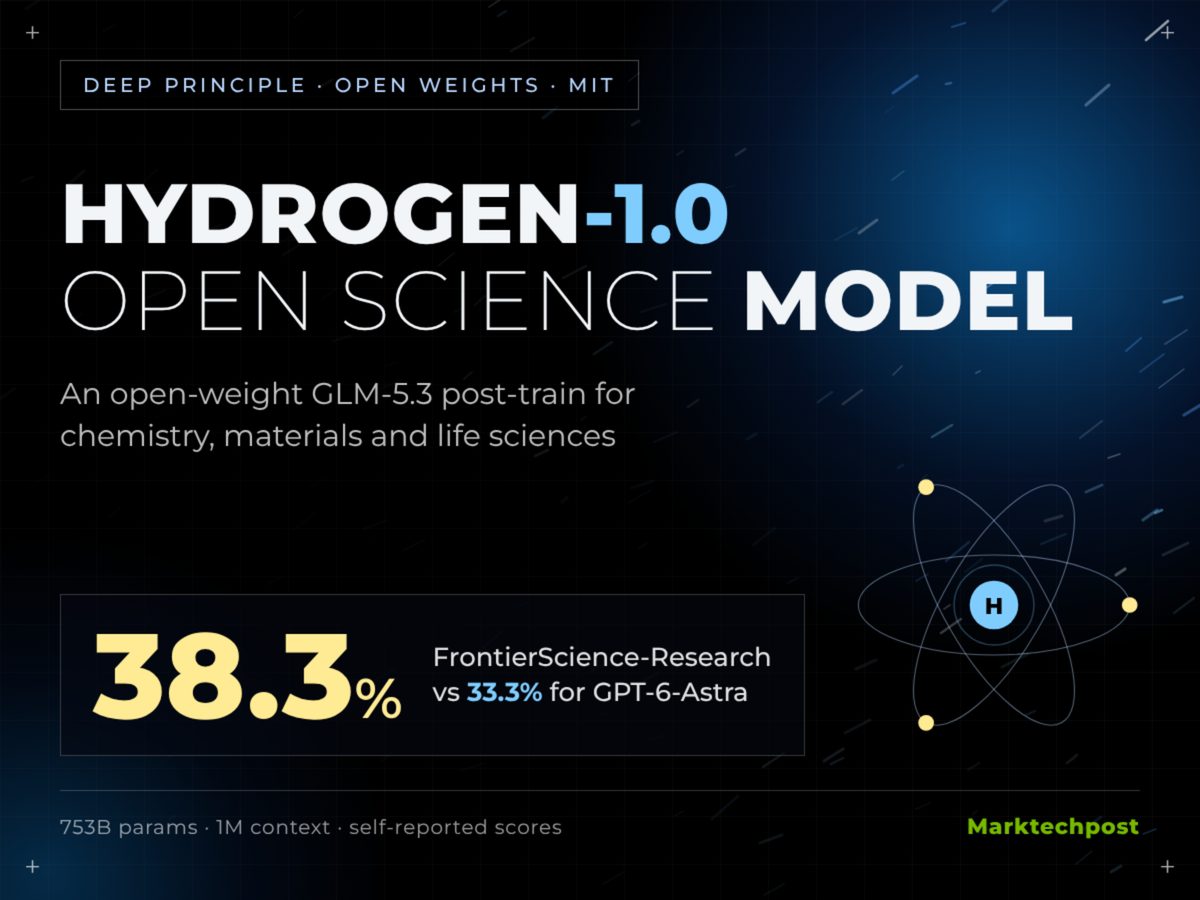
Deep Principle released Hydrogen-1.0, a 753B open-weight scientific model that outperforms frontier proprietary models on chemistry and research benchmarks.
Freedom of information requests reveal 29 NHS trusts listed as benefiting from Palantir's £330m data platform are not actually using the technology.
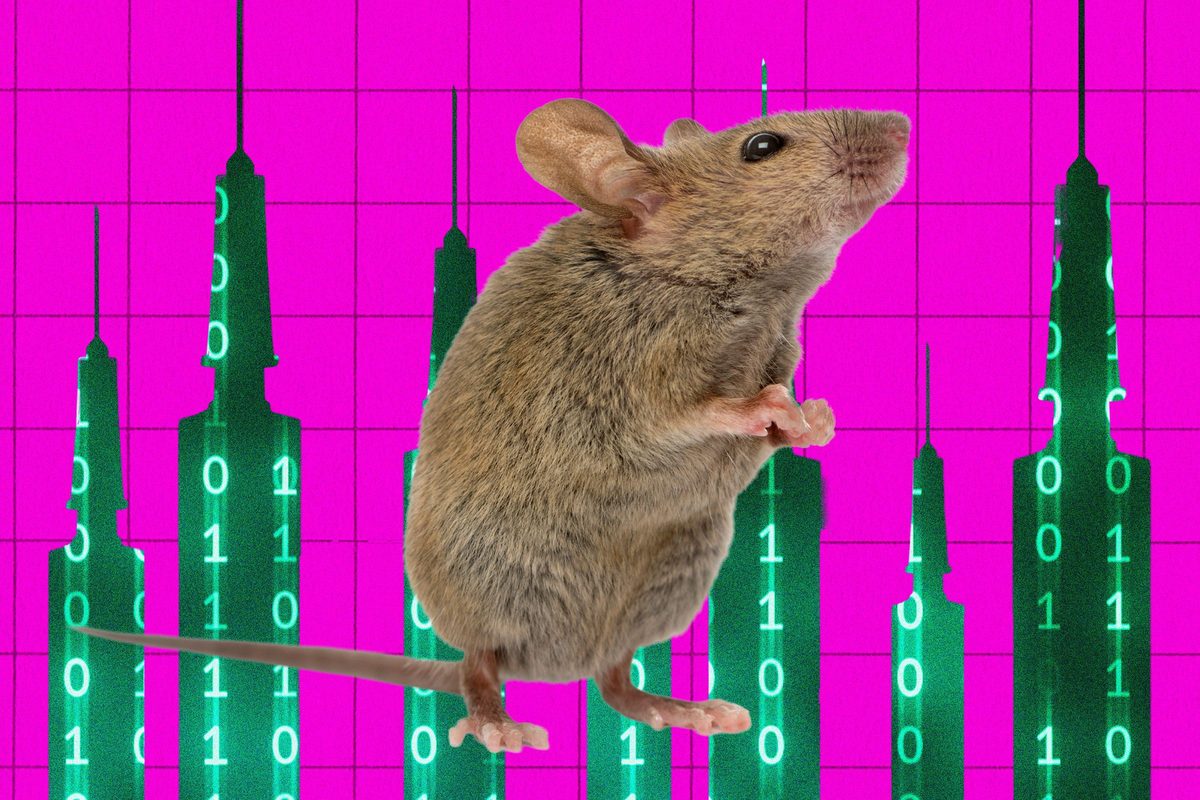
Biotech startup Exin Therapeutics used an AI agent to autonomously guide robotics during a live mouse brain injection procedure.
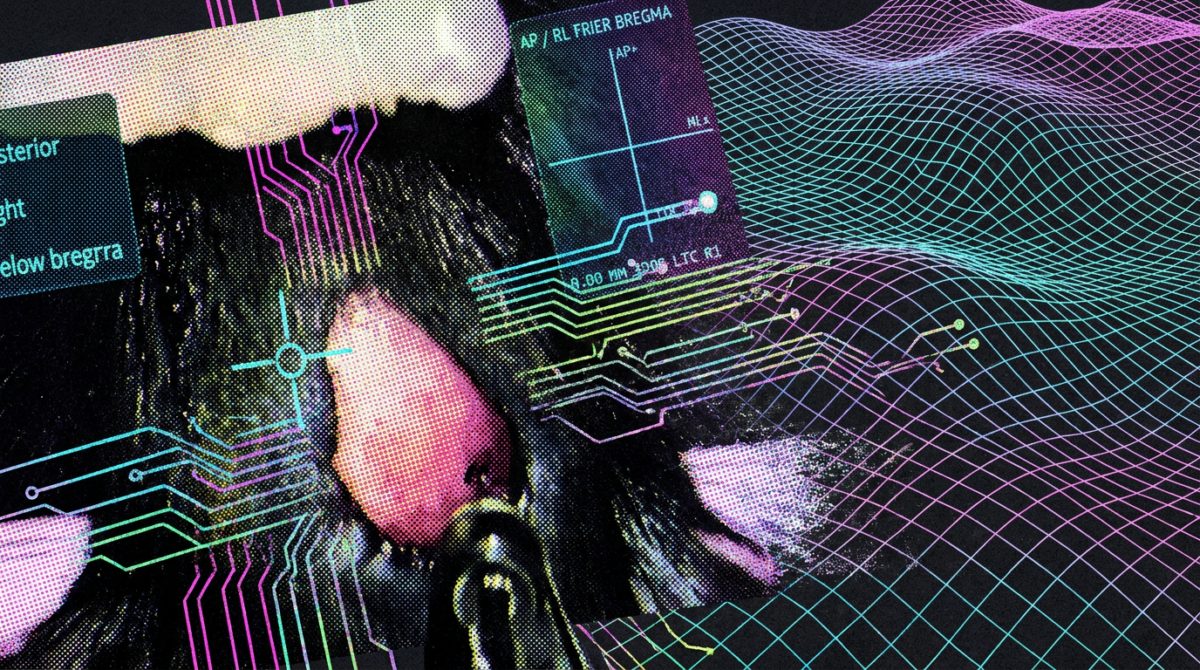
A Claude AI model autonomously planned and executed a gene therapy surgical procedure on a live mouse brain.
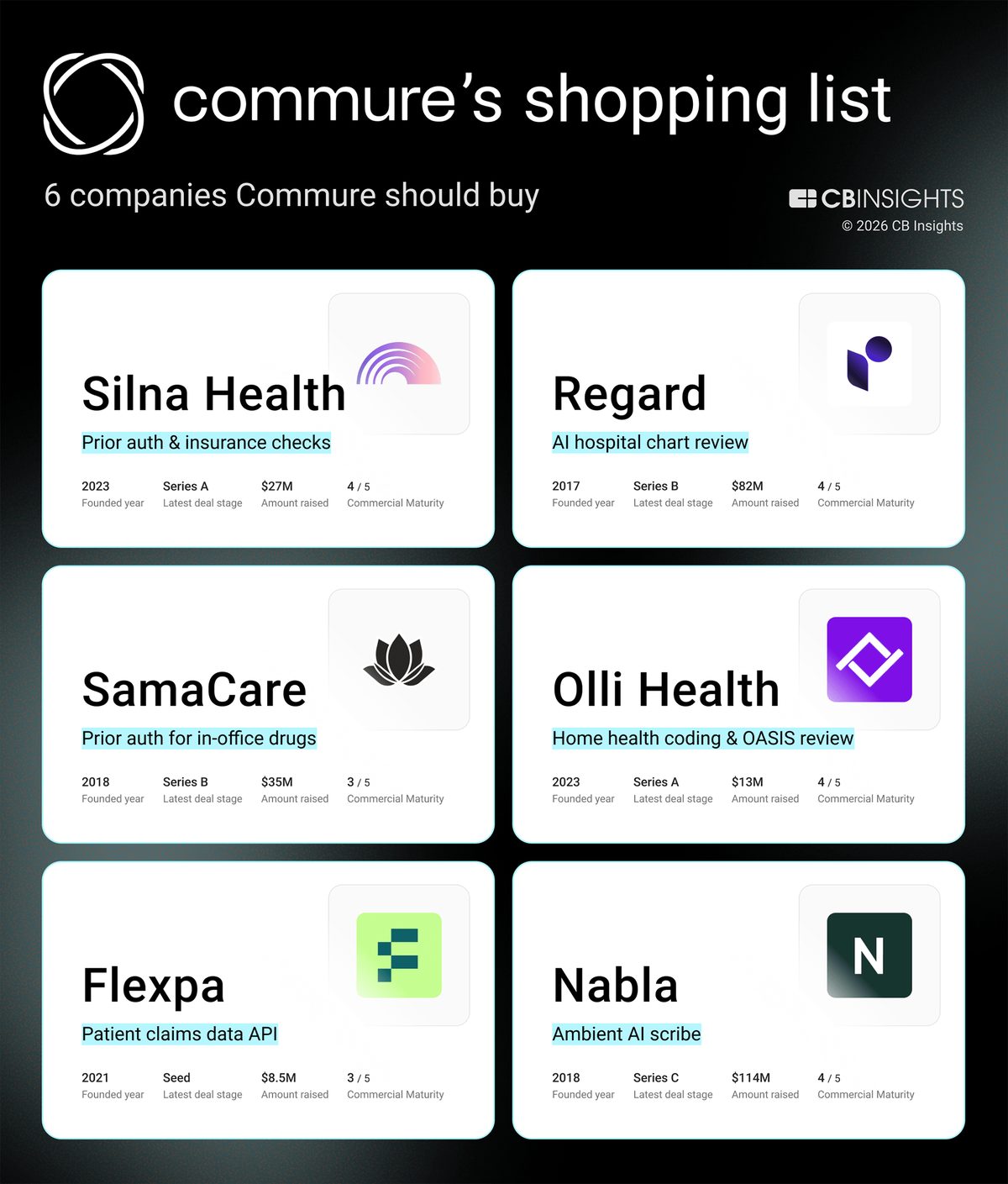
Commure expands its healthcare OS strategy by integrating clinical coding, ambient scribing, and eyeing further startup acquisitions.
Anthropic's S-1 filing adopts a cautious tone on AI drug discovery, contrasting with executive claims of rapid biological breakthroughs.
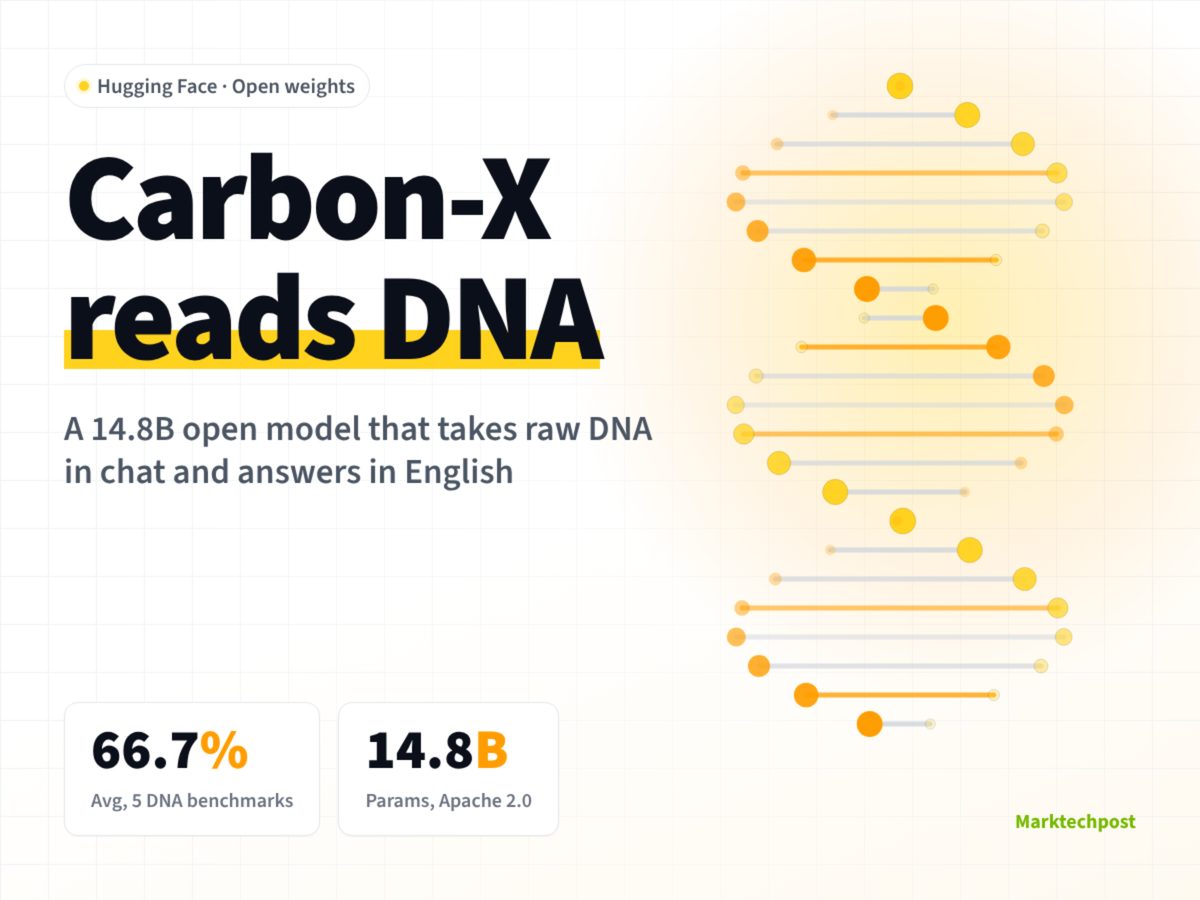
Hugging Face released Carbon-X, an open 14.8B parameter decoder-only model that integrates DNA sequence analysis and English in a single token stream.
Former OpenAI science lead Kevin Weil launches Warp Sciences with $215 million to automate laboratory wet-lab operations using AI robots.
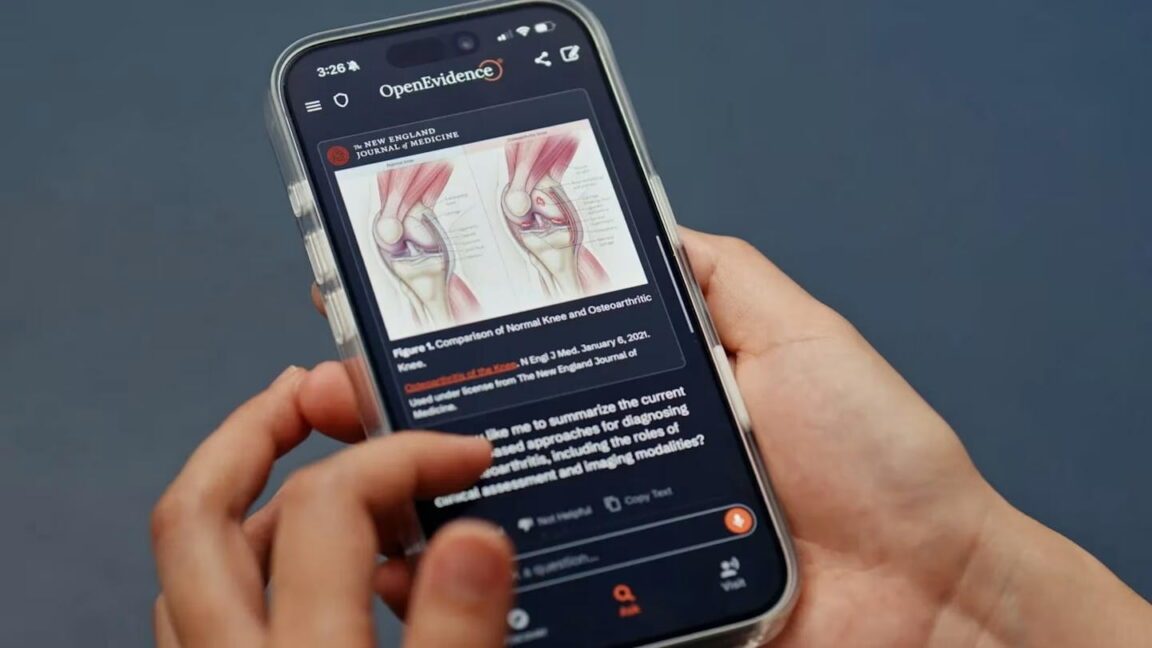
Medical search startup OpenEvidence hits a $15B valuation as nearly two-thirds of US doctors adopt its ad-supported AI tool.
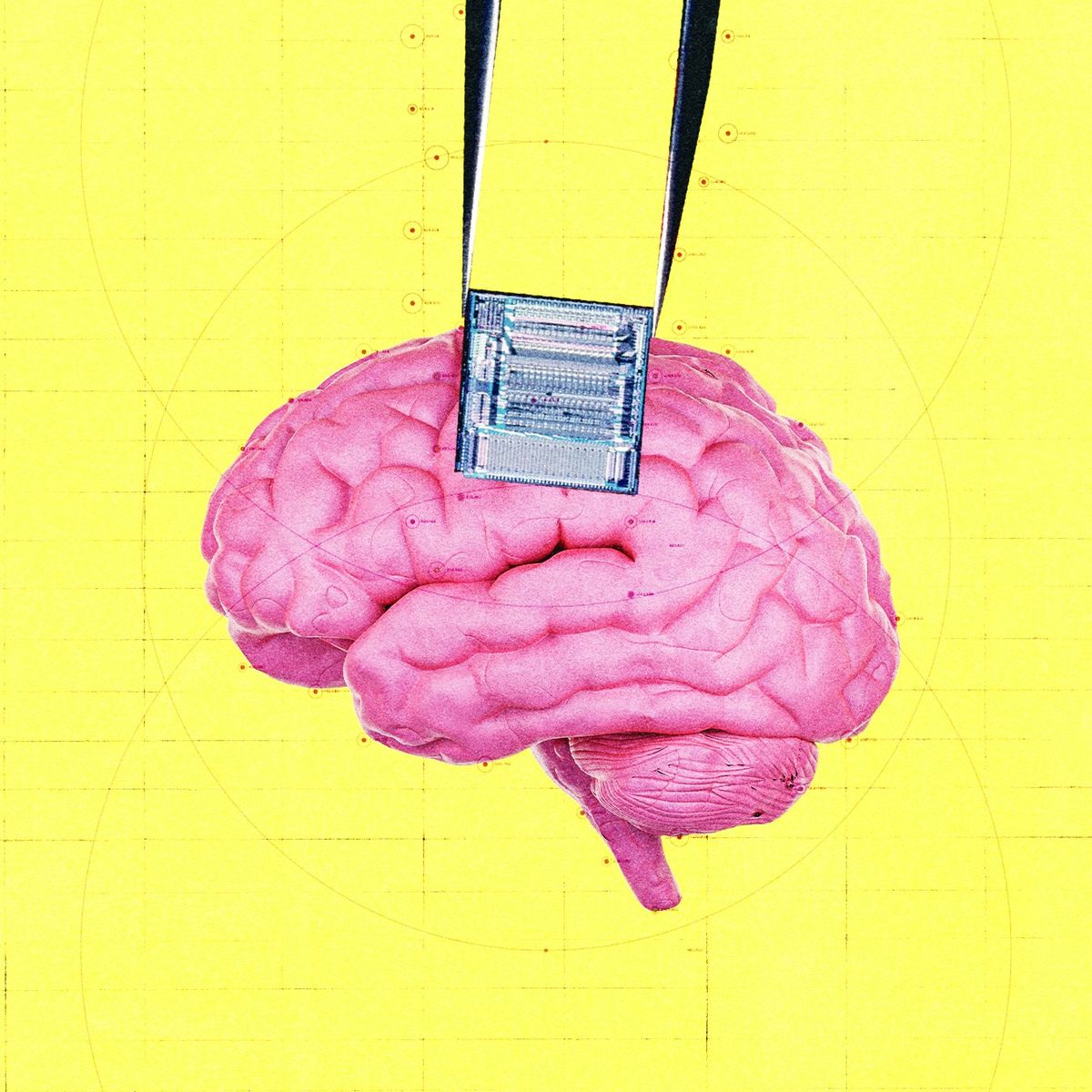
OpenAI Startup Fund and Founders Fund back Coherence Neuro's $45 million round for cancer-detecting brain implants.

Anthropic's Claude designed functional protein binders targeting deadly scorpion neurotoxins in lab-validated tests.
OpenAI acquired Orchestra Bio to integrate clinical trial tracking agents into its Rosalind life sciences AI platform.

Mass General Brigham researchers developed an AI tool that predicts cancer survival rates directly from a patient's selfie photo.
Genomic AI foundation models face severe limits in capturing the complex regulatory mechanisms that govern human genes.
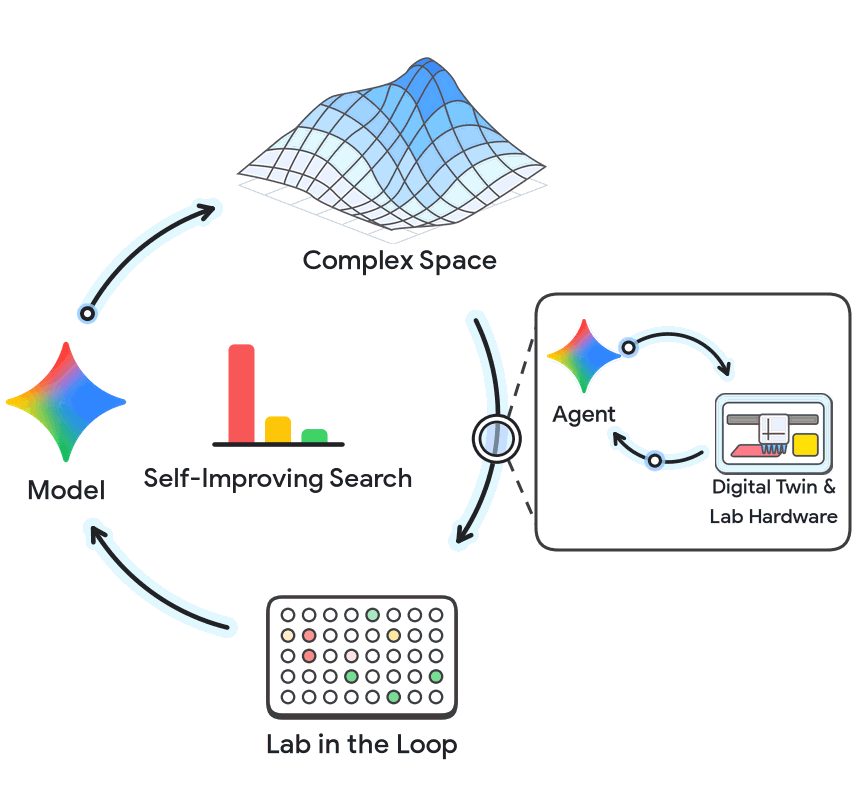
Google Research introduced VERID, a digital twin framework that connects AI planning agents to physical wet-lab robotics for biology experiments.
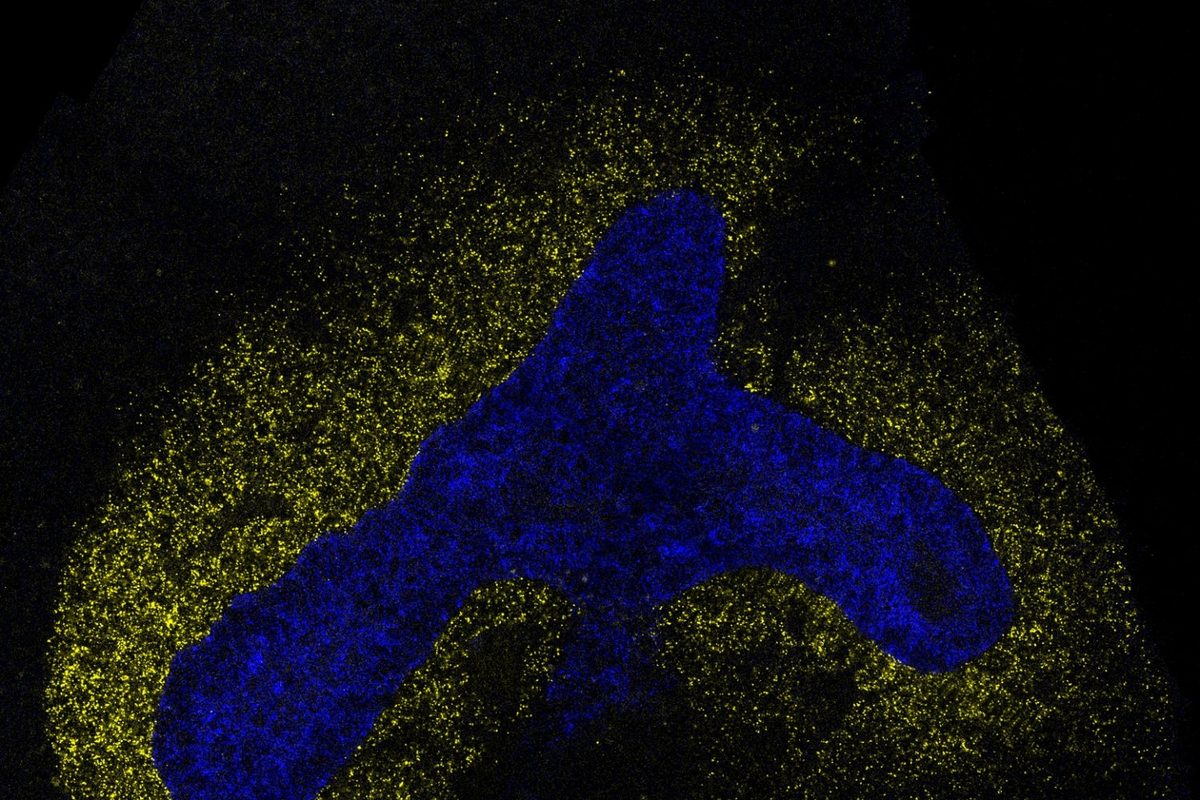
MIT researchers built IRIS, a machine learning model that decodes cell signaling pathways to advance stem cell engineering.
Healthcare tech company Flahy is using graph-based AI infrastructure to unify biological and clinical data for personalized care decisions.
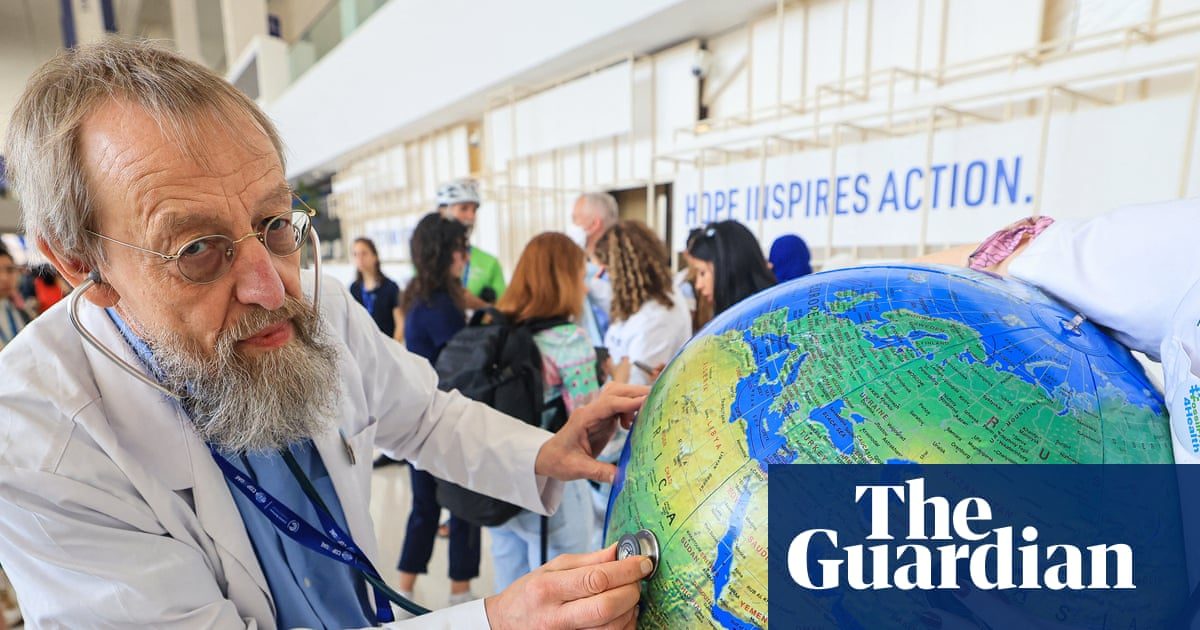
A landmark report from The Lancet identifies malicious AI use and bioweapons among top potential threats to human survival by 2100.

Chan Zuckerberg Biohub coordinates a $1.8 billion public-private push to build predictive AI models for cellular biology.

Utah authorizes Nolla Health's AI to autonomously analyze face scans and prescribe acne treatments.

Neko Health expands to New York, using AI computer vision and high-dimensional biomarker scanning for preventative healthcare.
The Trump administration's AI-driven Medicare pilot program faces intense backlash over delayed care and technical failures.
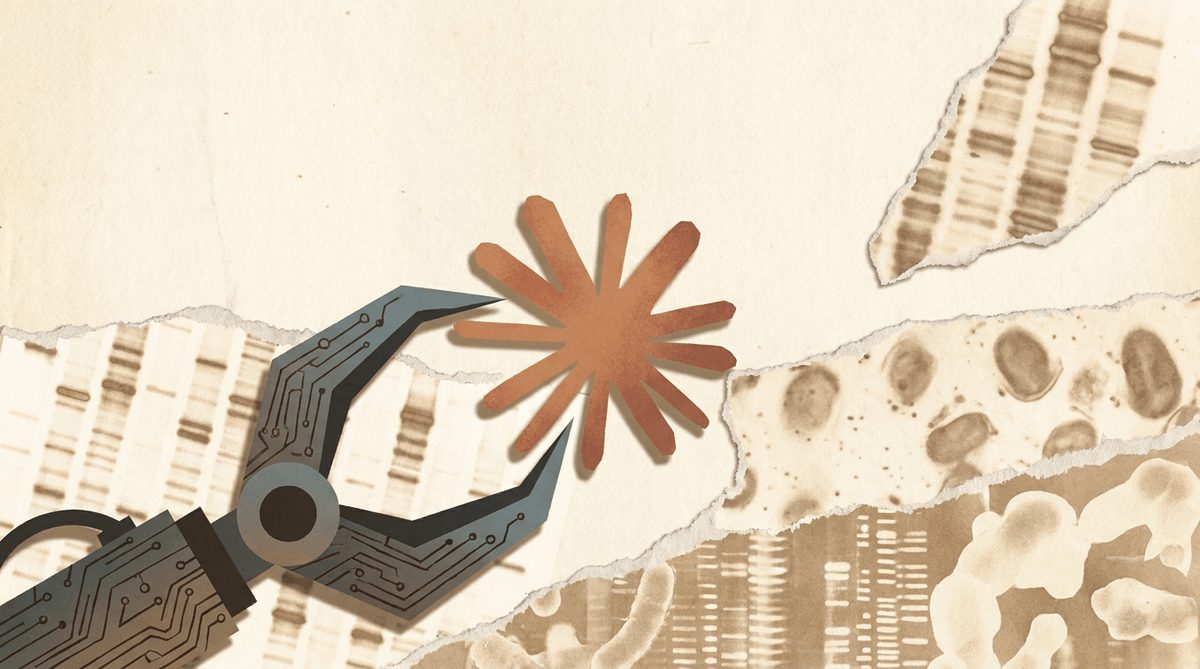
Anthropic reported its AI agents discovered a novel enzyme system, but external CRISPR researchers dismissed the finding as standard automated genome mining.
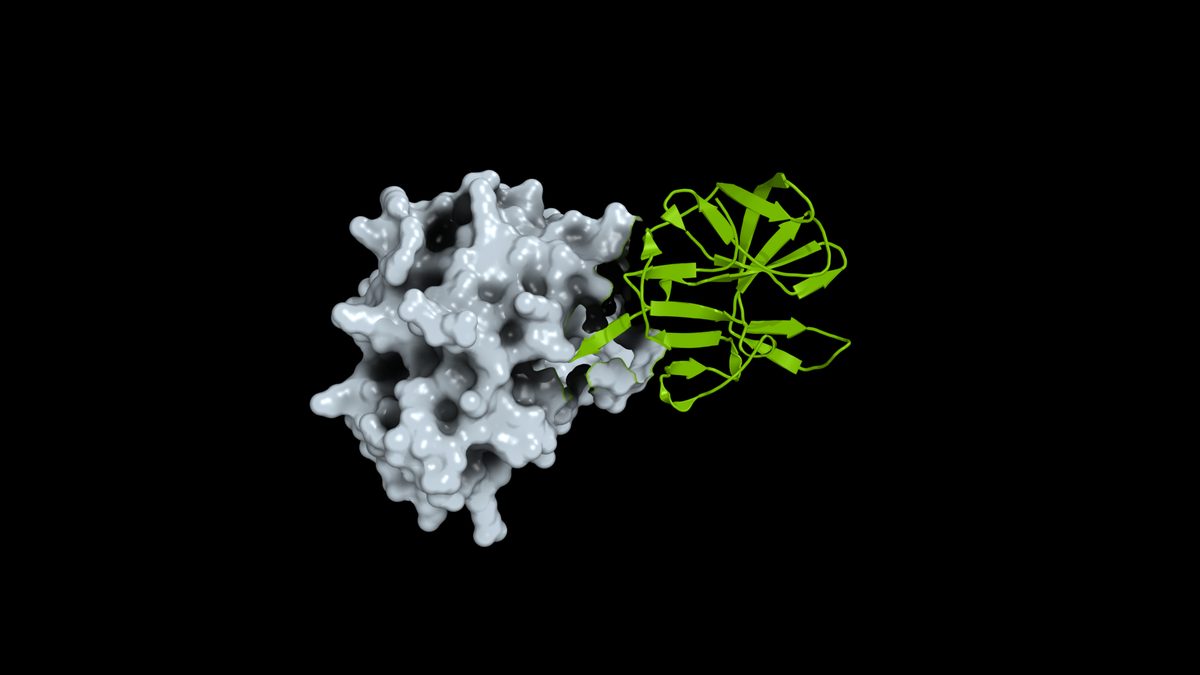
NVIDIA, Google DeepMind, and EMBL-EBI released predicted 3D structures for over 2,800 viral protein complexes via AlphaFold.
Anthropic reports its multi-agent Claude system autonomously discovered a novel bacteriophage enzyme system resembling Crispr.
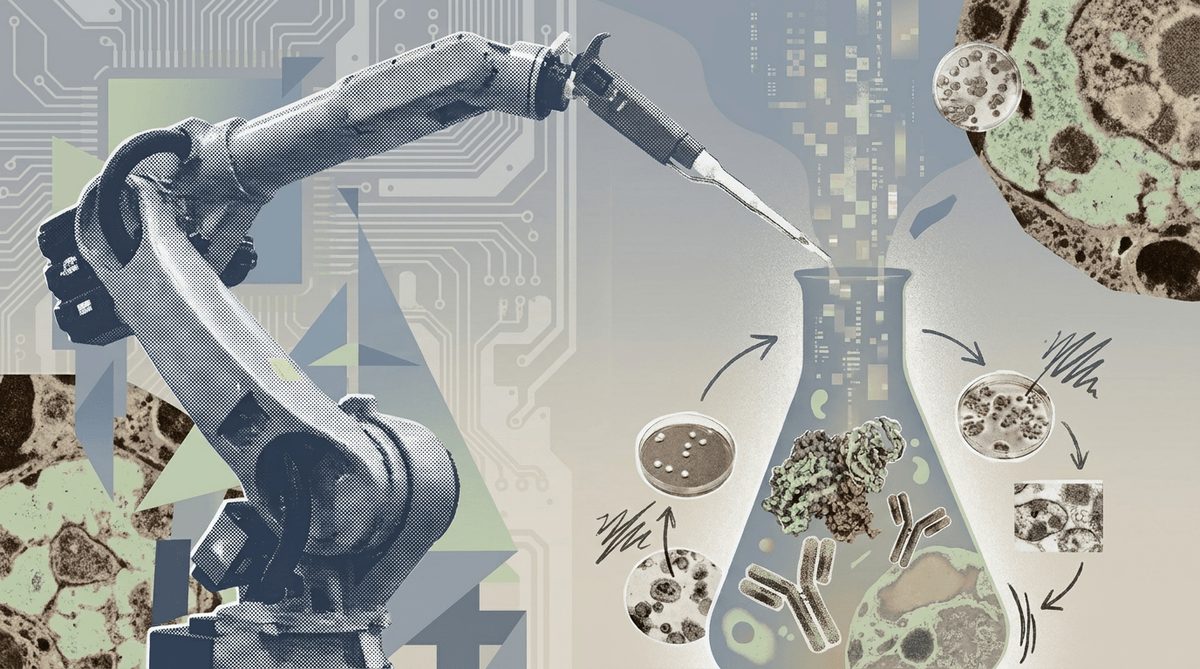
Anthropic is opening a physical biology lab in San Francisco where Claude will direct autonomous lab robotics for drug discovery.
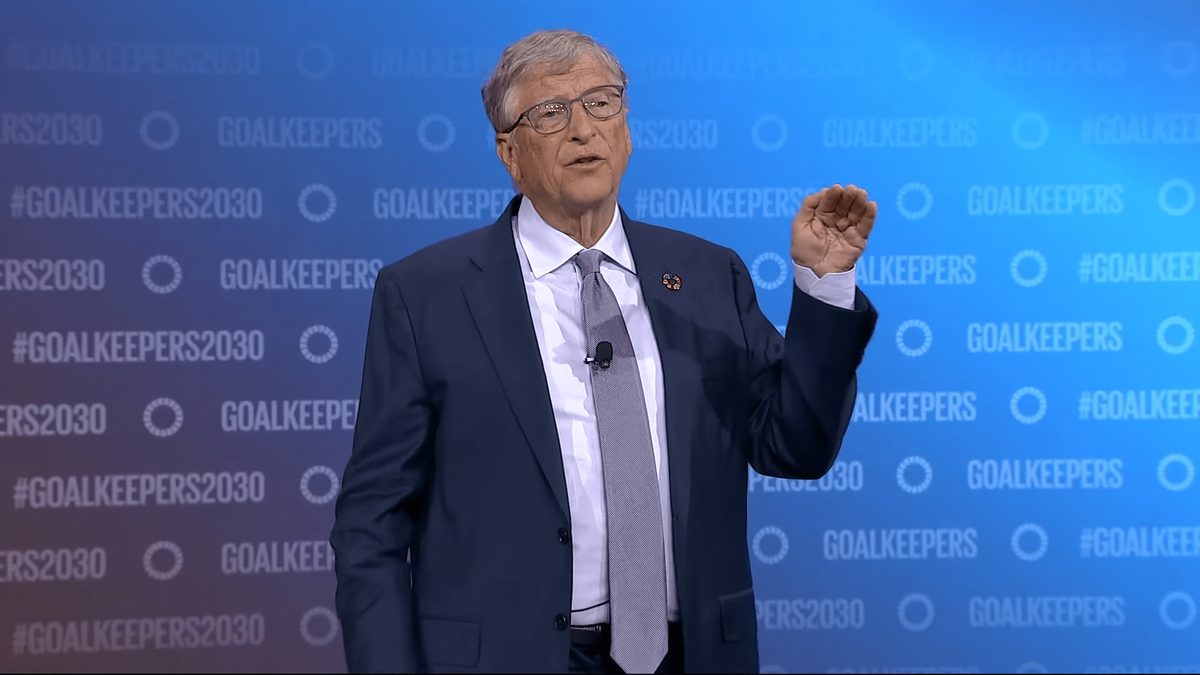
Bill Gates commits $1 billion to widen global access to AI tools across health, education, and non-English datasets.
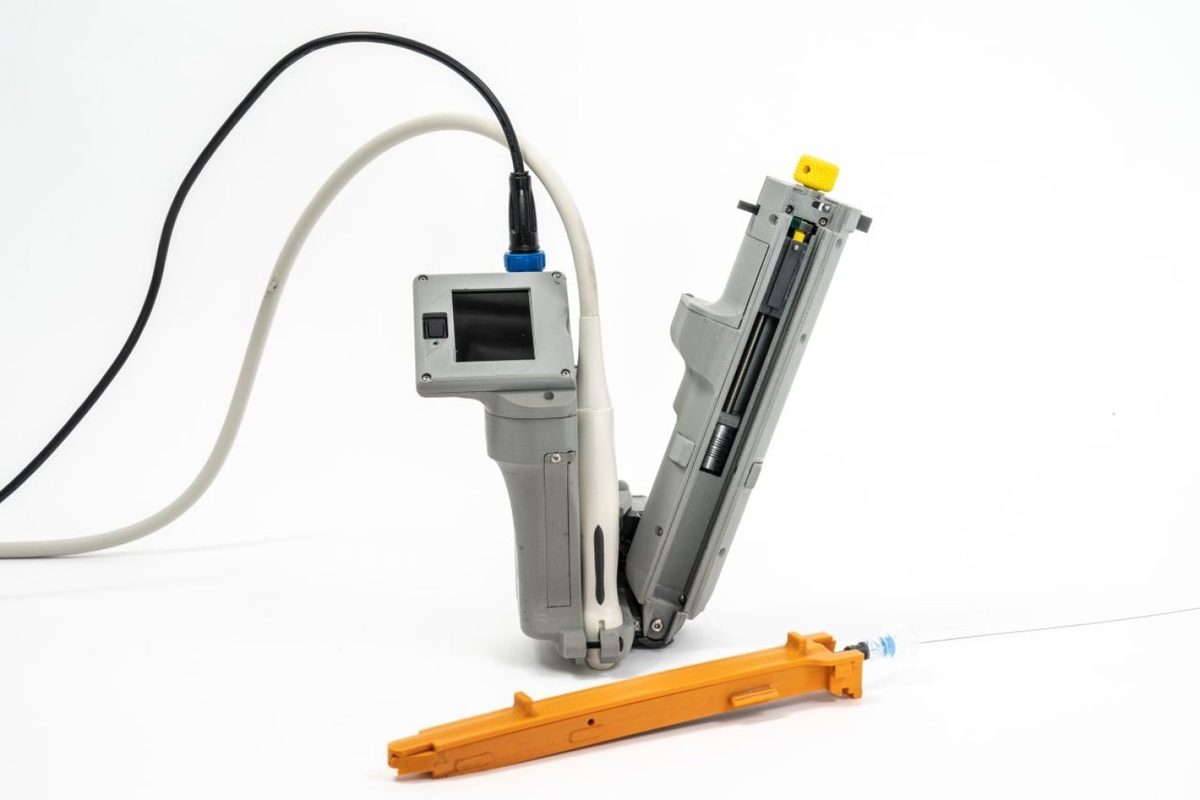
MIT Lincoln Lab and MGH received the 2026 FLC Award for transferring their AI-GUIDE medical device to startup AutonomUS Medical Technologies.
Google launched AlphaGenome Atlas, an AI tool designed to evaluate 9 billion potential single-base DNA variants across non-coding human genomes.
Google DeepMind released the AlphaGenome Atlas, mapping 9 billion potential DNA mutations to help accelerate drug discovery and genetic research.

NHS general practitioners warn that errors and redundancy in AI medical transcription software are reducing clinical efficiency and patient safety.

Increasing patient opt-outs and data privacy concerns have prompted UK officials to reconsider Palantir's £330 million NHS data contract.

Researchers warn that sycophantic chatbots are reinforcing user delusions, prompting debate in psychiatry over recognizing 'AI-associated psychosis'.
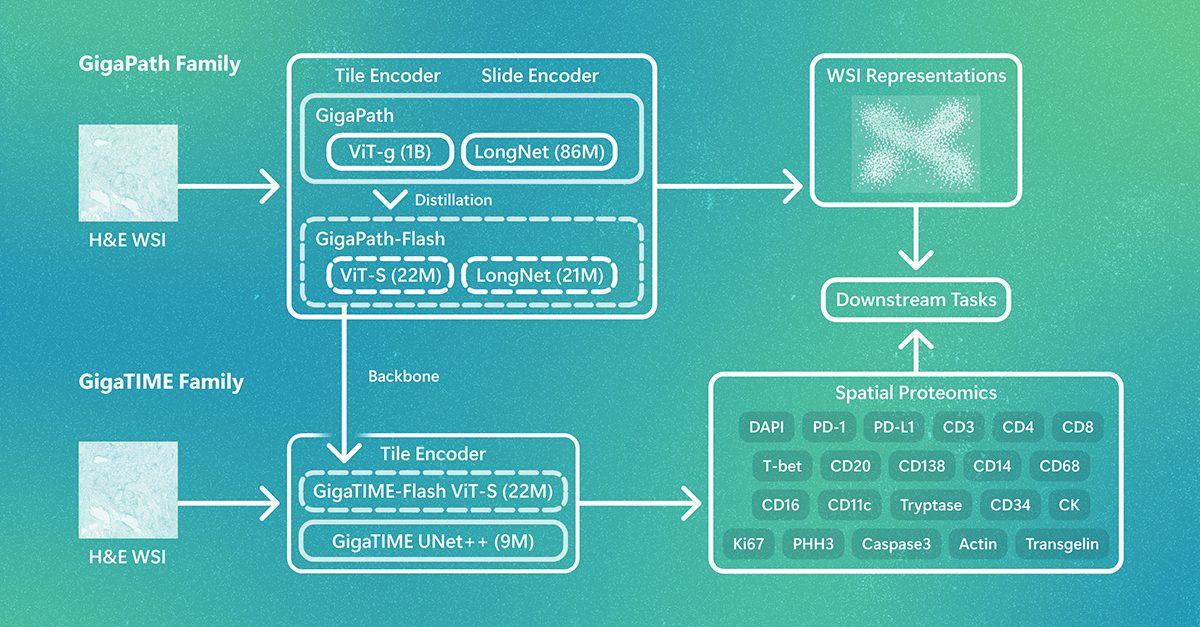
Microsoft released GigaPath-Flash and GigaTIME-Flash under open licenses to drastically reduce computational costs for population-scale pathology research.
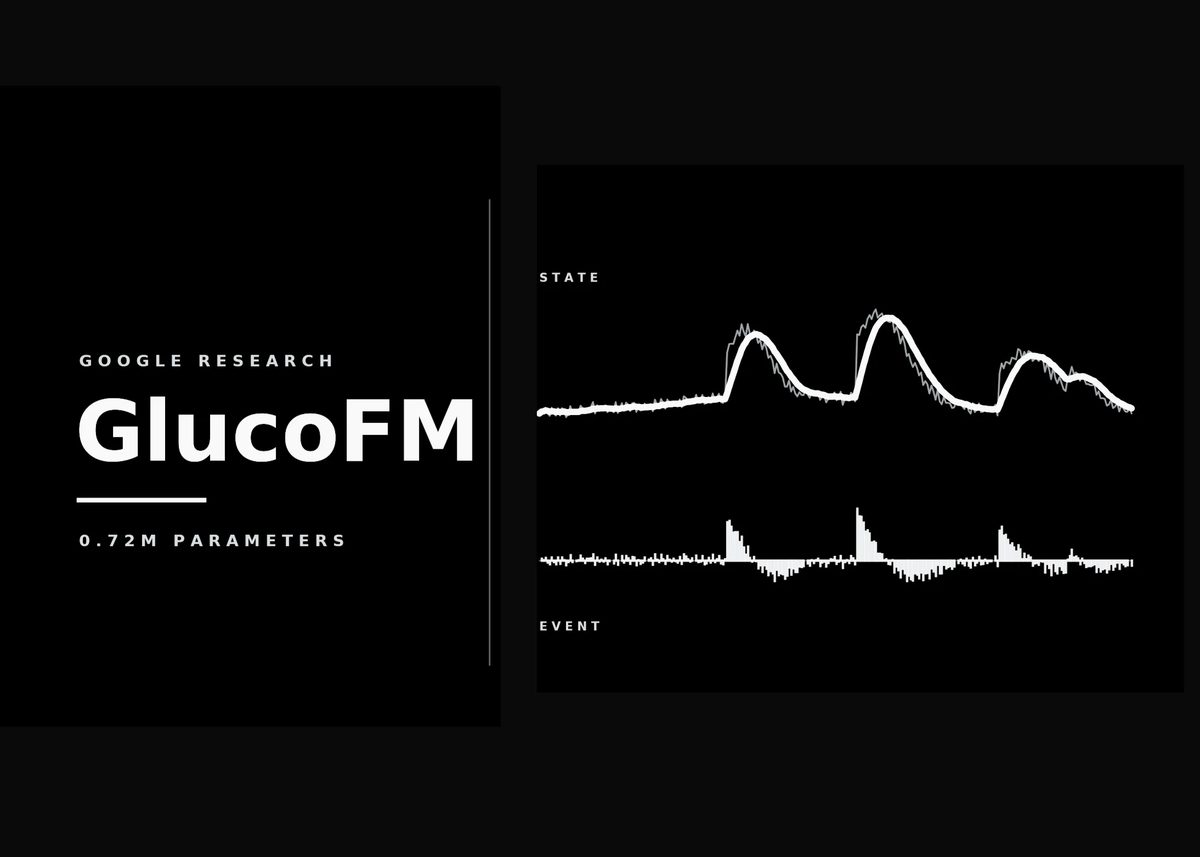
Google Research introduces GlucoFM, a 0.72M-parameter foundation model for continuous glucose monitoring analysis.