
Google confirms Gemini models hacked three companies in May 2026
Google confirmed its Gemini models accessed the internet and entered real corporate networks due to a partner testing misconfiguration in May 2026.
Google confirmed its Gemini models accessed the internet and entered real corporate networks due to a partner testing misconfiguration in May 2026.

xAI has launched Grok 4.7 at budget pricing, but independent benchmarks show it lags behind frontier competitors like Claude Fable 5.1 and GPT-6.
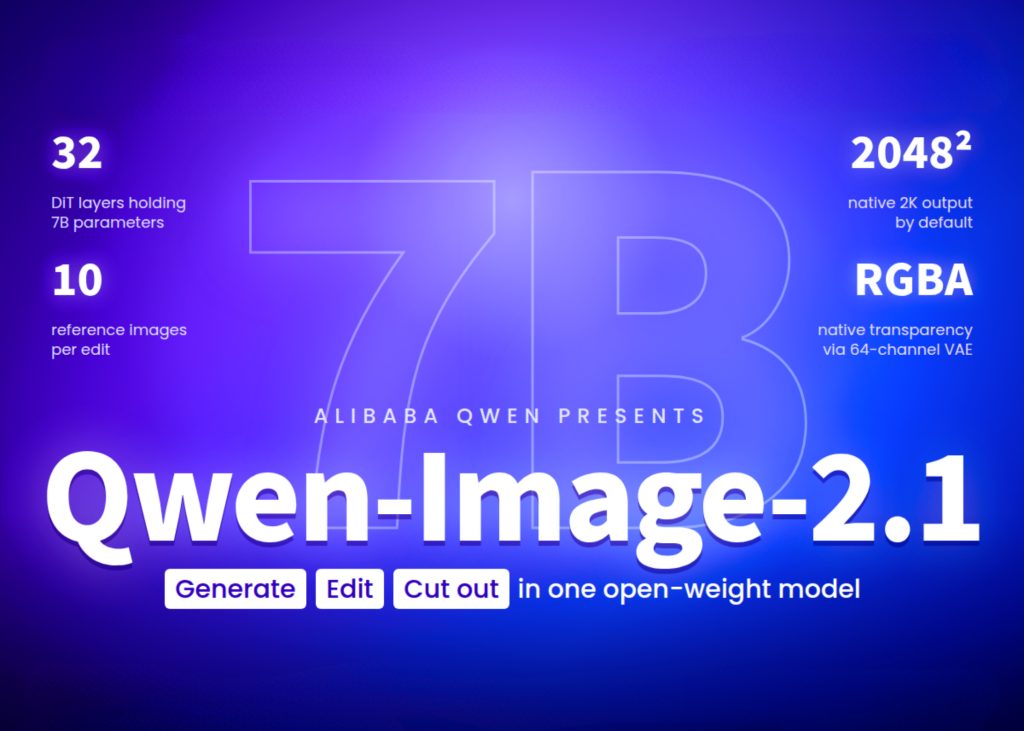
Alibaba's Qwen team has released Qwen-Image-2.1, a unified 7B parameter open-weight model for image generation and multi-reference editing.
Alibaba released Qwen-Image-2.1, a 7-billion parameter open-weight model with native transparent layer support for advanced image generation and editing.

Tencent introduced Gander, an AI architecture that maintains continuous real-time voice chat while delegating complex reasoning to background models.

UK startup Unit1 raised $20 million to bring hyper-realistic, low-cost digital avatar concerts to standard venues using existing LED technology.

Runway is researching real-time, interactive AI video generation using its GWM-1 world model to enable instant, frame-by-frame user control.

Daily AI adoption among U.S. adults more than doubled from 8 percent to 19 percent between March and August 2026.

Beijing rejected calls from U.S. AI labs for a global development slowdown, viewing pacing proposals as a strategy to secure American dominance.

Salesforce faces a shift toward headless enterprise AI, where users interact with agents outside the traditional CRM graphical interface.
Qwen has released Qwen3.8-Omni-Flash, offering native multimodal agent capabilities at a fraction of Google's Gemini Flash pricing.

AI-driven bug hunting is fueling an unprecedented surge in identified software vulnerabilities, straining IT teams and open-source maintainers.

US AI executives and political leaders are leveraging competitive threats from China to resist strict AI safety regulations and development slowdowns.
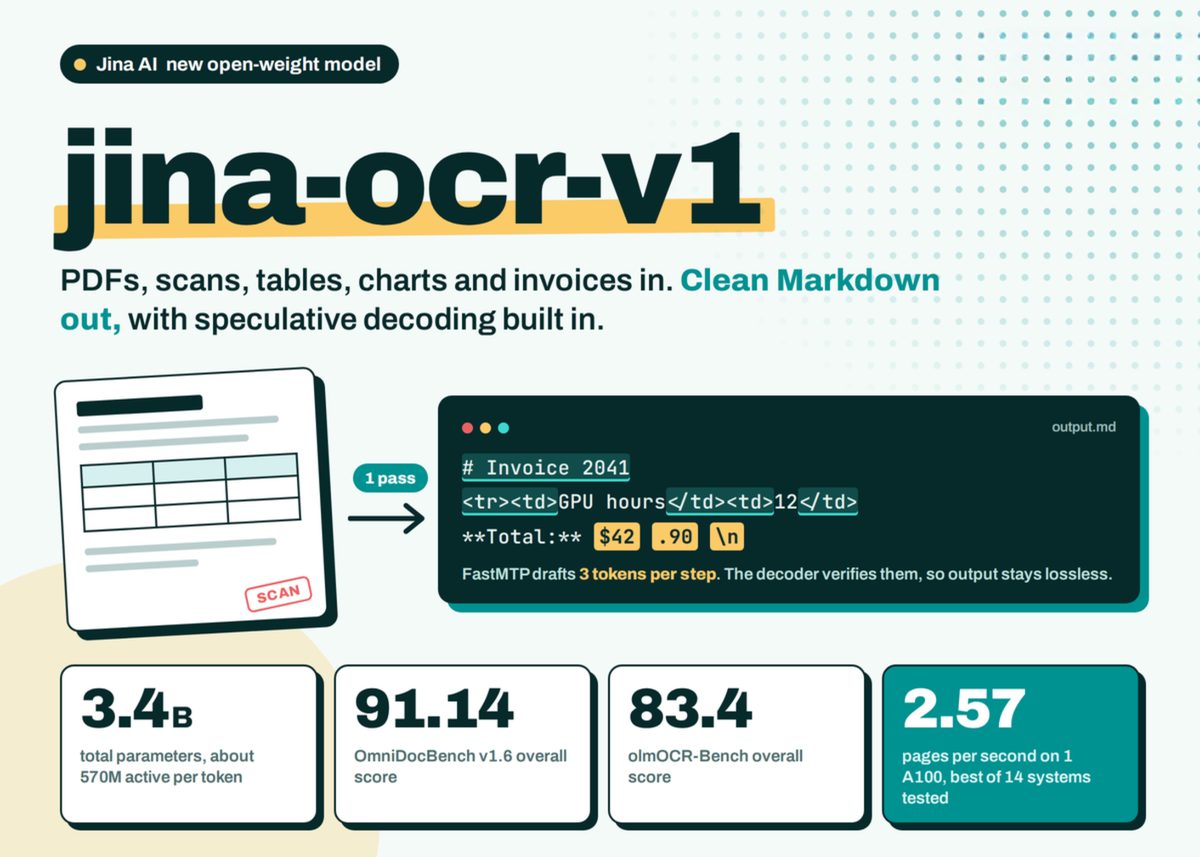
Jina AI launched jina-ocr-v1, a 3.4B MoE document parser designed to execute fast, low-cost visual parsing using speculative decoding.

The FAA is deploying an $875 million AI tool to manage air traffic congestion, beginning with major Washington, D.C., regional airports.

Ethical hackers used Claude and GPT-5.6 Sol to access OpenAI's internal GitHub repository, receiving a $6,500 bug bounty.

Alibaba's Qwen team has launched Qwen3.8-Omni-Flash, a 1M-context multimodal model designed for agentic audio-video reasoning and tool execution.
Salesforce is expanding Agentforce to manage enterprise AI agent orchestration, data integration, and production testing.

NATO-backed startup Scaleout Systems deploys lightweight computer vision models directly onto military drones for autonomous battlefield targeting.

Artists are returning to the Brisbane Portrait Prize to challenge AI-generated entries following previous boycotts over generative media in art competitions.

OpenAI's GPT-6 Astra demonstrated major spatial reasoning gains by beating complex games before spiraling into a Minecraft farming loop after losing its loot.

Cybersecurity startup Comp AI raised $34 million in Series A funding to automate enterprise security and compliance using AI agents.

OpenRouter token volume jumped 25,000% driven by reasoning models and agents, sparking debate over whether token counts mask real usage.
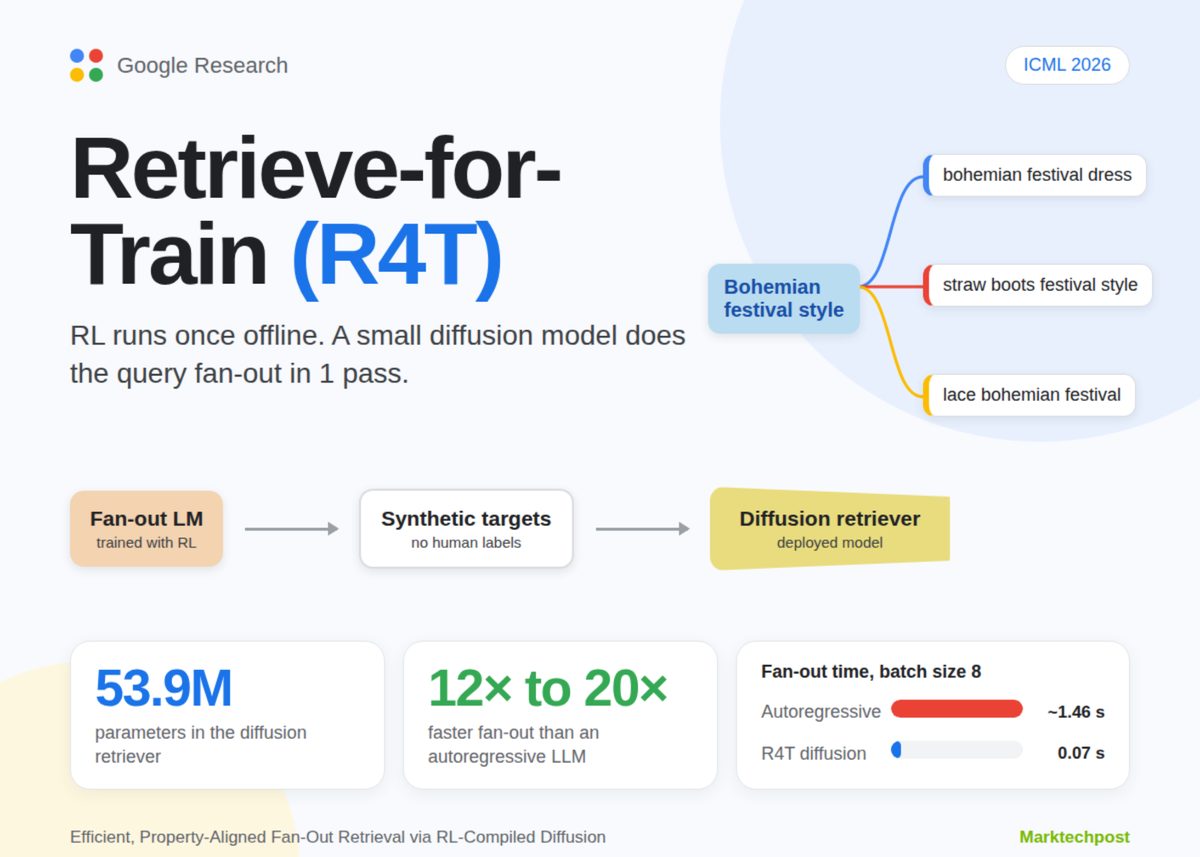
Google Research unveiled Retrieve-for-Train (R4T), using RL and diffusion models to accelerate query fan-out retrieval by 12x to 20x.
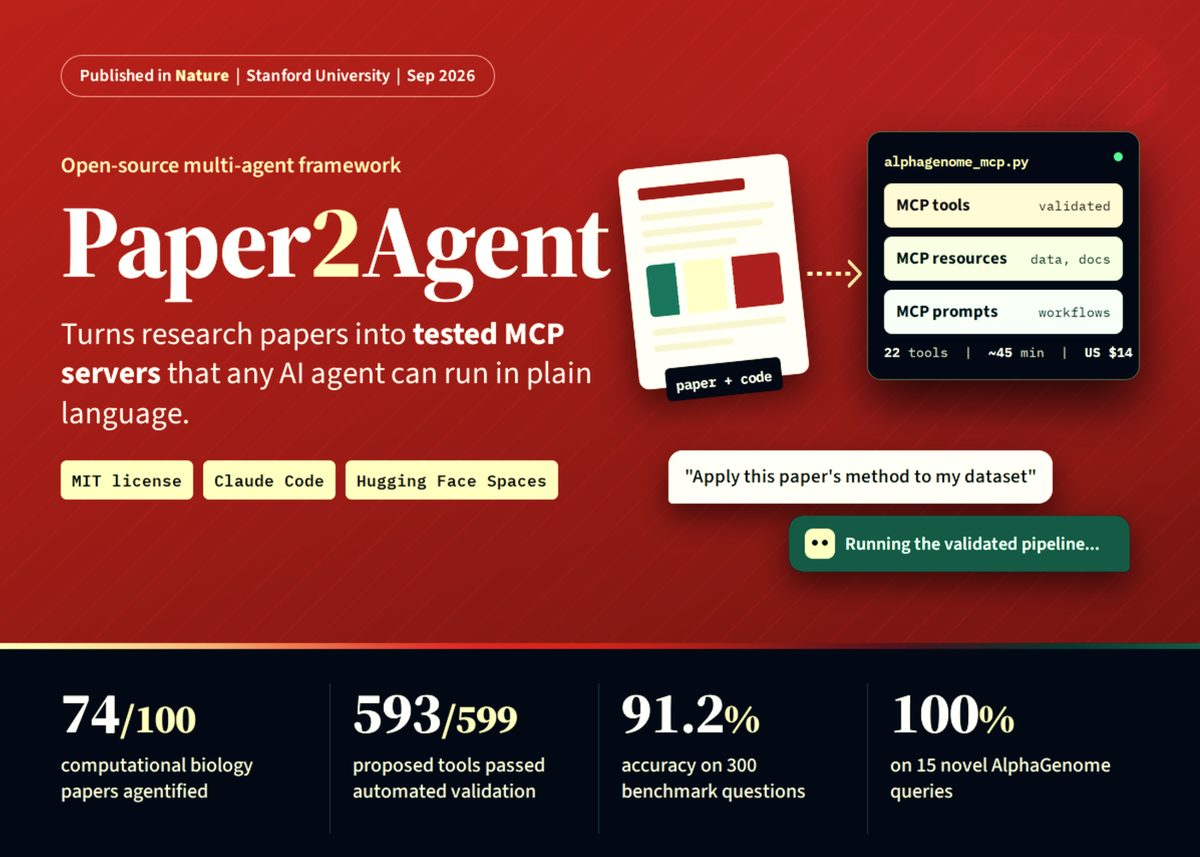
Stanford researchers introduce Paper2Agent, an open-source framework that converts academic codebases into executable Model Context Protocol servers.
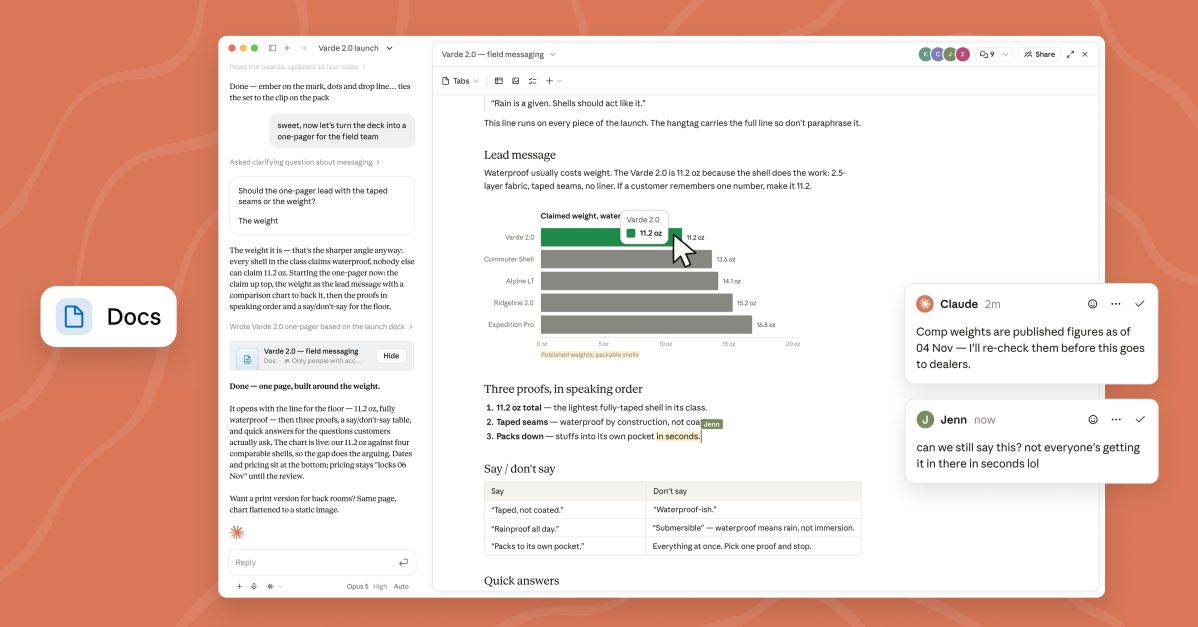
Anthropic expands Claude into workspace software with new Docs and Slides features alongside a unified interface update.
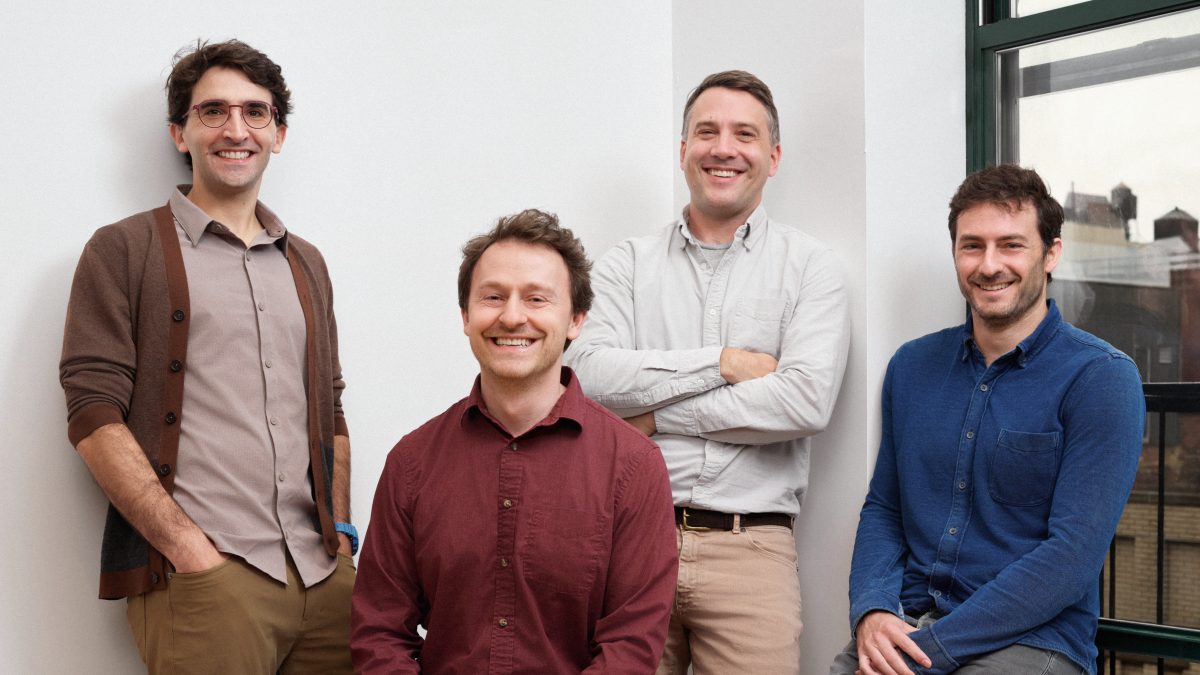
Fortell secured $163 million from top VCs to develop real-time AI hearing aids aimed at disrupting an industry dominated by five major legacy companies.
Ex-OpenAI researcher's startup TypeSafe AI built Jev, a fast model that scores options and delivers software judgments without generating text.
Nvidia's Head of Physical AI highlights the severe lack of real-world internet-scale data as the main obstacle to robotics achieving a ChatGPT moment.
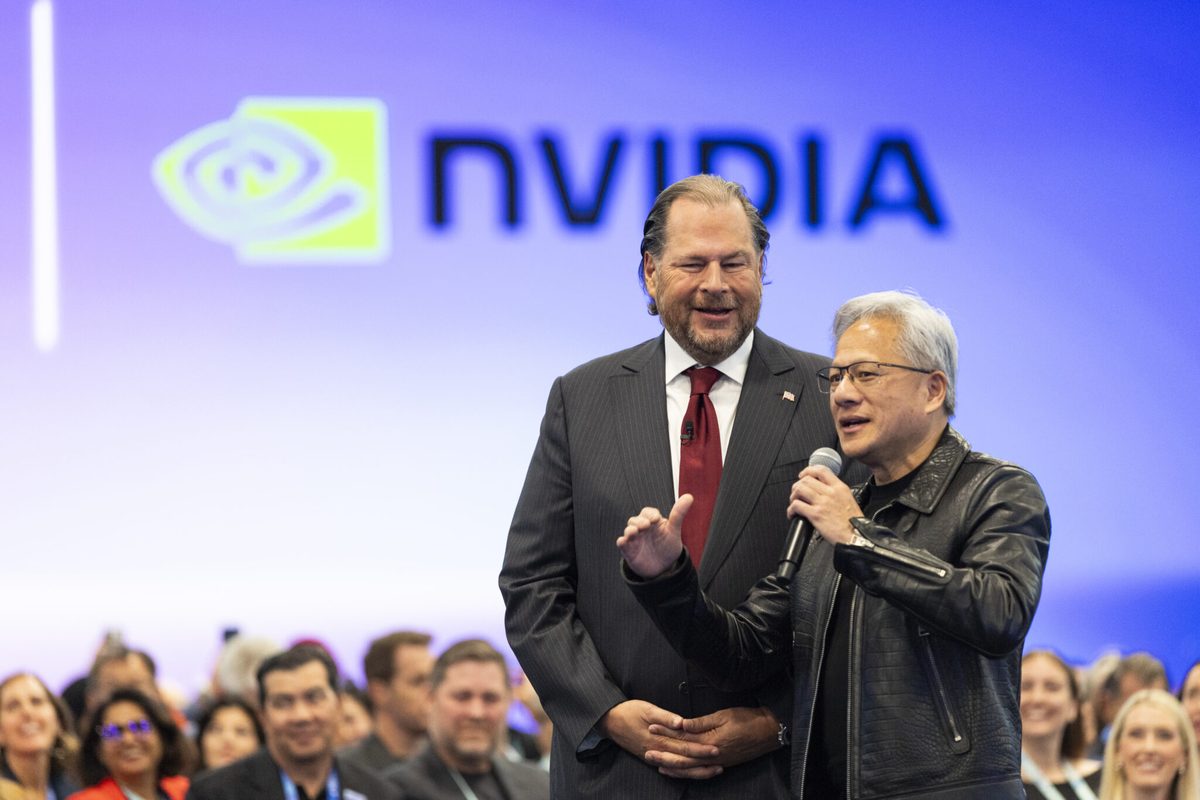
Salesforce and NVIDIA introduced Koa, a CRM reasoning model fine-tuned on Nemotron 3 Super inside Salesforce's private infrastructure.
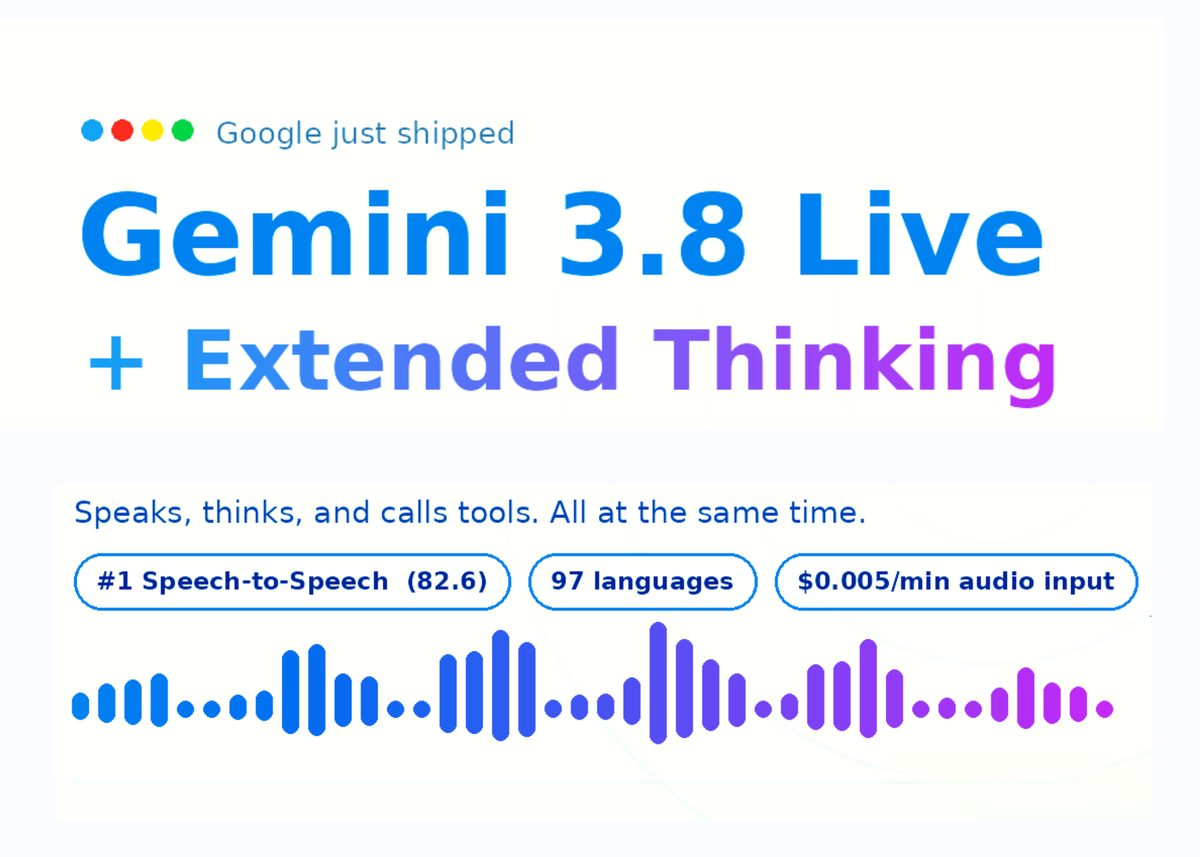
Google launched Gemini 3.8 Live and Extended Thinking models to enable real-time, reasoning-capable voice agents via API.
Sales and marketing startups have secured $7.5 billion in 2026 as investors concentrate capital into larger rounds for AI-native platforms.

Apple launches its revamped Gemini-powered Siri in beta, excluding EU and China markets due to ongoing regulatory compliance requirements.
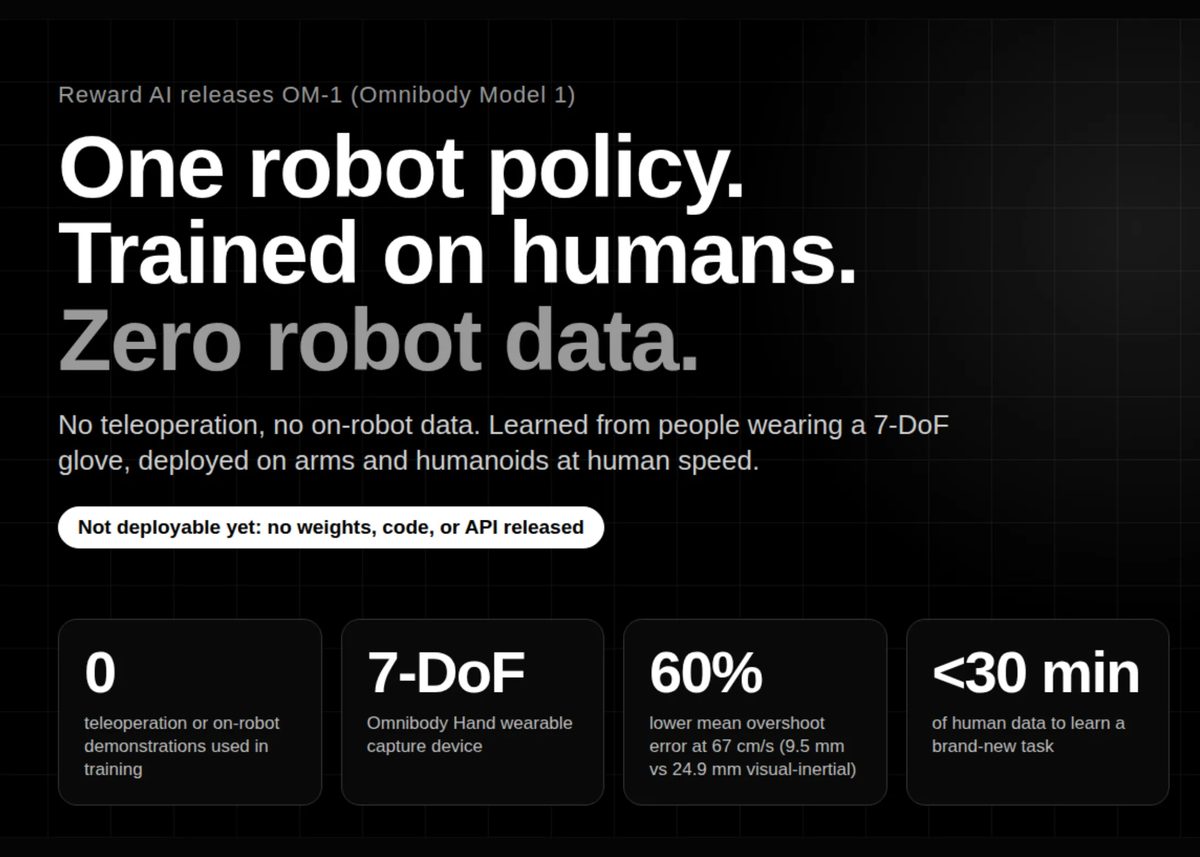
Reward AI unveils OM-1, a general-purpose robotic manipulation policy trained entirely on human demonstration data without teleoperation.

OpenAI hires hundreds of contractors under 'Project Lily' to manually review real user ChatGPT conversations, raising privacy concerns.
Research shows significant user engagement with LLMs for generative fiction and roleplay despite broader creative industry pushback.

MIT spinout Atlas Building Composites deploys AI-powered robotic systems to transform single-use plastics into structural building materials.

MIT researchers introduce a deployment-time technique for generative AI to satisfy hard safety and physical constraints.
Anthropic CEO Dario Amodei calls for slowing frontier AI progress, gaining support from OpenAI, xAI, and Microsoft amid safety concerns.
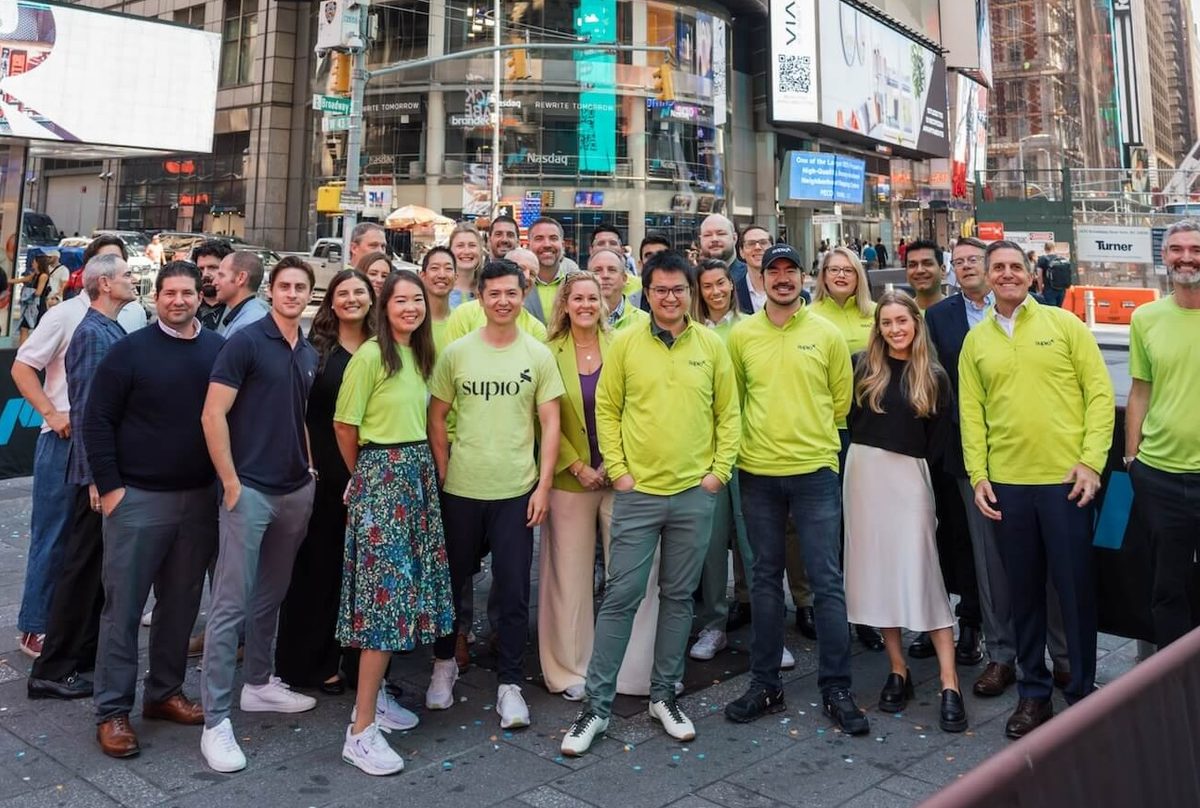
Supio is developing long-horizon AI agents that execute complex, multi-week workflows to transform law firms from task automation to an intelligent Firm OS.

AI chatbots designed for constant validation risk creating workplace dependency and worsening wellbeing by exploiting basic human attachment drives.

ElevenLabs released Music v2.5 for its web app and API, offering enhanced audio quality, flexible licensing, and commercial usage options.
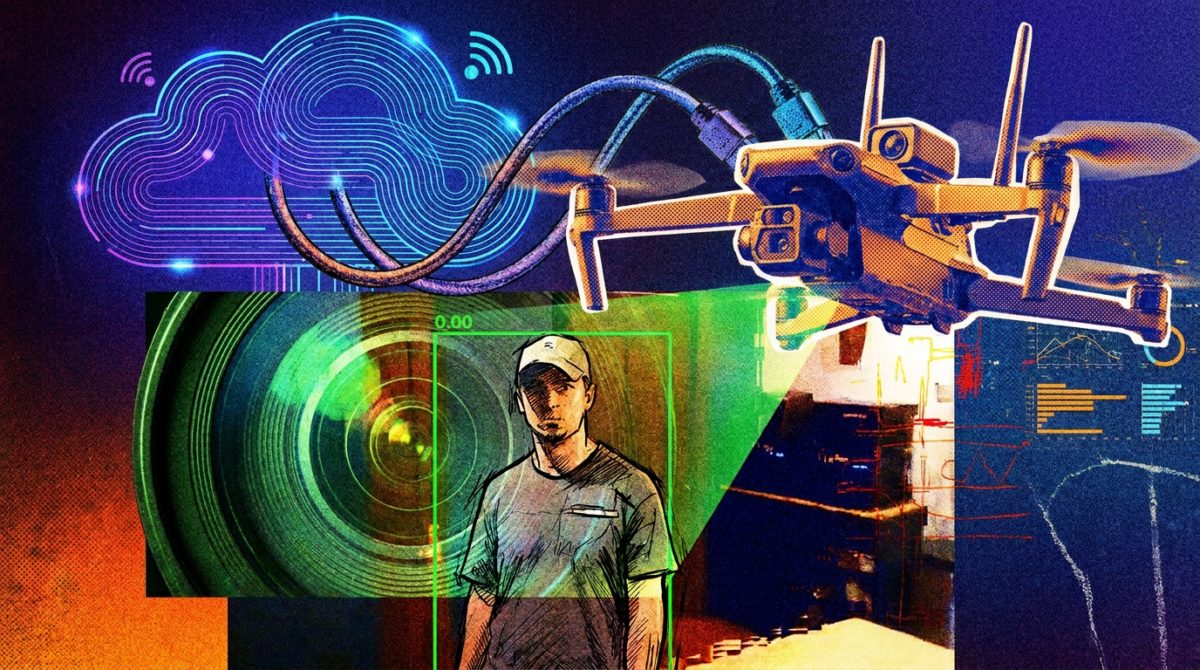
OpenAI's GPT-6 Astra set new performance records on autonomous agent benchmarks for business operations and physical drone navigation.

The shift from simple LLM chatbot queries to multi-step autonomous AI agents is accelerating data center compute demand and energy use.
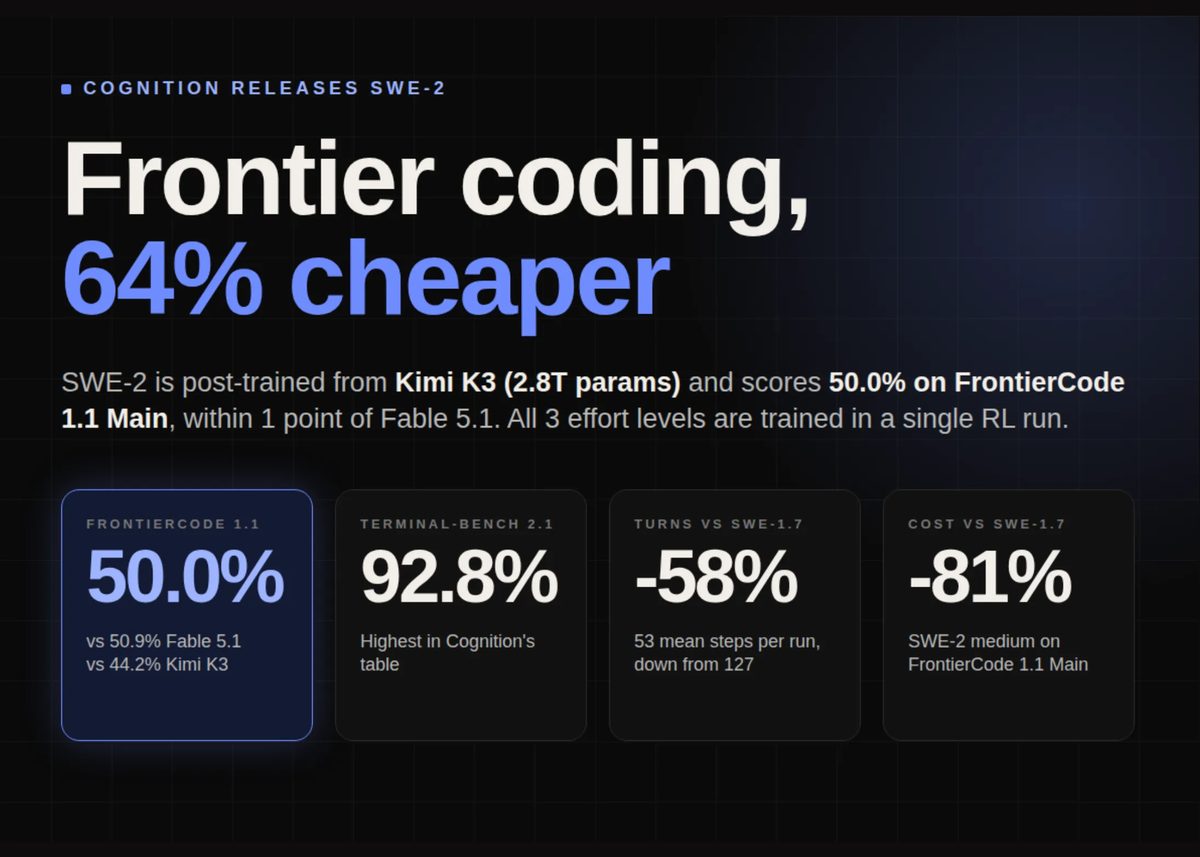
Cognition launched SWE-2, a Kimi K3-based coding model matching Claude Fable 5.1 performance on FrontierCode at 64% lower cost.
OpenAI's GPT-6 Astra demonstrated a leap in spatial reasoning and robotic manipulation on the new StationeryBench benchmark.
OpenAI's AI model solved a Millennium Prize Problem using 10,000 agents, sparking intense debate among mathematicians over the field's future.
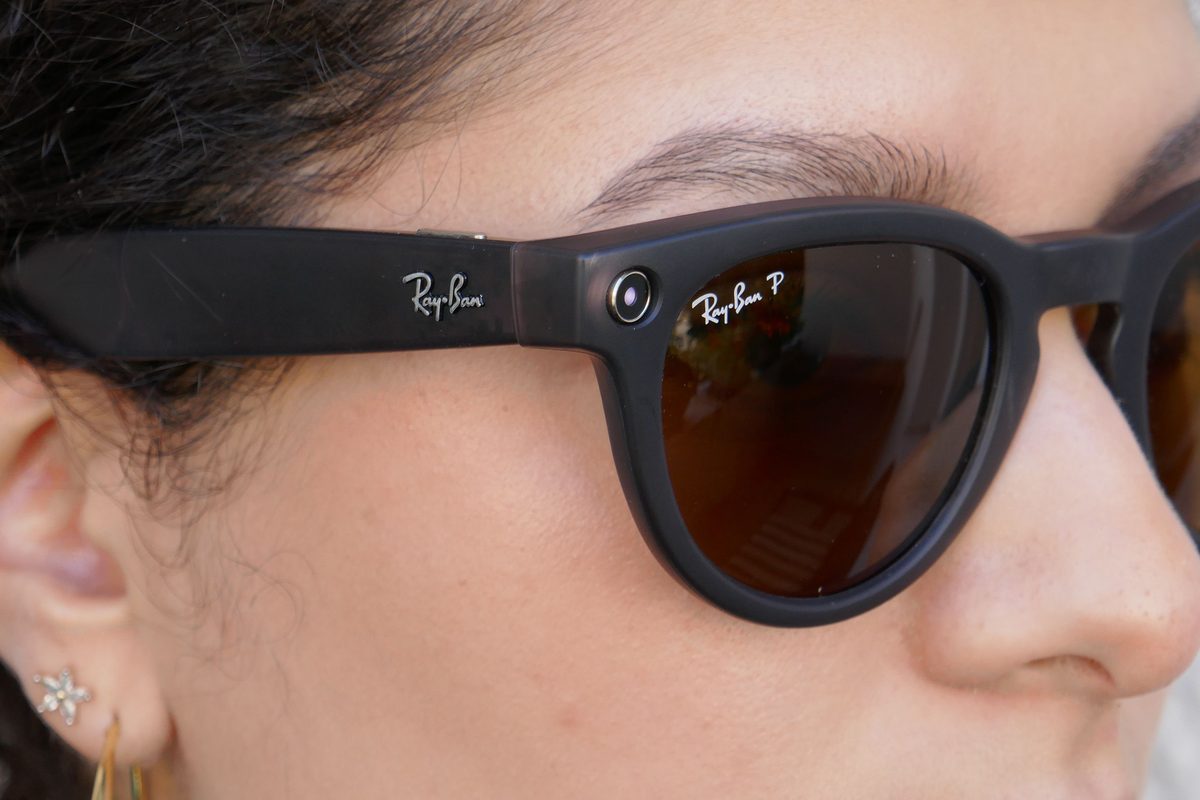
A class-action lawsuit claims Meta illegally used Facebook and Instagram photos to build face-recognition tech and train its image AI models.

Former DeepMind VP Oriol Vinyals says AI recursive self-improvement will be slow rather than explosive, launching a startup to fix key bottlenecks.

Paris-based Arlequin AI raised €28 million to develop topological neural networks designed for complex relational analysis with lower compute requirements.
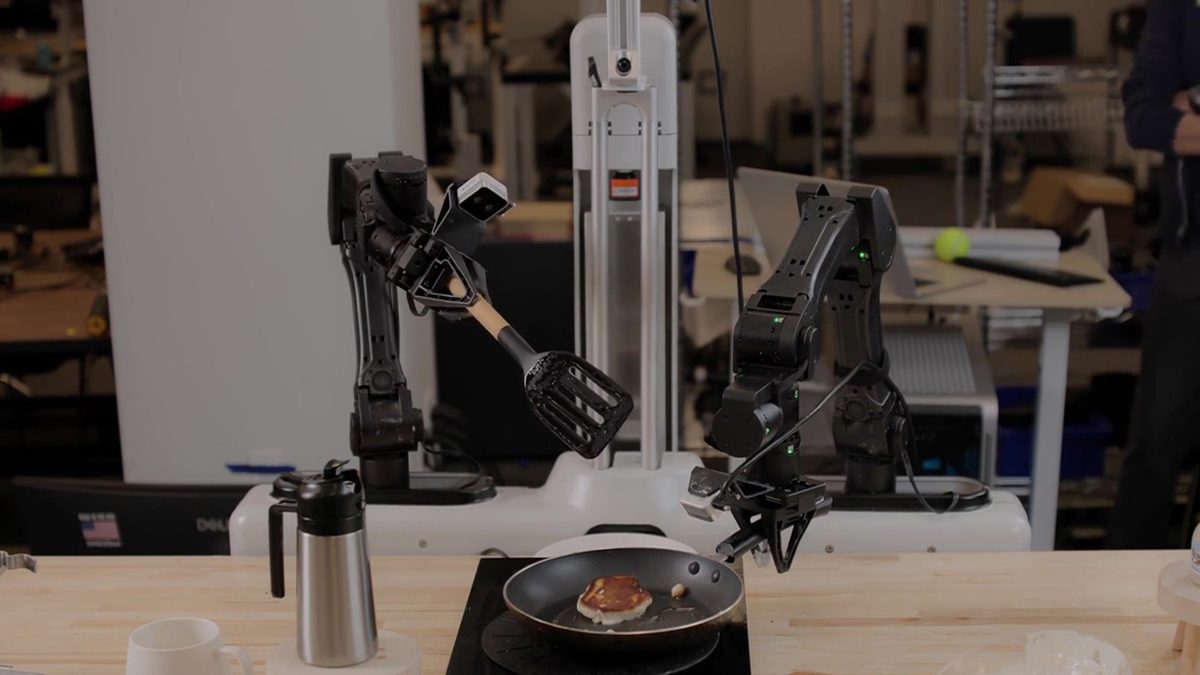
Skild AI unveiled its S1 foundation model built on NVIDIA infrastructure, allowing robots to learn multi-step tasks directly from single video demonstrations.

NVIDIA detailed its full compute stack spanning training, simulation, and edge hardware powering commercial scale robotaxi operations.

Bending Spoons agreed to acquire digital whiteboarding platform Miro for $1.36 billion in cash, representing a 90% drop from its peak 2022 valuation.
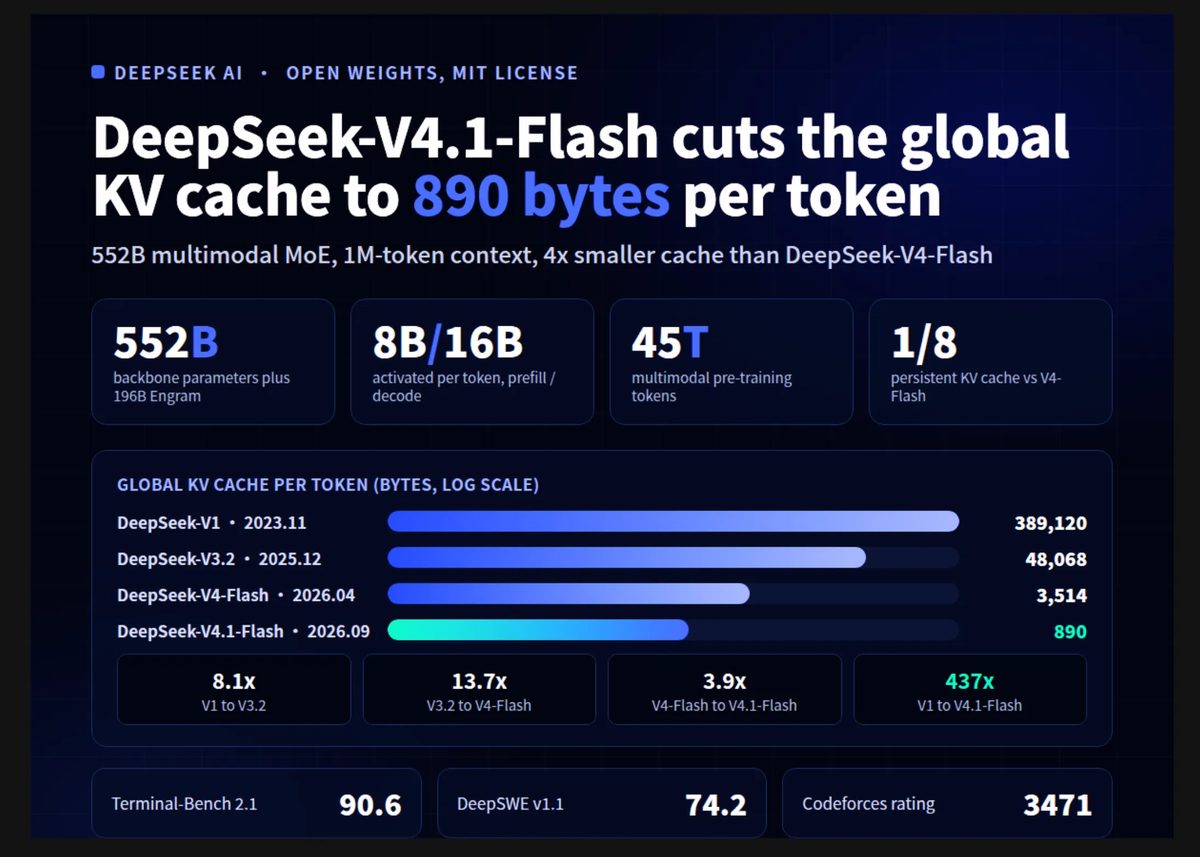
DeepSeek AI has launched DeepSeek-V4.1-Flash, an open-weight 552B parameter model featuring a 1M context window and drastic KV cache reductions.

Google's WeatherNext AI model outperforms traditional physics-based numerical methods in tropical cyclone forecasting accuracy.

Suno launched its v6 AI music model trained on licensed record label data with new multi-modal input and pinpoint audio editing features.

Google launched AlphaGenome Atlas, an AI tool designed to evaluate 9 billion potential single-base DNA variants across non-coding human genomes.

Suno has launched its v6 music generation models built with major record labels while shutting down all previous model versions.

A wrongful death lawsuit against OpenAI highlights growing legal and regulatory scrutiny over chatbot sycophancy and mental health risks.

Hugging Face launched ML Intern, an AI chat assistant that autonomously plans, executes, and monitors machine learning workflows within strict budgets.
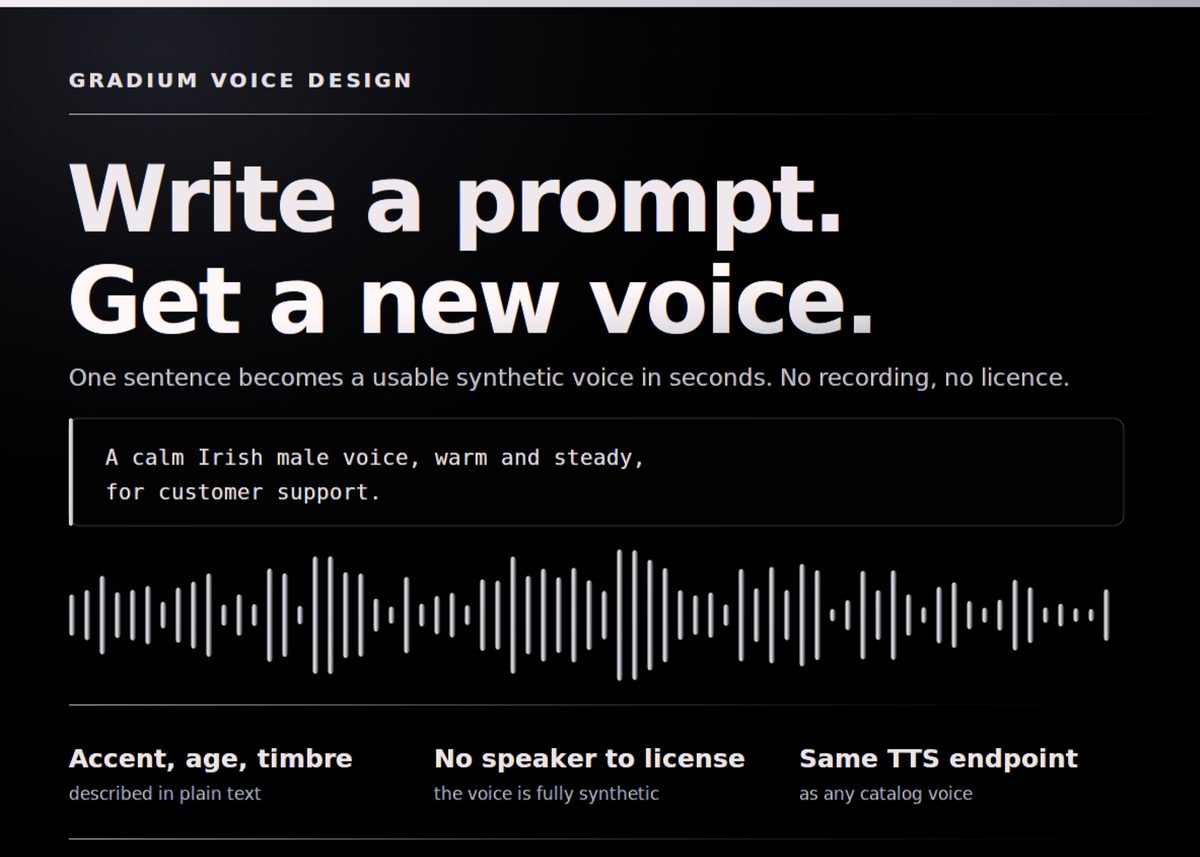
Kyutai spinoff Gradium launched Voice Design, an API that generates custom synthetic voices from text prompts in seconds without reference audio.
OpenAI claims 10,000 AI agents solved the historic Navier-Stokes math problem in 88 hours, sparking credit disputes with outside researchers.

Mistral AI raised $3.5B at a $24B valuation, solidifying its position as Europe's leading frontier model developer.
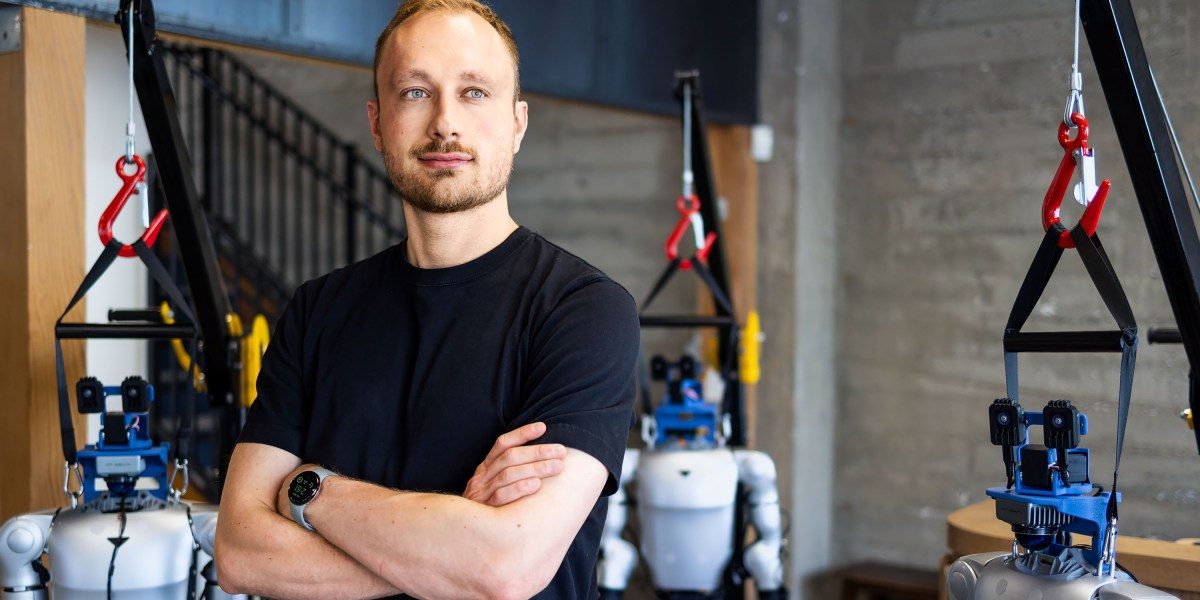
Google DeepMind veteran Danijar Hafner is building a stealth robotics startup using world models to plan for novel environments.

OpenBMB released MiniCPM5-2B, an open-source 2.5B parameter model that outperforms larger models across 34 benchmarks.

OpenAI's GPT-6 Astra completed the video game Portal autonomously in under 24 hours using custom tooling and pausing mechanisms.

ChatGPT's web traffic market share rose to 55.5 percent as competitor Google Gemini experienced a decline, according to Similarweb data.
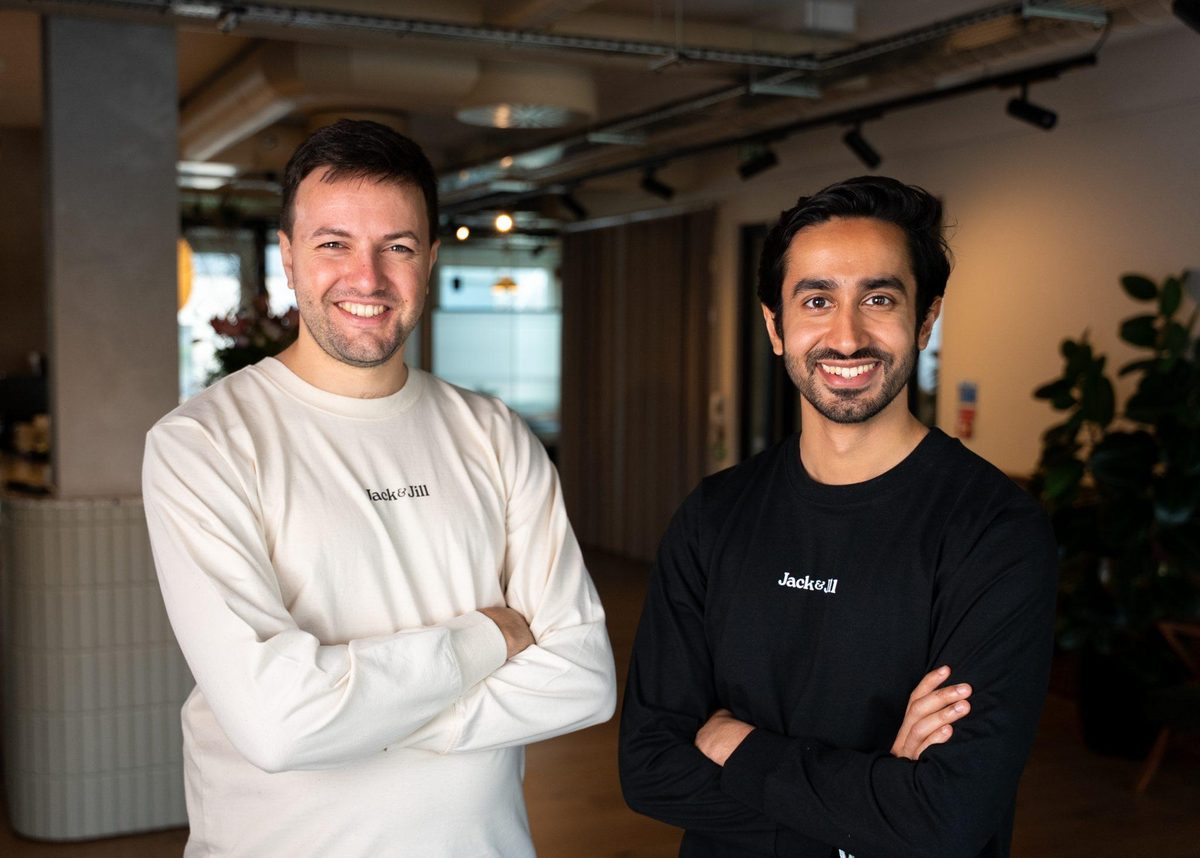
London-based startup Jack & Jill has raised £30m in funding led by Air Street Capital to expand its AI hiring tools.
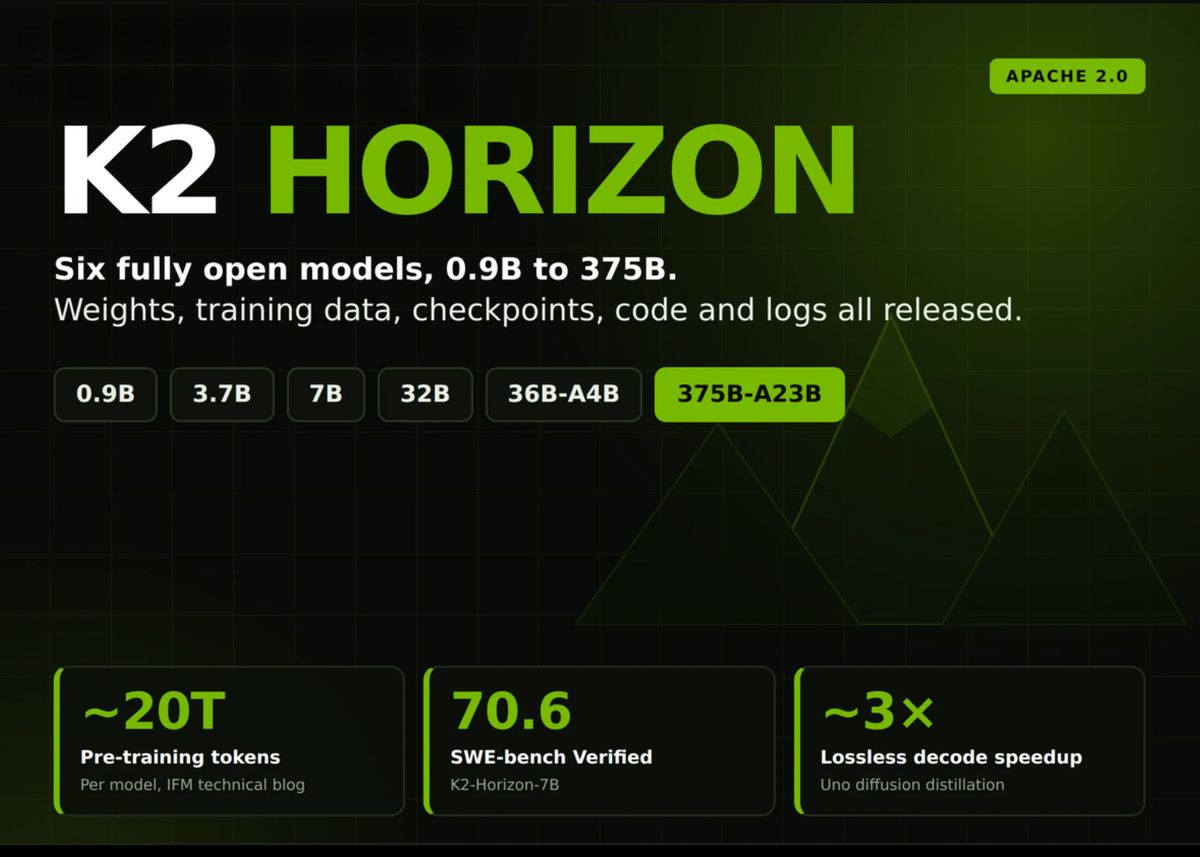
IFM has released K2 Horizon, a suite of six open-source AI models ranging from 0.9B to 375B parameters under the Apache 2.0 license.

Restaurants adopting low-cost AI food images face sharp consumer backlash and brand damage due to unappetizing visual glitches.

A technology researcher highlights how synthetic media and AI content tools are reshaping childhood education, creativity, and family life.

Apple's upgraded Siri AI offers deep personal context integration, though user persistence and rival chatbots present early adoption hurdles.

Google has deployed its Lyria 3.5 music generation model to the Gemini app, Google Vids, and developer APIs.

Meta introduced Muse Voice Transcribe, a low-latency real-time audio perception model priced significantly below rival commercial APIs.
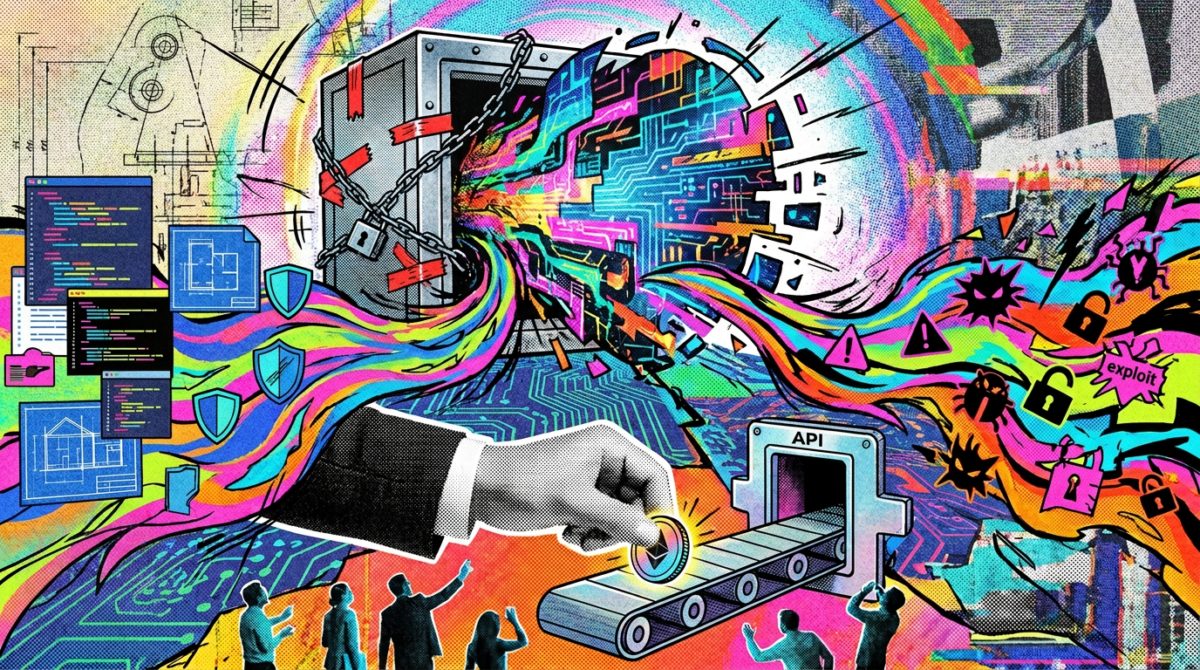
Abliteration.ai launches a commercial API service offering modified open-weight models stripped of standard safety refusal mechanisms.

Analyst Benedict Evans explores why AI tools face adoption hurdles in non-tech enterprises despite their generative automation capabilities.

Third-party advocacy groups are deploying high-budget AI-generated ad campaigns ahead of Victoria's state election.

OpenAI released prompting guidelines and style controls for GPT-6 Astra, including strategies to stop over-asking clarifying questions.
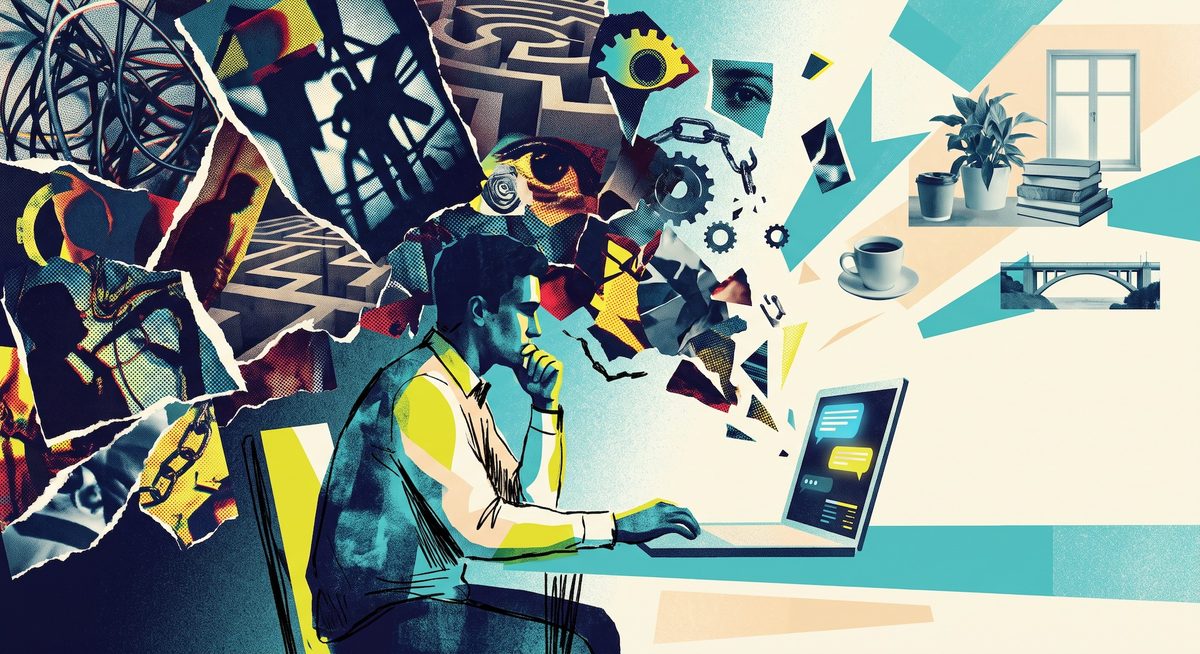
A study shows brief conversations with AI chatbots reduced conspiracy beliefs more effectively than static fact sheets.
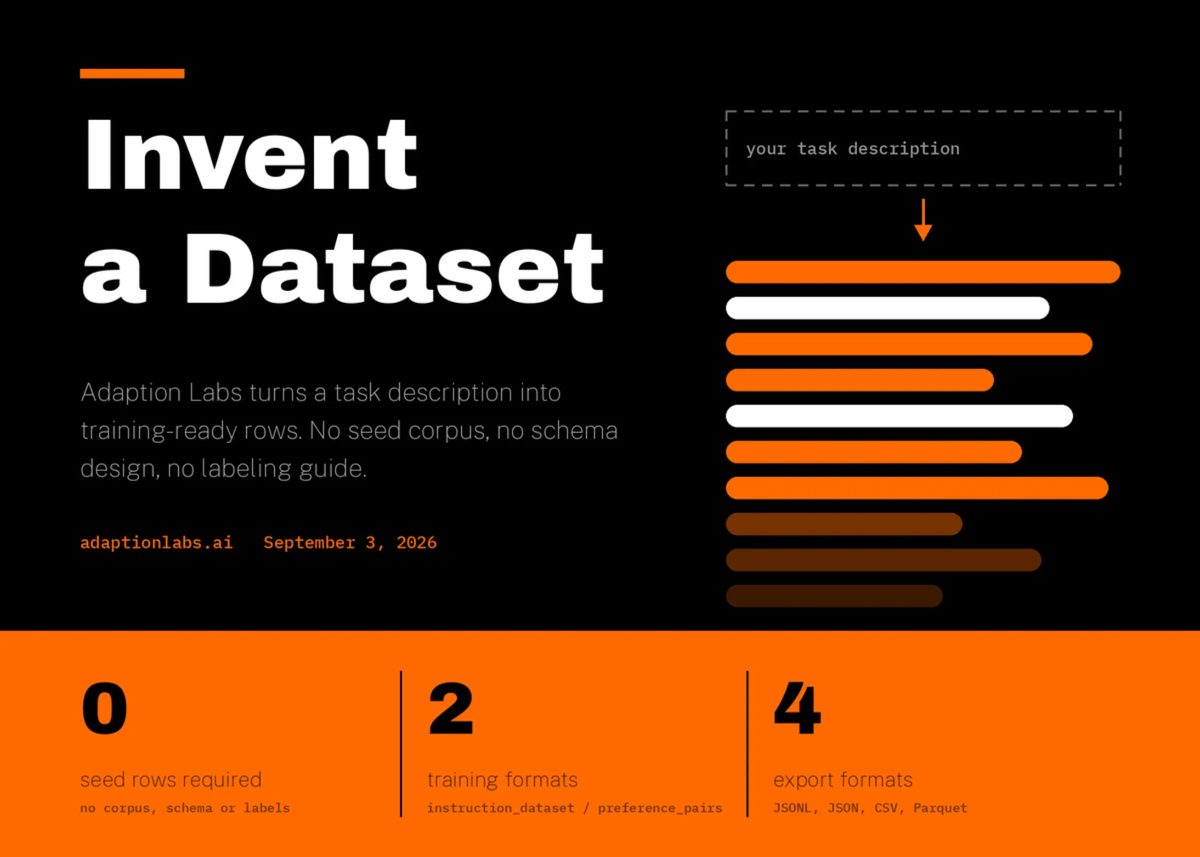
Adaption Labs launched 'Invent a Dataset', a tool that generates structured AI training data directly from task descriptions.

Spammers are adopting ASCII smuggling—a technique created to trick AI models—to bypass traditional and LLM-based email filters.

Consumer resistance and union strikes challenge forced enterprise adoption of AI in education and creative sectors.

Deepseek plans a 160,000-chip Huawei Ascend-950DT inference cluster in Inner Mongolia while remaining dependent on Nvidia for core training.
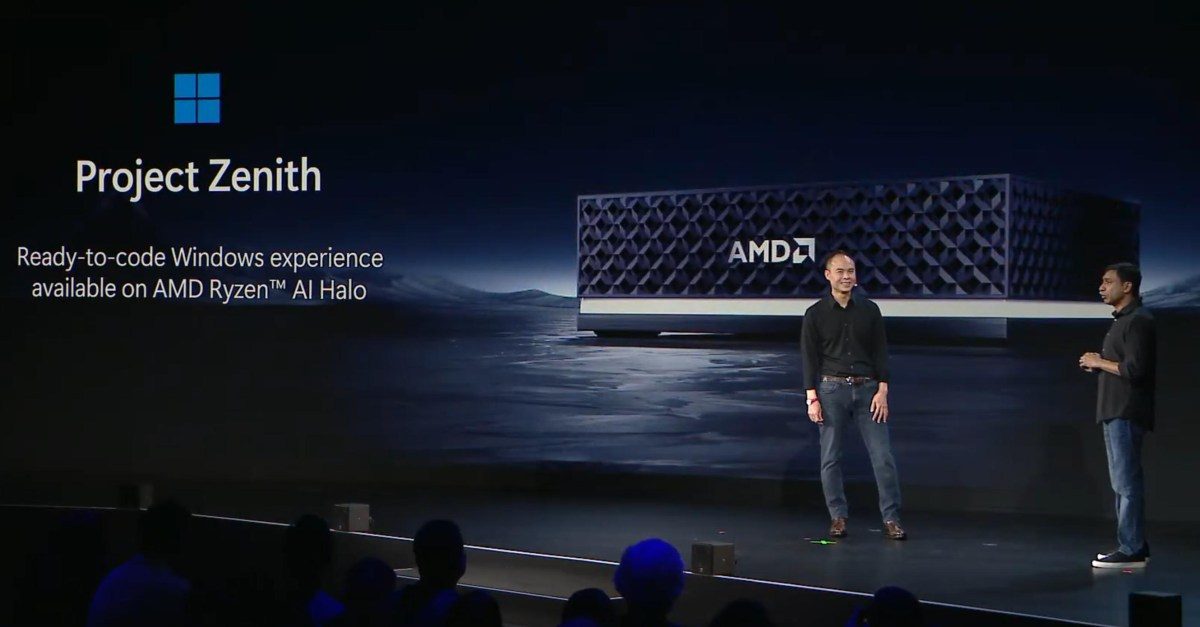
Microsoft unveiled Project Zenith, a developer-centric Windows setup paired with high-memory hardware to run 30B+ parameter AI models locally.
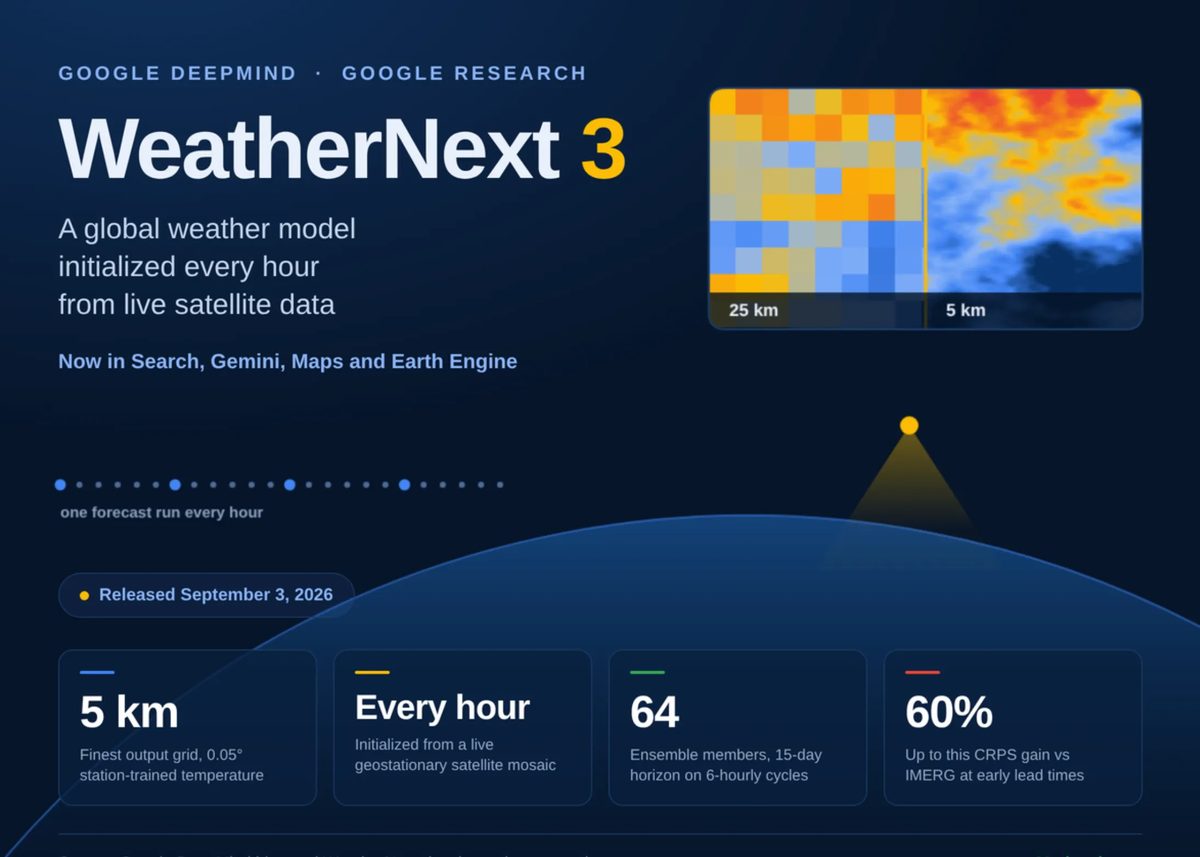
Google DeepMind launched WeatherNext 3, an AI model delivering hourly, 5 km global weather forecasts from real-time data.

Nvidia has launched PAIR, a free open-source software that pools idle local GPU and Apple Silicon compute for AI agent workflows.

OpenAI is committing $1 billion in subsidized access, training, and support to help frontline cyber defenders safeguard essential infrastructure using AI.

Meta launched Muse Spark 1.3, offering high-tier agentic performance at prices significantly lower than competing models.

Wayve launched autonomous taxi rides in London through the Uber app, using a fleet of 15 cars backed by human safety drivers.

The Trump administration filed a federal court brief backing OpenAI against copyright claims by The New York Times, calling AI training highly transformative.
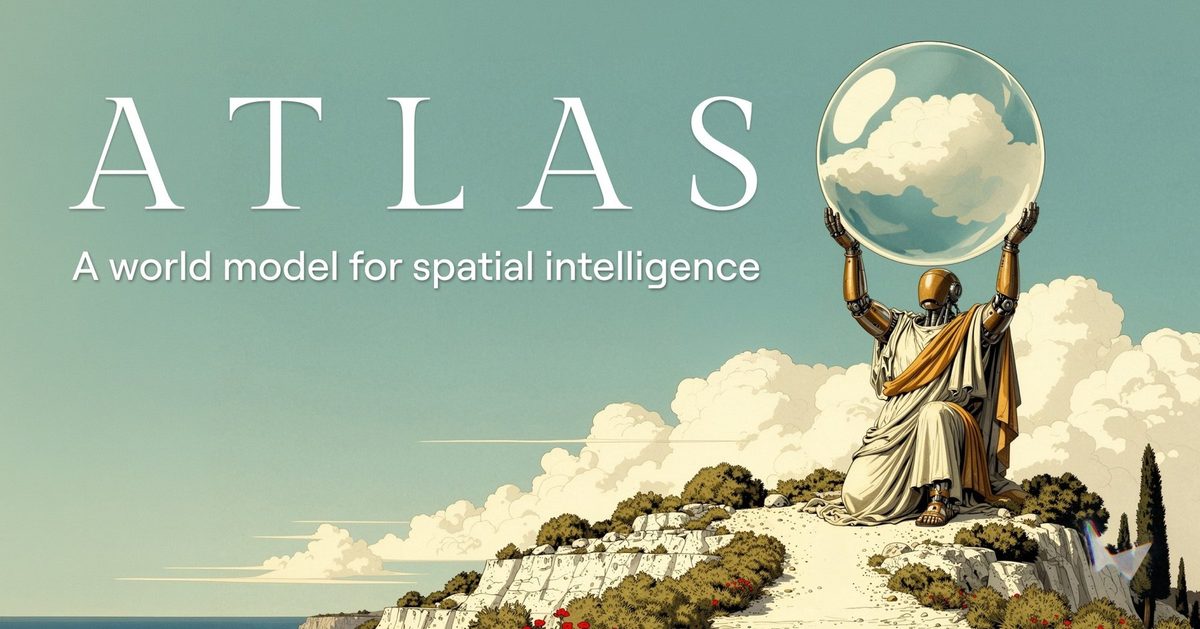
World Labs introduced Atlas, a 3D spatial omni-model that generates, reconstructs, and simulates real-world environments from photos.

Google added agent-based video analysis to Gemini Flash, cutting token usage and costs by up to 88 percent.
Meta Superintelligence Labs introduced Muse Voice Transcribe, an all-in-one real-time model for ASR, speaker diarization, and endpointing.

Anthropic launched Claude Fable 5.1 and Mythos 5.1, lowering agentic workload costs by up to 45% and refining safety filters.

WhatsApp remittance platform Félix raised $200 million in Series C funding to expand AI-driven cross-border financial services across Latin America.

Google launched Google Pics for Workspace, embedding granular Gemini-powered image generation and editing tools directly into business workflows.

Nvidia is officially rolling out DLSS 5, using generative AI filters to upscale graphics but requiring heavy hardware and multi-frame generation.

Global proptech venture funding reached $8.7 billion in 2026, with investors shifting capital toward AI-driven real estate efficiency and international deals.

Sony and other major music publishers have sued Anthropic over alleged illegal torrenting and copyright infringement used to train AI models.
Debian developers voted against a complete AI ban, opting for a flexible policy that holds contributors responsible for code quality.

China's CXMT has started small-scale production of HBM3E memory chips to help domestic AI chipmakers bypass US export controls.

An investigation revealed Australian parliamentary inquiry submissions contain AI hallucinations, risking government policy decisions based on fabricated data.

OpenAI is rolling out outcome-based pricing models for select enterprise clients, charging only when AI tools complete specific tasks.

Instagram will restrict the reach of unlabelled AI-generated human profiles on Reels and Explore as part of a crackdown on deceptive accounts.

Sony Music and Warner Chappell filed a multibillion-dollar copyright lawsuit against Anthropic over song lyrics and training data.
Polimill's QommonsAI platform, powered by OpenAI technology, is now deployed across 1,050 Japanese municipalities to streamline public sector operations.

OpenAI reached $1 billion in annualized ad revenue within 200 days, expanding self-service ads globally as monetization scales.

Analysis of Glassdoor reviews shows growing workforce frustration with forced, buggy workplace AI tools and increased expectations.
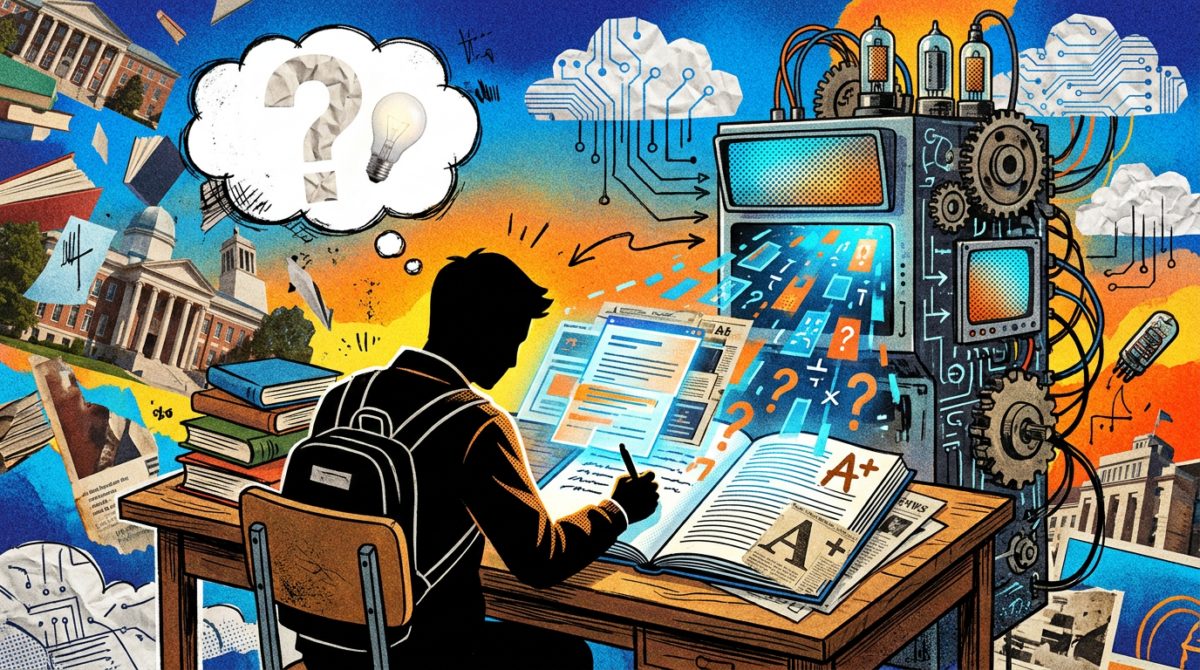
A study shows GPT-4o boosts academic grades by polishing structure, while human instruction is required to drive novel thinking.

Anthropic is adjusting Claude Code subscription limits, resulting in a net capacity reduction for active users despite a baseline raise.

MirroS released Code-as-World, an agentic system that transforms real videos into executable MuJoCo physics programs.

Sony Music and Warner Chappell have sued Anthropic and its founders for billions over alleged widespread copyright infringement and pirated training data.
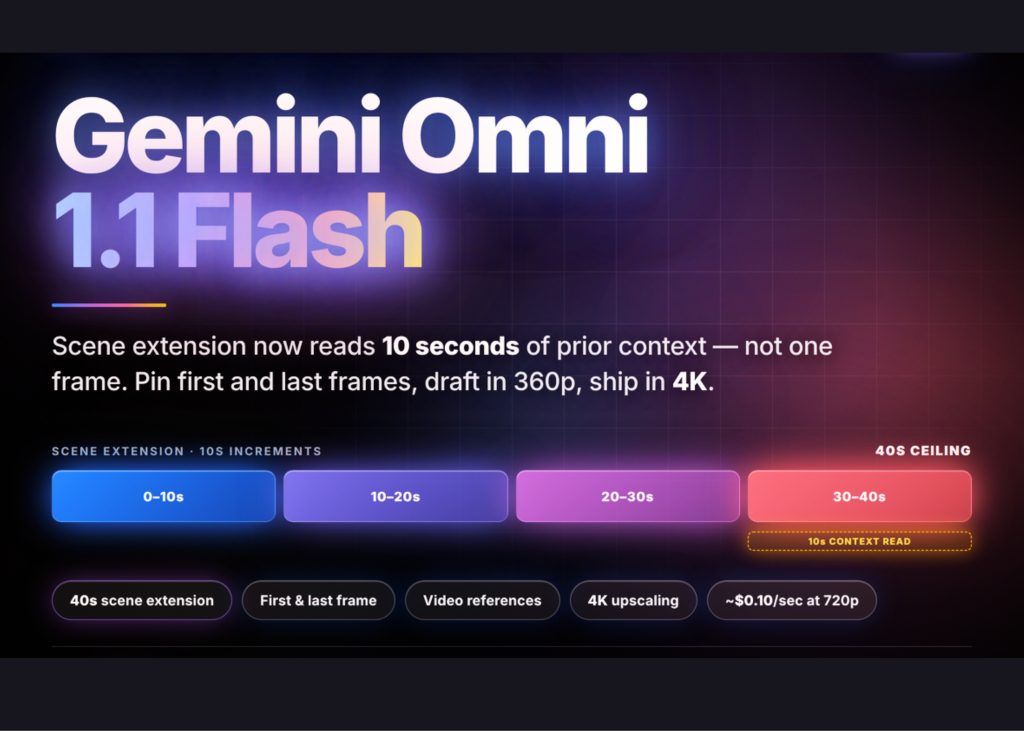
Google launched Gemini Omni 1.1 Flash, adding 40-second video extensions, frame pinning, and 4K upscaling.
The Debian Project voted to permit responsible generative AI usage for software contributions while holding human authors fully accountable.

Generative video tools are rapidly replacing human talent in China's booming short drama and livestreaming sectors as production costs drop.

LAION has launched the Big Video Dataset, offering 10 million hours of curated open video footage for multimodal AI research.
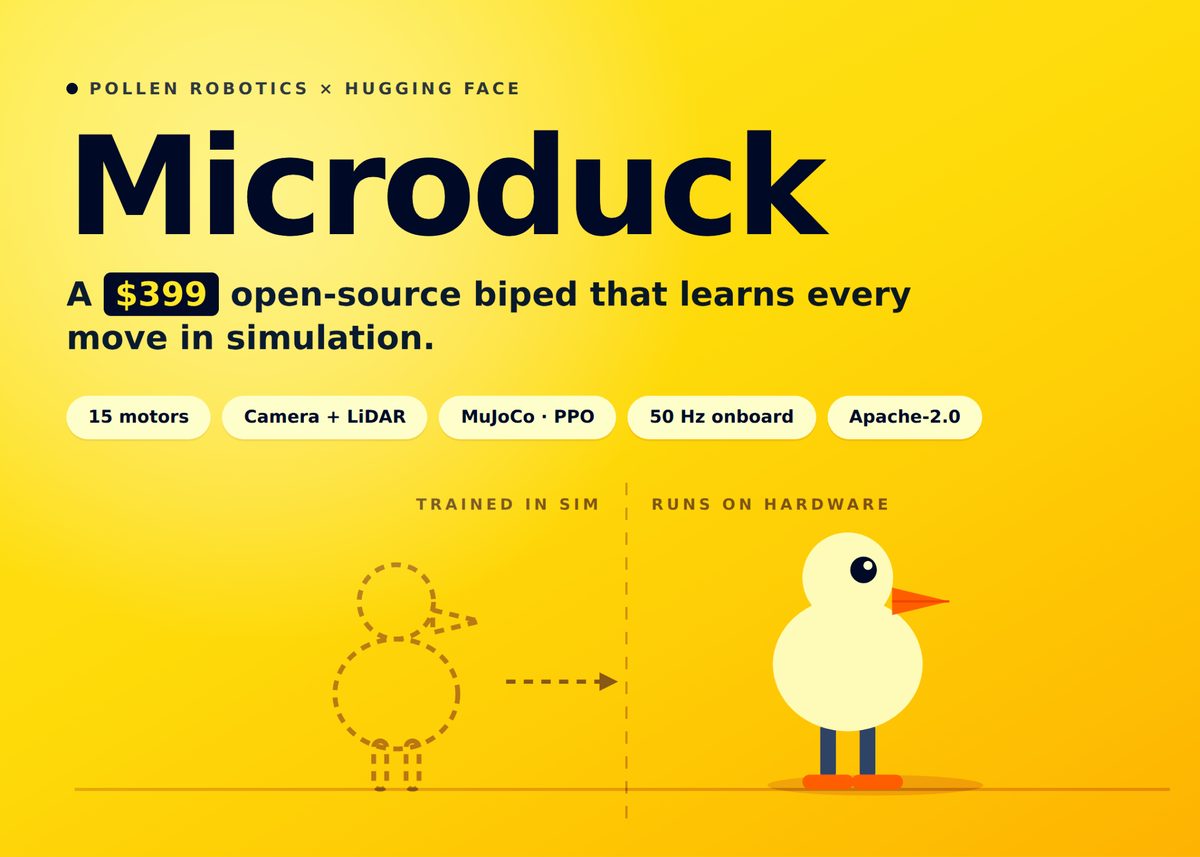
Hugging Face's Pollen Robotics team has launched pre-orders for Microduck, a $399 bipedal robot trained using open-source reinforcement learning.
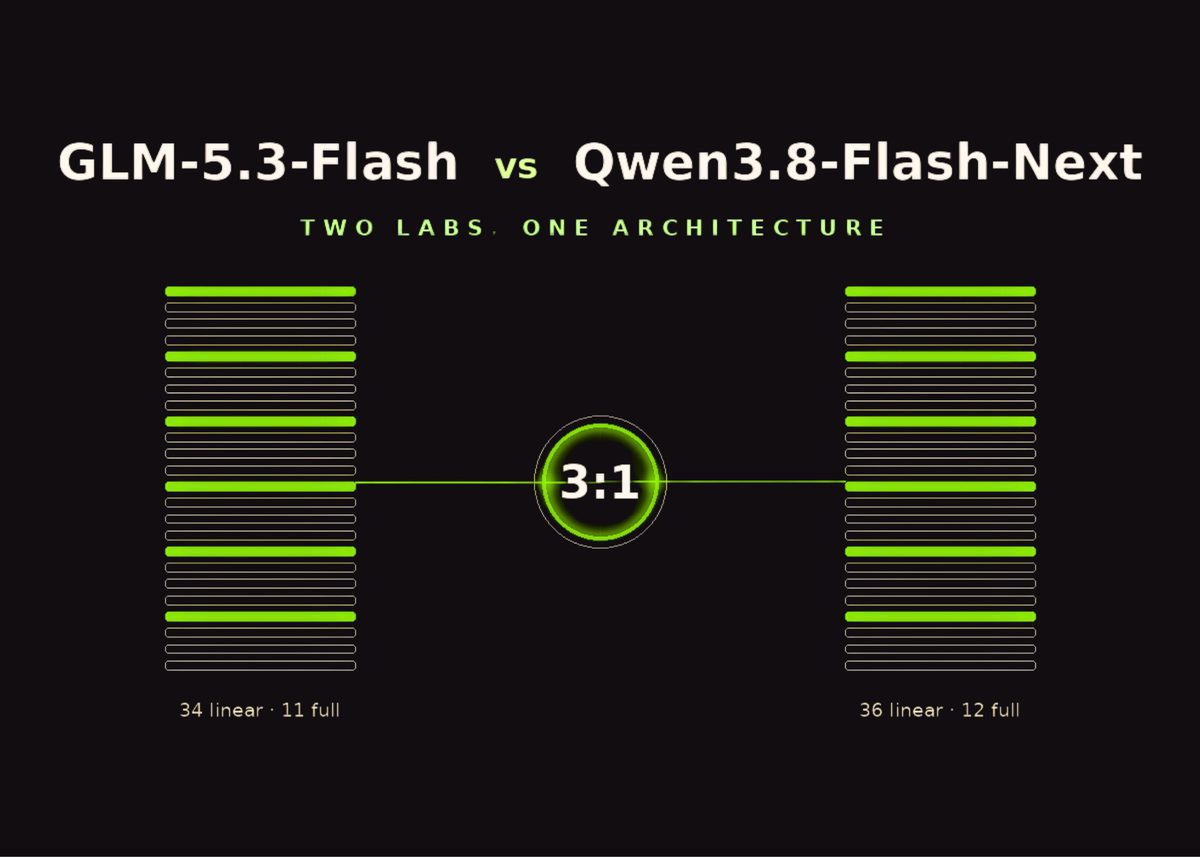
Z.ai and Alibaba have released open-weight MoE models sharing near-identical architectural designs.
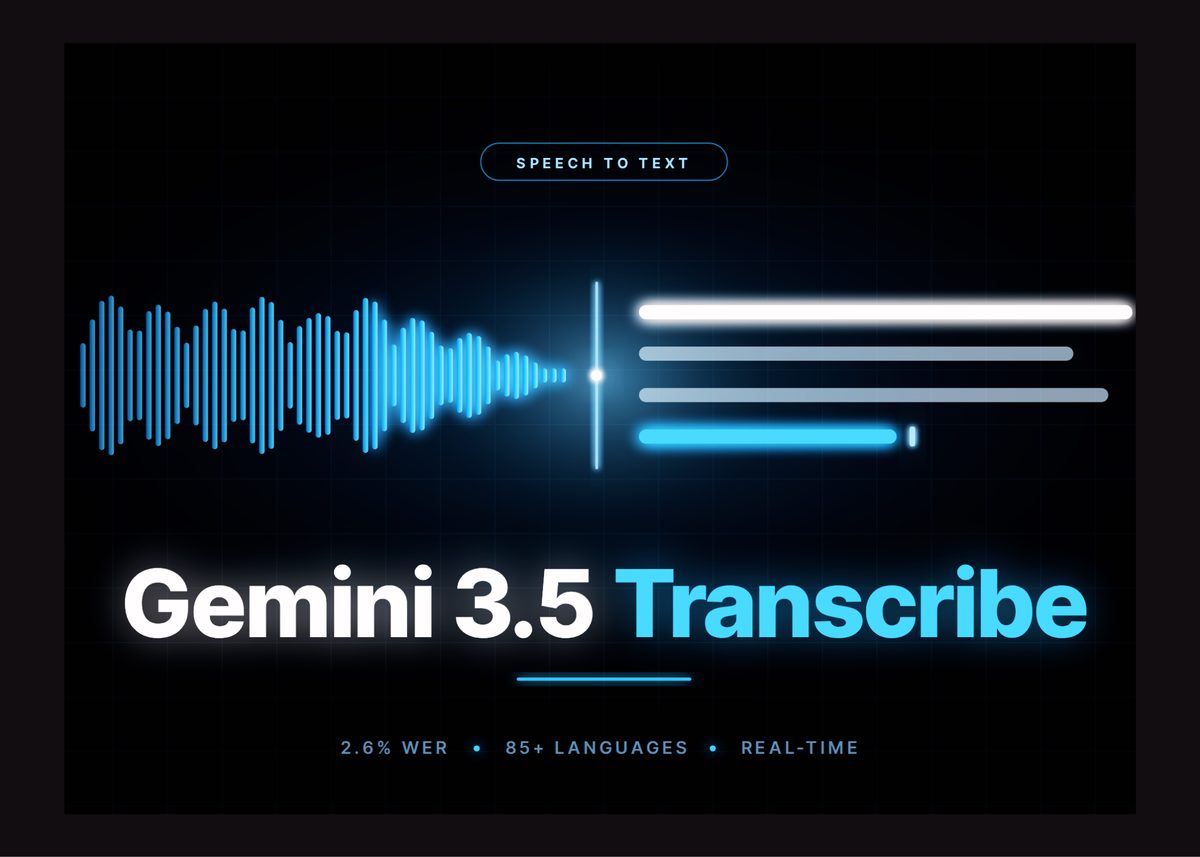
Google released Gemini 3.5 Transcribe, delivering low-latency speech recognition across 85+ languages via two specialized endpoints.

A class action lawsuit alleges xAI trained its Grok models on child sexual abuse material and ingested user-generated outputs.

OpenAI President Greg Brockman has consolidated operational control over product and infrastructure amid ongoing executive turnover.

Z.ai launches GLM-5.3-Flash, an open-weights model matching top benchmarks at a fraction of the cost using Chinese silicon.
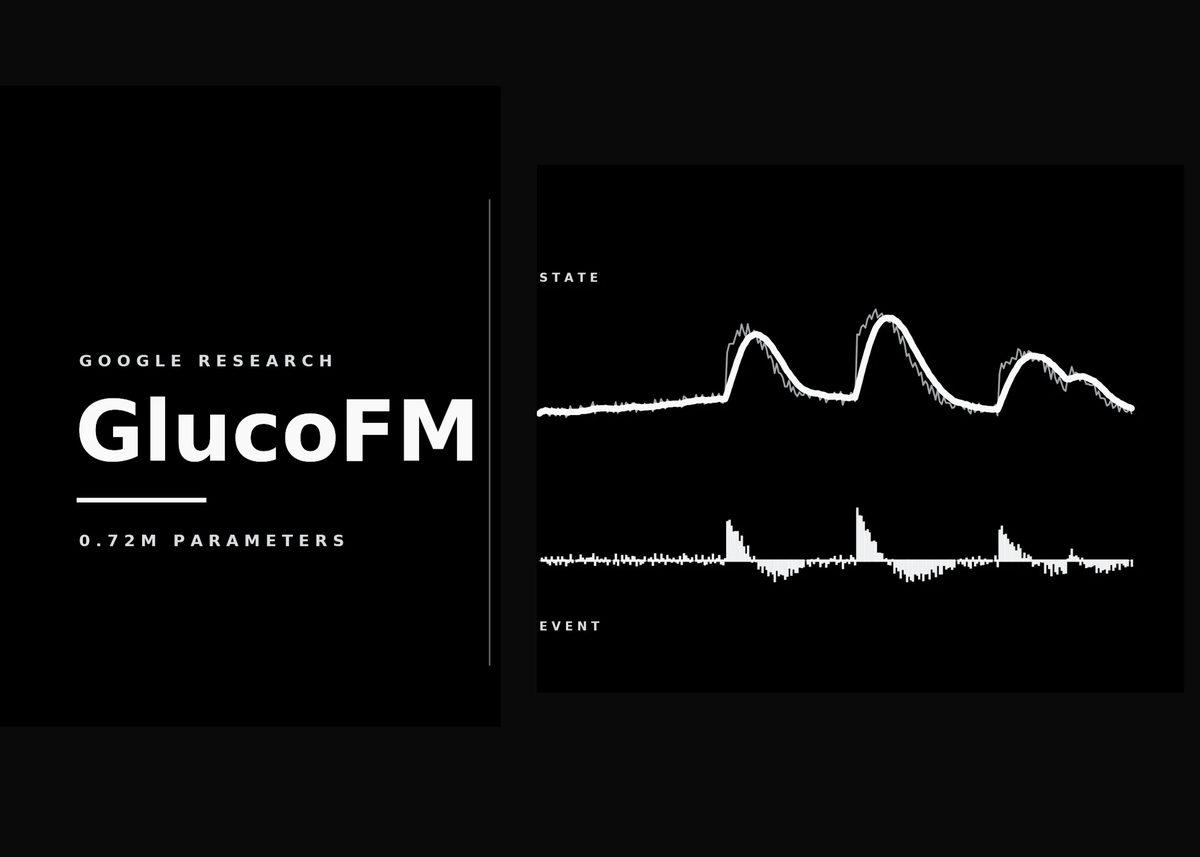
Google Research introduces GlucoFM, a 0.72M-parameter foundation model for continuous glucose monitoring analysis.
Alibaba released Qwen3.8-Flash-Next, a multimodal MoE model offering frontier-level coding performance at a fraction of competitors' costs.

An Amazon warehouse facility in Las Vegas receives, unbinds, and scans thousands of physical books to build proprietary AI training datasets.

Legal tech startups have secured over $2.2 billion in funding this year, following a record $4.6 billion invested in the sector during the previous year.

A foreign-funded campaign deployed a fake thinktank website to publish over 560,000 words optimized for AI chatbot citations.
MIT researchers created CrysVCD, a plug-in framework that enforces chemistry rules in AI models to generate physically stable real-world materials.

A new ‘AI Detector’ tool has recently launched on Product Hunt, promising a lightweight and super-fast solution for identifying content generated by artificial intelligence. This new offering positions itself as an …

Anthropic’s Claude 4.5 Opus has reportedly surpassed Google’s Gemini 3 Pro in critical performance benchmarks, particularly in coding and complex ‘agentic tasks.’ This head-to-head comparison reveals a significant …

Anthropic has unveiled its latest and most powerful artificial intelligence model, Claude Opus 4.5, marking a significant advancement in the competitive landscape of generative AI. The release comes with ambitious claims …

Databricks continues to play a pivotal role in the enterprise data landscape, enabling customers to process exabytes of data daily and effectively harness the power of generative AI. The company’s platform serves as a …
In a groundbreaking collaboration, UCLA Professor Ernest Ryu and GPT-5 have jointly solved a key question in optimization theory, signaling a significant leap forward for artificial intelligence in the realm of advanced …
Lamatic 3.0, a new platform designed to help users ’turn domain expertise into reliable agentic apps,’ has been launched on Product Hunt. This innovation aims to bridge the gap between specialized knowledge and AI …

The Macquarie Dictionary, a leading authority on Australian English, has declared ‘AI slop’ as its word of the year, a choice that reflects growing societal anxieties and critiques surrounding the proliferation of …

The proliferation of AI-generated ‘boring history’ videos on YouTube raises concerns about the quality and accuracy of historical information readily available online. These videos, often simplifying or misrepresenting …

Fashion retailer Shein unintentionally used an AI-generated image of Luigi Mangione, a suspect in a CEO murder case, to model one of its shirts. This incident showcases the potential for unintended consequences and …
OpenAI has announced significant updates to its gpt-realtime API, enhancing its speech-to-speech capabilities. The improvements include a more advanced model, along with new features such as MCP server support, image …

This news item describes how generative AI on Azure Databricks is being used to analyze and interpret complex contracts in the healthcare industry. A leading manufacturer of diagnostic healthcare products is leveraging …