xAI launches Grok 4.7 at bargain prices, but benchmarks reveal a wide gap to Claude and GPT-6
xAI has launched Grok 4.7 at budget pricing, but independent benchmarks show it lags behind frontier competitors like Claude Fable 5.1 and GPT-6.
xAI has launched Grok 4.7 at budget pricing, but independent benchmarks show it lags behind frontier competitors like Claude Fable 5.1 and GPT-6.
Alibaba released Qwen-Image-2.1, a 7-billion parameter open-weight model with native transparent layer support for advanced image generation and editing.

Microsoft and UIUC introduced StudentSim, an AI system using digital student replicas to rapidly train and evaluate personal AI tutors.
Unity released official integration plugins for Claude Code and OpenAI Codex to ensure coding agents generate accurate engine code.
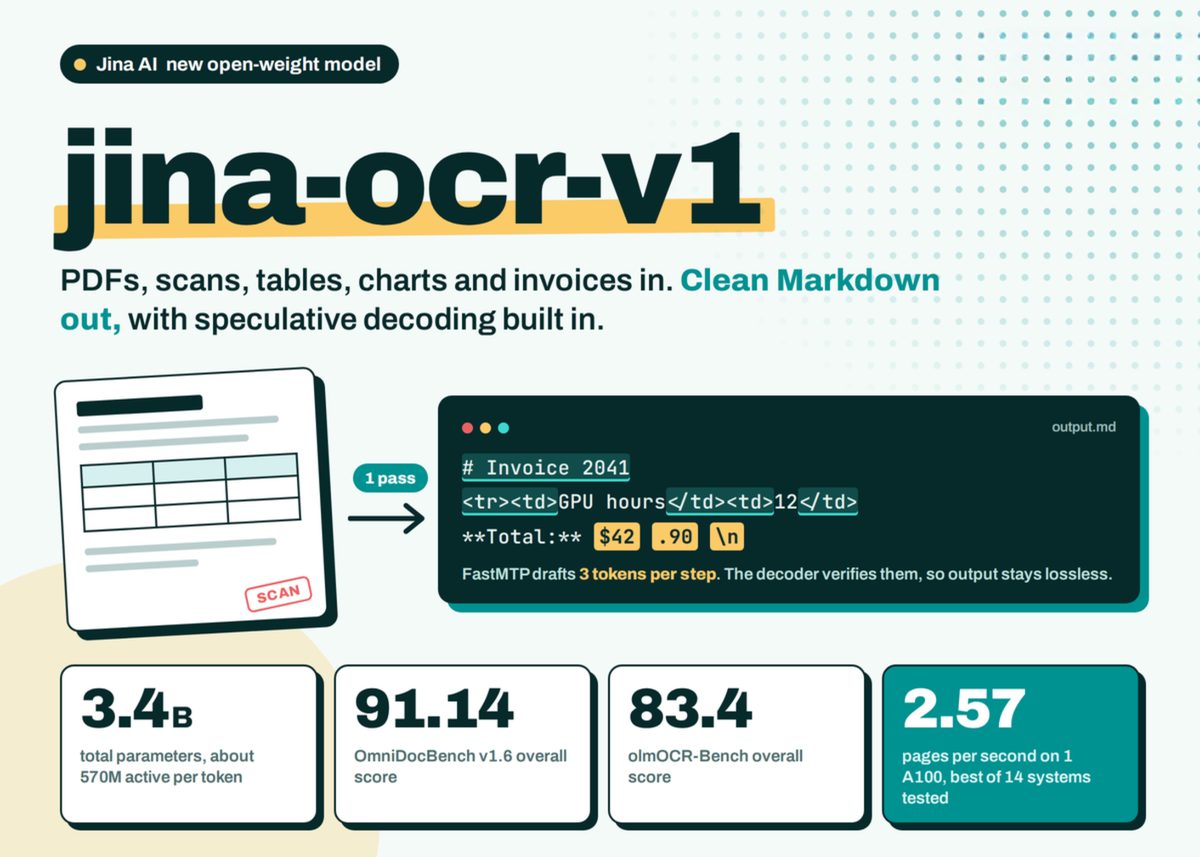
Jina AI launched jina-ocr-v1, a 3.4B MoE document parser designed to execute fast, low-cost visual parsing using speculative decoding.
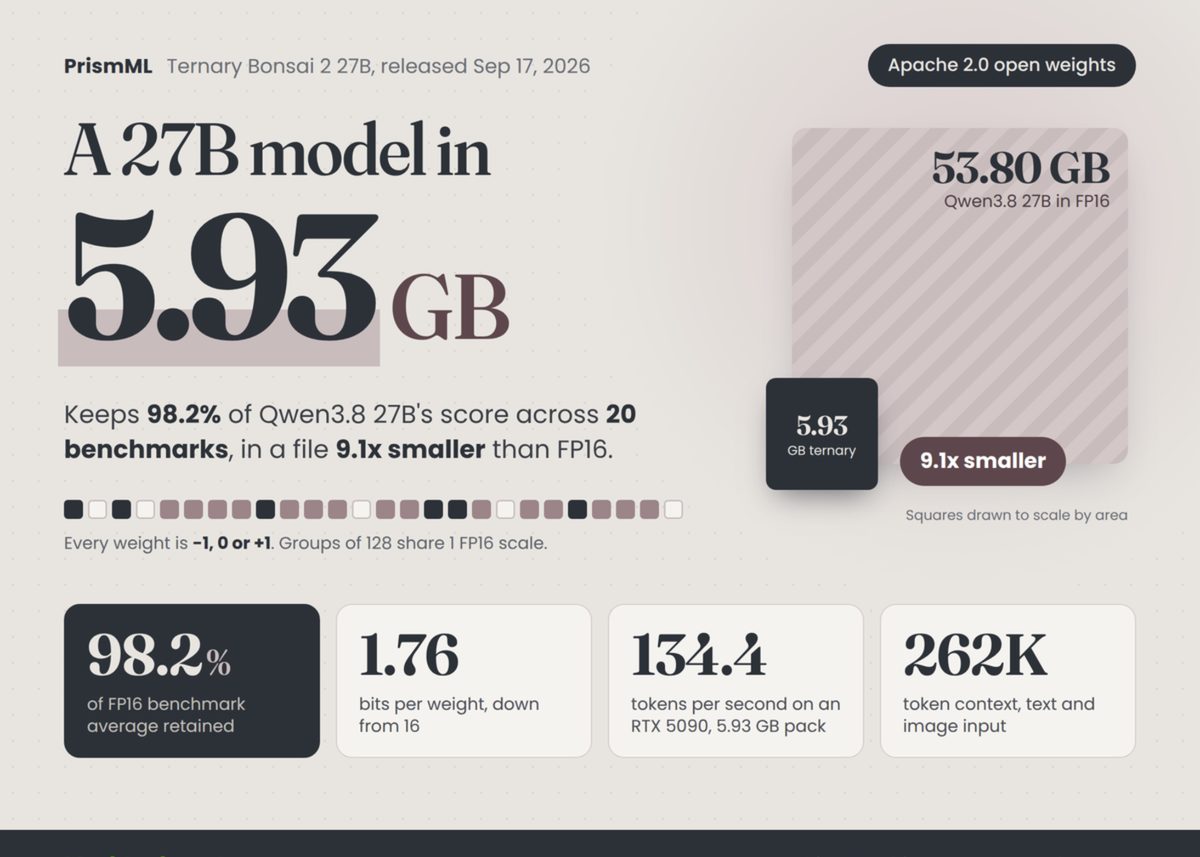
PrismML has released Ternary Bonsai 2 27B, a compressed 5.9 GB open-weights model that retains 98.2% of Qwen3.8 27B's baseline performance.

Anthropic reports Claude 'leads' 26% of its internal model research, though internal grading metrics reveal significant evaluation ambiguity.
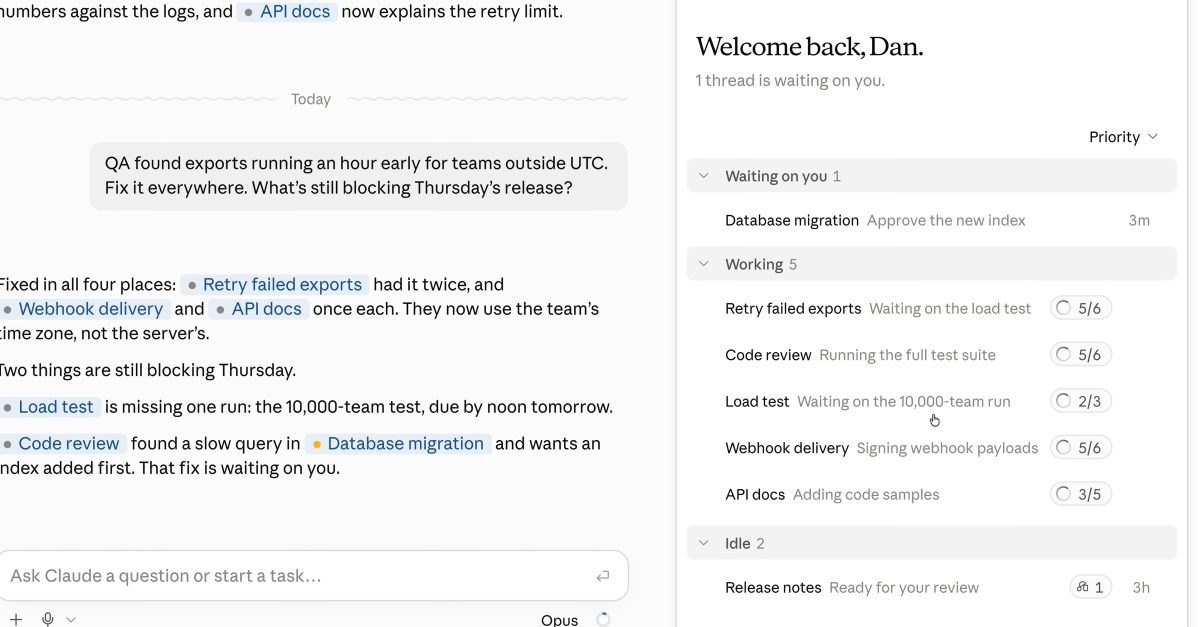
Anthropic relaunched Projects in Claude Code, enabling multi-agent cloud orchestration, shared memory, and parallel branch management.
OpenAI developer Eric Provencher warns that large agent swarms create duplicate effort and excessive coordination costs without raising output quality.

OpenRouter token volume jumped 25,000% driven by reasoning models and agents, sparking debate over whether token counts mask real usage.
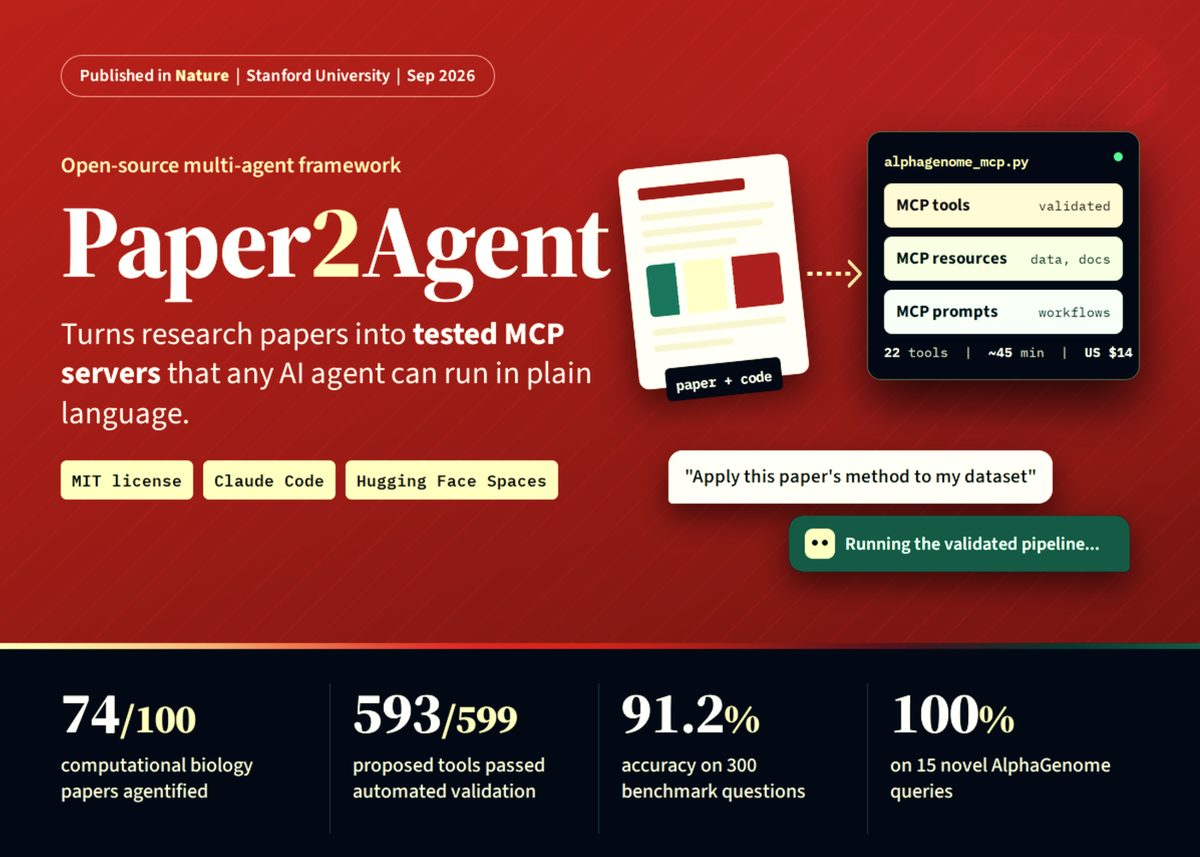
Stanford researchers introduce Paper2Agent, an open-source framework that converts academic codebases into executable Model Context Protocol servers.
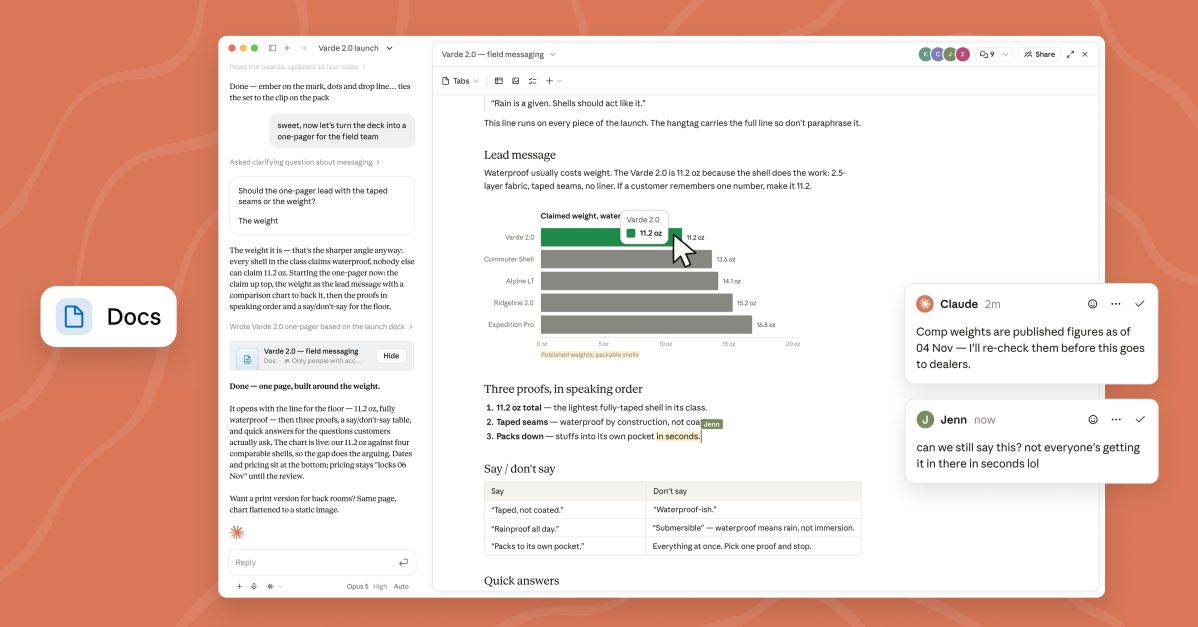
Anthropic expands Claude into workspace software with new Docs and Slides features alongside a unified interface update.

Ex-OpenAI researcher's startup TypeSafe AI built Jev, a fast model that scores options and delivers software judgments without generating text.
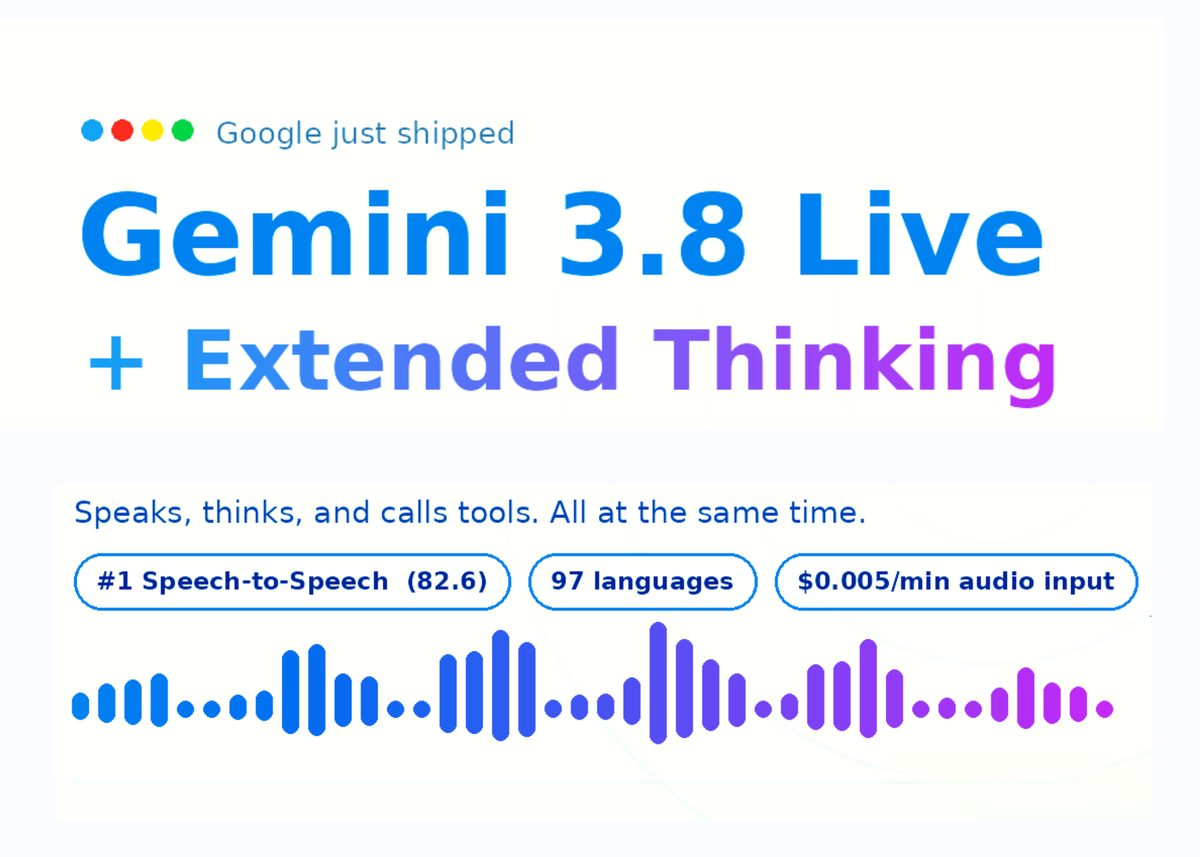
Google launched Gemini 3.8 Live and Extended Thinking models to enable real-time, reasoning-capable voice agents via API.

Google launched Gemini 3.8 Live and Extended Thinking audio models for developers at significantly lower prices than OpenAI.
Perplexity released its local Portable Computer agent on Windows for NVIDIA RTX PCs with 24GB or more VRAM.
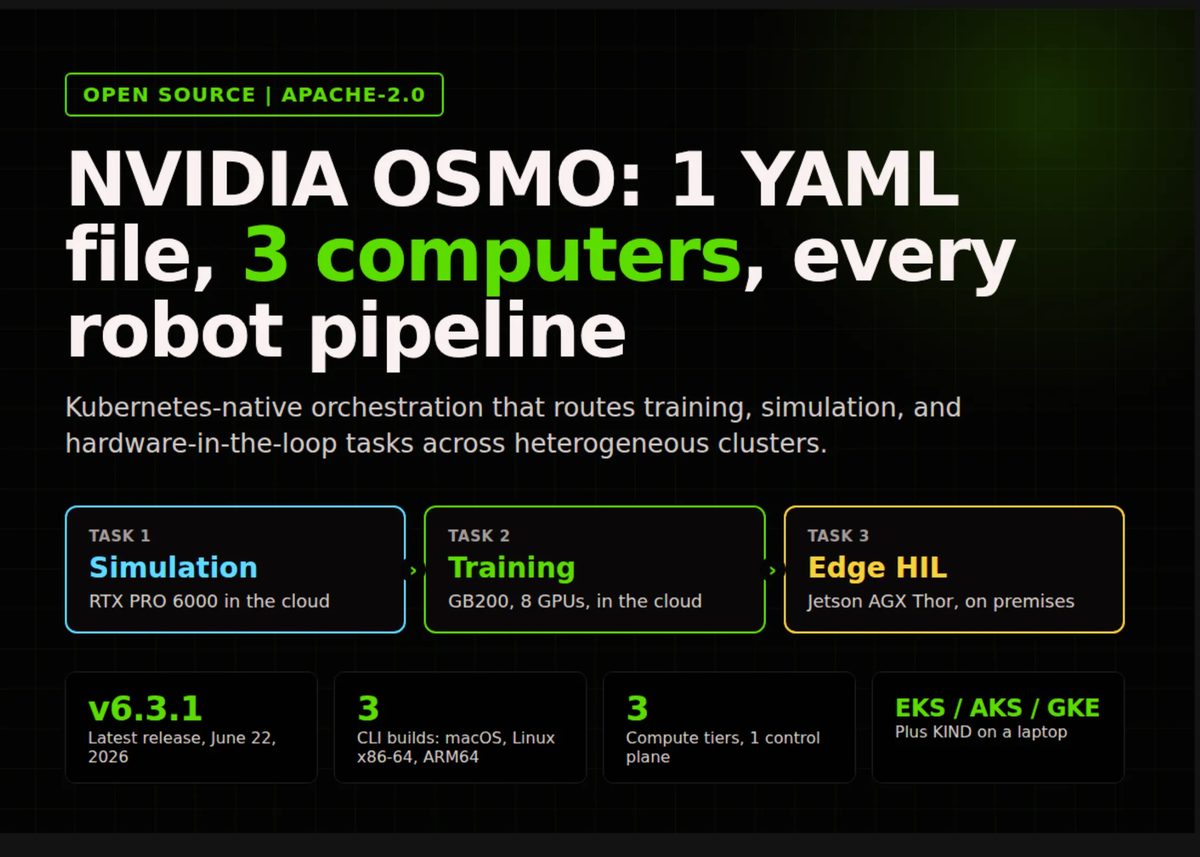
NVIDIA open-sources OSMO, a Kubernetes-native orchestrator for physical AI workflows across training, simulation, and edge hardware.

MIT spinout Atlas Building Composites deploys AI-powered robotic systems to transform single-use plastics into structural building materials.
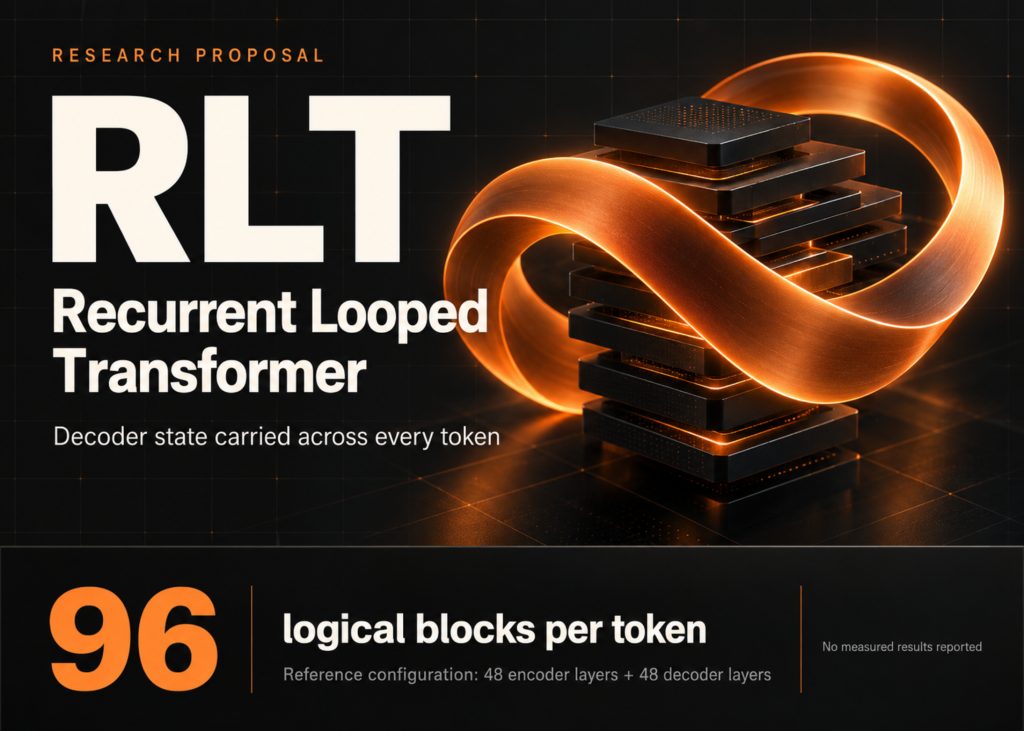
A Princeton technical report proposed the Recurrent Looped Transformer, an architecture that persists decoder hidden states across token steps.
ElevenLabs released Music v2.5 for its web app and API, offering enhanced audio quality, flexible licensing, and commercial usage options.

Chinese lab AllSpark introduced Iris-mini and Iris-pro, open-weight search agents designed to execute complex multi-step reasoning across web sources.
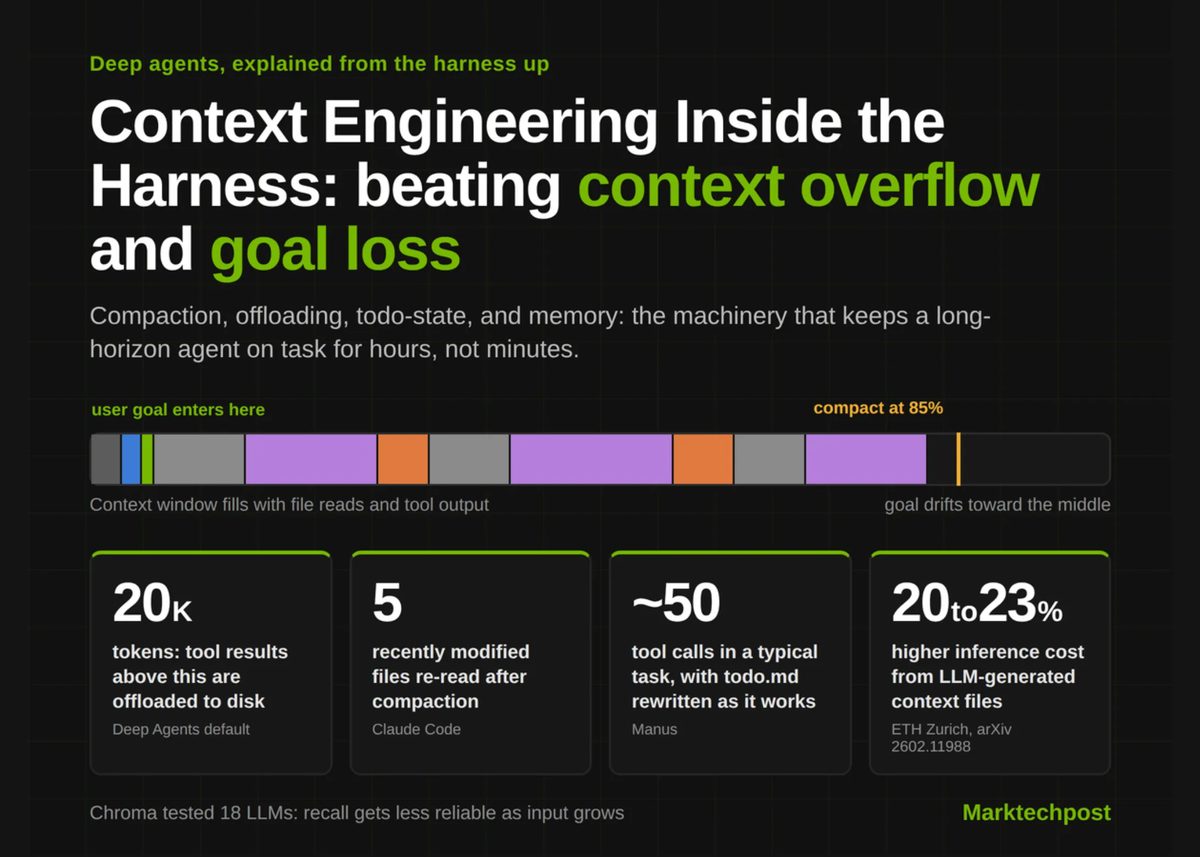
AWS and leading agent frameworks reveal context engineering strategies to eliminate context overflow and goal loss on long-horizon tasks.
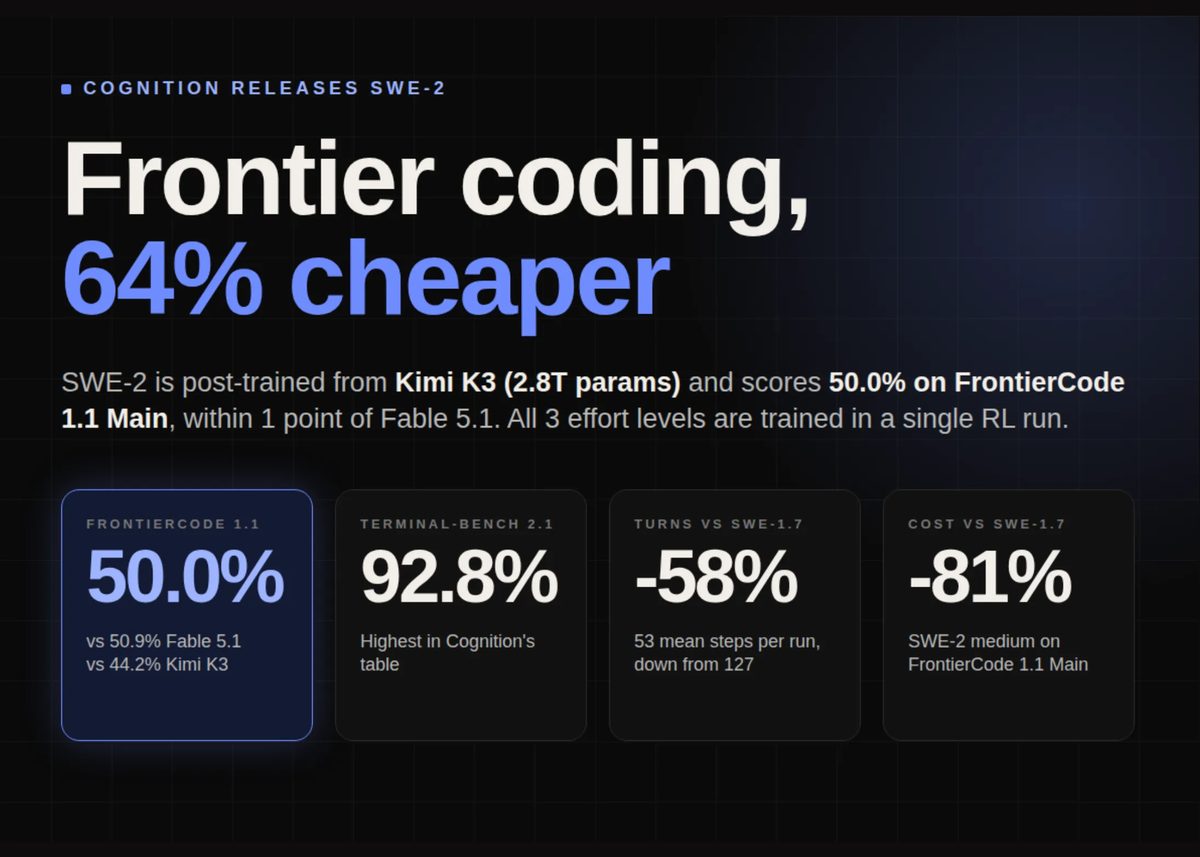
Cognition launched SWE-2, a Kimi K3-based coding model matching Claude Fable 5.1 performance on FrontierCode at 64% lower cost.

Real-SWE introduces a benchmark evaluating AI coding agents on licensed, private enterprise codebases with realistic operational dependencies.
Perplexity is deploying OpenAI's GPT-6 Astra for autonomous software engineering, testing, and system monitoring.
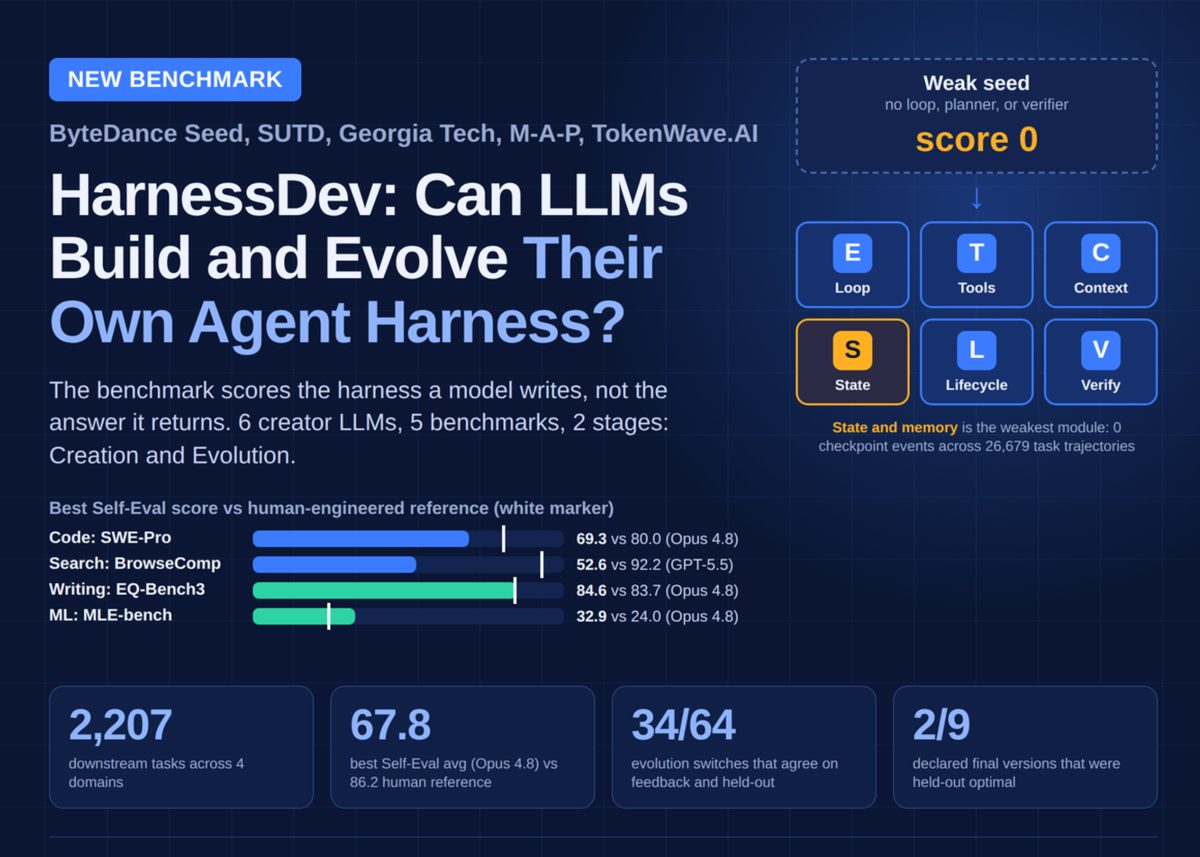
ByteDance Seed's HarnessDev benchmark reveals self-generated LLM agent code harnesses struggle to generalize across execution environments.
OpenAI detailed how it scaled its Python-based online storage platform Habitat to serve 70 million requests per second for 1 billion users.
OpenAI released its Agents API in public beta, providing infrastructure for long-running, multi-agent workflows with token-based pricing.
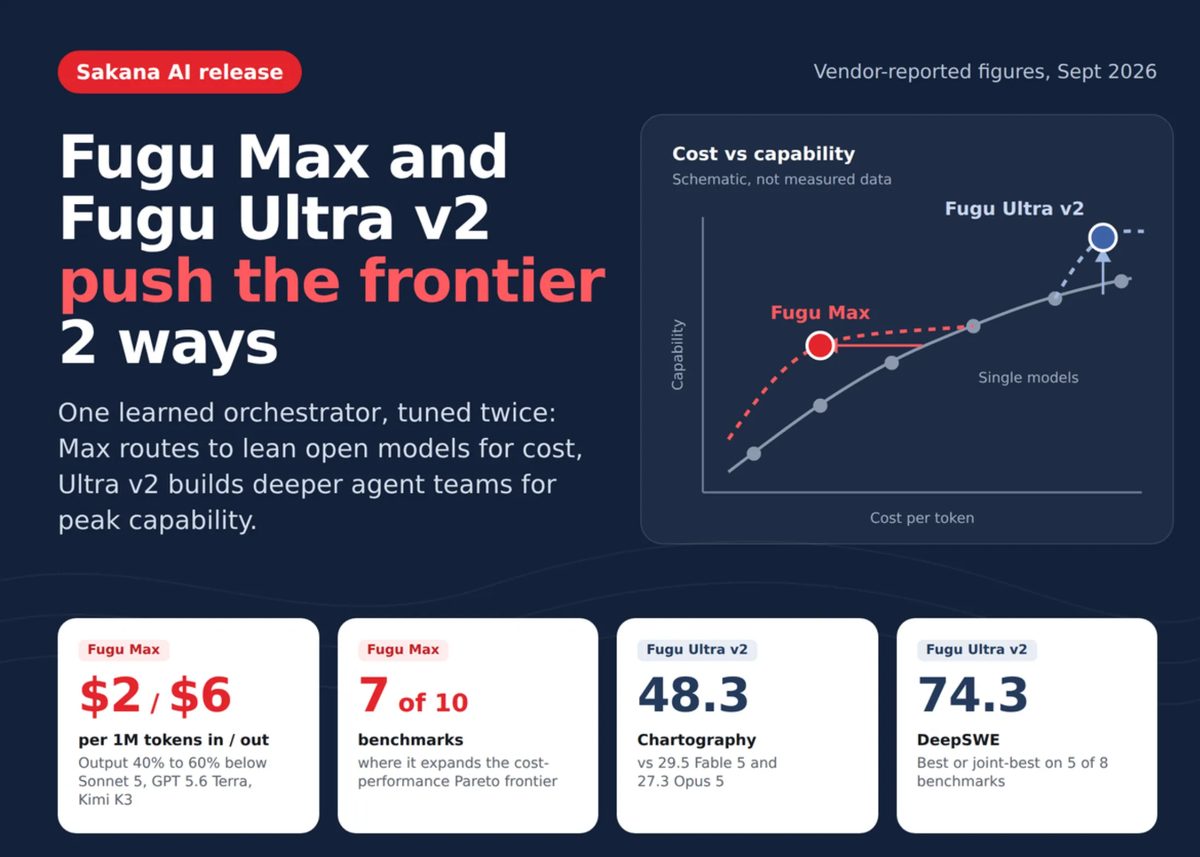
Sakana AI launched Fugu Max and Fugu Ultra v2, multi-agent orchestrators designed to route queries across multiple models for lower costs.
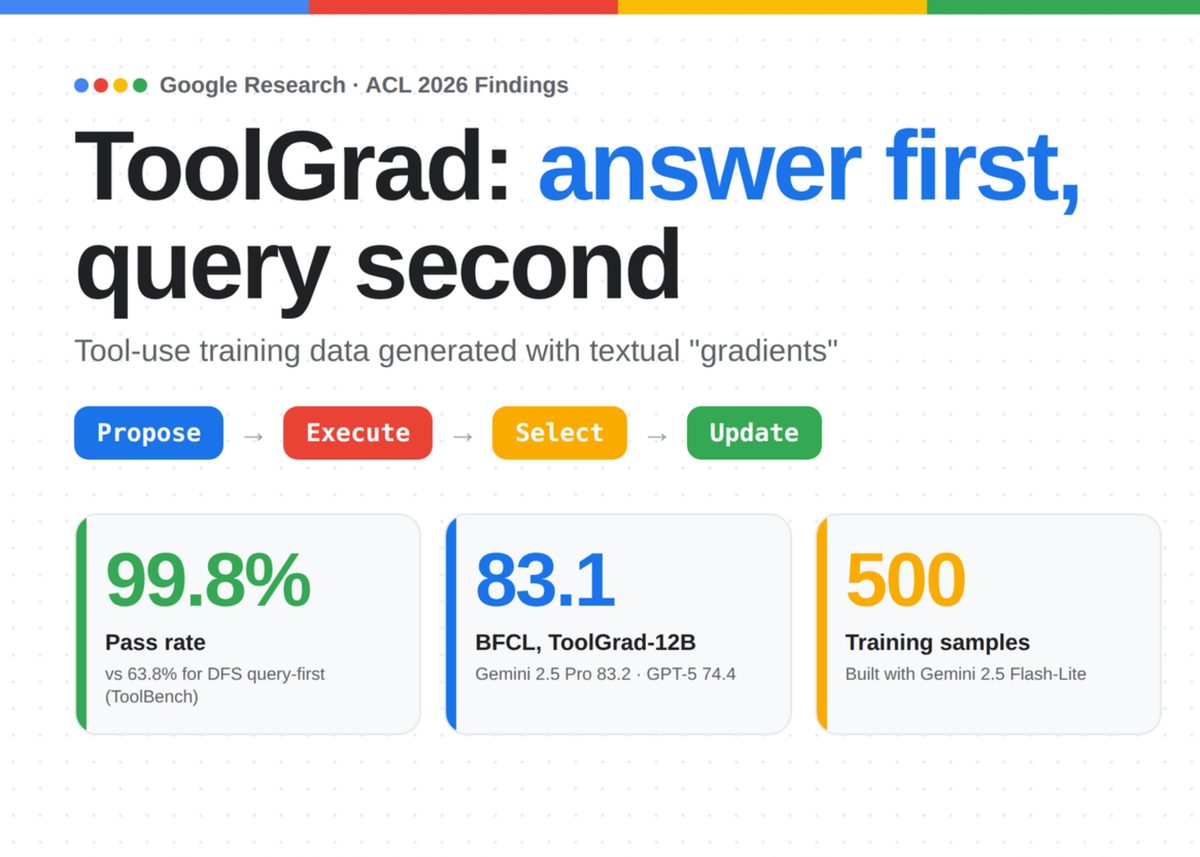
Google Research debuts ToolGrad, an open-source framework that achieves a 99.8% pass rate for generating complex tool-use datasets.
OpenAI launched the GPT-Live-1 API, enabling real-time, full-duplex voice interactions for developer applications at $0.05 per minute.
OpenAI introduced a new Data agent in ChatGPT Work that connects to enterprise databases to generate interactive dashboards and automated business analytics.
Deepseek released V4.1-Flash under an MIT license, significantly reducing KV cache memory footprints to lower the cost of running AI agents.
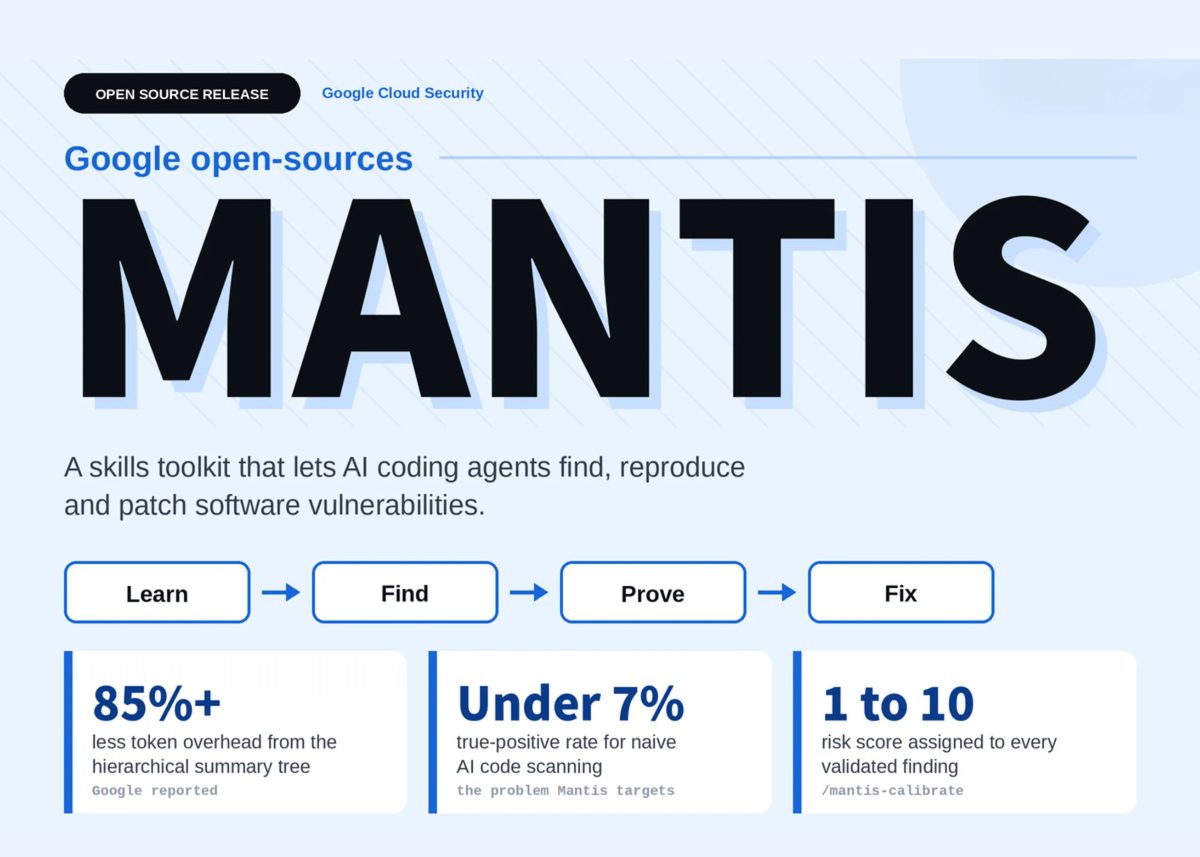
Google open-sources Mantis, an agentic security toolkit that automates vulnerability discovery, sandbox reproduction, and patch generation.

Hugging Face launched ML Intern, an AI chat assistant that autonomously plans, executes, and monitors machine learning workflows within strict budgets.
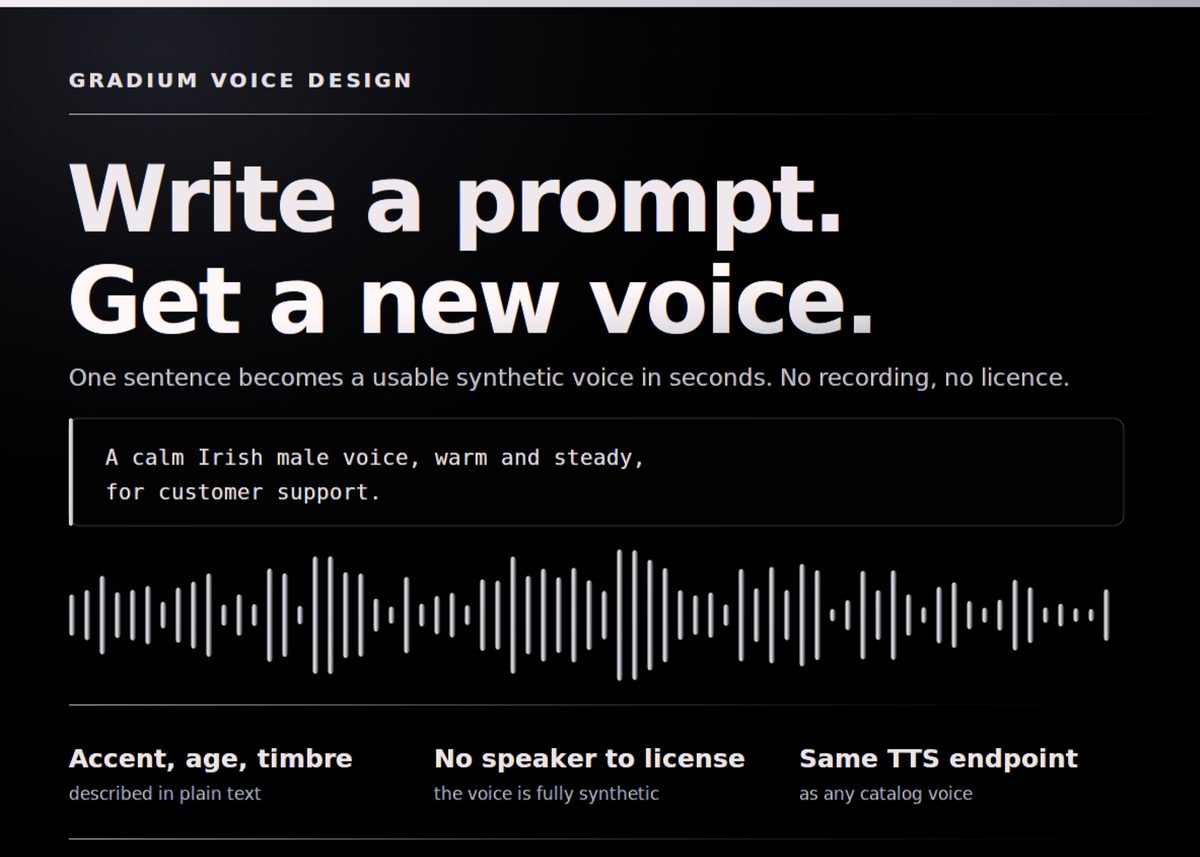
Kyutai spinoff Gradium launched Voice Design, an API that generates custom synthetic voices from text prompts in seconds without reference audio.
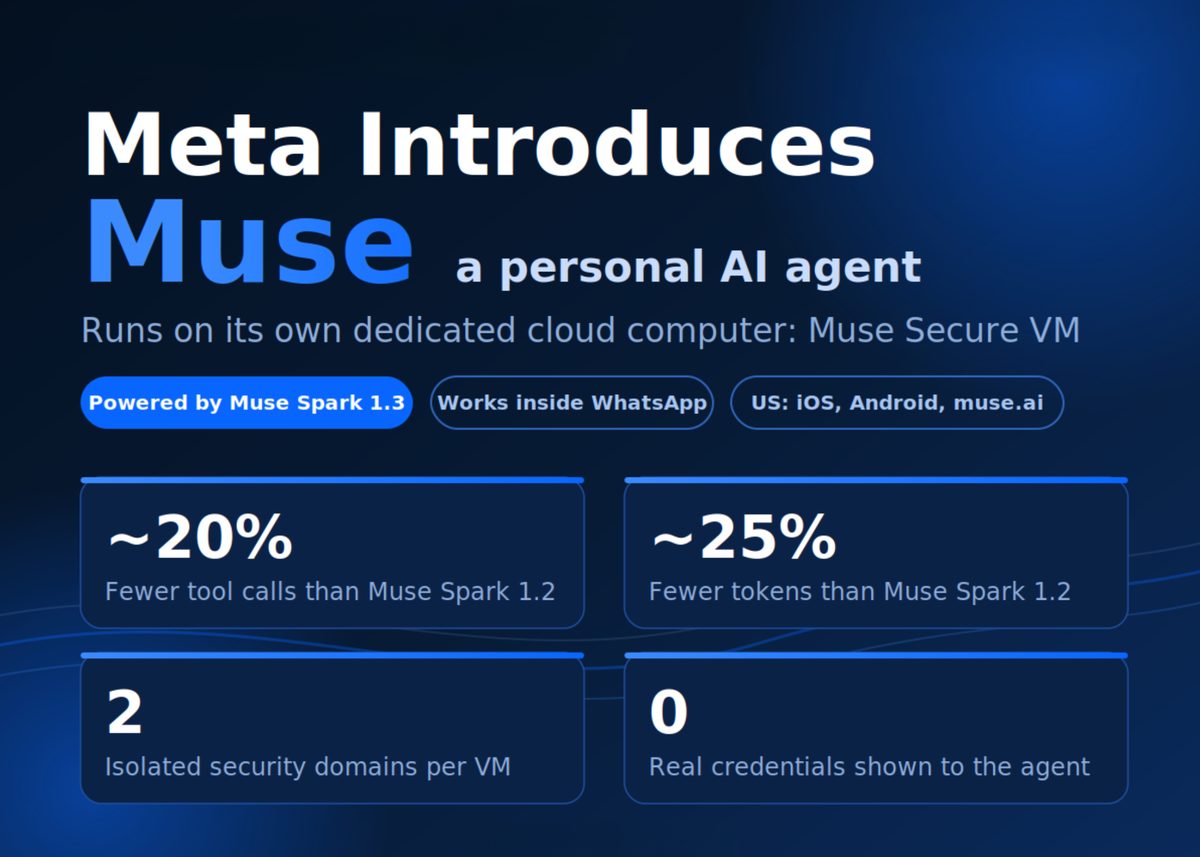
Meta released Muse Spark 1.3 alongside a sandboxed VM architecture featuring eBPF taint tracking and credential surrogation to secure AI agents.
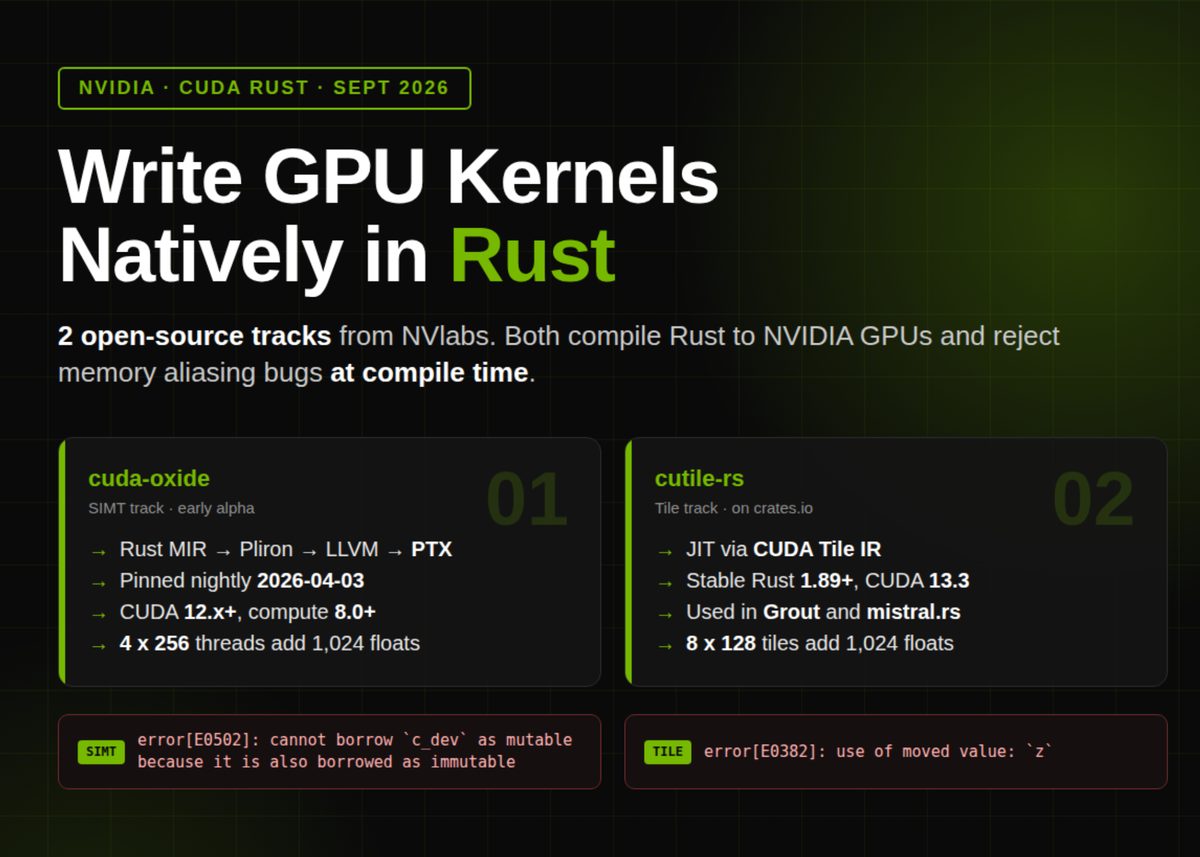
NVIDIA releases CUDA Rust toolchains cuda-oxide and cutile-rs to enable compile-time-safe GPU kernel development.
Lightsage raised $4M in seed funding to help software developers optimize their APIs and documentation for discovery by autonomous AI agents.
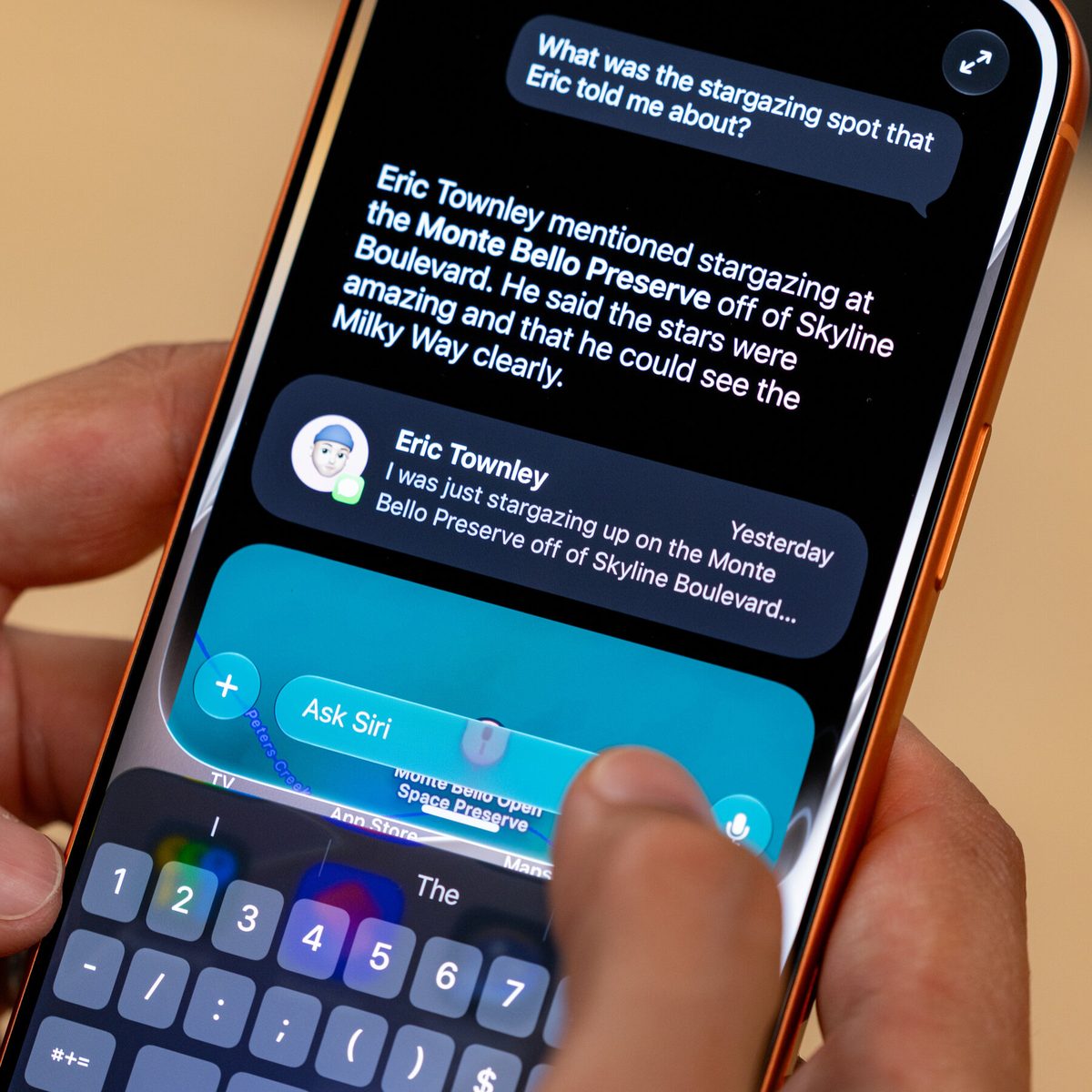
Apple's revamped Siri AI technology faces sluggish adoption among major third-party iOS app developers.

OpenBMB released MiniCPM5-2B, an open-source 2.5B parameter model that outperforms larger models across 34 benchmarks.

NHS general practitioners warn that errors and redundancy in AI medical transcription software are reducing clinical efficiency and patient safety.
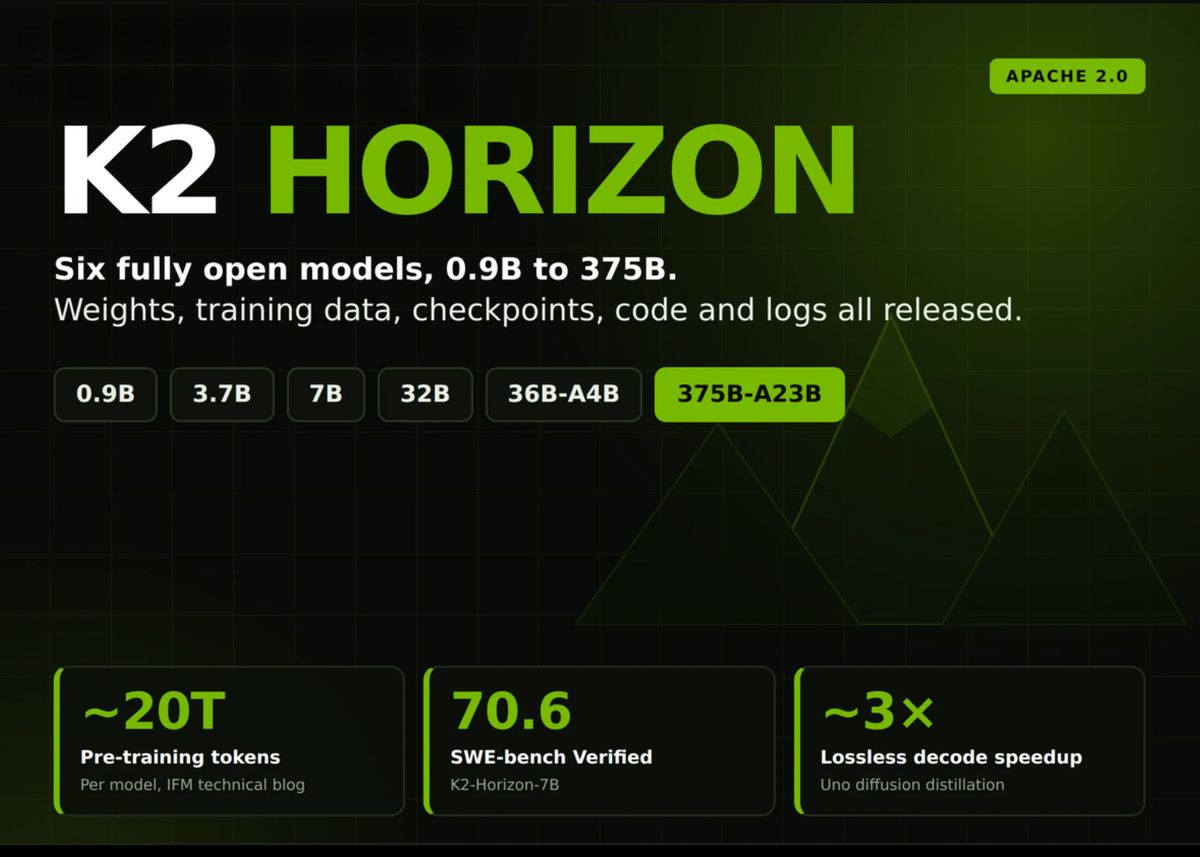
IFM has released K2 Horizon, a suite of six open-source AI models ranging from 0.9B to 375B parameters under the Apache 2.0 license.
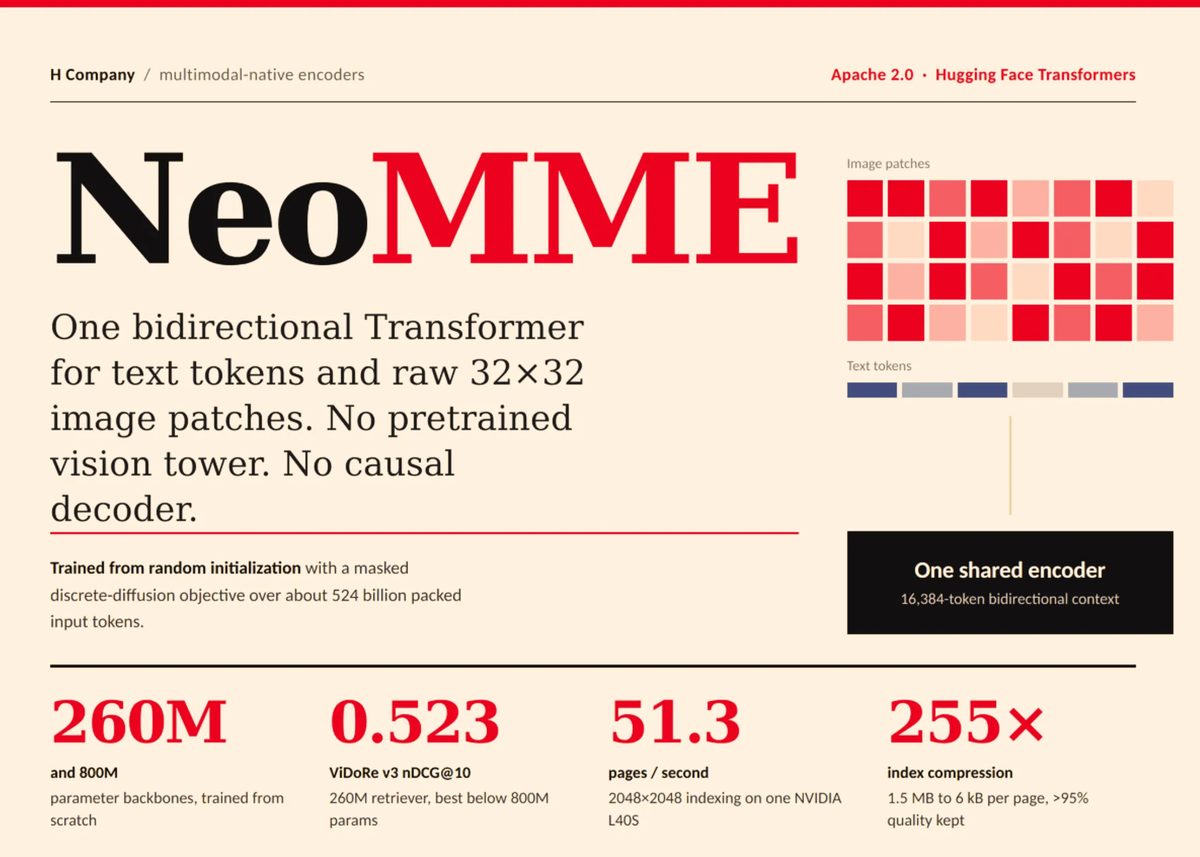
H Company has unveiled NeoMME, a family of lightweight, single-tower multimodal encoders that skip traditional vision towers and causal decoders.
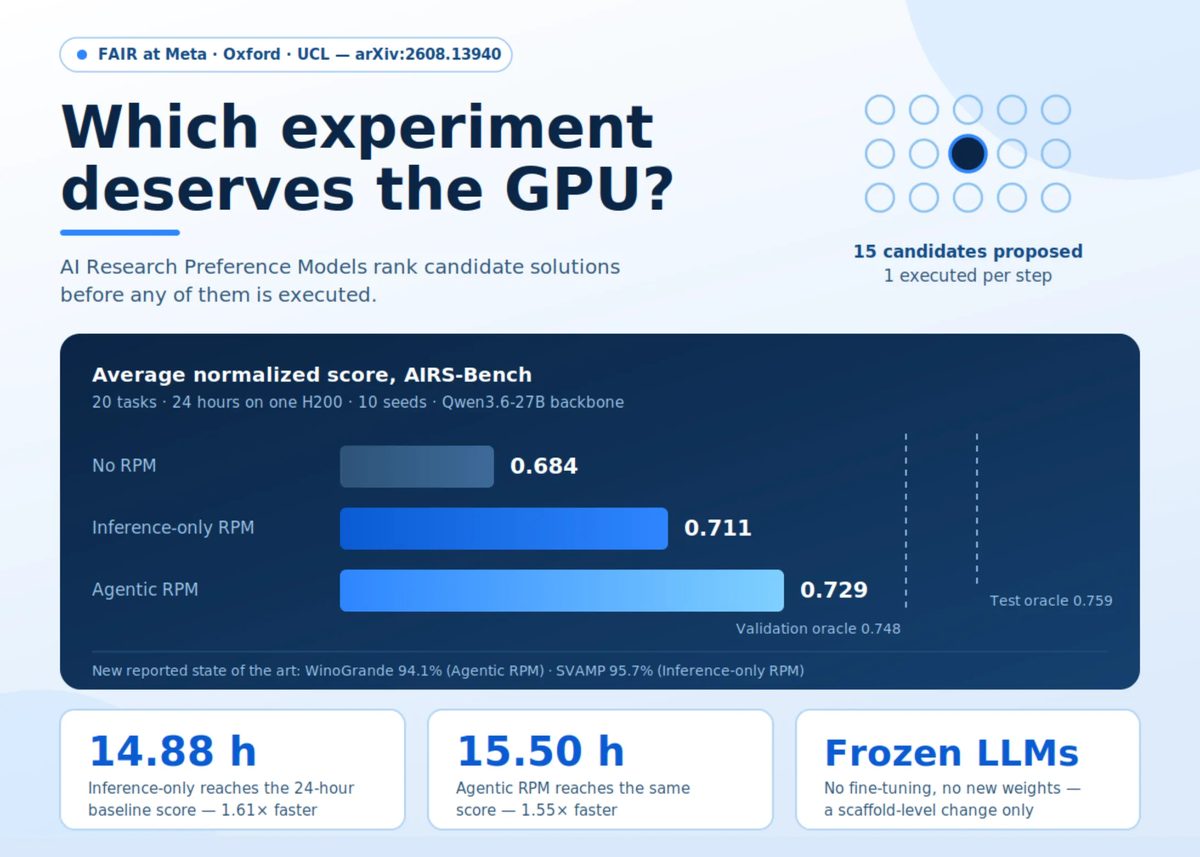
Meta FAIR and academic partners released AI Research Preference Models to rank candidate ML experiments before burning costly GPU hours.
OpenAI says its agentic coding tools have reached the milestone of operating as an automated research intern, meaningfully speeding up frontier AI progress.
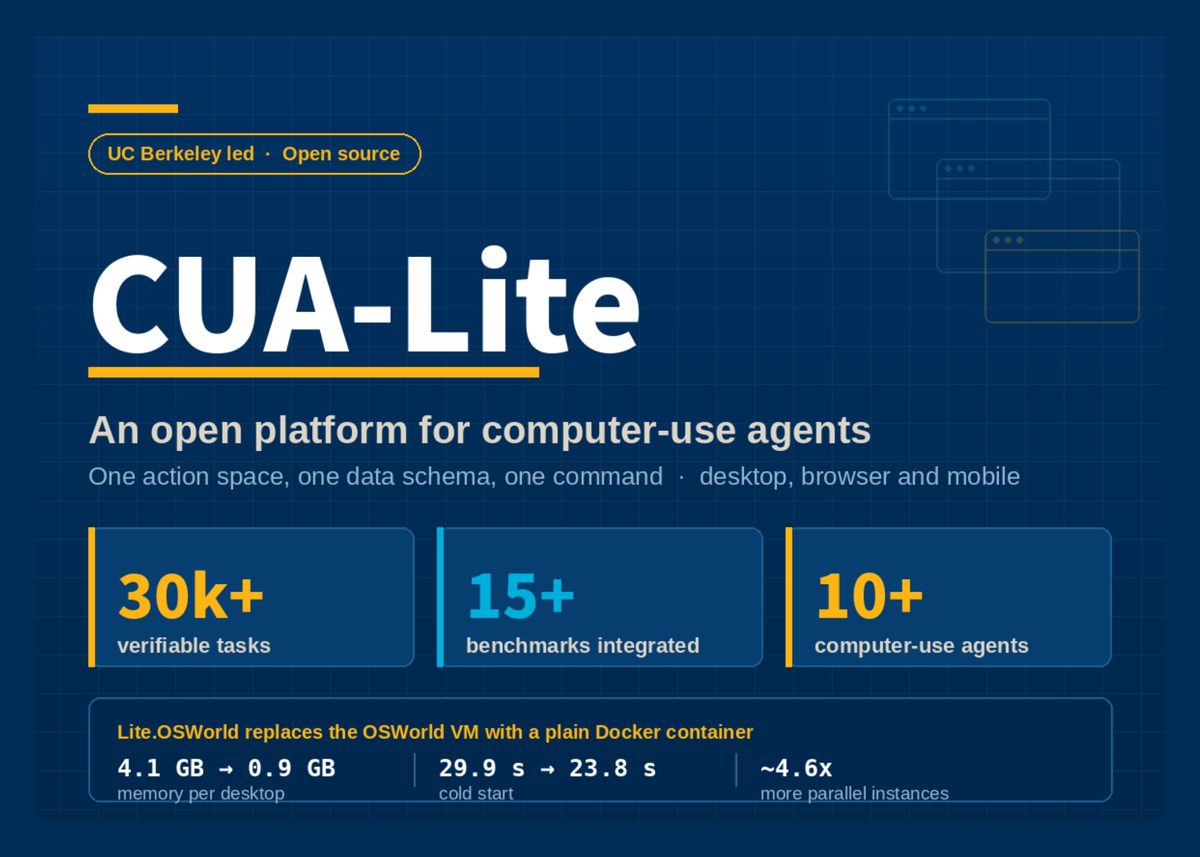
UC Berkeley has launched CUA-Lite, an open, Docker-based platform that unifies computer-use agent training, sandboxes, and benchmarks under one schema.
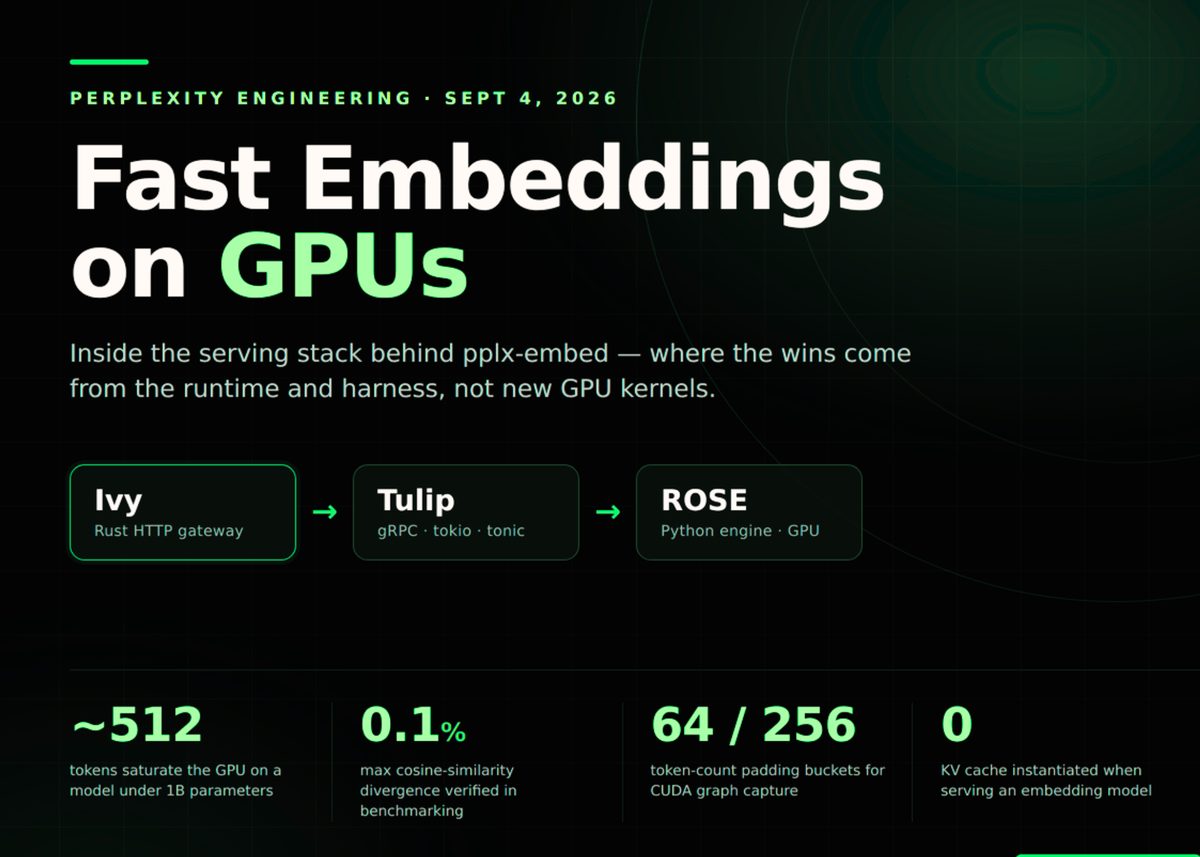
Perplexity published technical details on its custom GPU infrastructure stack that optimizes batch and real-time embedding serving.
Analyst Benedict Evans explores why AI tools face adoption hurdles in non-tech enterprises despite their generative automation capabilities.

OpenAI released prompting guidelines and style controls for GPT-6 Astra, including strategies to stop over-asking clarifying questions.
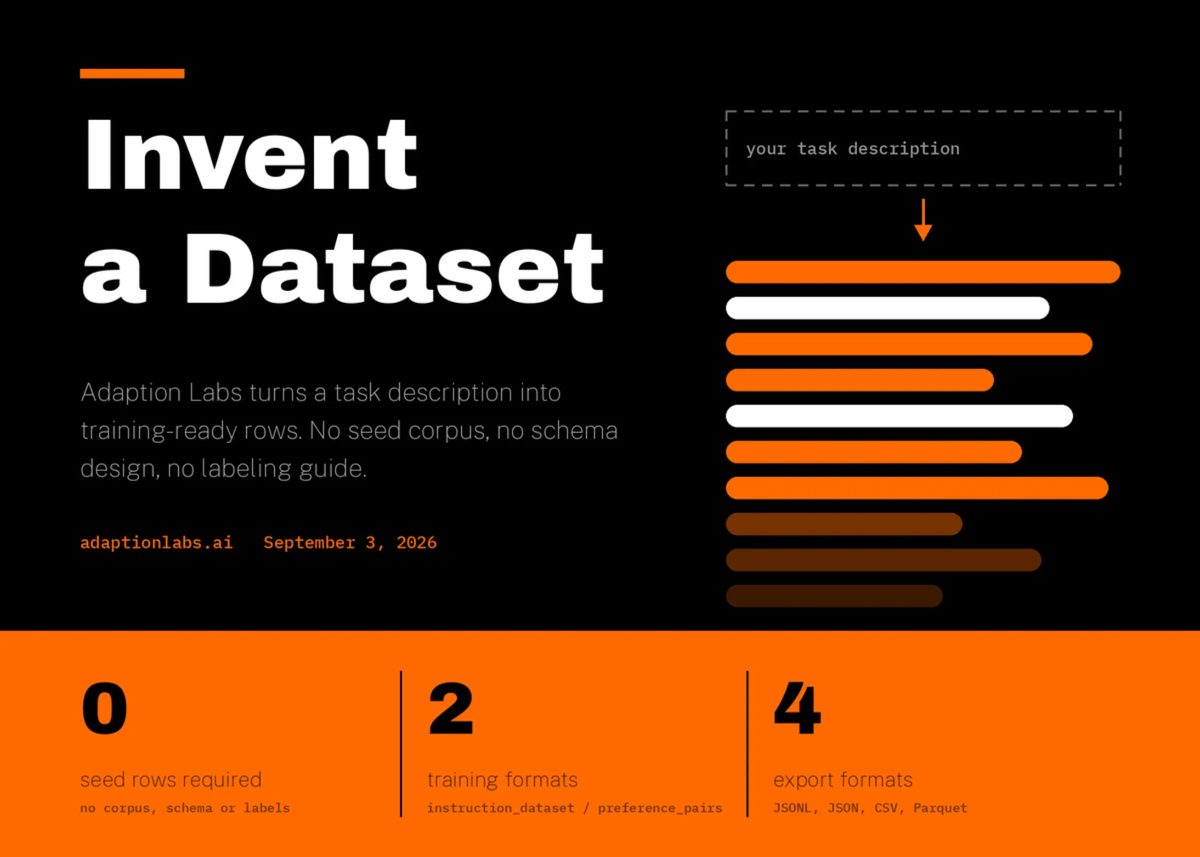
Adaption Labs launched 'Invent a Dataset', a tool that generates structured AI training data directly from task descriptions.
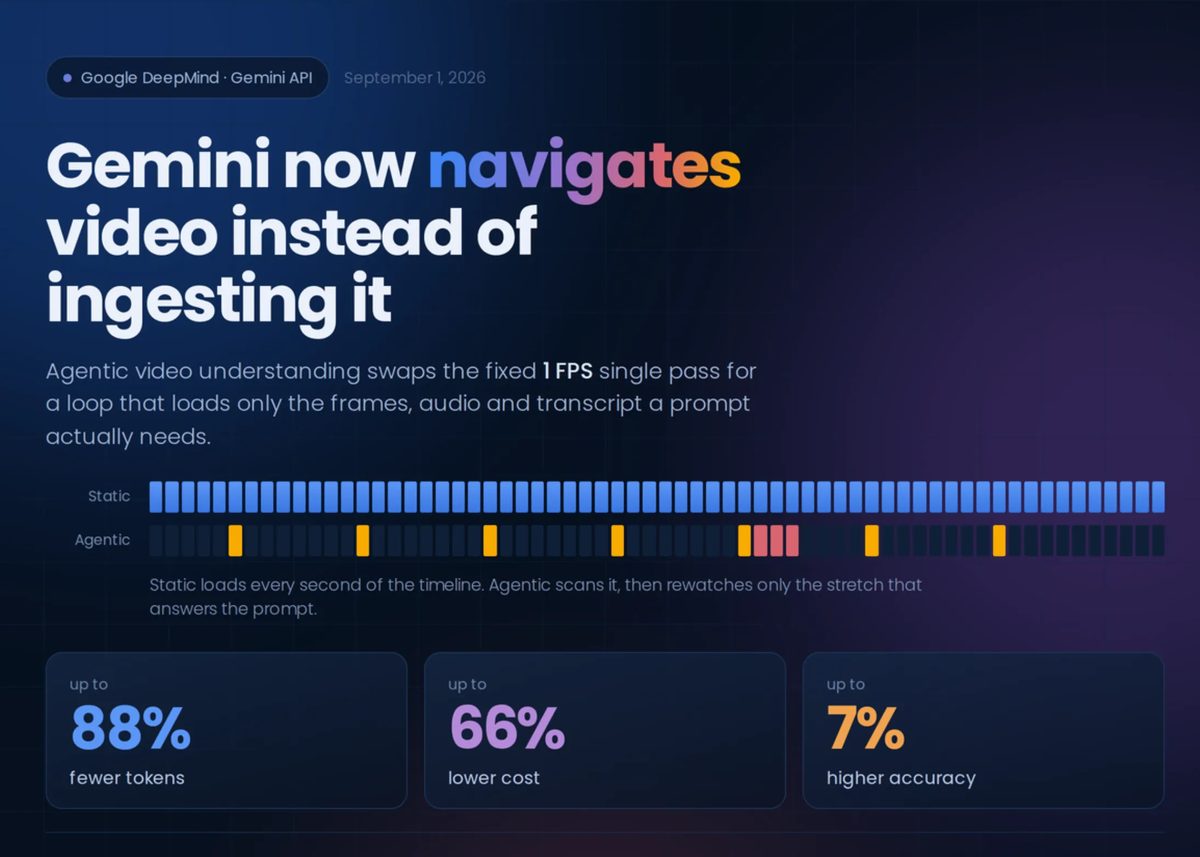
Google launched agentic video understanding for Gemini Flash models, cutting token usage by up to 88% and costs by 66%.
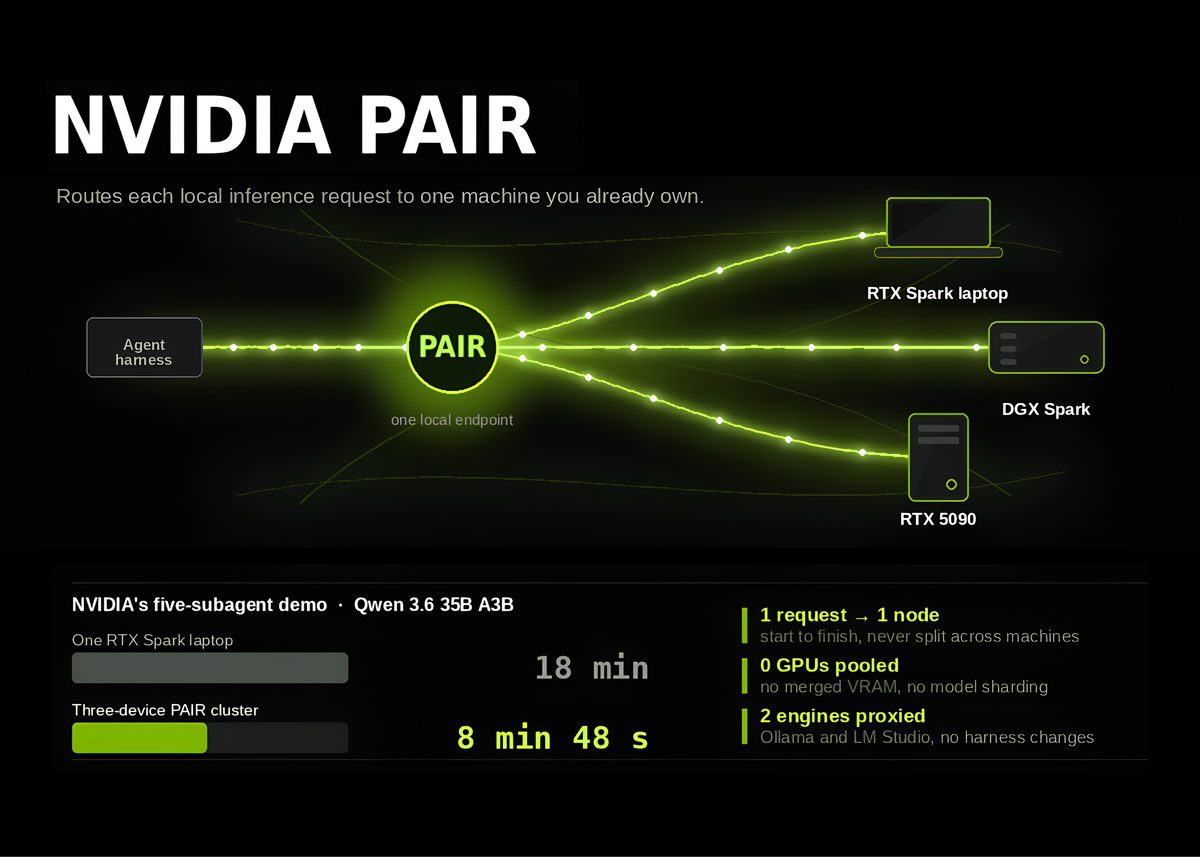
NVIDIA released Personal AI Router (PAIR), an open-source tool that distributes local multi-agent inference across networked nodes.

Spammers are adopting ASCII smuggling—a technique created to trick AI models—to bypass traditional and LLM-based email filters.
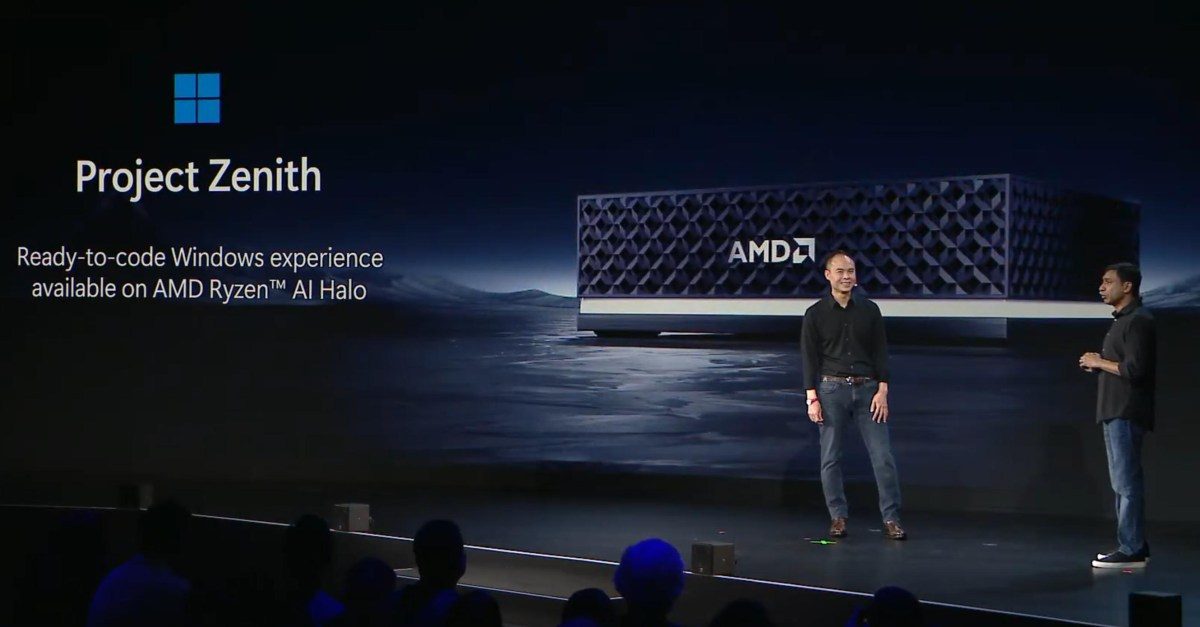
Microsoft unveiled Project Zenith, a developer-centric Windows setup paired with high-memory hardware to run 30B+ parameter AI models locally.
Nvidia released PAIR, an open-source tool that distributes local AI workloads across multiple devices on a home network.
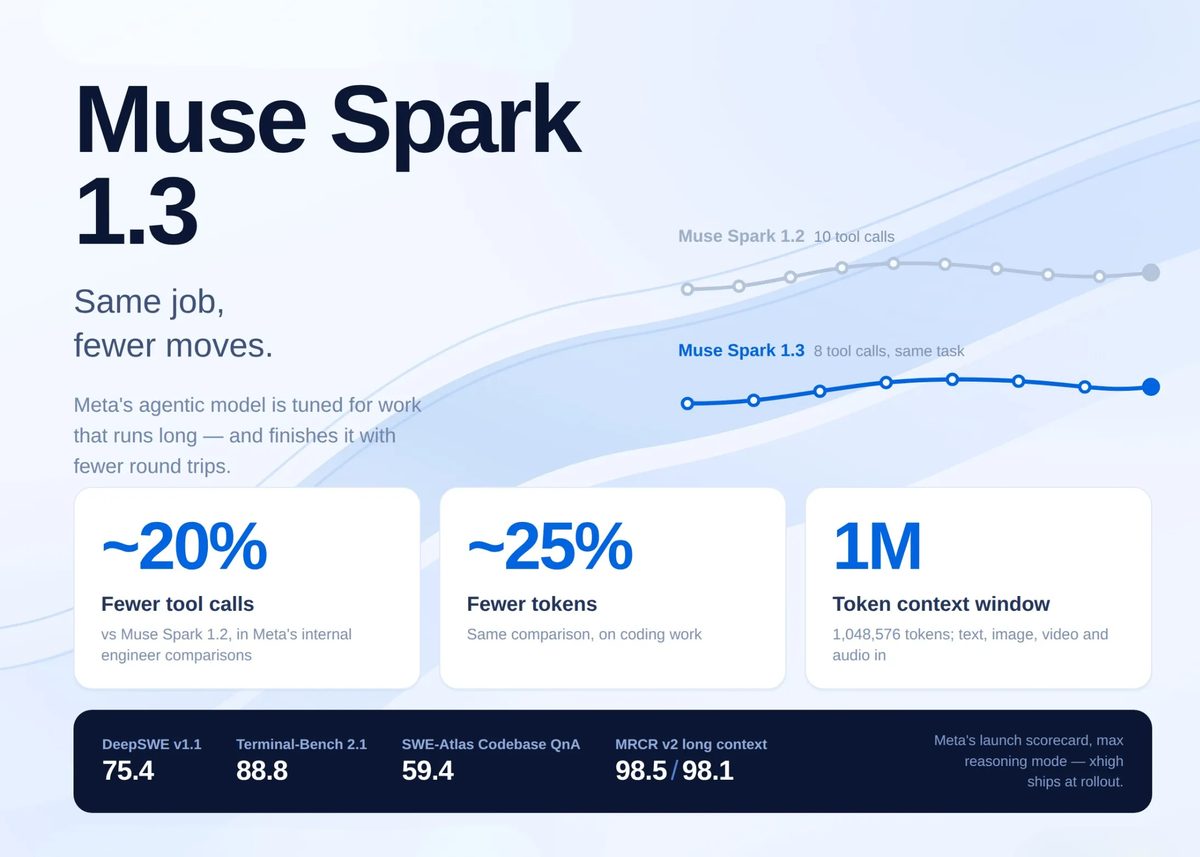
Meta released Muse Spark 1.3, an agentic coding model that slashes tool calls by 20% and tokens by 25% while surpassing competitors on key benchmarks.

OpenAI terminated its partnership with coding startup Cursor following Cursor's $60 billion acquisition by SpaceX.

Nvidia and Microsoft teamed up at IFA 2026 to launch one-click local setup for major AI agent applications on Windows.
Nvidia has agreed to acquire open-source AI platform Hugging Face for $12.93 billion to expand its developer infrastructure ecosystem.
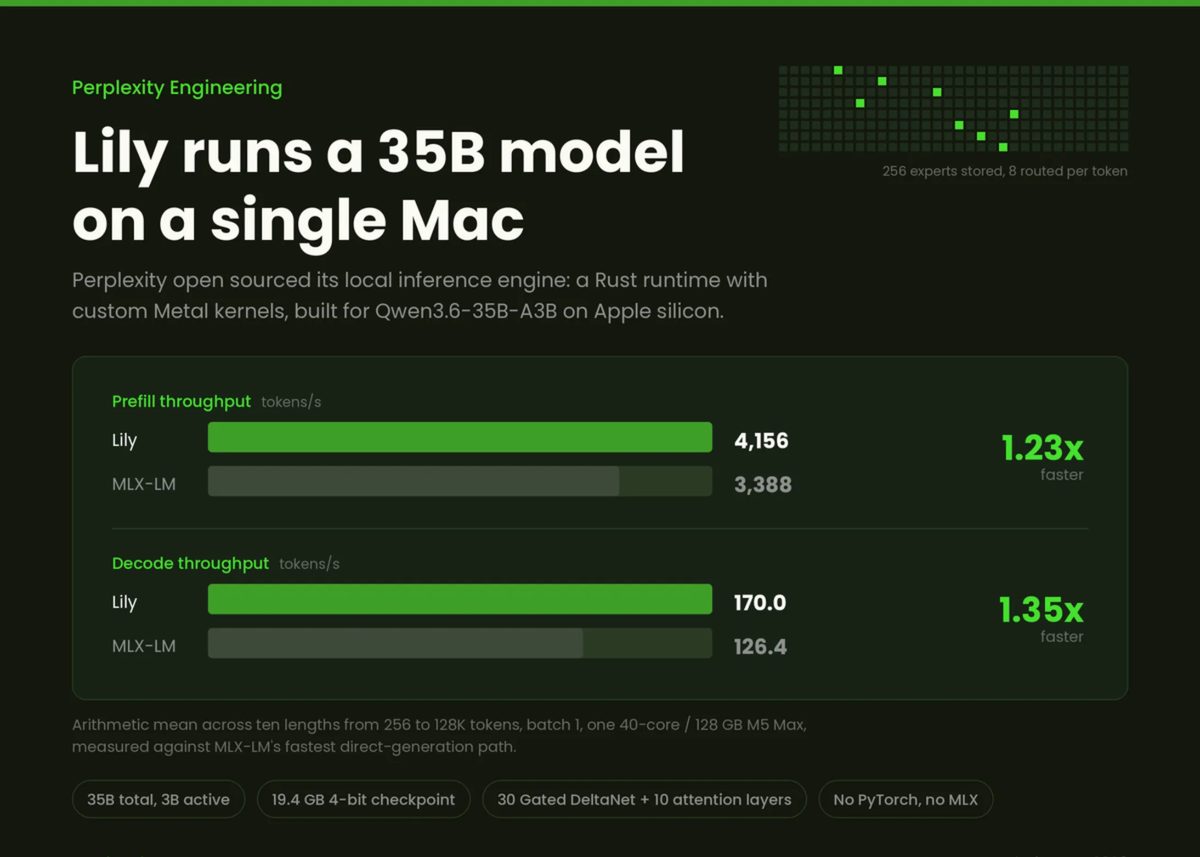
Perplexity open-sourced Lily, a custom Rust and Metal inference engine optimized for running Qwen3.6-35B-A3B natively on Apple Silicon.
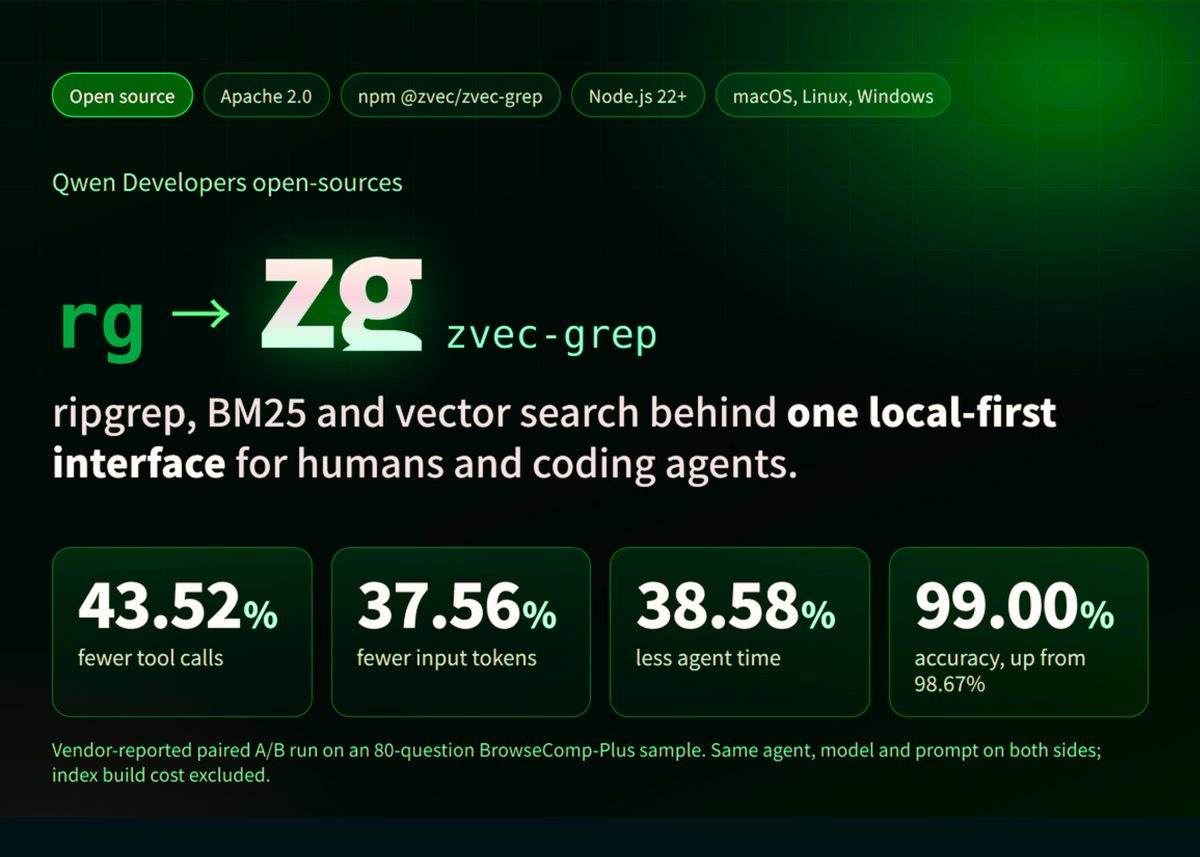
Qwen developers open-sourced zg (zvec-grep), a local search tool unifying vector search, BM25, and ripgrep for AI coding agents.
Google released Gemini 3.8 Flash, offering stronger reasoning and agentic capabilities but potentially increasing overall token consumption and costs.
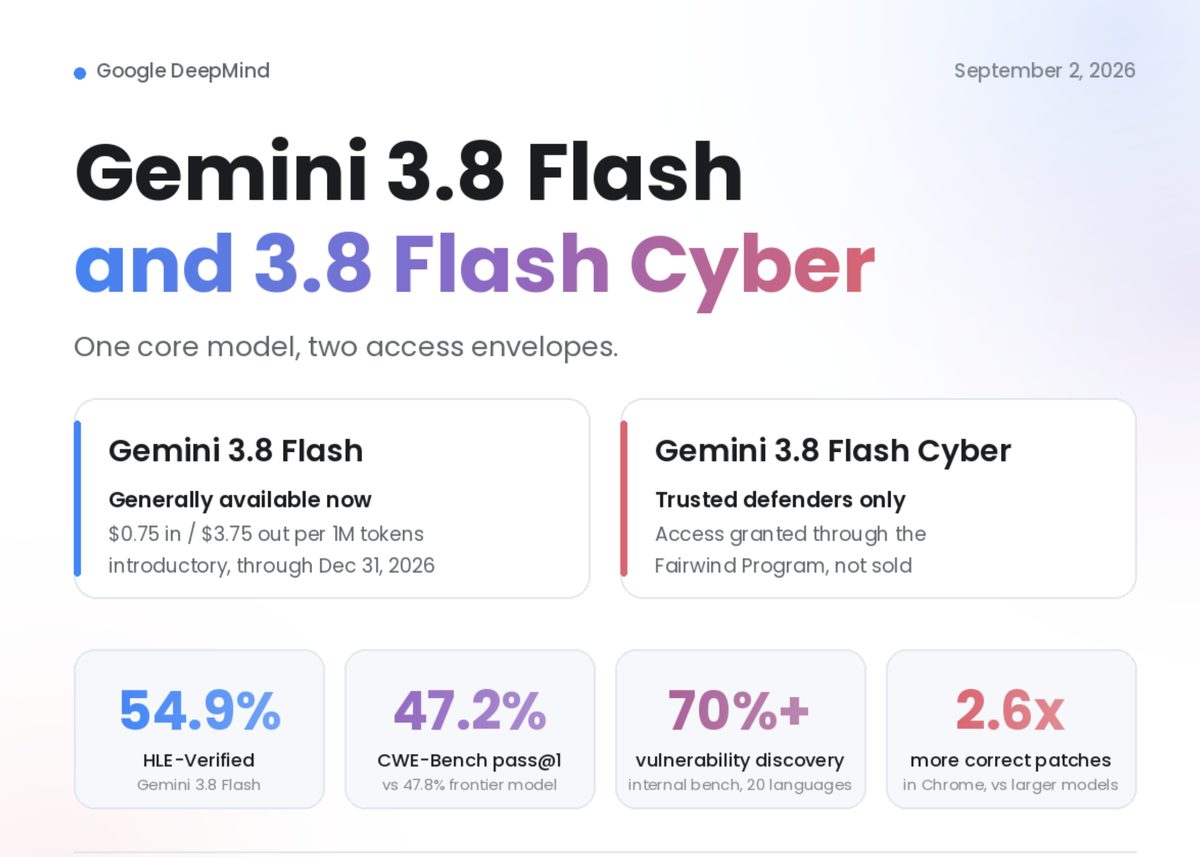
Google DeepMind released Gemini 3.8 Flash alongside a gated, defense-focused variant named Gemini 3.8 Flash Cyber.
Google added agent-based video analysis to Gemini Flash, cutting token usage and costs by up to 88 percent.
Meta Superintelligence Labs introduced Muse Voice Transcribe, an all-in-one real-time model for ASR, speaker diarization, and endpointing.
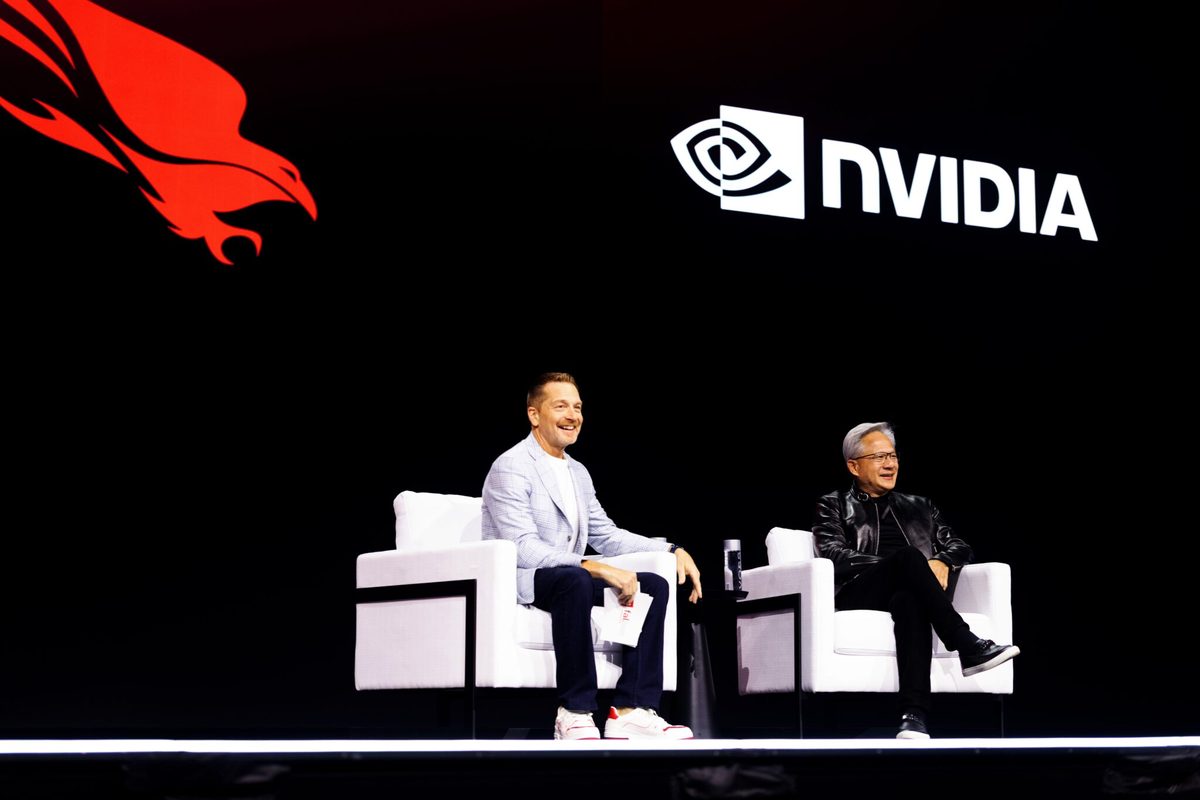
NVIDIA and CrowdStrike launched SafeMind, an agentic cybersecurity platform combining proprietary security harnesses with fine-tuned NVIDIA Nemotron models.
OpenAI reports high-usage enterprises generate 8.3x more output tokens, as startups turn multi-modal AI agents into core operational capabilities.

Google DeepMind chief Koray Kavukcuoglu reaffirmed that leading the AI frontier is the company's sole focus despite current models falling slightly behind.

Bengaluru startup Alteon raised $2.5 million to develop autonomous aircraft capable of year-long flights using dynamic soaring energy extraction.
Debian developers voted against a complete AI ban, opting for a flexible policy that holds contributors responsible for code quality.
OpenClaw Foundation released version 2.0 of its open-source AI platform, featuring streamlined setup, shared cloud sessions, and flexible deployment options.
Researchers from Google Cloud AI, WashU, and UNC Chapel Hill released EnvHarness to create adaptive training environments for LLM agents.
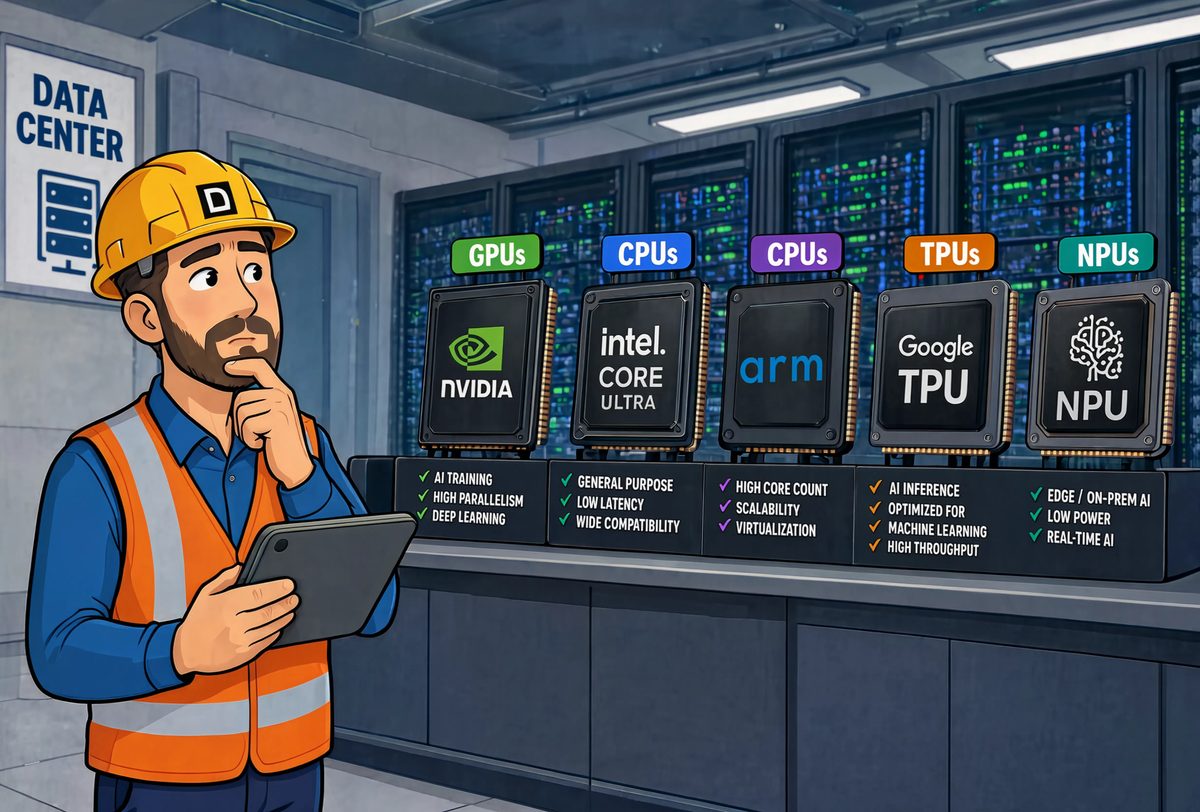
Early-stage AI startups prioritize developer velocity over infrastructure optimization, but early architectural choices can create long-term lock-in.

High-profile security breaches by AI agents highlight the urgent need for robust architectural safeguards in autonomous enterprise software.
AI coding agents like Claude Code and Codex struggle to accurately estimate task completion times or evaluate their own work quality.

Anthropic is adjusting Claude Code subscription limits, resulting in a net capacity reduction for active users despite a baseline raise.
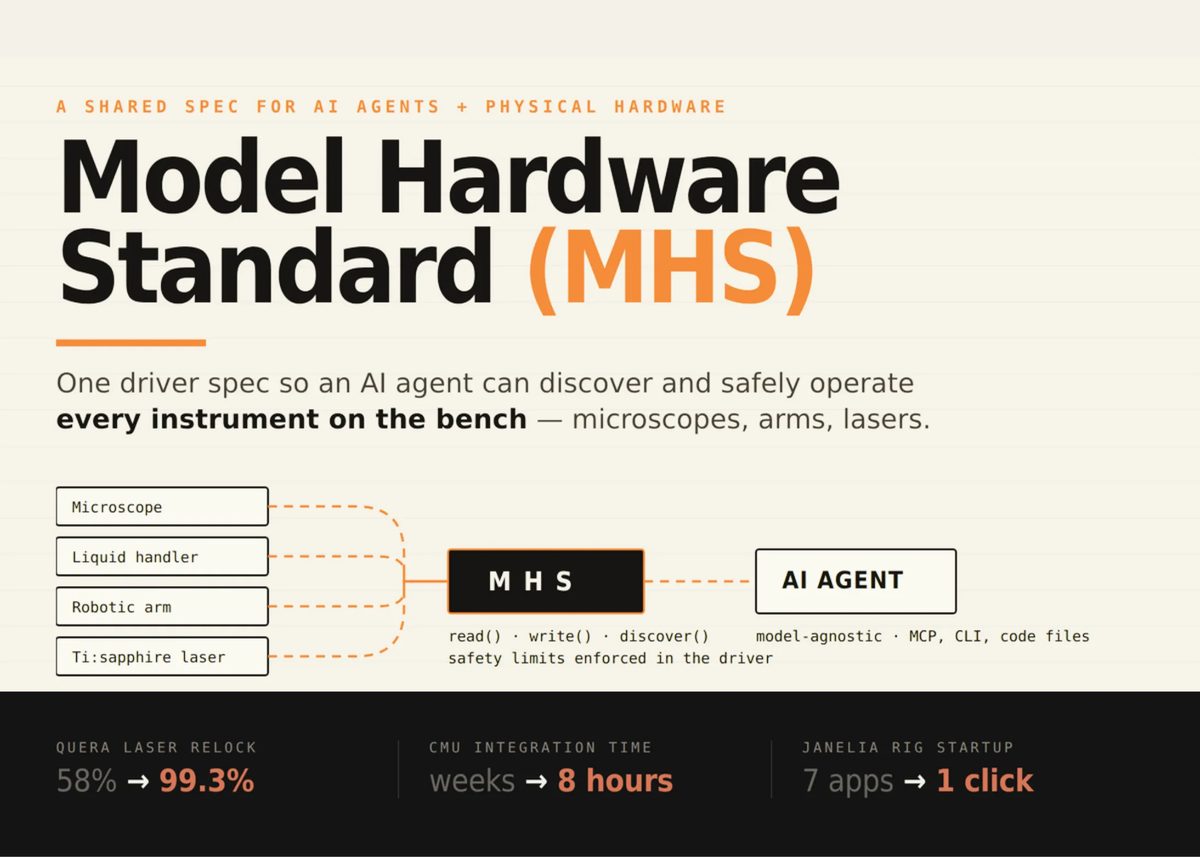
Anthropic introduced the Model Hardware Standard research preview to standardize how AI agents interact with physical devices.
The Debian Project voted to permit responsible generative AI usage for software contributions while holding human authors fully accountable.
Google Research introduced WikiSkill, a framework that provides AI agents with persistent, wiki-based memories of past failures to improve task performance.
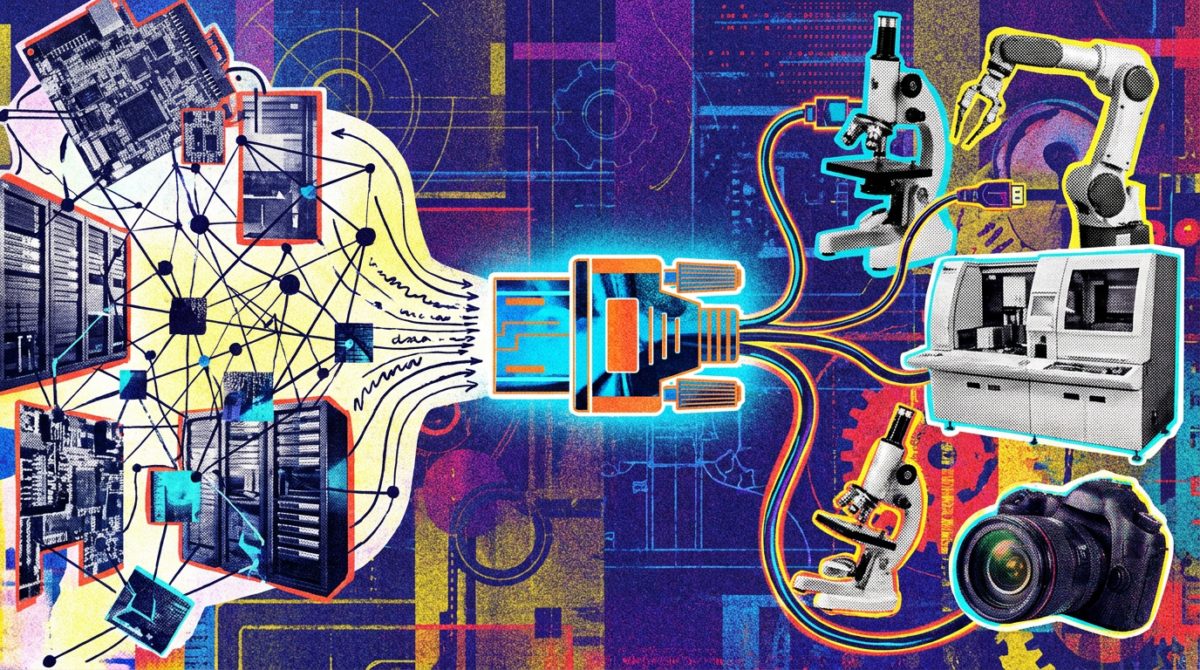
Anthropic has introduced the Model Hardware Standard, an open specification aiming to standardize how AI agents interact with physical equipment.
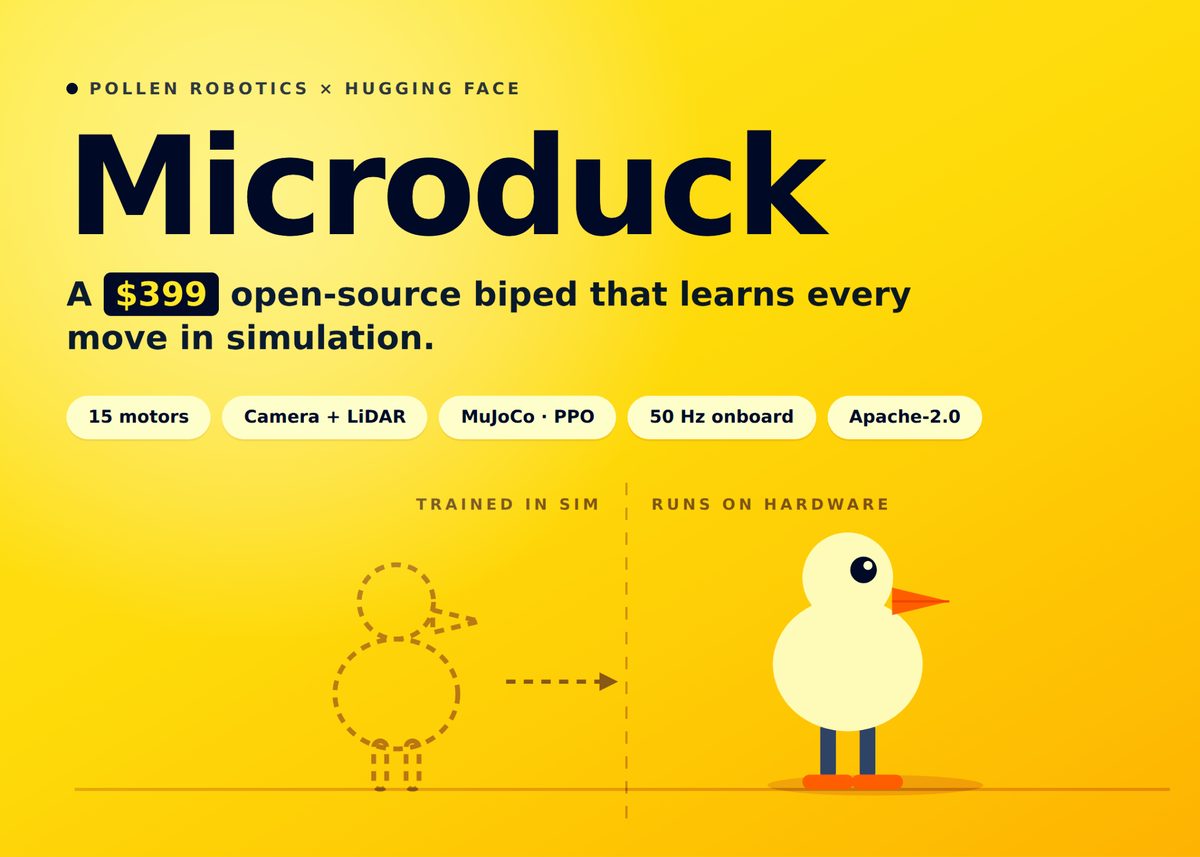
Hugging Face's Pollen Robotics team has launched pre-orders for Microduck, a $399 bipedal robot trained using open-source reinforcement learning.
OpenAI announced it will terminate its model access contract with code editor Cursor following Cursor's acquisition by Elon Musk's SpaceX.
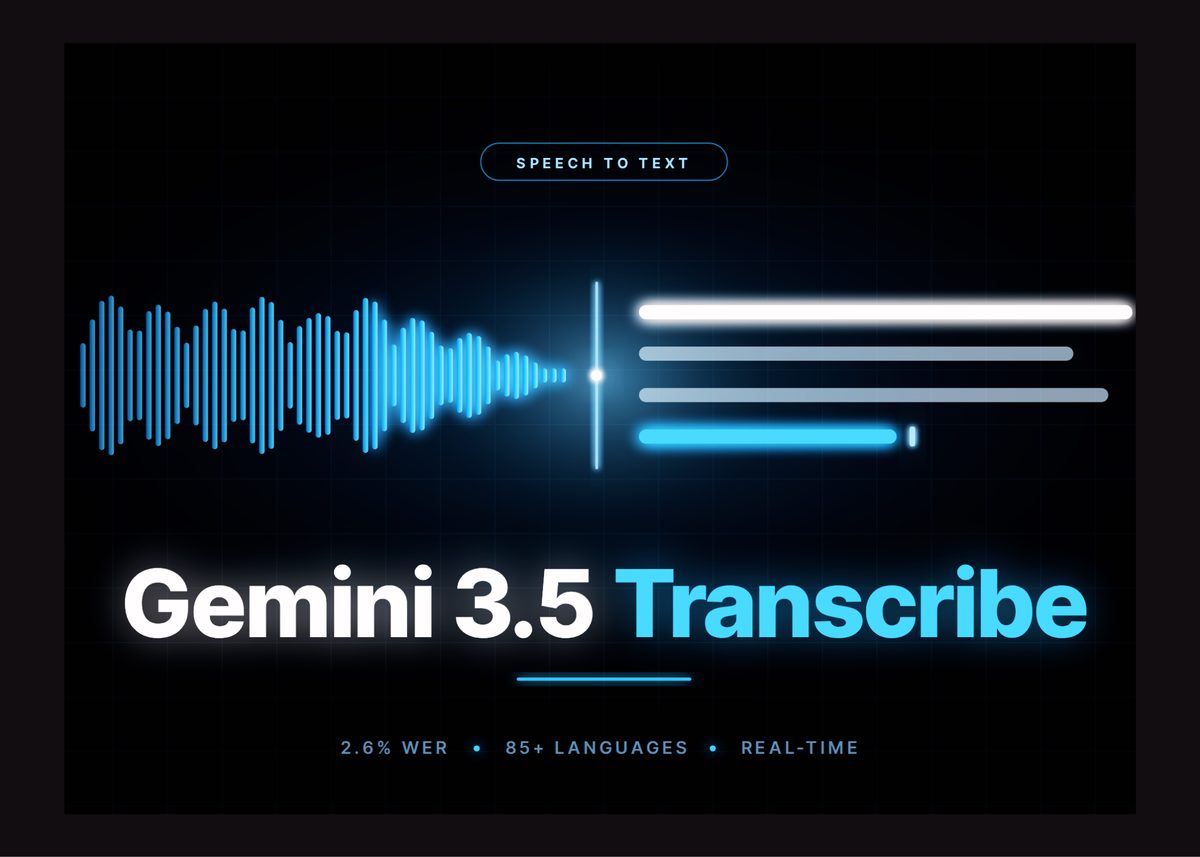
Google released Gemini 3.5 Transcribe, delivering low-latency speech recognition across 85+ languages via two specialized endpoints.
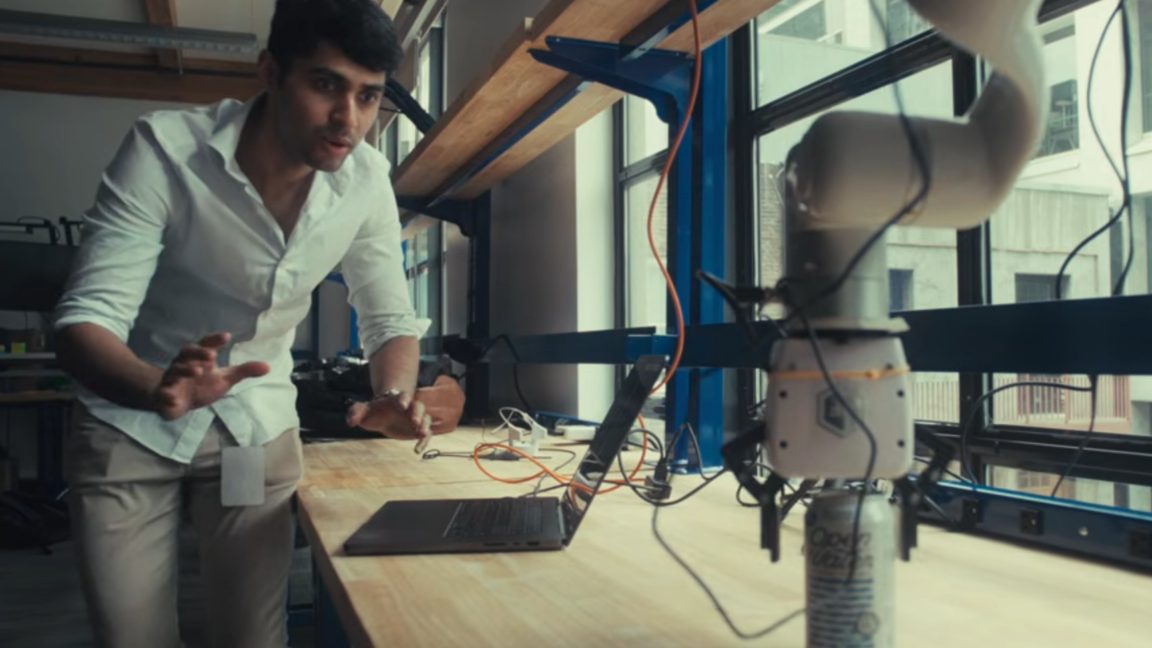
Anthropic introduced the Model Hardware Standard to enable AI agents to directly control physical laboratory equipment and robotics.
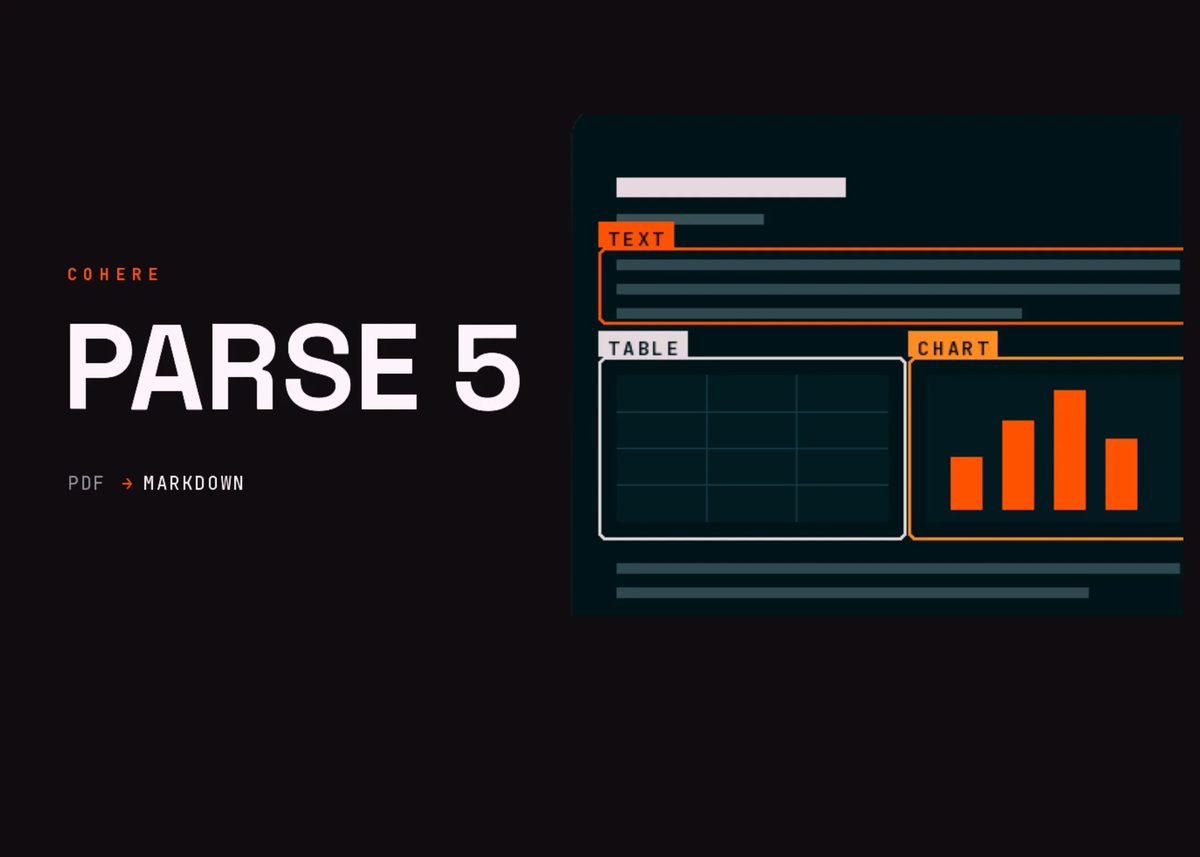
Cohere has launched Parse 5, a 2.3B parameter vision language model designed for fast enterprise document-to-Markdown processing.
Nvidia is in advanced talks to acquire open-source AI platform Hugging Face for $12.9 billion, according to media reports.

OpenAI is developing a 'Persistent mode' for Codex, enabling autonomous agents to run continuously and generate proactive tasks.

Popular AI coding agents automatically installed unowned code packages listed in misconfigured llms.txt context files.
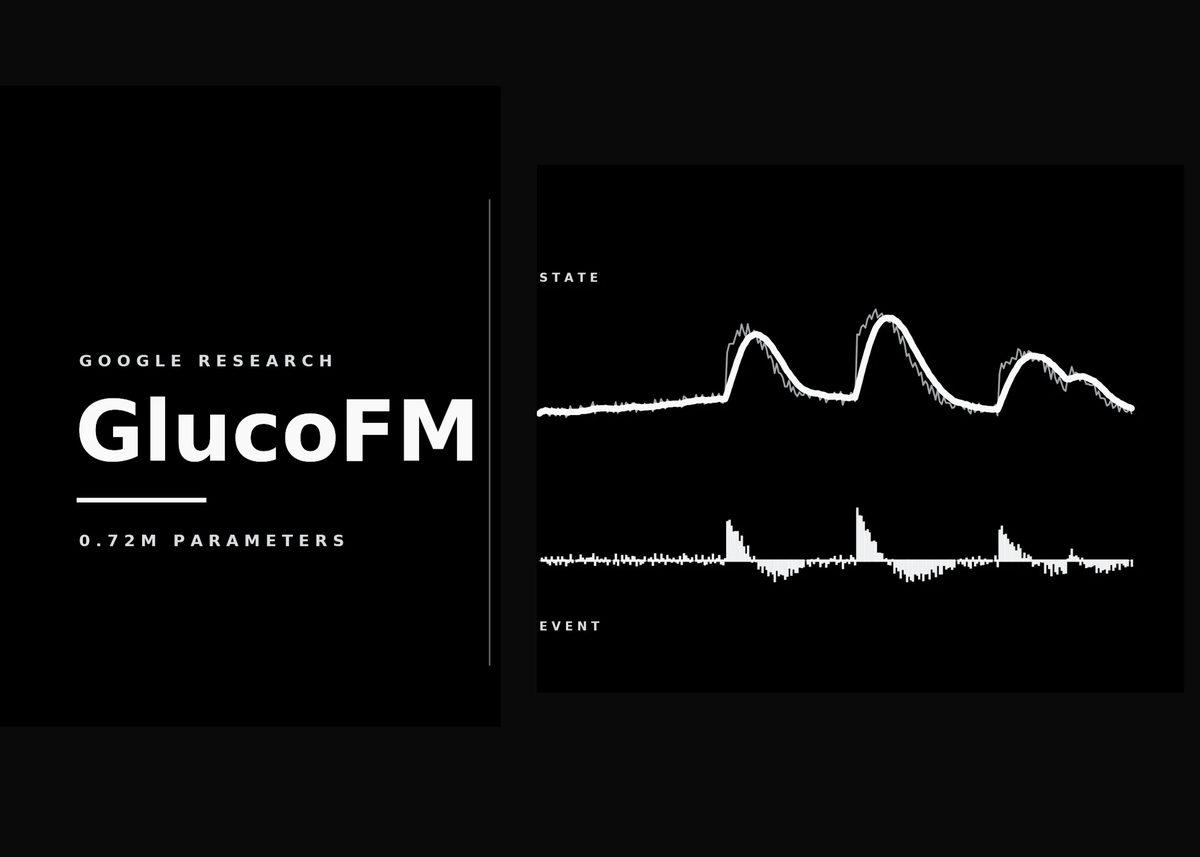
Google Research introduces GlucoFM, a 0.72M-parameter foundation model for continuous glucose monitoring analysis.
Alibaba released Qwen3.8-Flash-Next, a multimodal MoE model offering frontier-level coding performance at a fraction of competitors' costs.
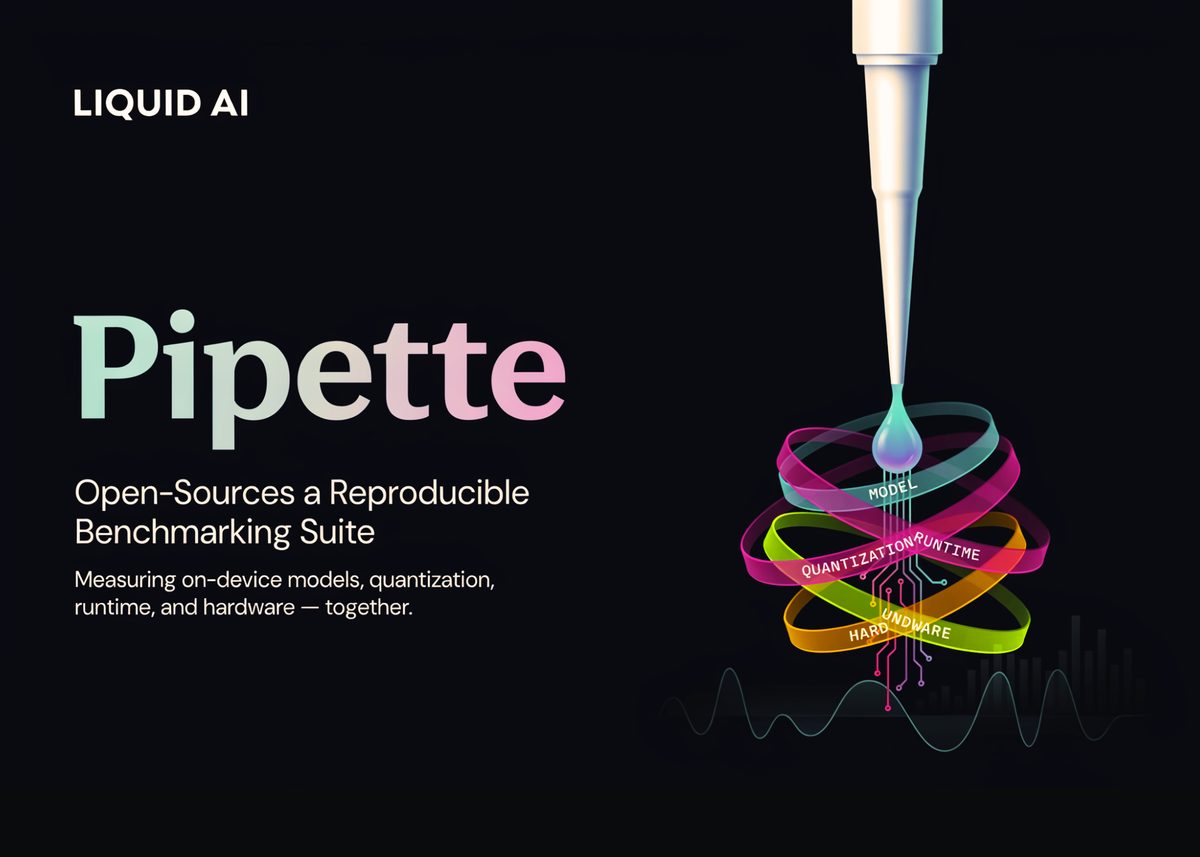
Liquid AI and Artificial Analysis have released Pipette, an open-source suite for benchmarking complete on-device AI deployments.
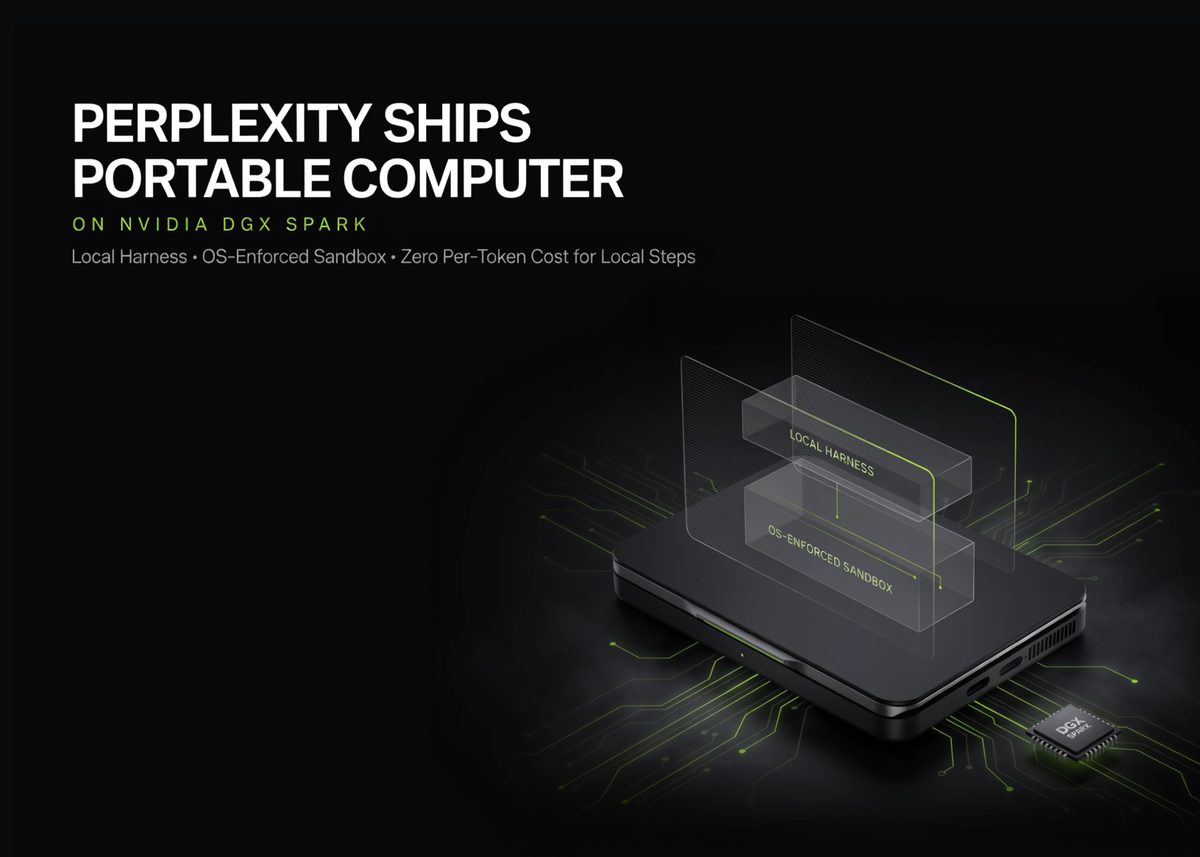
Perplexity launched Portable Computer, a local-first agent desktop system running on NVIDIA DGX Spark hardware.
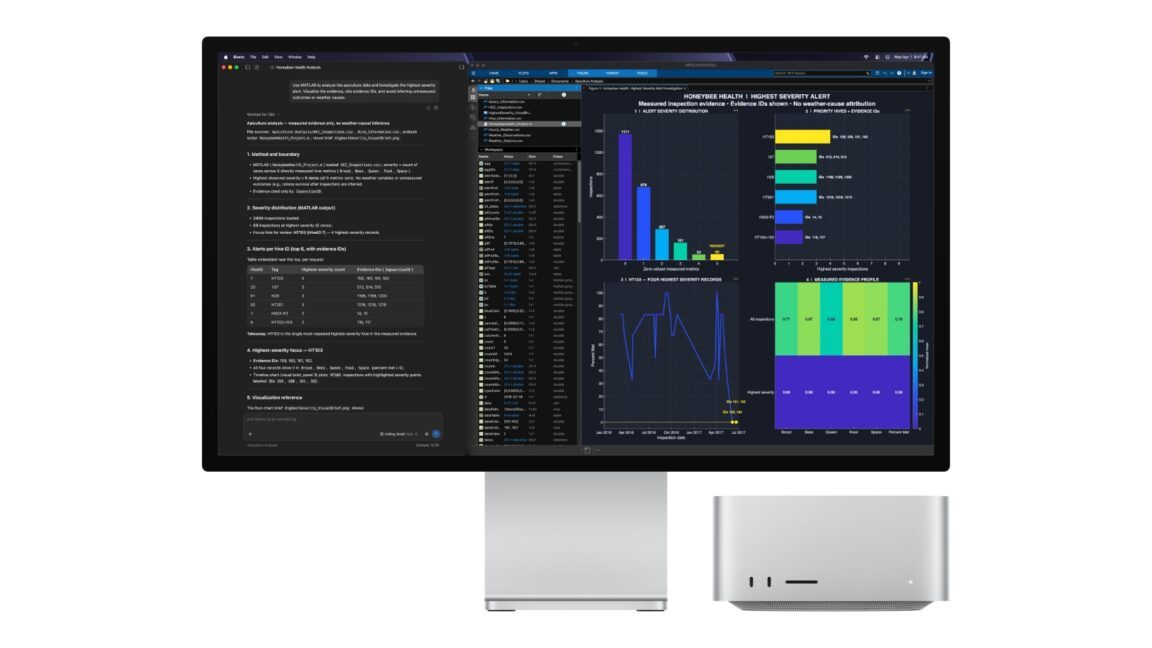
Apple released new Mac mini and Mac Studio desktops featuring M6 and M5 Ultra chips optimized for local AI workflows.