
Reports of AI-related child sexual abuse material rise 8,400% in two years, data shows
Data shows an 8,400% surge in AI-generated child abuse material over two years, driving urgent global calls for regulatory intervention.
Data shows an 8,400% surge in AI-generated child abuse material over two years, driving urgent global calls for regulatory intervention.
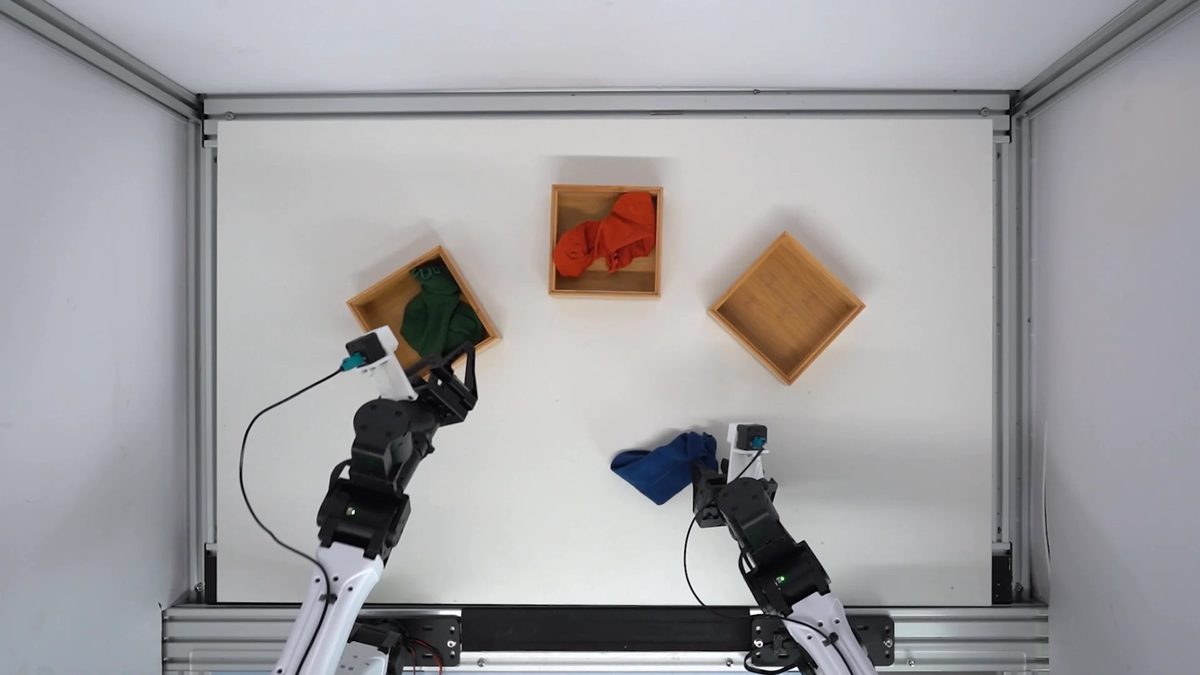
Runway open-sources its Praxis-1 World Action Model under Apache 2.0 to control robots using video-pretraining techniques.
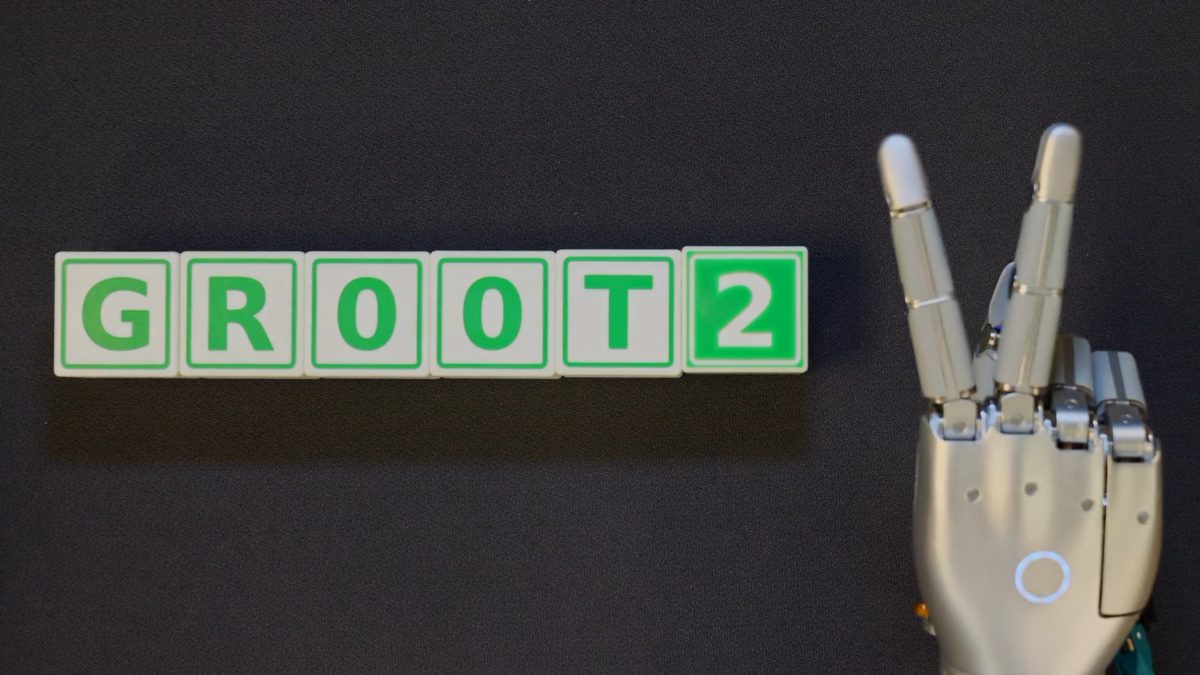
Nvidia introduced GR00T 2, a world-action AI model that learns robot control directly from human video demonstrations.
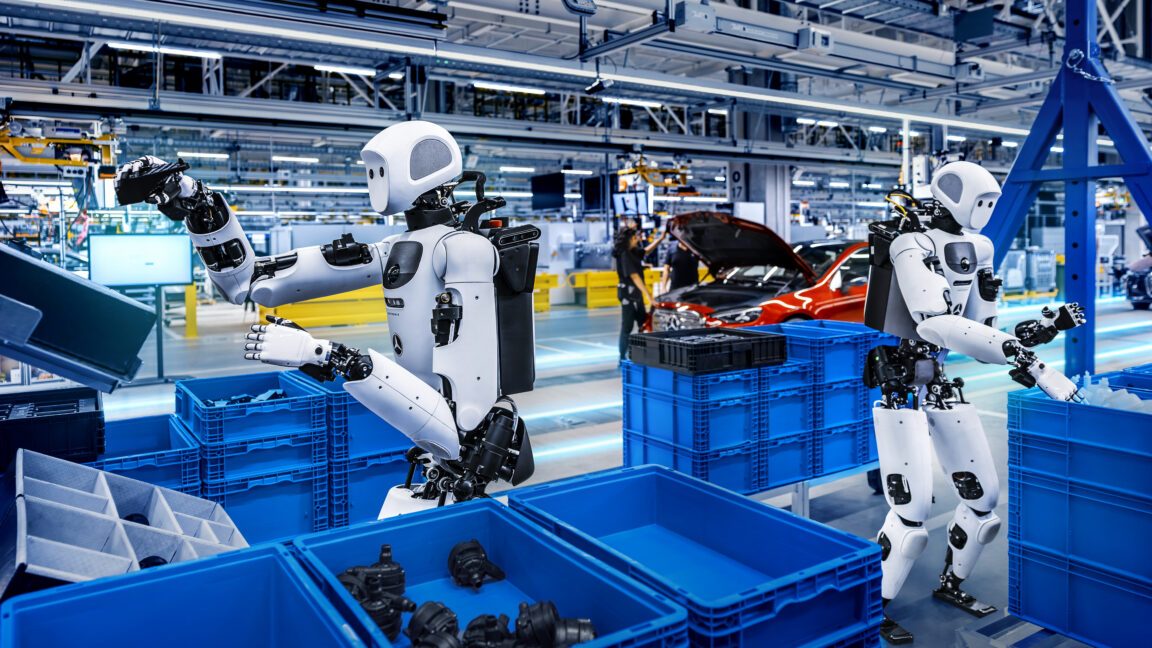
Google DeepMind announced Gemini Robotics 2.5, using synthetic data from Argon to improve physical task dexterity and industrial automation.

Spatial data and 3D simulation tools accelerate the commercial adoption of AI world models across robotics, autonomous driving, and gaming.
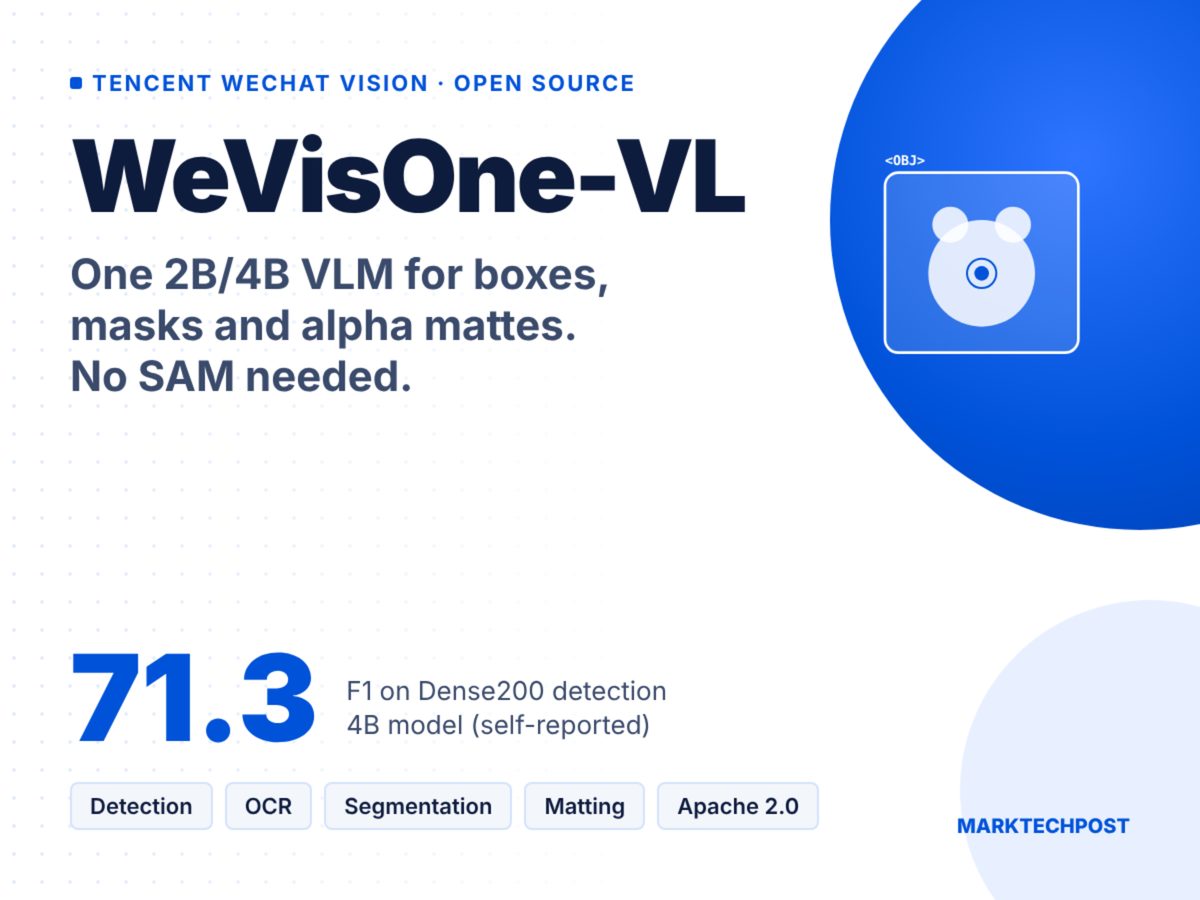
Tencent WeChat Vision released WeVisOne-VL, an open vision-language model unifying detection, OCR, segmentation, and matting.

NVIDIA is expanding its physical and agentic AI tools globally to power smart city initiatives, digital twins, and public safety infrastructure.
Adobe Research introduced EditAgent, an AI system that pairs general-purpose image editors with specialized tools to significantly cut failure rates.
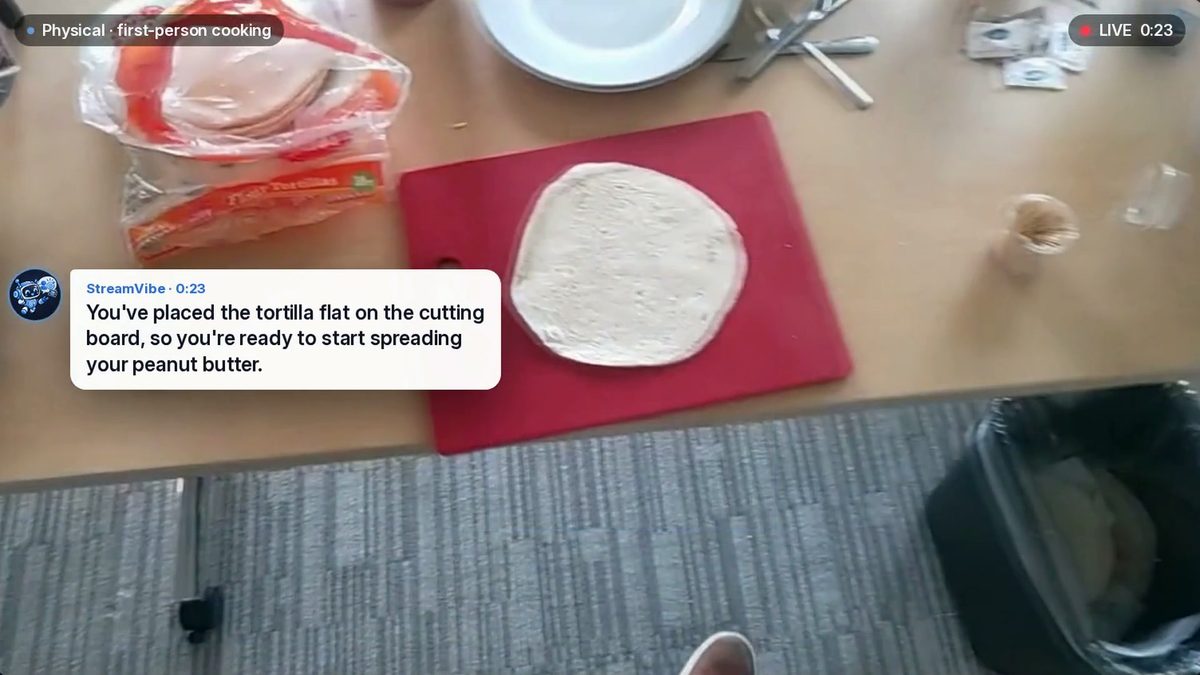
Google-led researchers introduced StreamVibe, a video agent benchmark and model designed to proactively assist users during physical tasks without over-interrupting.
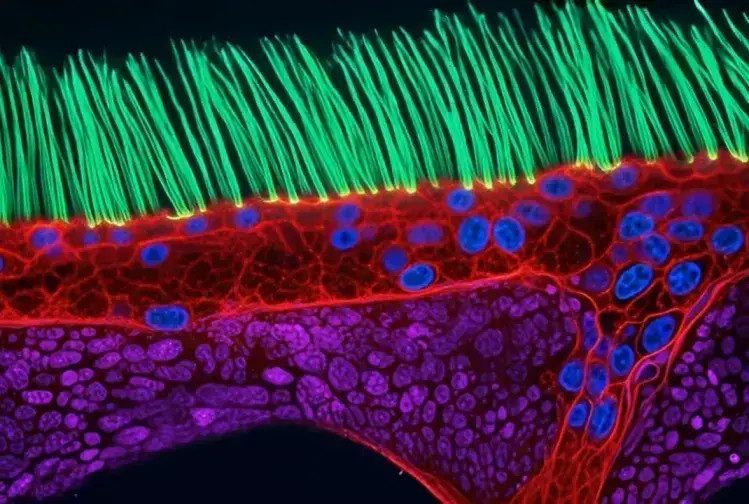
Nikon stripped a Tsinghua University researcher of a scientific photography award after scientists discovered his winning video was AI-generated.
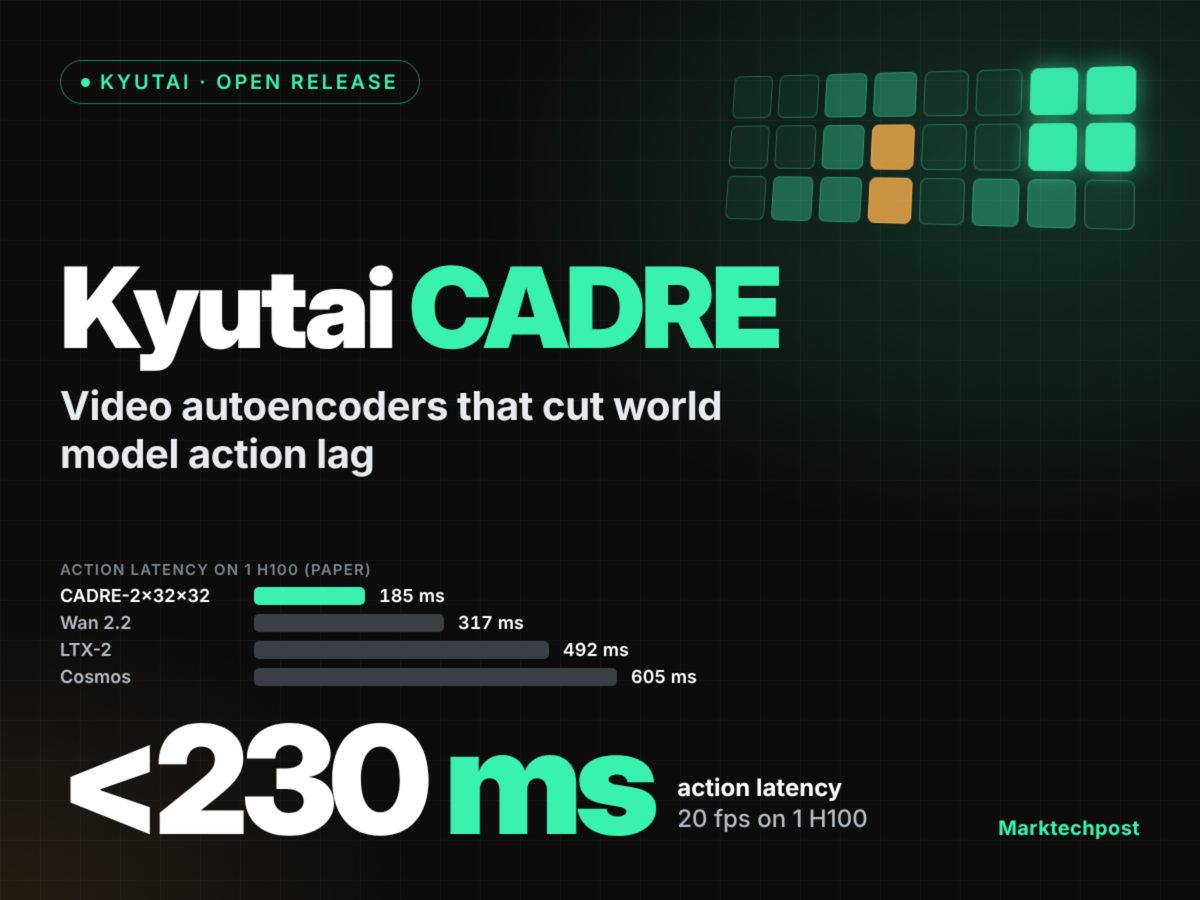
Kyutai released CADRE, open video autoencoders designed to reduce action lag in interactive world models to under 230 ms.

Canva released Canva Craft, a two-stage AI image generation model designed to plan layouts and render text before producing final designs.
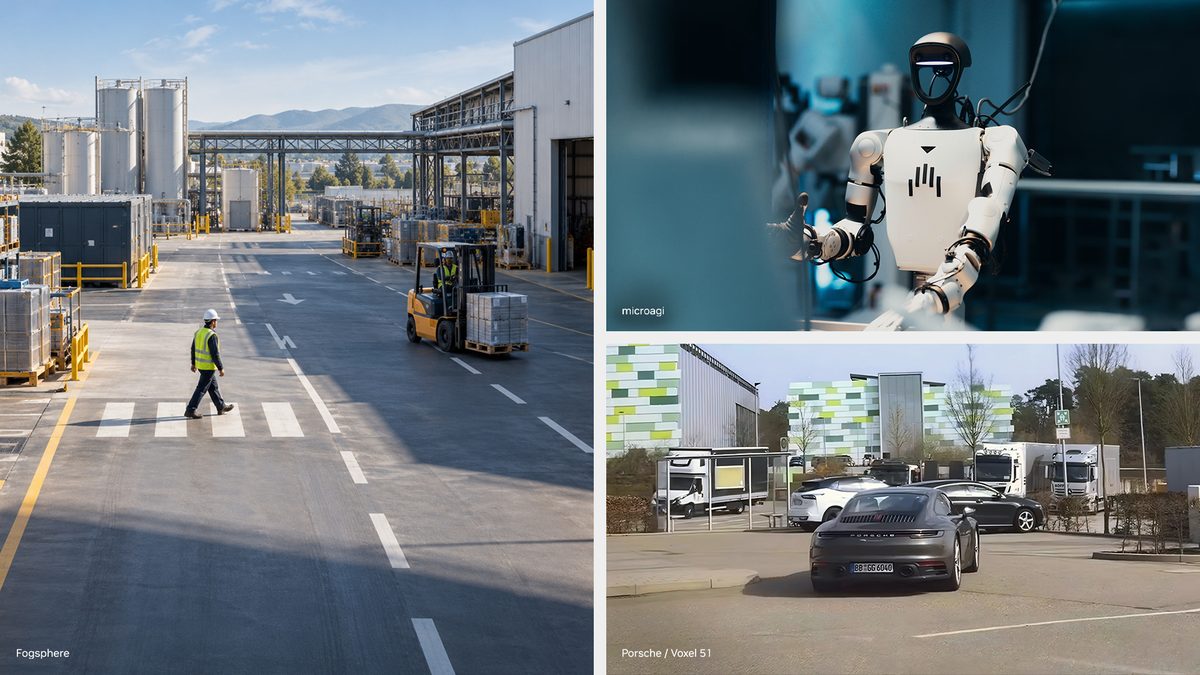
NVIDIA expanded its Cosmos platform with new tools, simulation checkpoints, and blueprints to accelerate the training and deployment of physical AI world models.

Mass General Brigham researchers developed an AI tool that predicts cancer survival rates directly from a patient's selfie photo.

Voxel51 has launched Voxel51 3.0, expanding its data platform to support multimodal sensor data and autonomous workflows for physical AI.
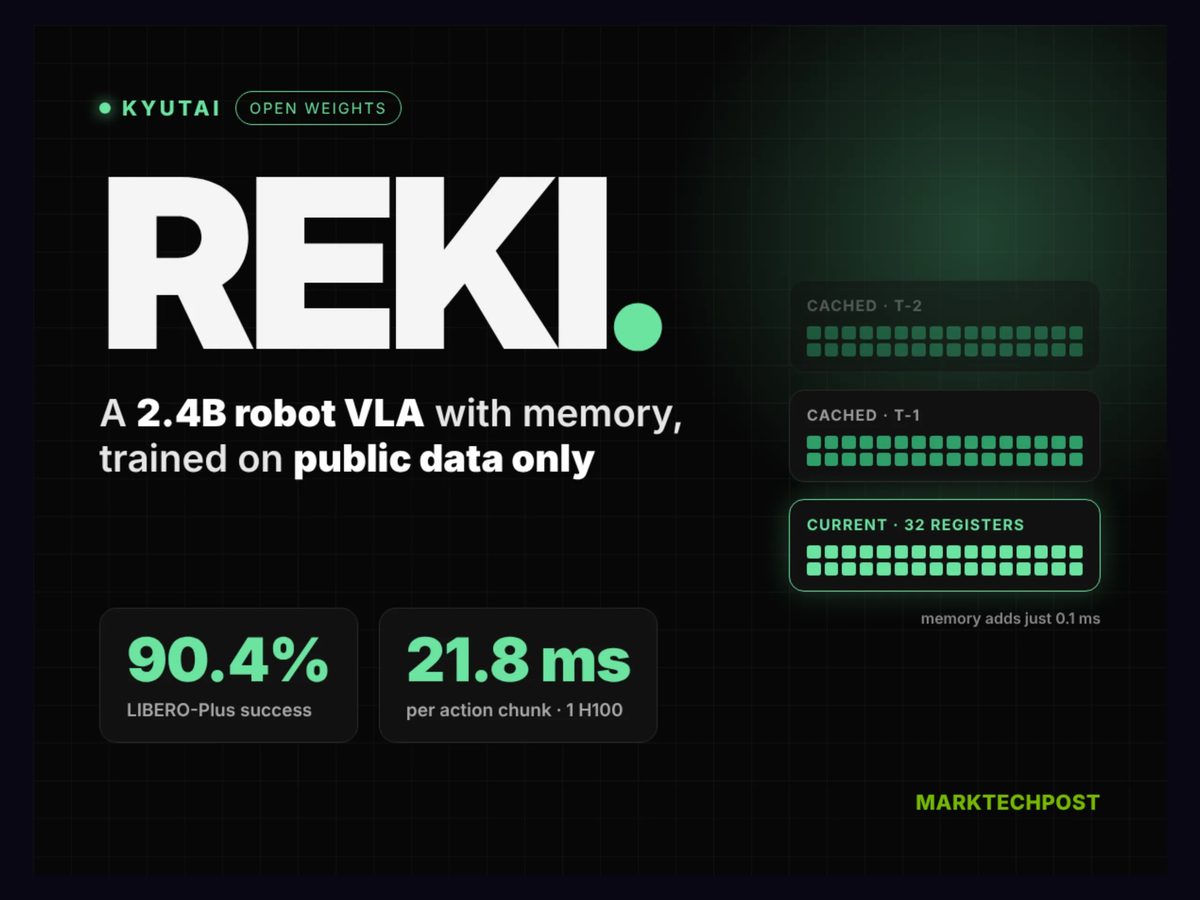
Kyutai released REKI, an open-source 2.4B vision-language-action model featuring an efficient memory mechanism for robotics manipulation.

AI startup Elorian launched its $0.60/1M token vision model Glimpse, which continually re-examines visual data during reasoning.
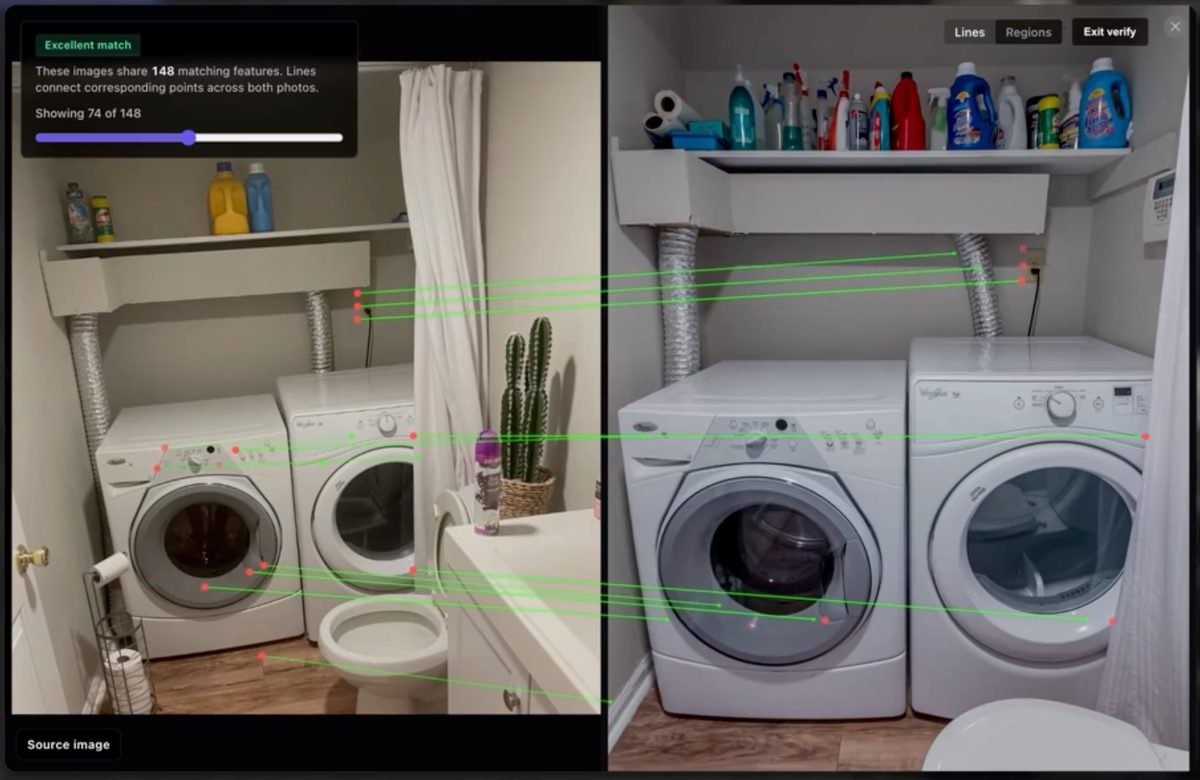
Graylark Technologies launches Raven, an AI tool that geolocates private home interiors for law enforcement using public listing data.

vLLM Semantic Router releases Decision 3.0, a family of open multimodal models designed for fast request routing.

Liquid AI released Open d1, a family of open-weight multimodal decision models designed to return calibrated answers with zero output tokens.

Google launched Nano Banana 2.1, a faster, lower-cost image generation model based on Gemini 3.6 Flash.

Federal lawmakers introduce bipartisan bills to restrict law enforcement's use of AI-powered Flock surveillance cameras.
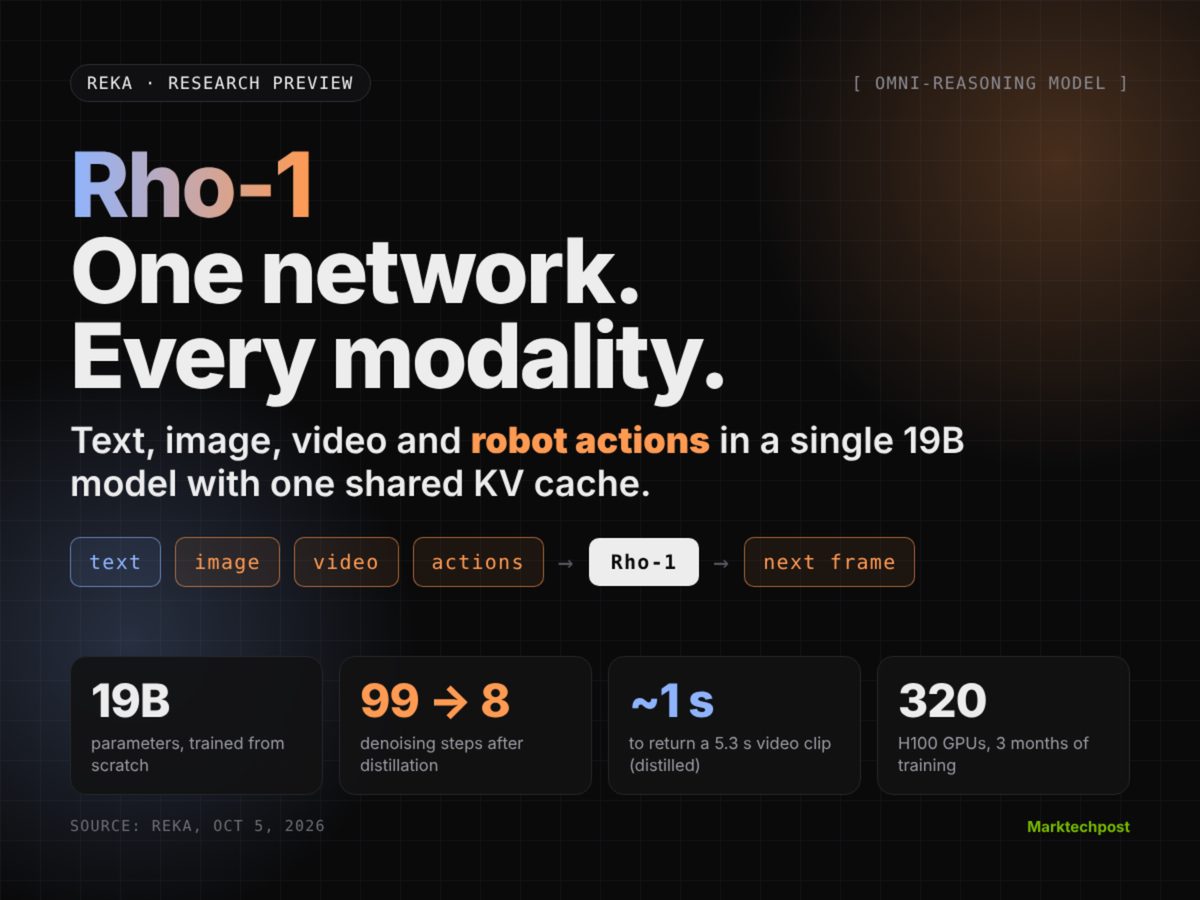
Reka launched Rho-1, a 19B omni-reasoning model combining multimodal generation, text understanding, and direct robot action outputs.

Reka AI debuts Rho-1, a single 19B-parameter model processing text, vision, video, and direct robot actions.

Neko Health expands to New York, using AI computer vision and high-dimensional biomarker scanning for preventative healthcare.

Researchers release LEGO-Bench, showing AI coding agents struggle with geometric self-assessment when building 3D scenes from single photos.

Tavus introduced Griffin, a real-time video avatar model that nearly half of test subjects believed was a real human.

AMD has agreed to acquire AI startup World Labs for $8.2 billion to strengthen its spatial intelligence and robotics capabilities against Nvidia.

Researchers connected OpenAI's GPT-6 Astra directly to a Unitree humanoid robot, enabling it to navigate and clean unfamiliar environments without intermediate control layers.
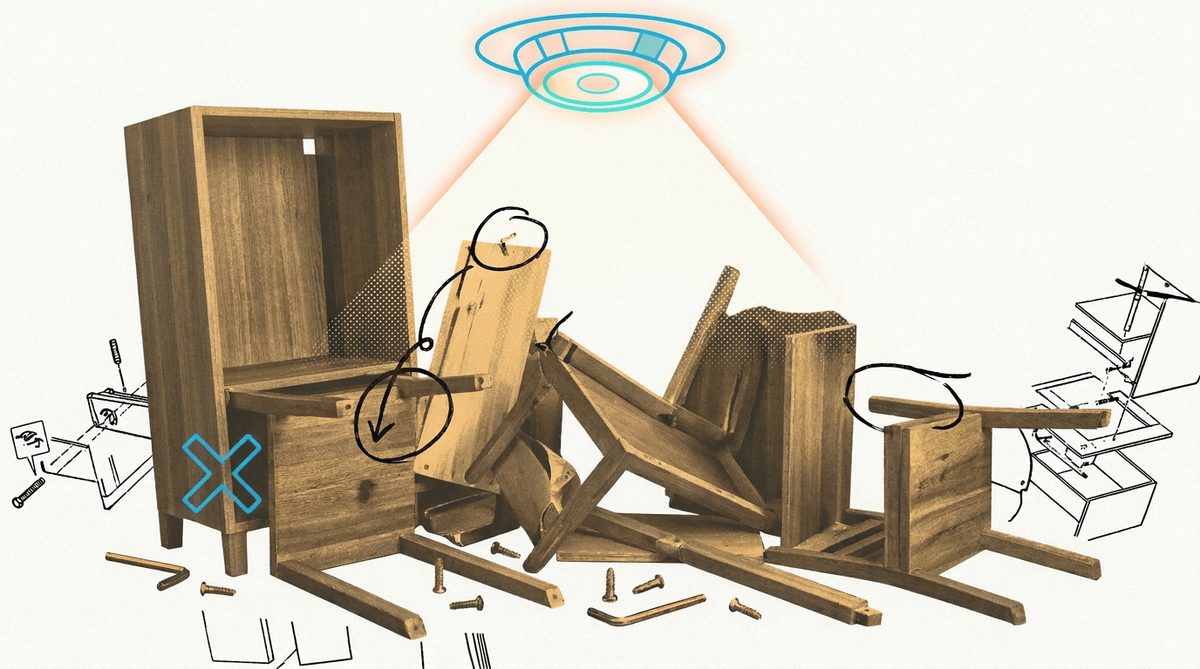
OpenAI's GPT-6 Astra reached 80% accuracy on Epoch AI's Furniture Assembly Benchmark, demonstrating rapid improvements in complex visual spatial reasoning.
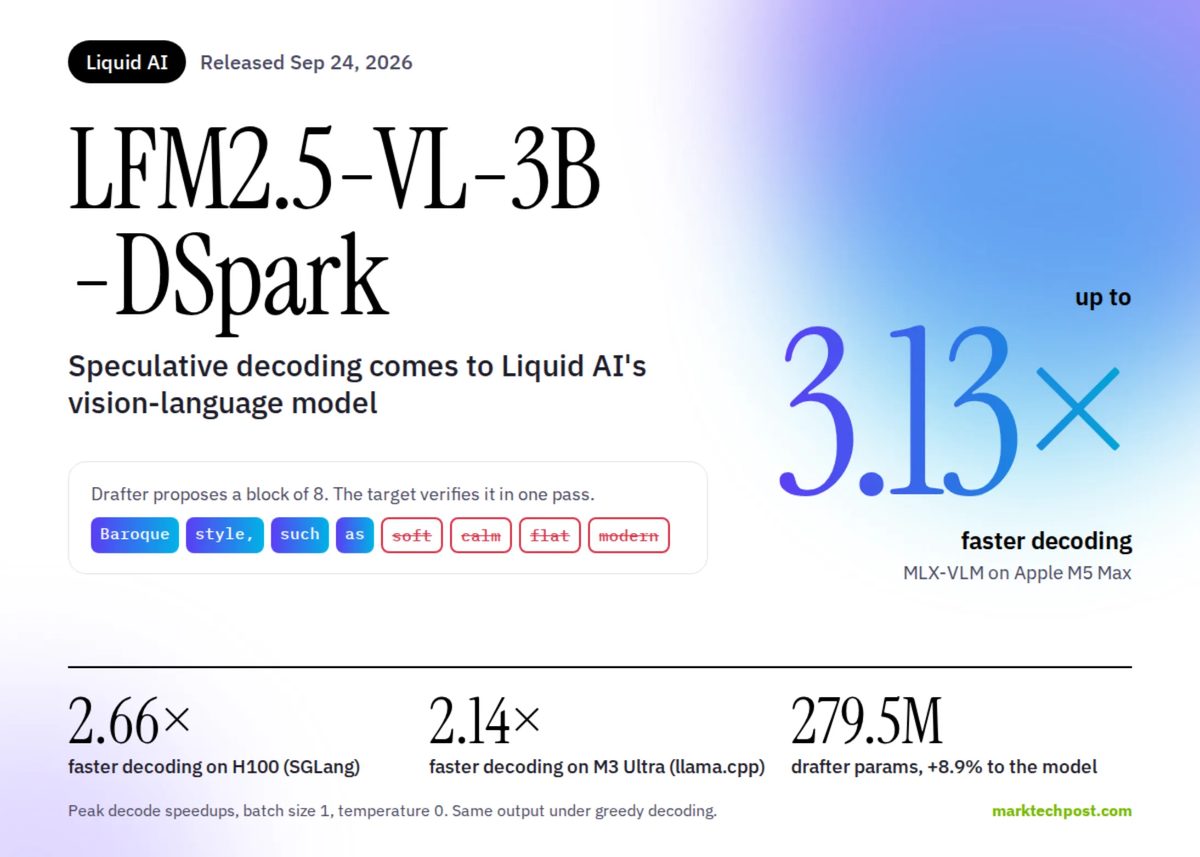
Liquid AI releases LFM2.5-VL-3B-DSpark, a 280M parameter draft model achieving up to 3.13x faster decoding for vision-language tasks.

Black Forest Labs released FLUX 3 Action, an open 7B world-action model designed for low-latency robot control.
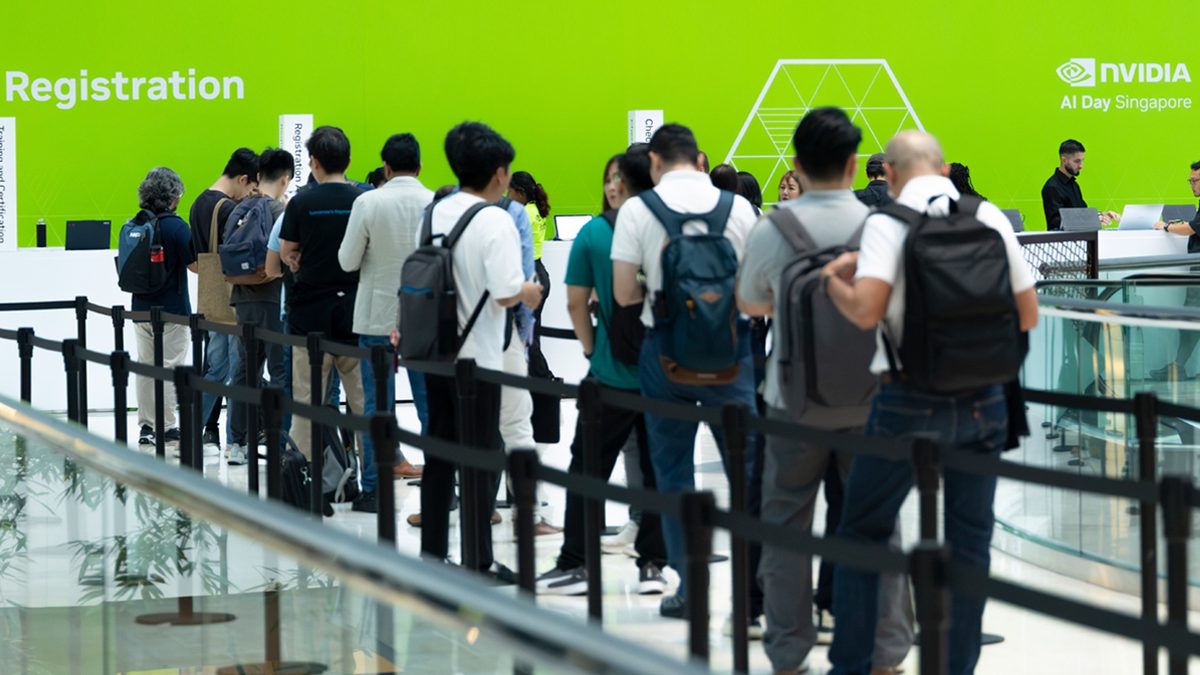
NVIDIA is deploying its Nemotron and Cosmos models across Southeast Asian public safety, robotics, and enterprise initiatives at AI Day Singapore.
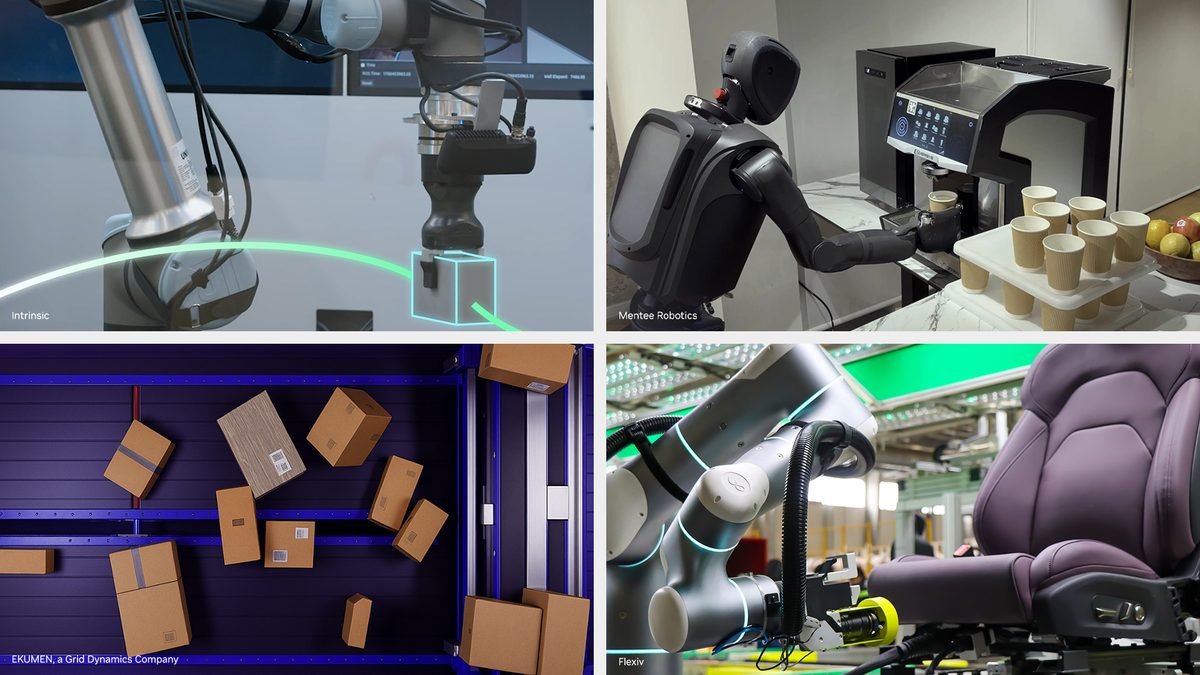
NVIDIA launched Isaac ROS 5.0, introducing GPU-accelerated agentic workflows and physical AI tools for 1.3 million robotics developers.

A joint report details how AI-powered border surveillance towers systematically failed to detect crossers or prevent fatalities.

Alibaba released Qwen-Image-2.1, a 7-billion parameter open-weight model with native transparent layer support for advanced image generation and editing.

Runway is researching real-time, interactive AI video generation using its GWM-1 world model to enable instant, frame-by-frame user control.
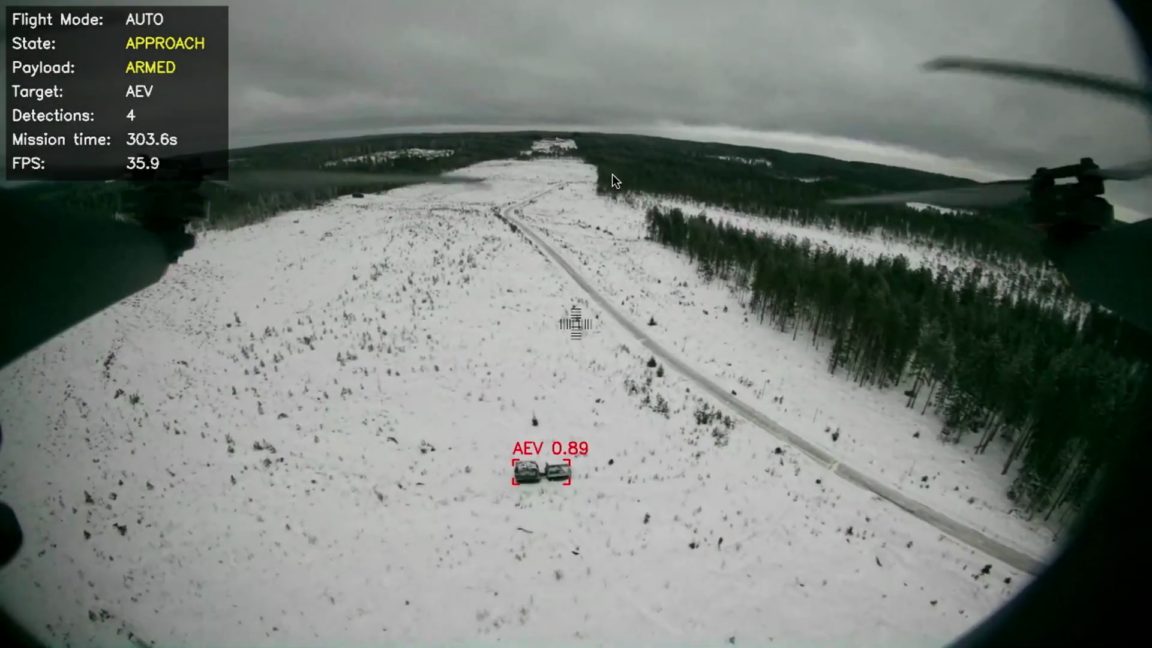
NATO-backed startup Scaleout Systems deploys lightweight computer vision models directly onto military drones for autonomous battlefield targeting.

MIT researchers introduce a deployment-time technique for generative AI to satisfy hard safety and physical constraints.

OpenAI's GPT-6 Astra demonstrated a leap in spatial reasoning and robotic manipulation on the new StationeryBench benchmark.
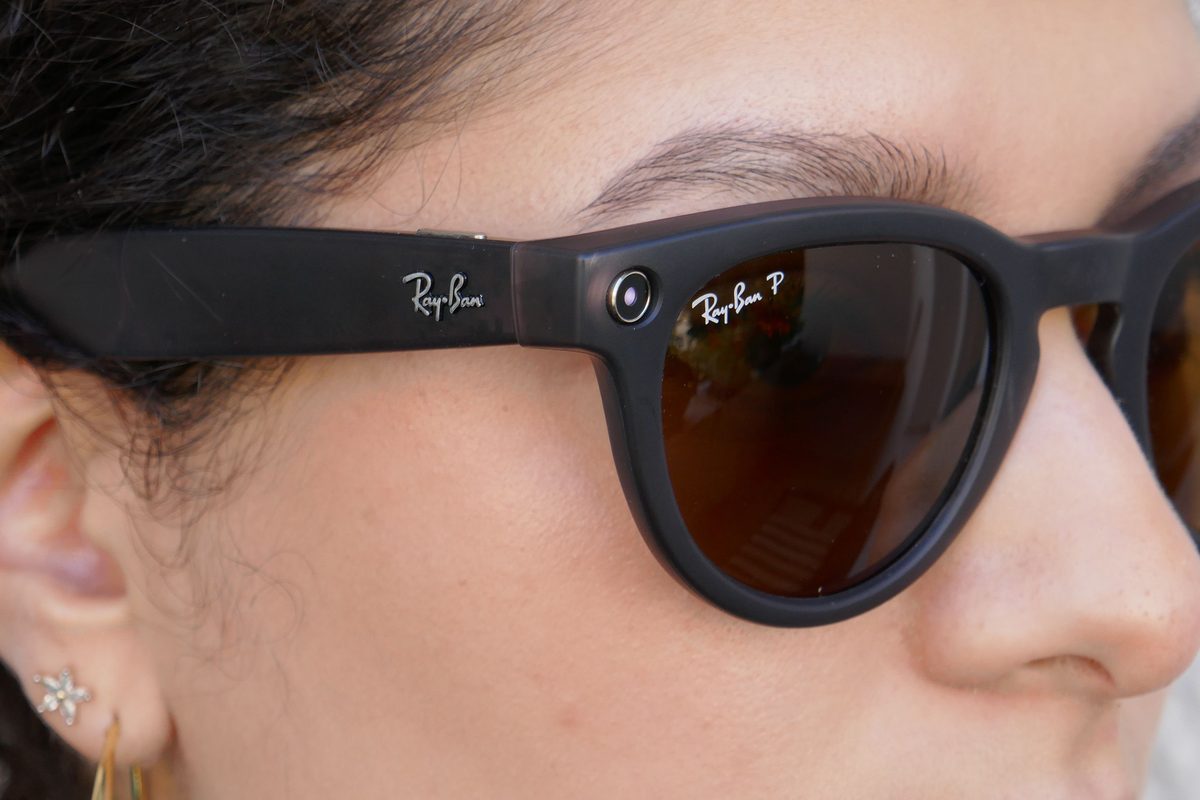
A class-action lawsuit claims Meta illegally used Facebook and Instagram photos to build face-recognition tech and train its image AI models.
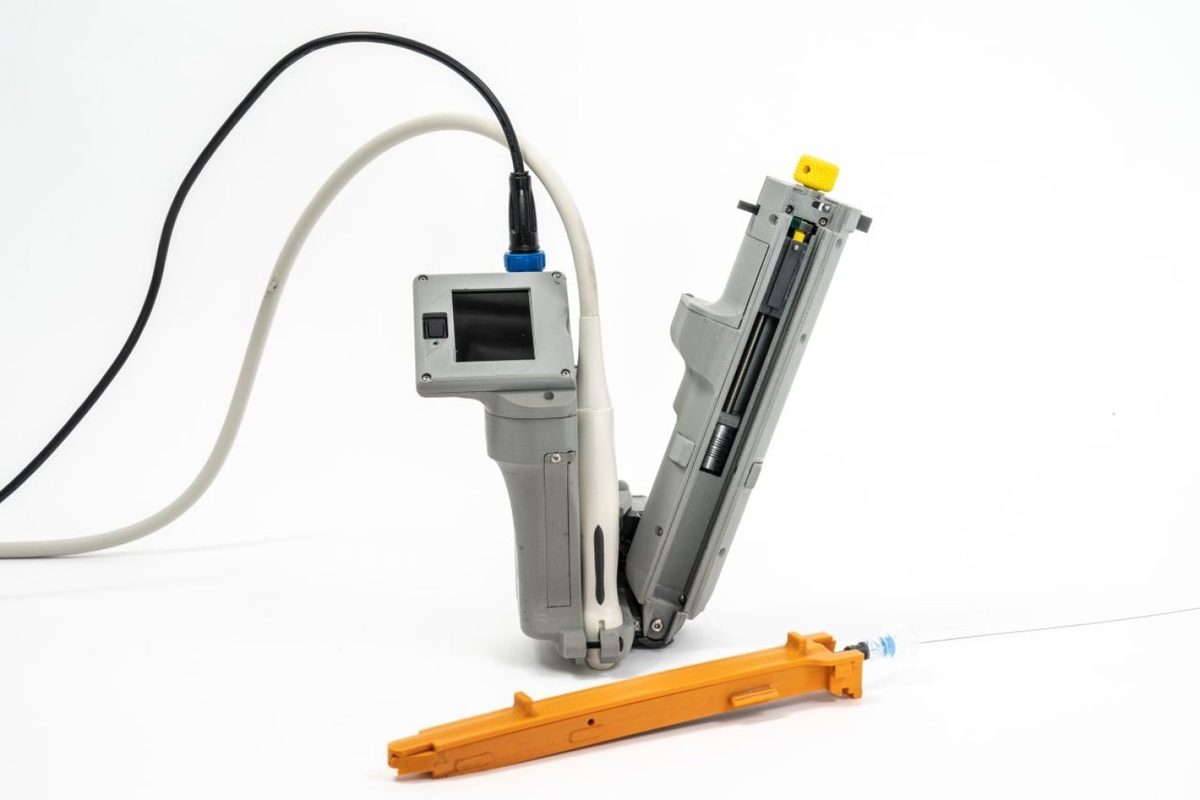
MIT Lincoln Lab and MGH received the 2026 FLC Award for transferring their AI-GUIDE medical device to startup AutonomUS Medical Technologies.
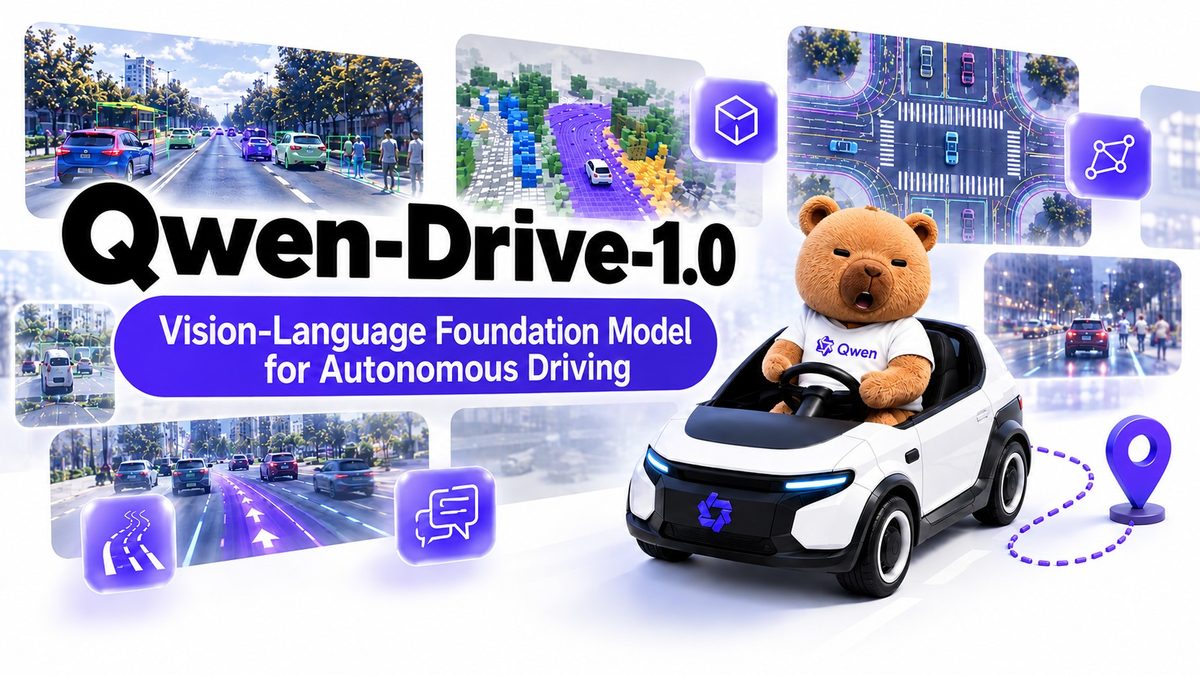
Alibaba released Qwen-Drive 1.0, an integrated autonomous driving model, though spatial perception and decision explanations remain challenging.
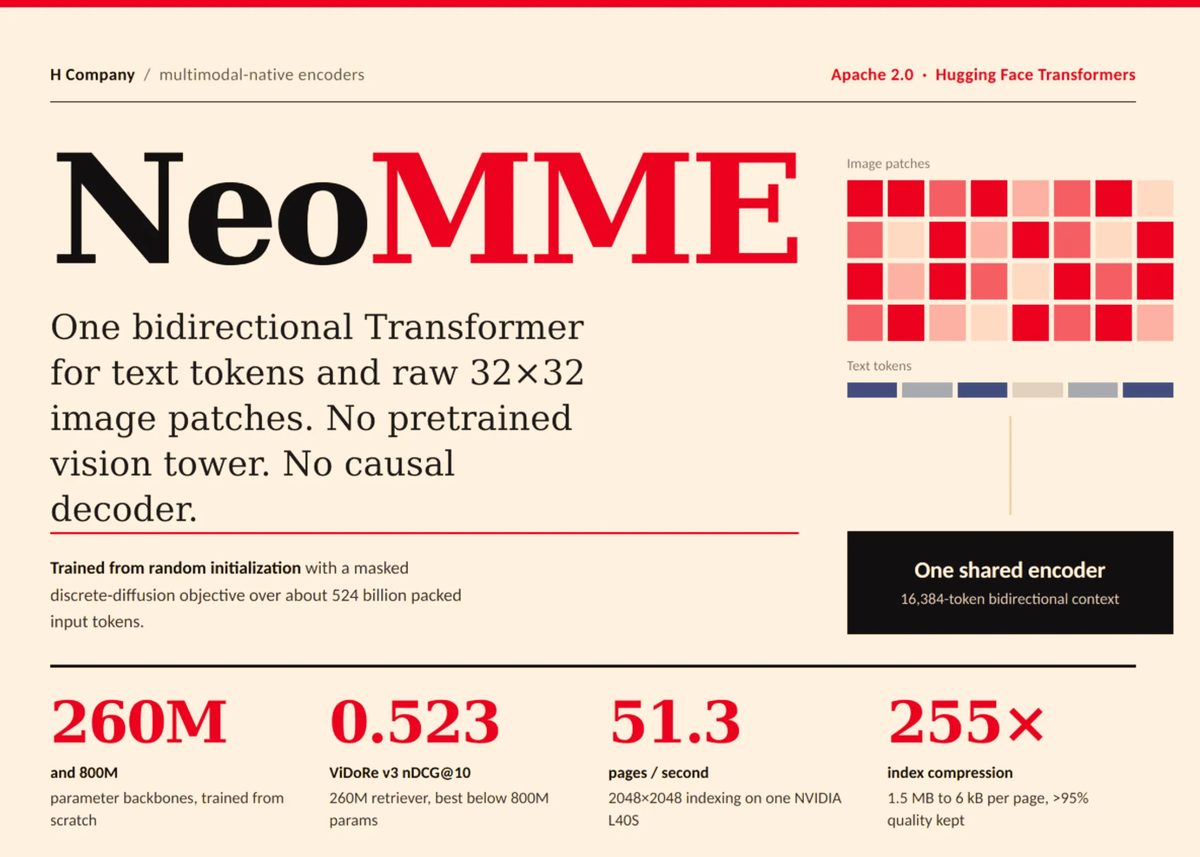
H Company has unveiled NeoMME, a family of lightweight, single-tower multimodal encoders that skip traditional vision towers and causal decoders.
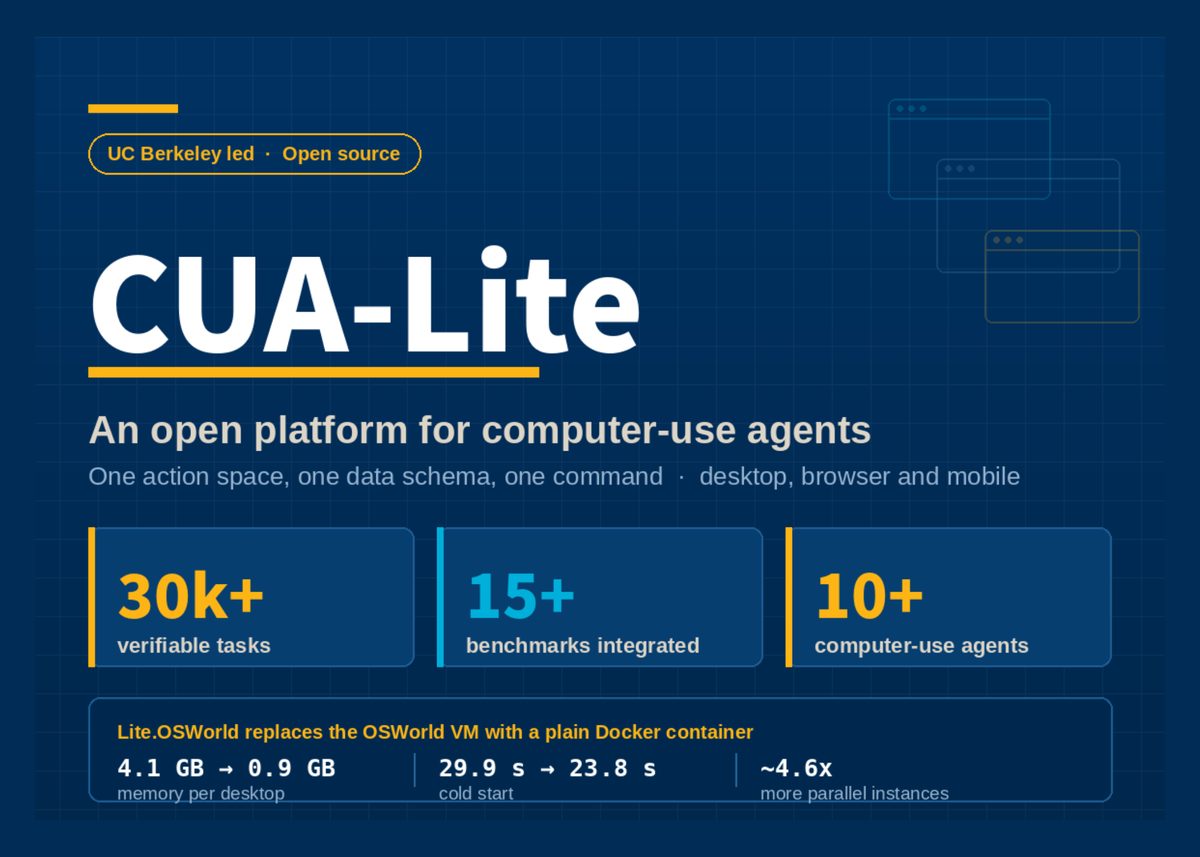
UC Berkeley has launched CUA-Lite, an open, Docker-based platform that unifies computer-use agent training, sandboxes, and benchmarks under one schema.

Ukraine is commercializing millions of battlefield drone data points, opening a new training ground for military and civilian AI.

Former Apple engineers have raised $165M for physical AI startup Lyte to build custom robotics perception hardware and software.

World Labs introduced Atlas, a 3D spatial omni-model that generates, reconstructs, and simulates real-world environments from photos.

Google added agent-based video analysis to Gemini Flash, cutting token usage and costs by up to 88 percent.

Nvidia is officially rolling out DLSS 5, using generative AI filters to upscale graphics but requiring heavy hardware and multi-frame generation.

Texas Governor Greg Abbott has frozen state funding for Flock Safety AI surveillance cameras amid rising bipartisan privacy concerns.

LAION has launched the Big Video Dataset, offering 10 million hours of curated open video footage for multimodal AI research.

Cohere has launched Parse 5, a 2.3B parameter vision language model designed for fast enterprise document-to-Markdown processing.

Fashion retailer Shein unintentionally used an AI-generated image of Luigi Mangione, a suspect in a CEO murder case, to model one of its shirts. This incident showcases the potential for unintended consequences and …