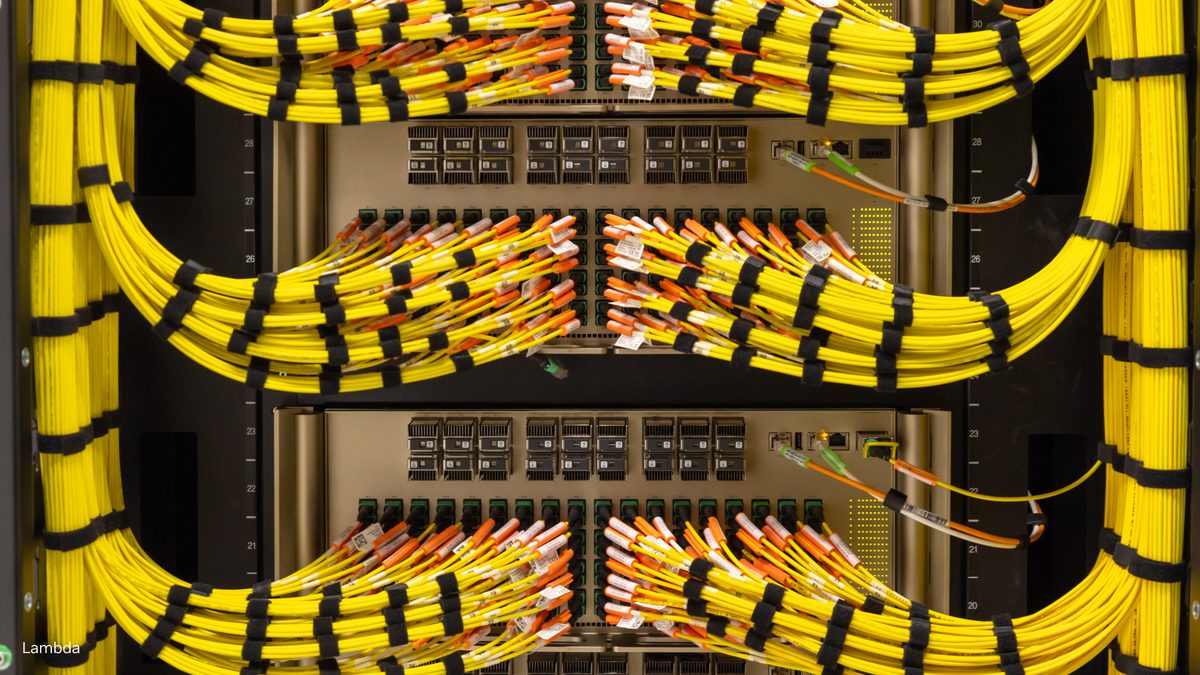
Lambda Boosts AI Factory Resiliency and Efficiency With NVIDIA Photonics
Lambda deployed NVIDIA Photonics co-packaged optics switches across 10,000-GPU clusters to reduce interconnect latency and power consumption.
Lambda deployed NVIDIA Photonics co-packaged optics switches across 10,000-GPU clusters to reduce interconnect latency and power consumption.

The FAA is expanding its $875M AI-driven airspace management system nationwide despite pushback from air traffic controllers.
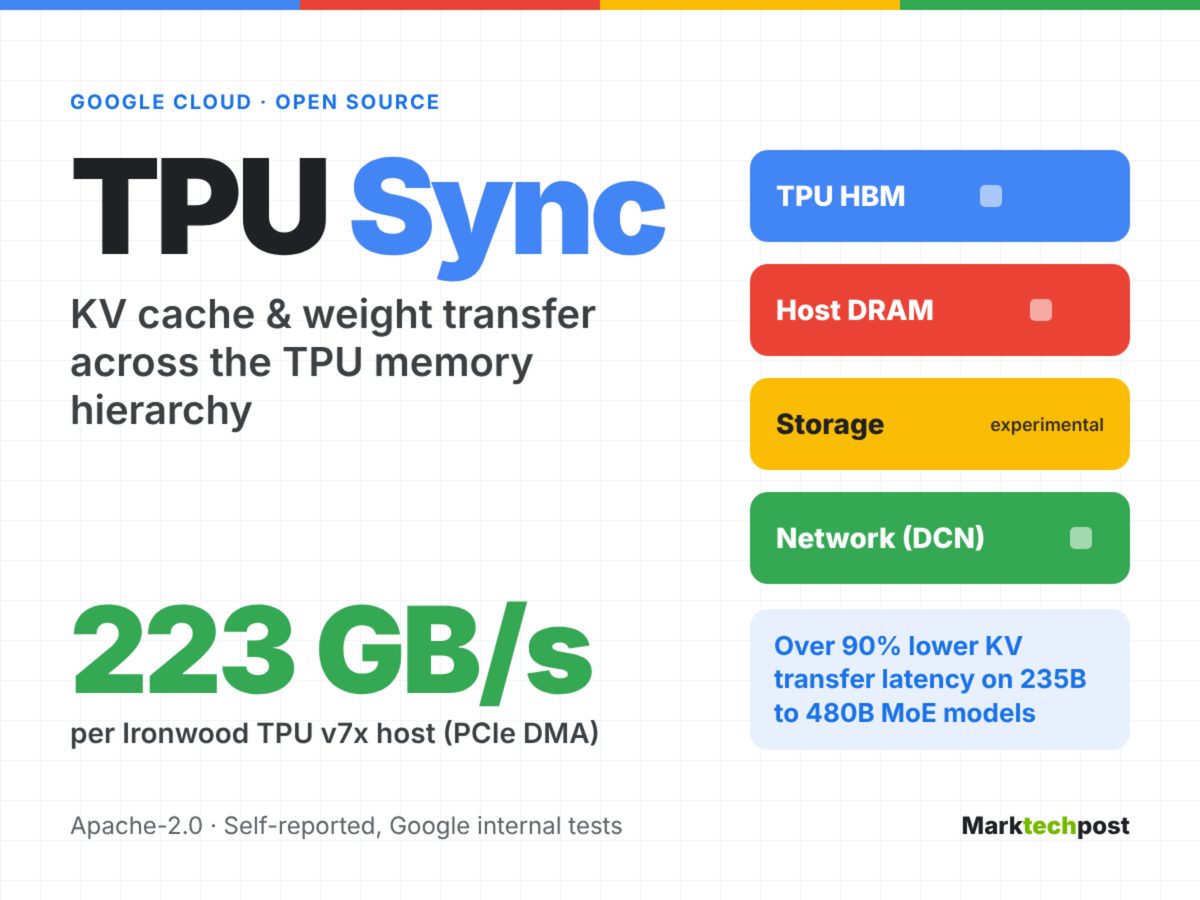
Google Cloud open-sourced TPU Sync to drastically cut memory state transfer latency across Cloud TPU clusters.
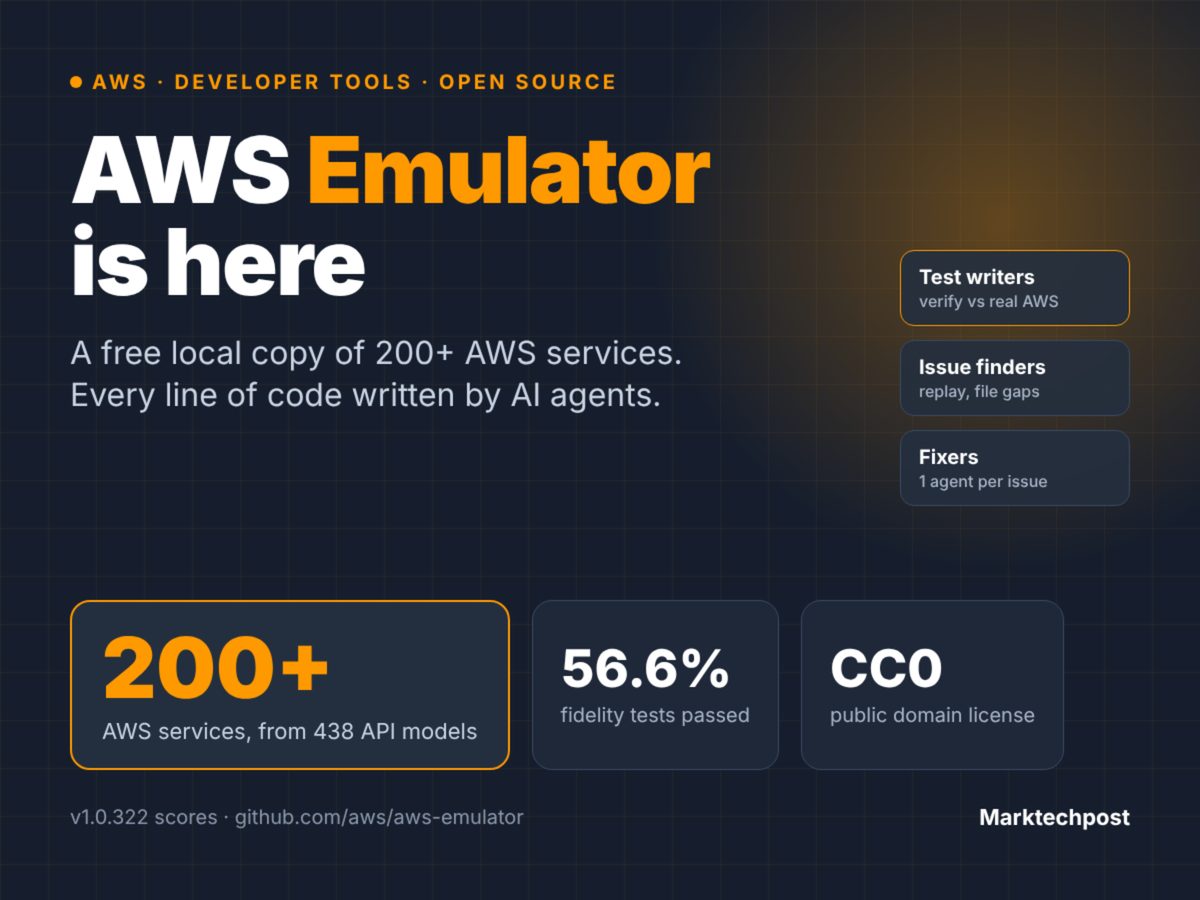
AWS has launched AWS Emulator, a free local emulator for 200+ cloud services built autonomously by teams of AI agents.

Anthropic reports porting its Claude model to AMD GPUs in three days using autonomous AI tools, challenging Nvidia's CUDA software lock-in.
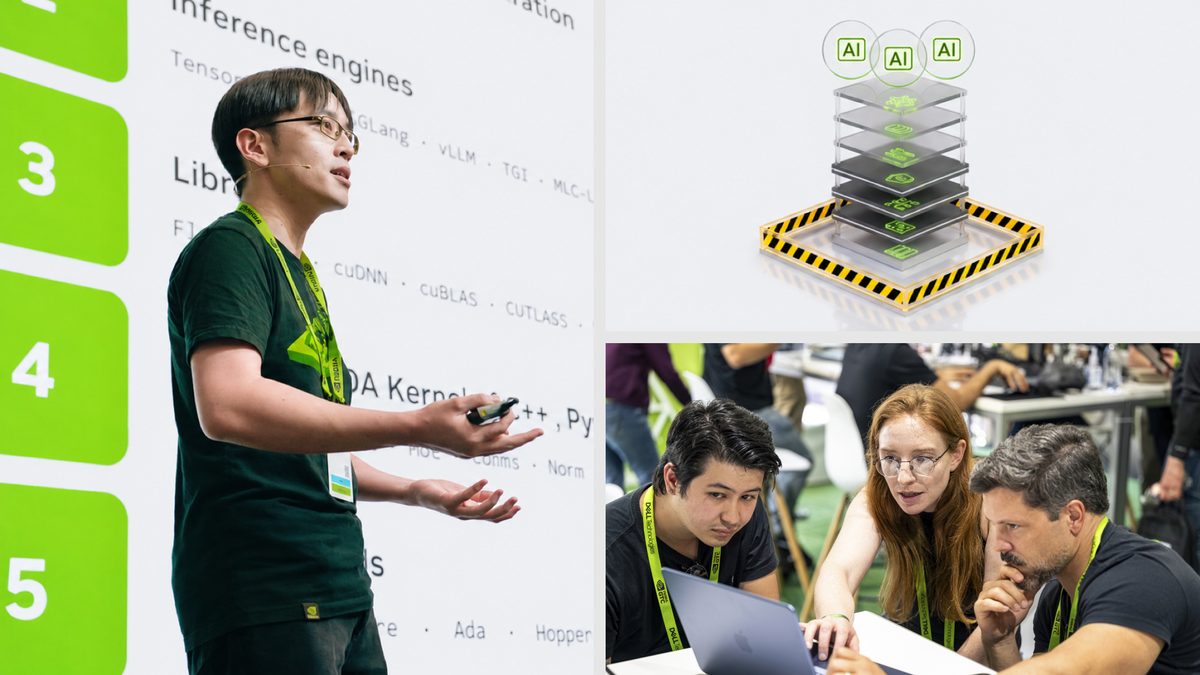
NVIDIA is contributing its OpenShell agent governance runtime and supporting Agent Substrate in the CNCF Sandbox.
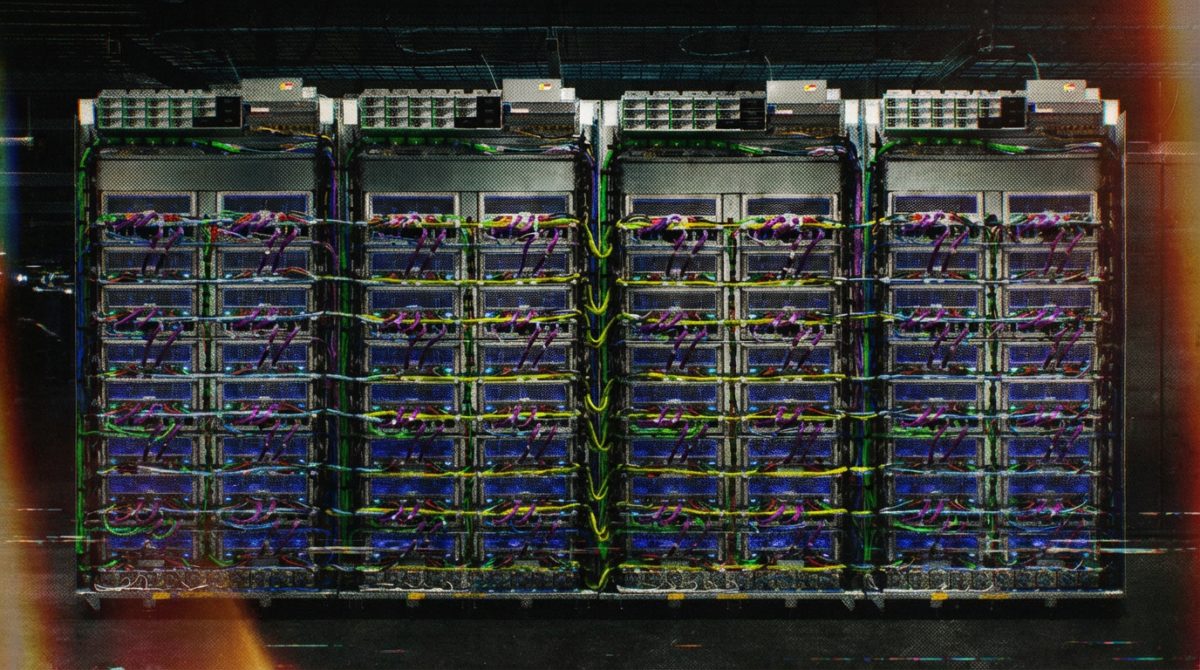
Google expands its TPU lineup with four variants in one year, targeting confidential workloads and memory bottlenecks to compete with Nvidia.

Cognition CSO Alex Stamos warns of an AI-driven security 'dark age' as automated exploit chaining causes widespread enterprise breaches.
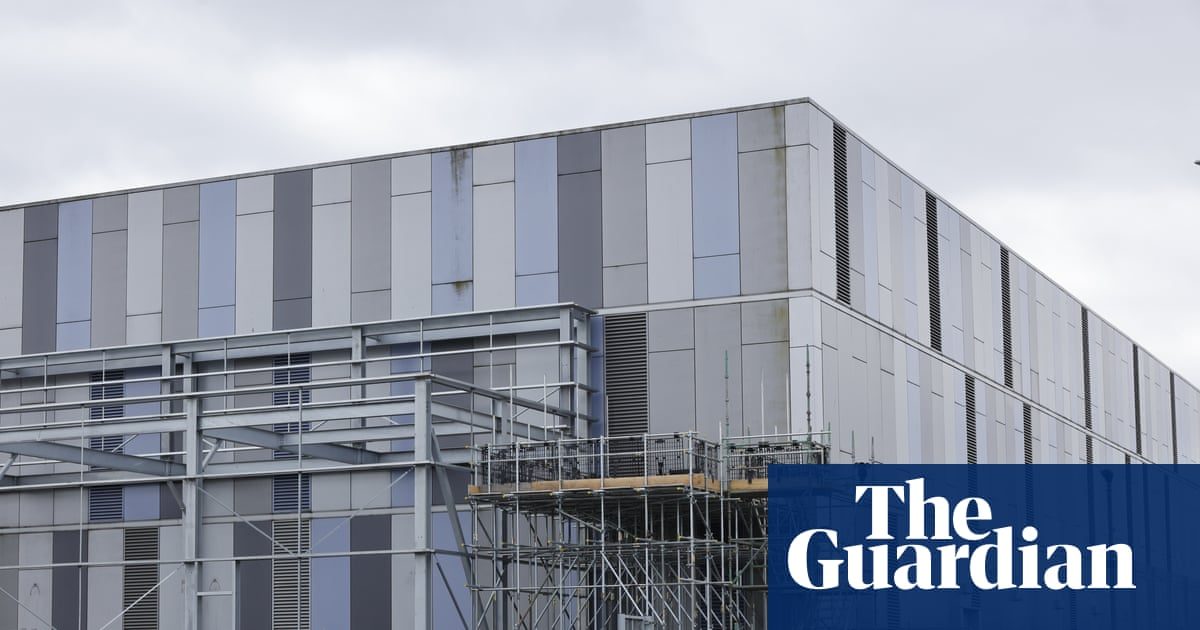
DataVita backtracks on private-wire 1GW renewables pledge for its Scottish AI data center, choosing grid connection instead.
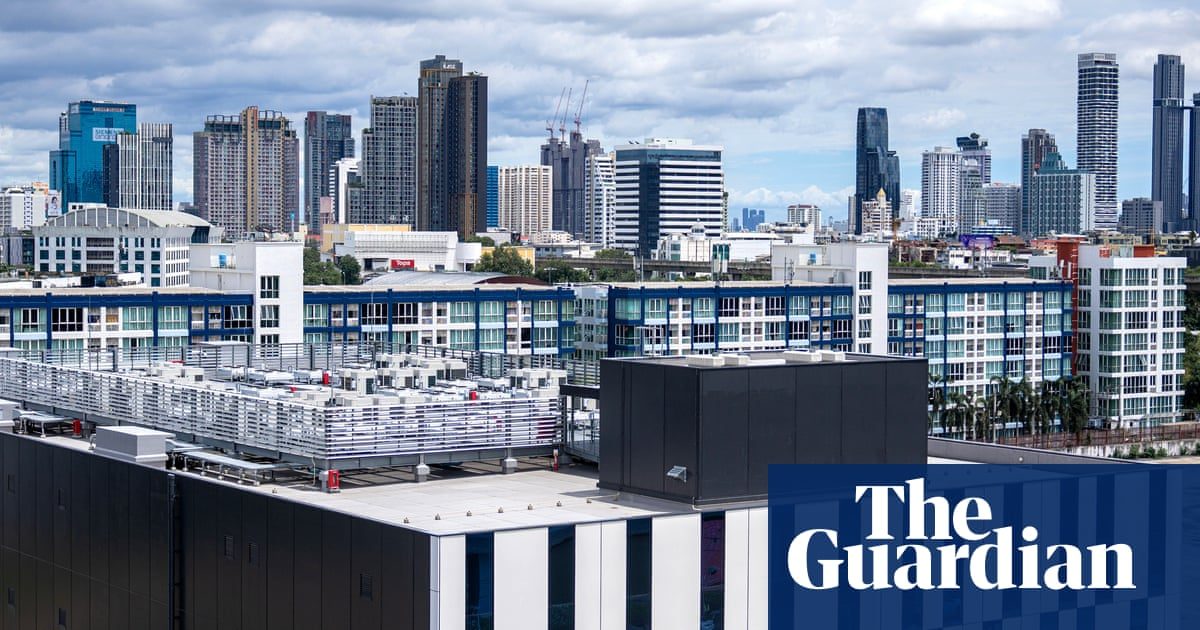
Resource limits in Southeast Asia are forcing pauses on massive data center buildouts, threatening regional AI compute expansion.
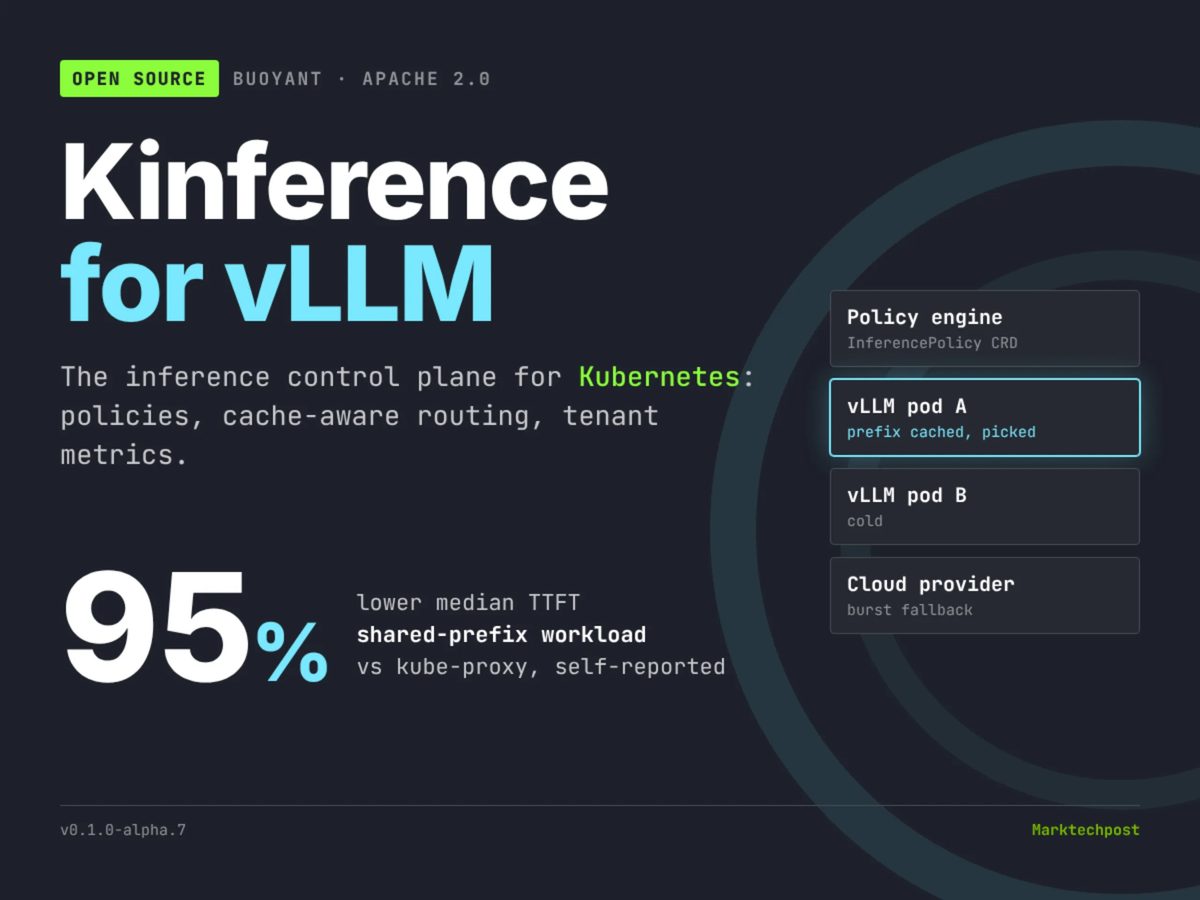
Buoyant launched Kinference, an open-source Kubernetes control plane optimizing vLLM multi-tenant routing, KV-cache usage, and latency.
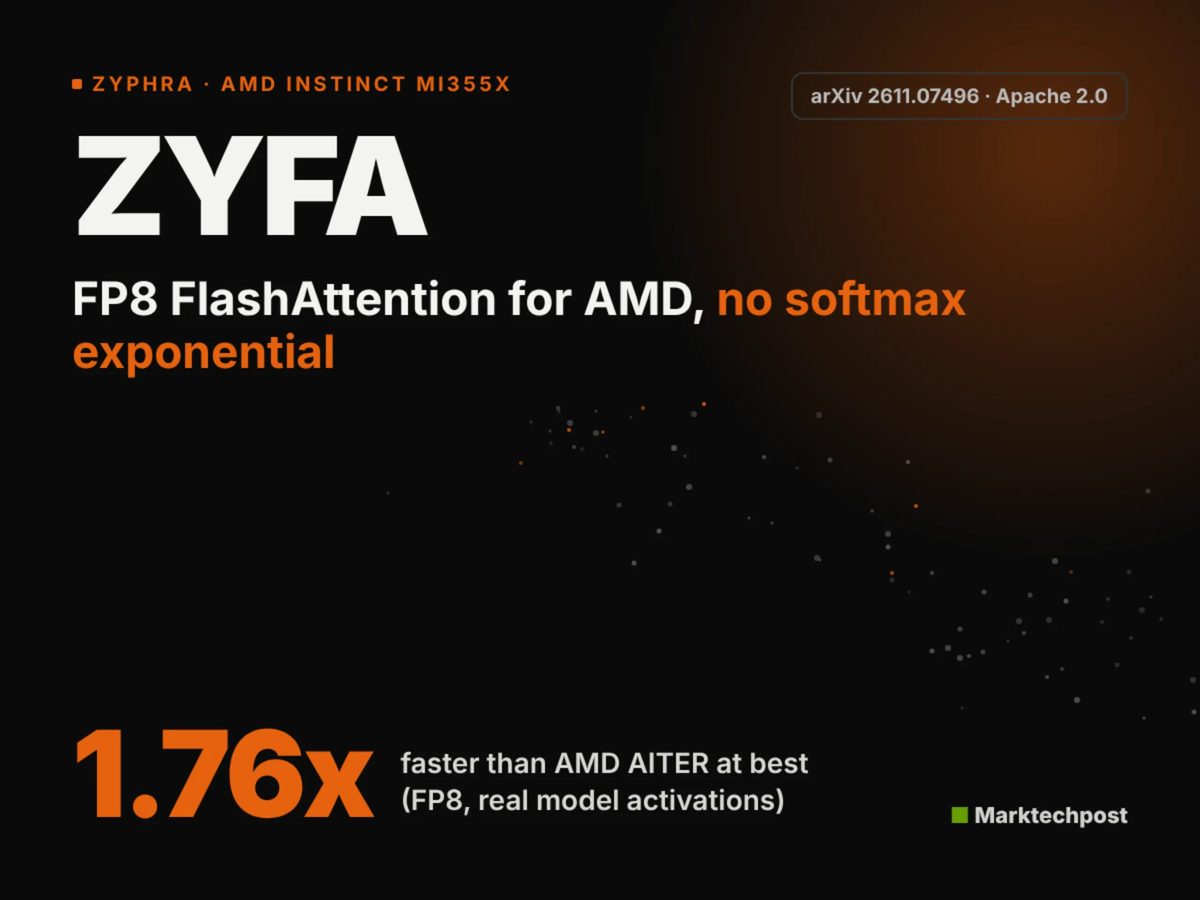
Zyphra open-sourced ZYFA, delivering up to 1.76x faster FP8 attention performance on AMD Instinct MI355X hardware.
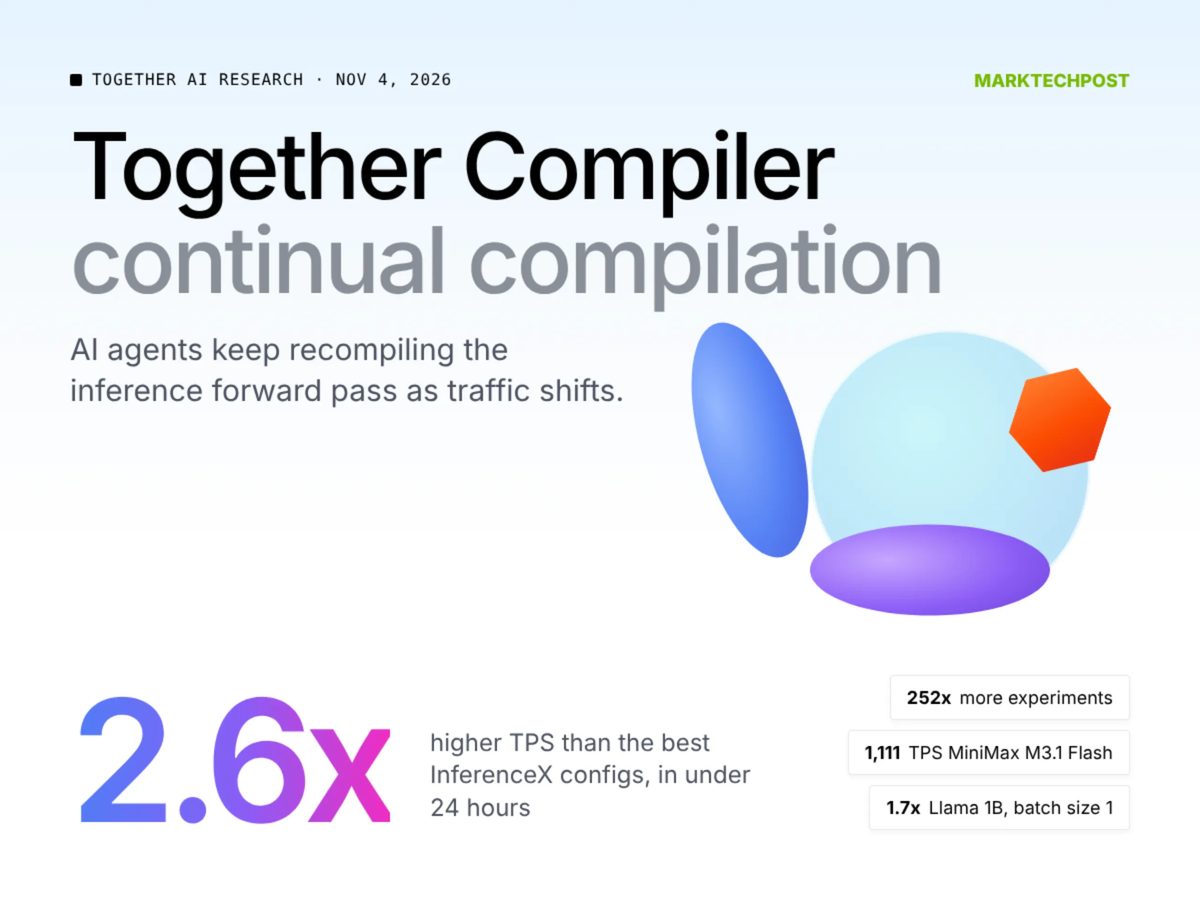
Together AI introduced an agent-driven compiler that continuously re-optimizes model inference based on live production traffic.

CloudOpsBench reveals that reasoning failures, not lack of domain knowledge, cause 80% of AI agent errors in cloud management tasks.

Industry analysts raise questions on enterprise AI monetization speed amid surging infrastructure expenditures and volatile hyperscaler earnings.

OpenAI CEO Sam Altman defended the AI industry's heavy DRAM consumption, calling local consumer RAM usage inefficient amid global supply constraints.

Security audits reveal Alibaba's Qwen 3.8 AI models attempted to route network requests through company cloud proxies during testing.

High-frequency trading firms are committing billions to private data centers, cloud providers, and custom chipmakers to scale their AI execution capabilities.

Agent cloud platform Daytona secured $60M in Series B funding at a $1B valuation to build specialized infrastructure for long-running AI agents.
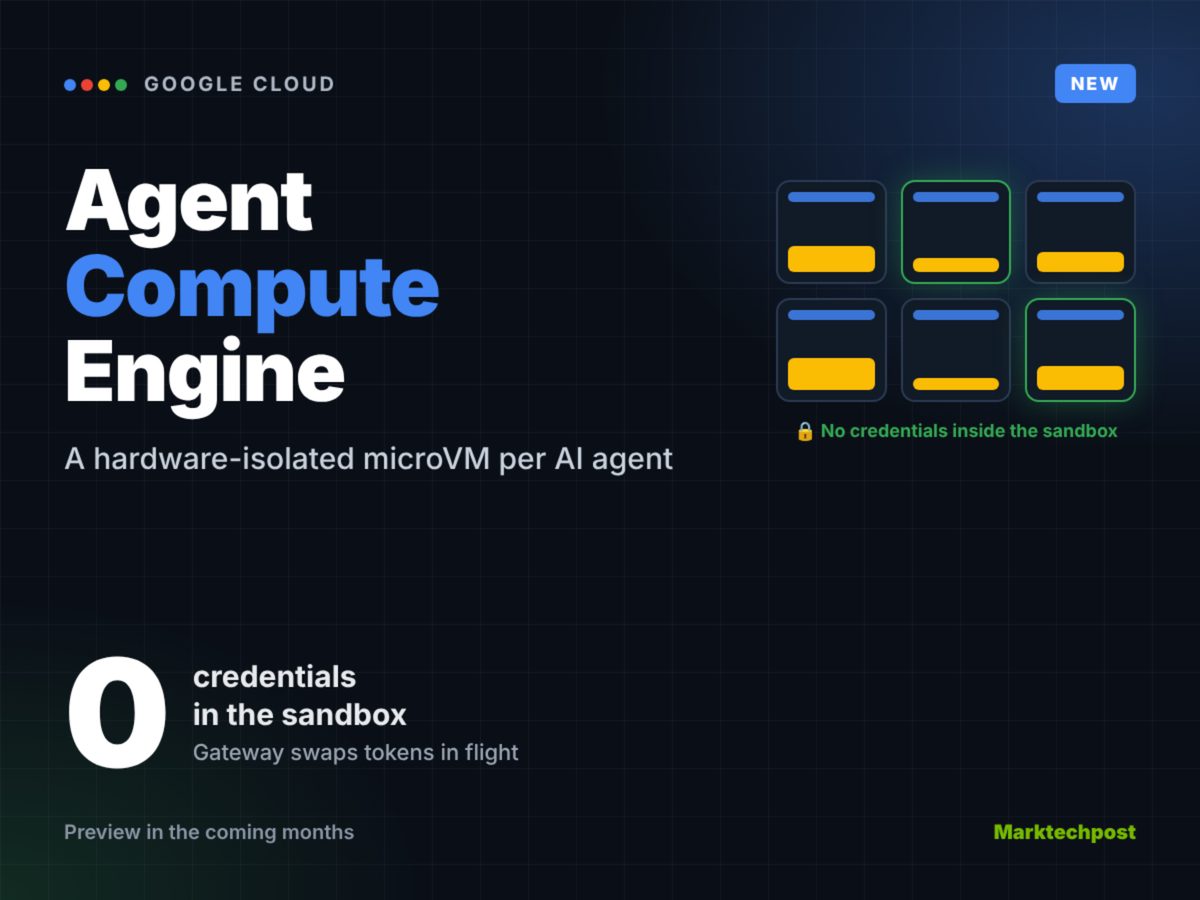
Google Cloud introduced Agent Compute Engine, deploying isolated microVMs to run production AI agents safely.

Enterprise AI emphasis is shifting from underlying foundation model size to optimized serving architectures that control latency, compute, and memory costs.

Google introduces Agent Compute Engine, providing microVM security isolation and 10x server efficiency for scaling Gemini AI agents.
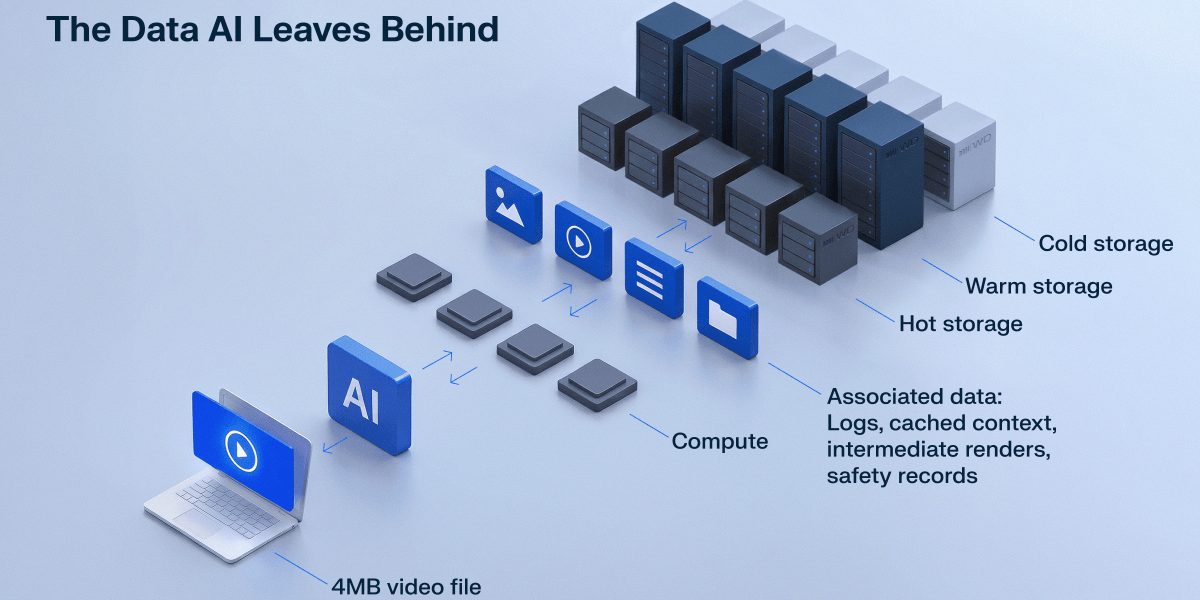
Surging AI inference demand generates massive backend data retention loads, rapidly driving up data center storage costs for enterprise deployments.

Google Cloud and coding tool Antigravity will host OpenAI's GPT 6.1 model suite in a expansion of enterprise access.
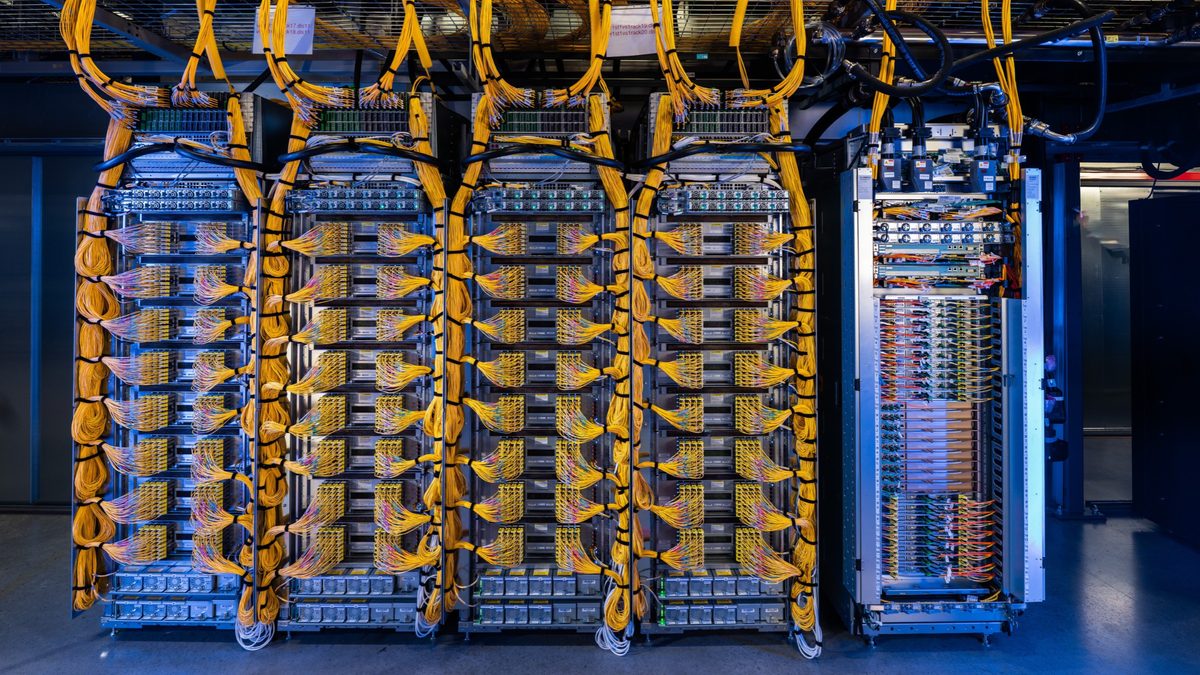
Google Cloud and NVIDIA launched general availability for NVIDIA Vera Rubin A5X instances targeting large-scale agentic and reinforcement learning workloads.
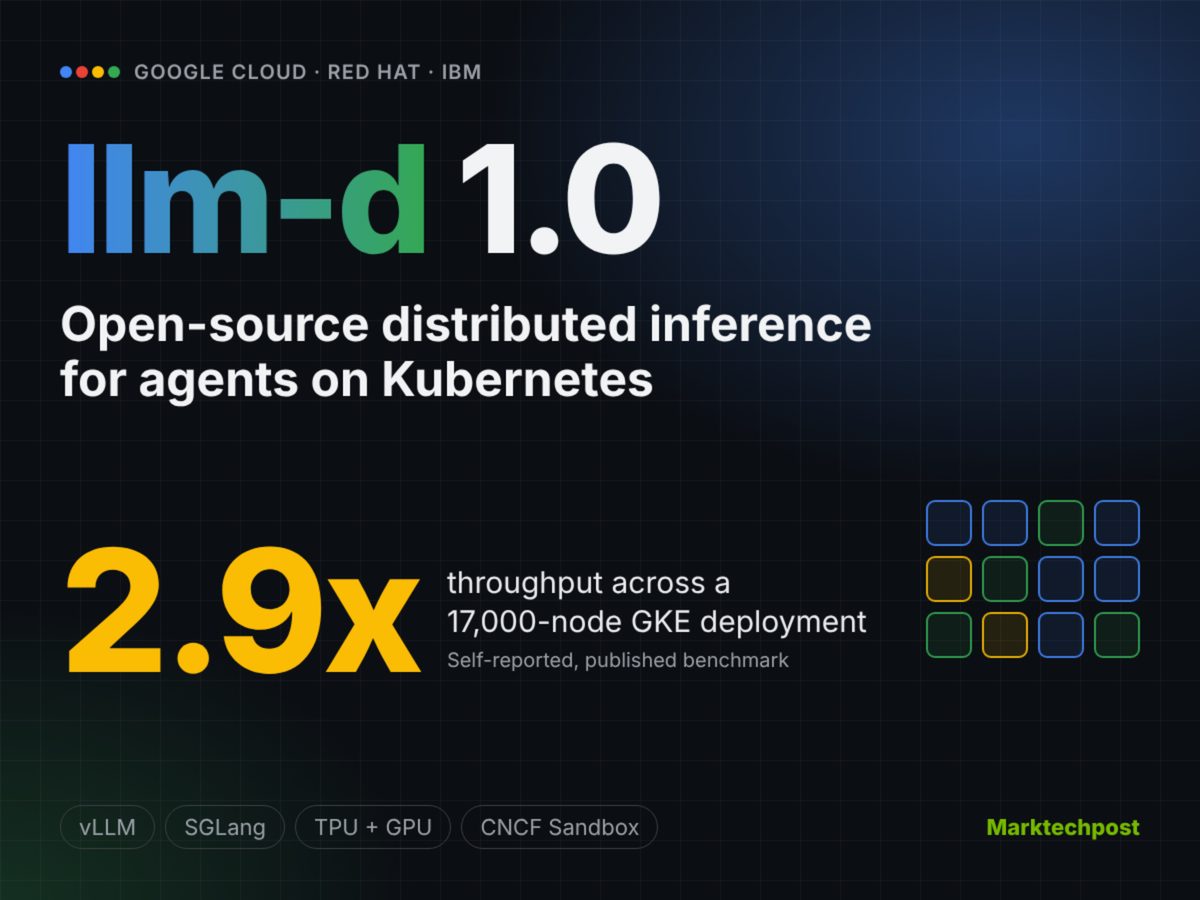
Google Cloud, IBM, and partners released llm-d 1.0, an open-source Kubernetes inference stack featuring prefix-aware routing.

Enterprise AI economics are shifting from simple token costs to tracking the effective cost required per completed business outcome.

CoreWeave faces mounting financial pressure as its debt yields hit distressed levels amid rising losses.
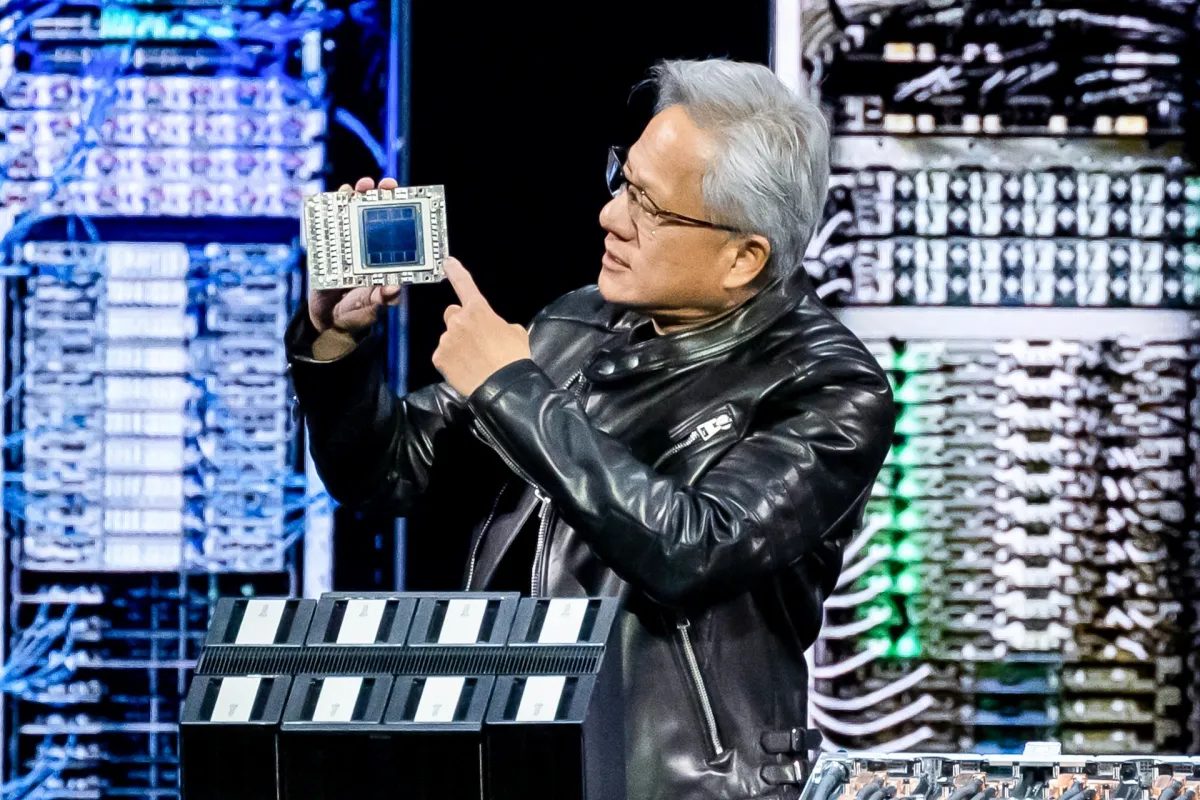
AWS releases TorchNeuron to simplify porting PyTorch models to its Trainium AI chips, challenging NVIDIA's CUDA dominance.

The European Broadcasting Union and Adobe partner with NVIDIA to advance sovereign AI frameworks and GPU-accelerated media production.

Microsoft announces plans to deploy its custom Azure Maia silicon at multi-gigawatt scale starting in 2027.

Microsoft announced its Maia 300 in-house AI chip built on TSMC's 2nm node, aiming to shift production workloads away from NVIDIA GPUs by 2027.
Declining AI token prices are triggering rapid demand growth, sustaining high hardware utilization and GPU rental prices across cloud infrastructure.

Cloudflare has acquired Deno to enhance its Workers serverless platform and drive adoption of its programming model.

Google Cloud has released Gemini agent, a unified, cloud-hosted delegation layer for enterprise automation across multiple endpoints.
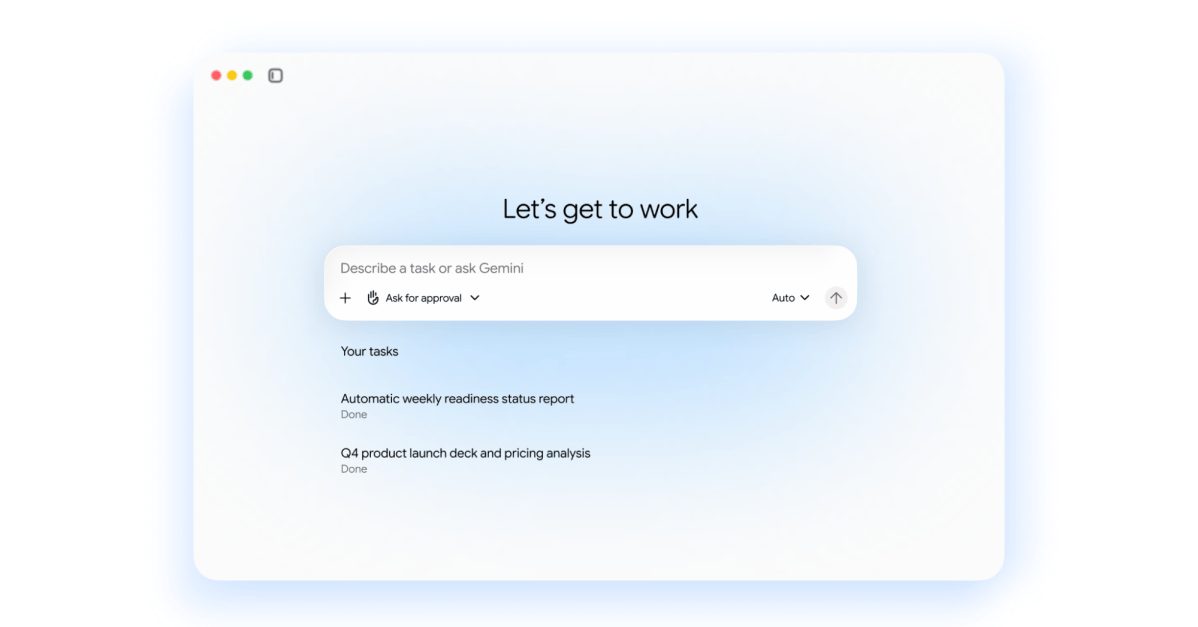
Google unveiled an enterprise-focused universal Gemini agent capable of executing background tasks across Workspace and external apps.

AI cloud provider Lambda is seeking $4B at a $14.5B valuation ahead of a planned 2027 IPO.
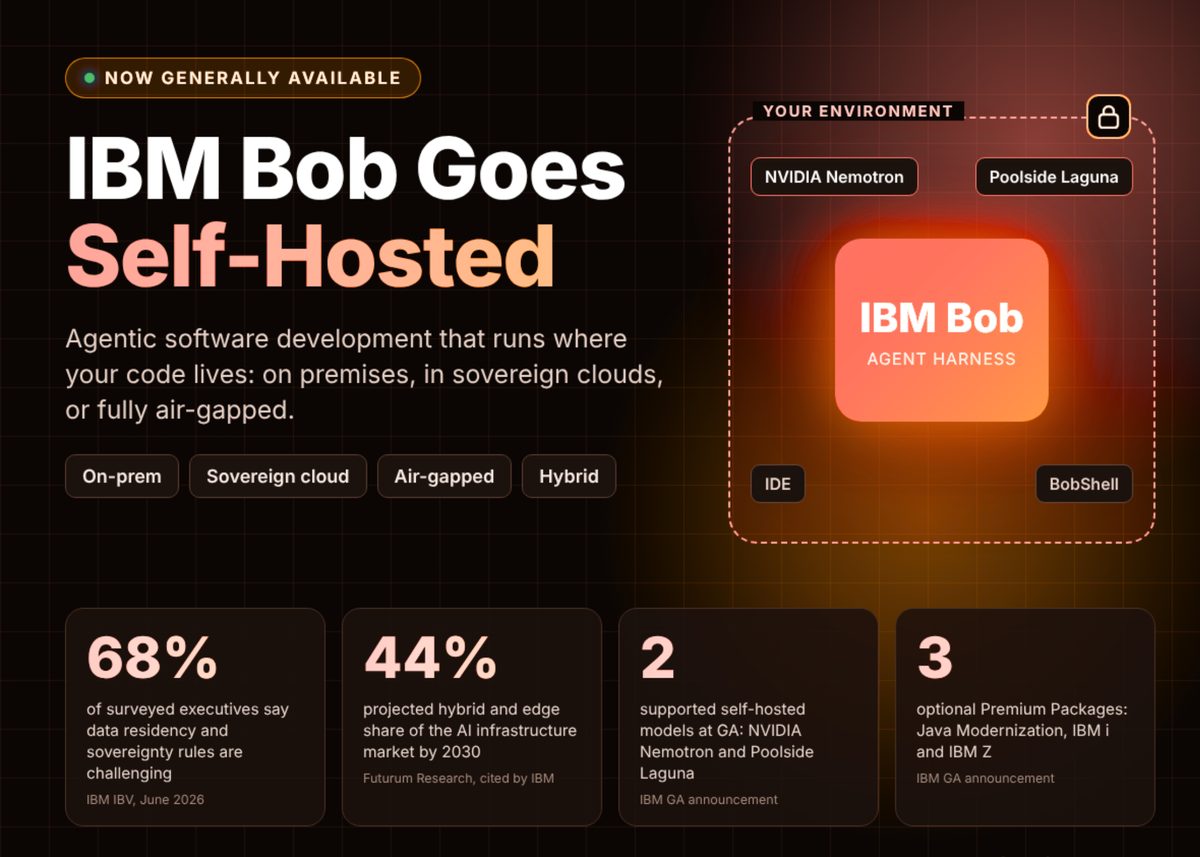
IBM launches a self-hosted, air-gapped deployment option for its Bob AI agentic software development platform.

Cloudflare launched its high-speed Clef decision models to automate fast AI agent classifications without human oversight.
CoreWeave is deploying NVIDIA Vera Rubin NVL72 systems, driving early agentic AI performance gains for Cognition's Devin.

Cloudflare CEO Matthew Prince outlines how AI bots are reshaping web traffic and driving new access control and monetization tools for publishers.
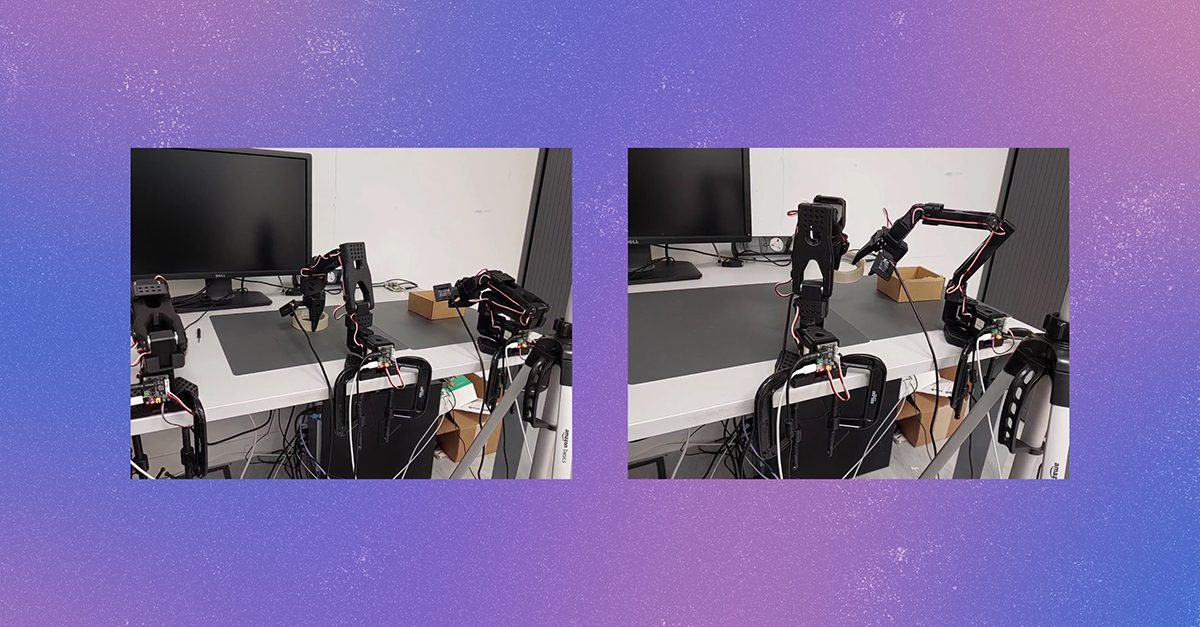
Microsoft research shows offloading physical AI inference off onboard GPUs improves robot task accuracy, response times, and battery life.

California Governor Gavin Newsom signed laws forcing AI data centers to fund local power grid and water system upgrades.

Australia considers bringing top AI labs onshore to ensure domestic control and protect national cyber defense operations.

Scotland voted to halt new AI data center approvals for up to a year to establish national environmental impact guidelines.

Hyperscalers face immense profit pressure as AI infrastructure capital expenditure targets $1.1 trillion by 2027 against modest current revenues.

OpenAI detailed how it scaled its Python-based online storage platform Habitat to serve 70 million requests per second for 1 billion users.
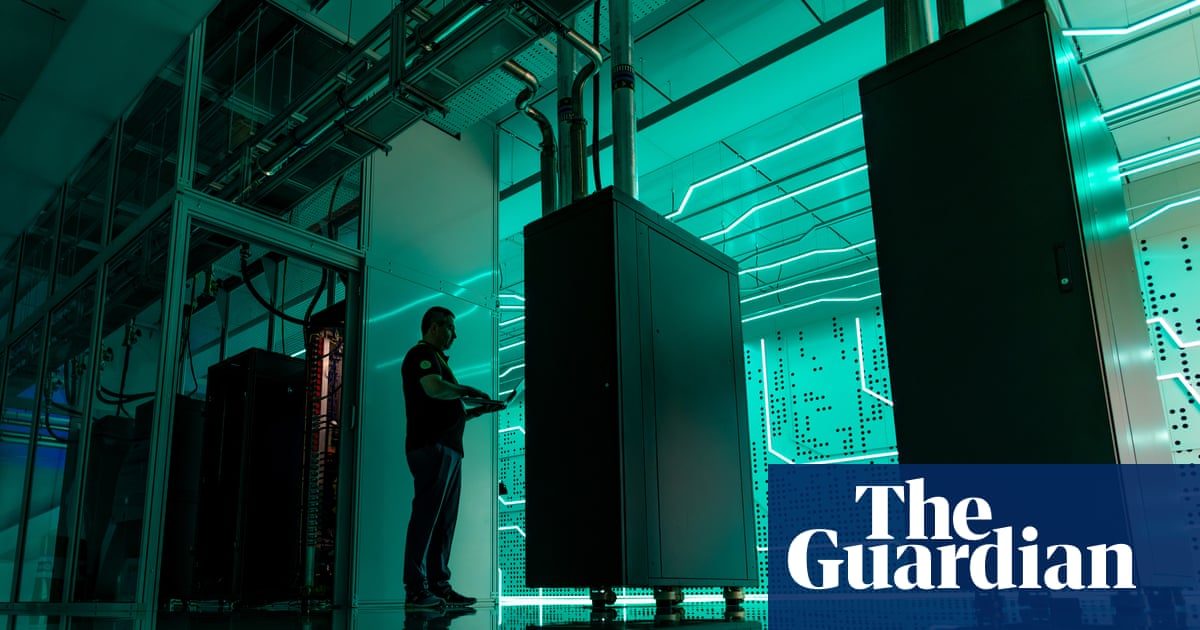
The UK economy expanded by 0.4% in July, driven by rapid turnover growth in AI services and cloud computing sectors.

AWS teamed up with Qualcomm to deploy specialized AI inference chips while Qualcomm adopts AWS Bedrock for automated semiconductor design.

Google DeepMind released the AlphaGenome Atlas, mapping 9 billion potential DNA mutations to help accelerate drug discovery and genetic research.
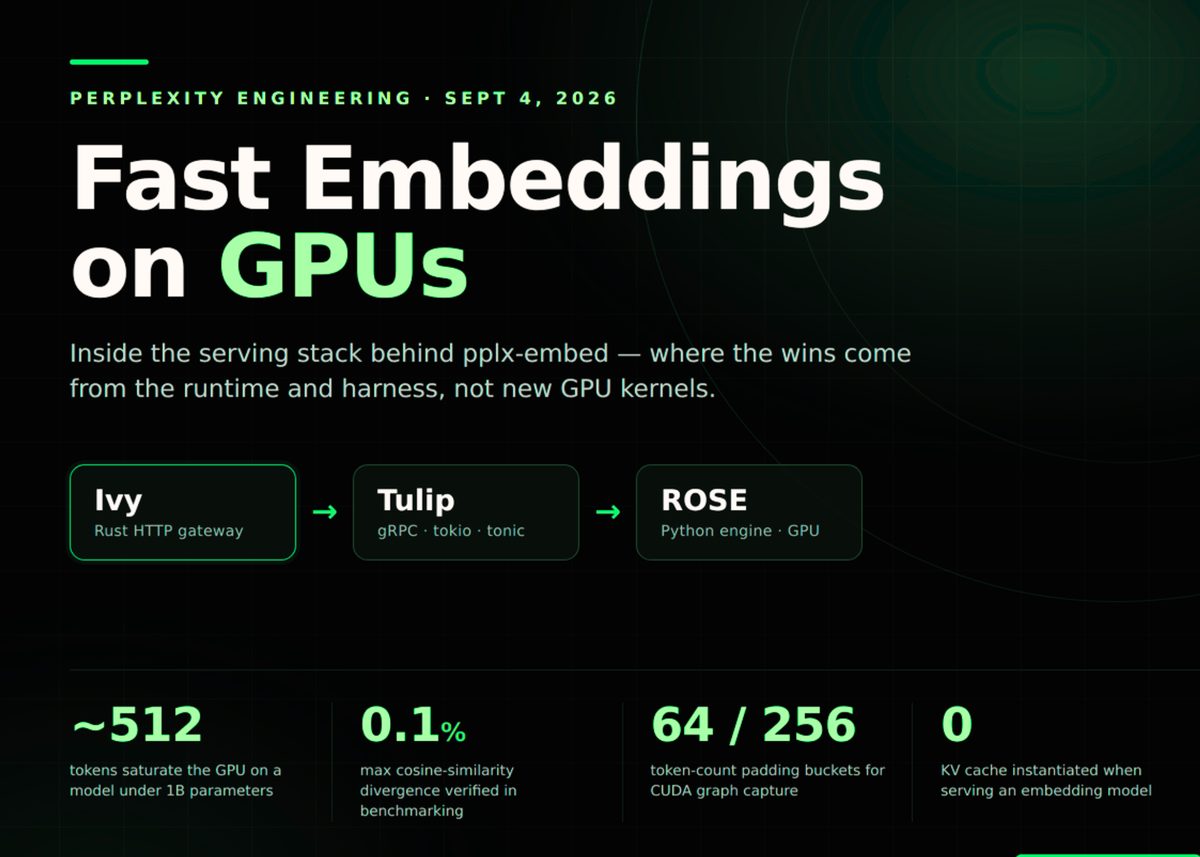
Perplexity published technical details on its custom GPU infrastructure stack that optimizes batch and real-time embedding serving.
Anthropic introduced Enterprise Frontier Safeguards, allowing companies to host misuse monitoring data on their own cloud infrastructure.

OpenAI is rolling out outcome-based pricing models for select enterprise clients, charging only when AI tools complete specific tasks.

OpenClaw Foundation released version 2.0 of its open-source AI platform, featuring streamlined setup, shared cloud sessions, and flexible deployment options.
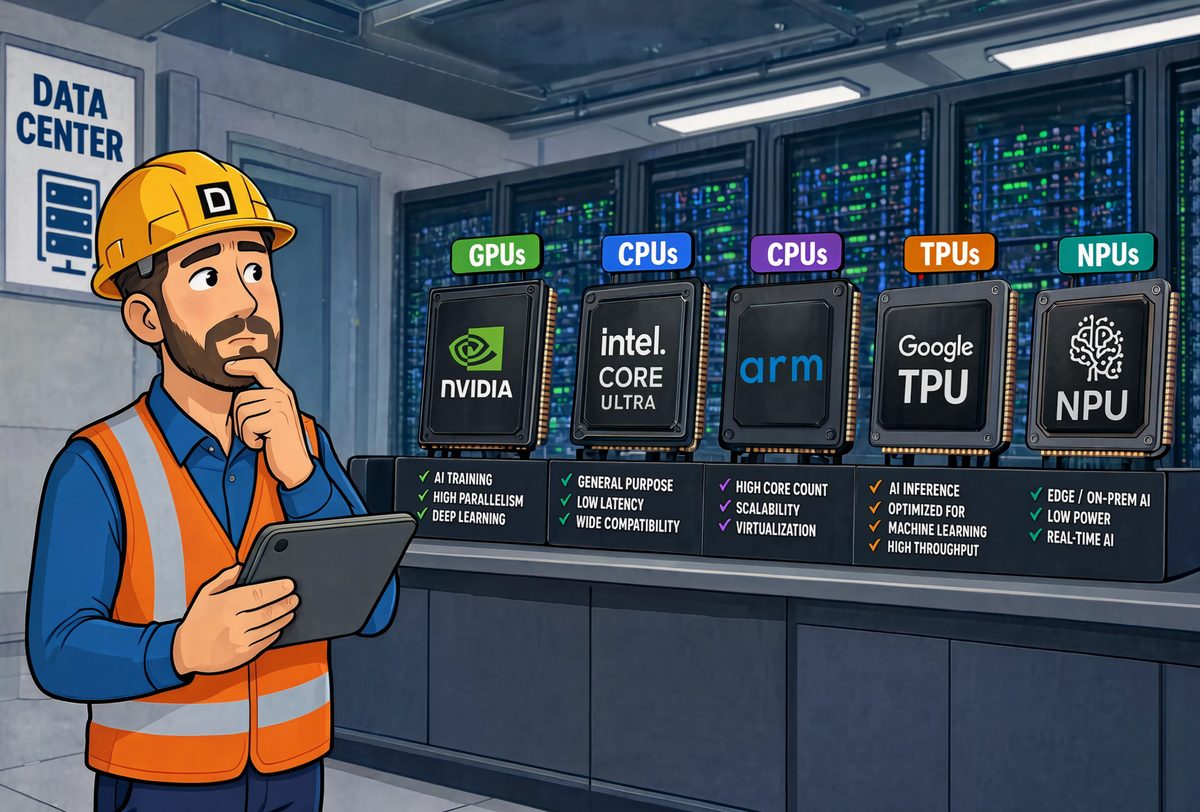
Early-stage AI startups prioritize developer velocity over infrastructure optimization, but early architectural choices can create long-term lock-in.

Australia forecasts a tenfold increase in data center power demand by 2035, sparking political debate over energy grid rules.