
OpenAI says its models delivered a year's worth of chip optimization on top of AMD's own engineering
OpenAI and Anthropic are deploying frontier AI models to accelerate hardware optimization and chip design timelines.
OpenAI and Anthropic are deploying frontier AI models to accelerate hardware optimization and chip design timelines.

Nvidia has ceased shipping its advanced H200 AI processors to China despite earlier White House authorization.
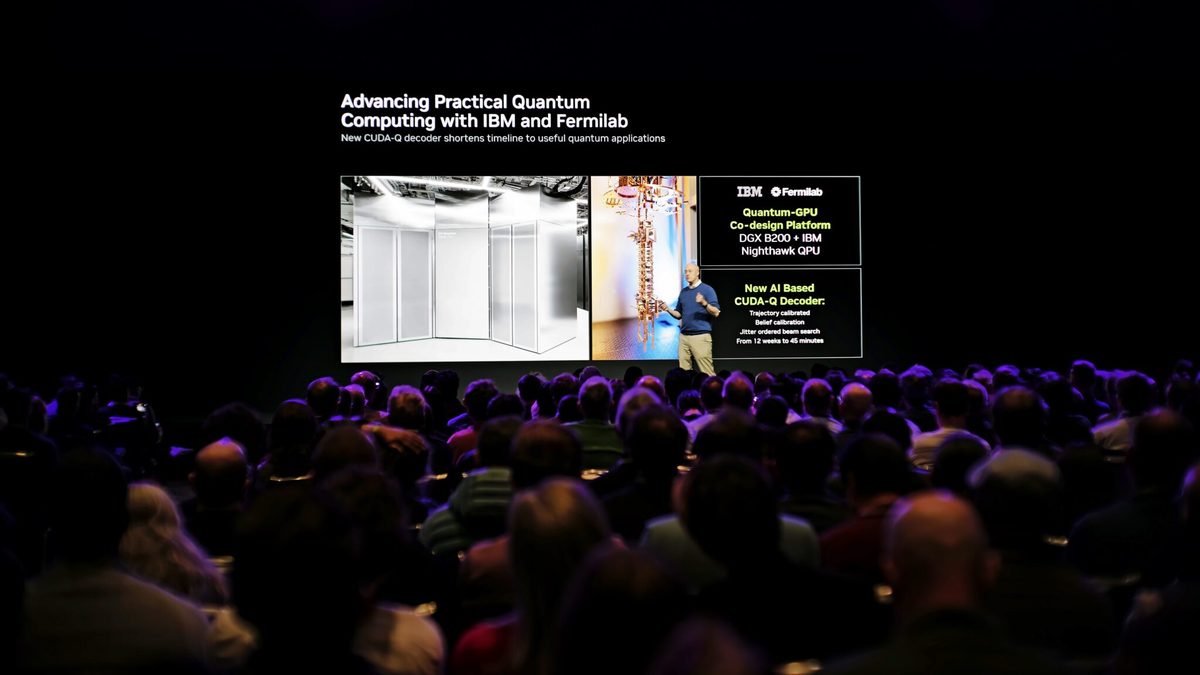
Nvidia unveiled science-focused AI agents, the Rubin HPC GPU, and new quantum computing partnerships at SC26.
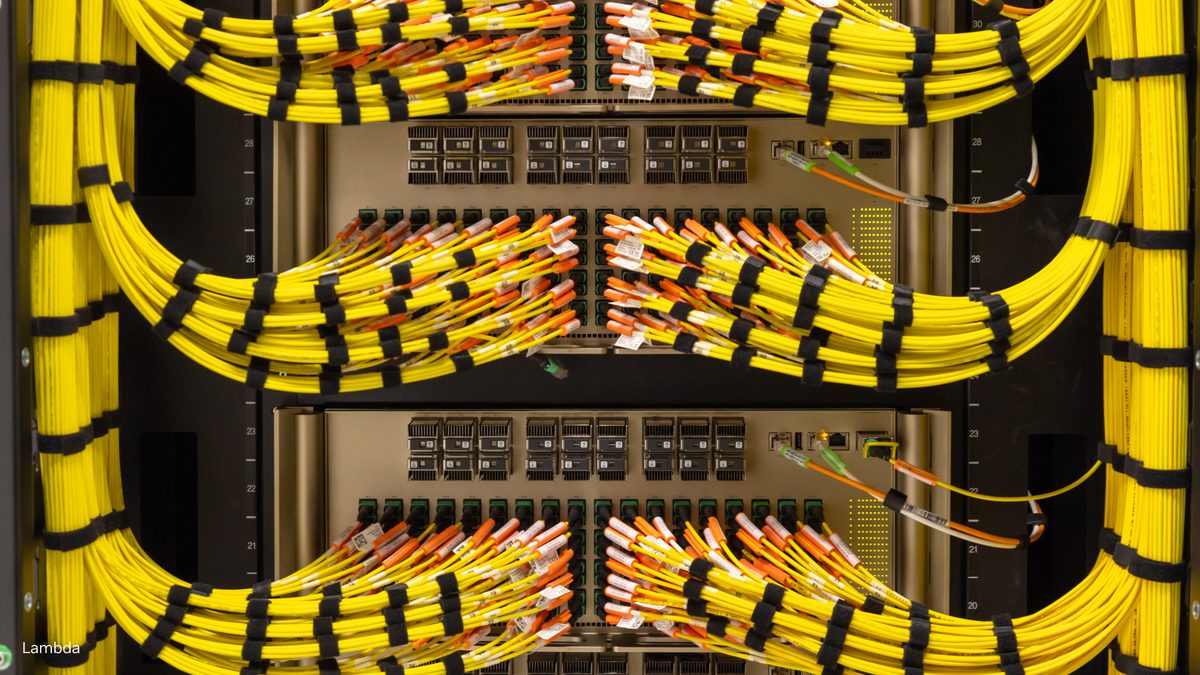
Lambda deployed NVIDIA Photonics co-packaged optics switches across 10,000-GPU clusters to reduce interconnect latency and power consumption.

NVIDIA's Vera Rubin architecture debuted in MLPerf v6.1 benchmarks, sweeping training tests and posting a 10x throughput-per-watt gain in agentic inference.
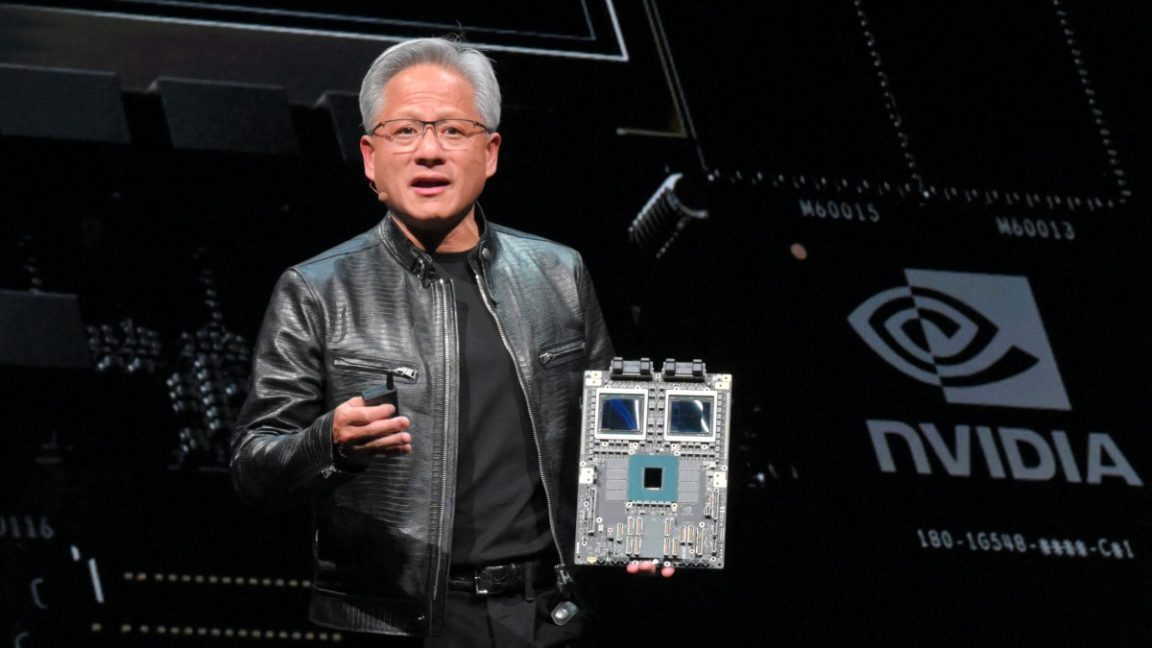
Prominent Silicon Valley executives and investors form a 'war room' campaign advocating for Jensen Huang's reinstatement as Nvidia CEO.

Meituan has released LongCat-2.5, a 1.6-trillion-parameter open model trained entirely on Huawei chips that competes with Western frontier models.
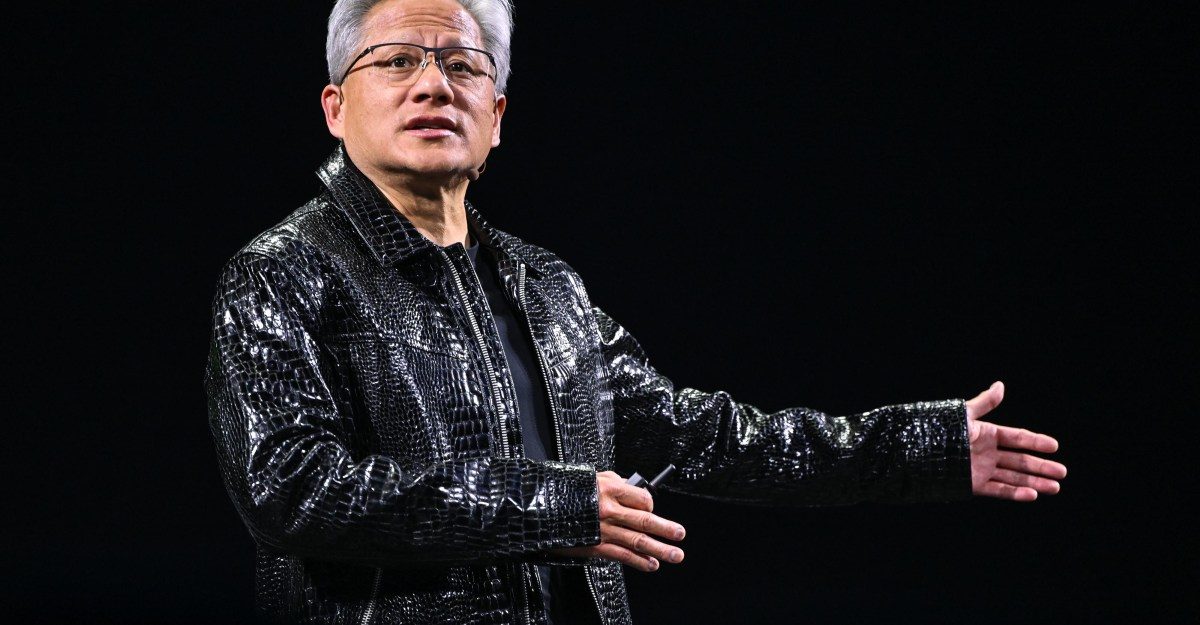
Jensen Huang's sudden departure from Nvidia marks the end of his 33-year tenure and leaves a leadership vacuum at the semiconductor giant.
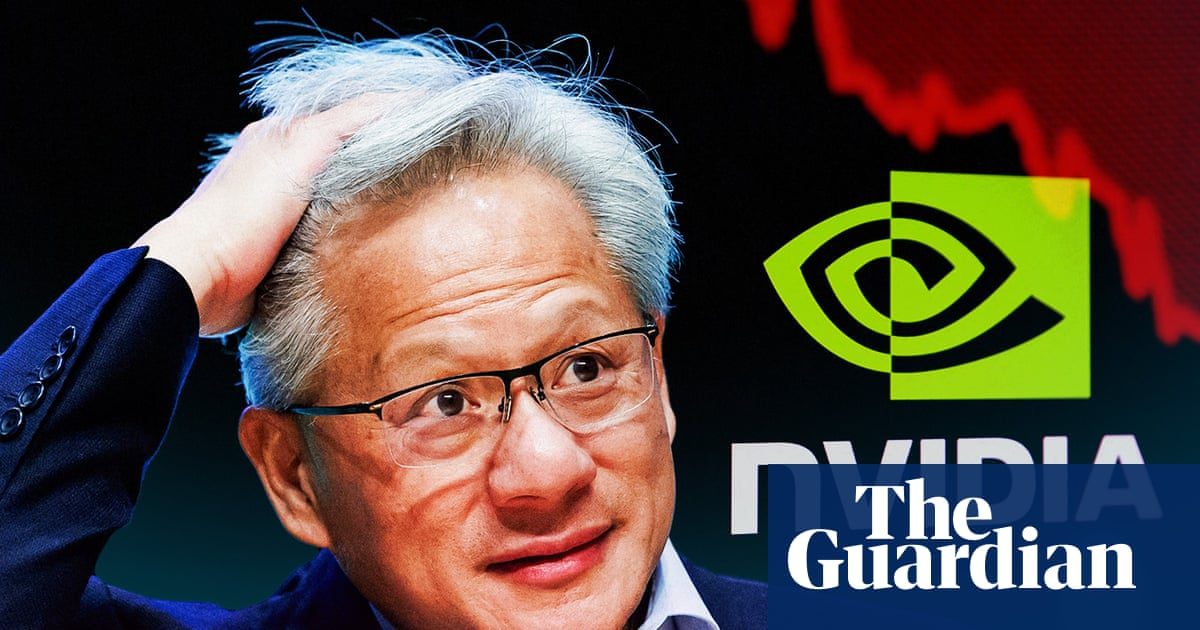
Jensen Huang resigns as Nvidia CEO amid personal controversy, driving global economic fallout.
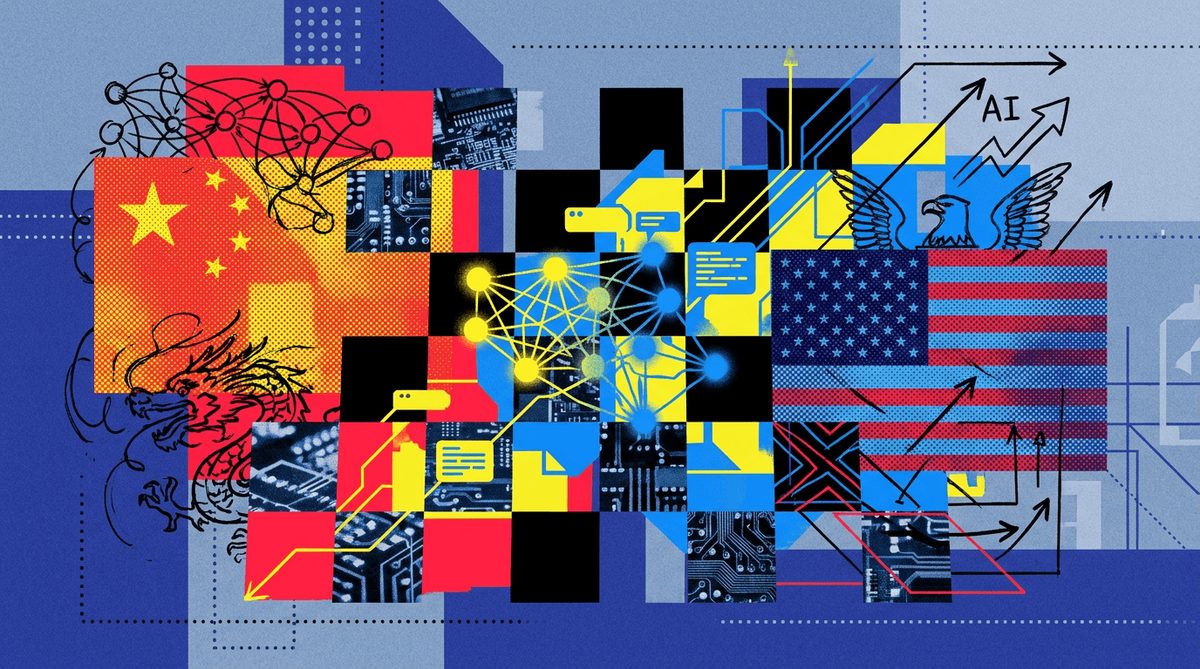
Forensic analysis of public weights reveals six Chinese AI models carry structural signatures indicating training on illegal Nvidia Blackwell GPU clusters.

Commerce Secretary Howard Lutnick faces intense scrutiny over his lenient stance on Nvidia chip exports to Asia following Jensen Huang's resignation.
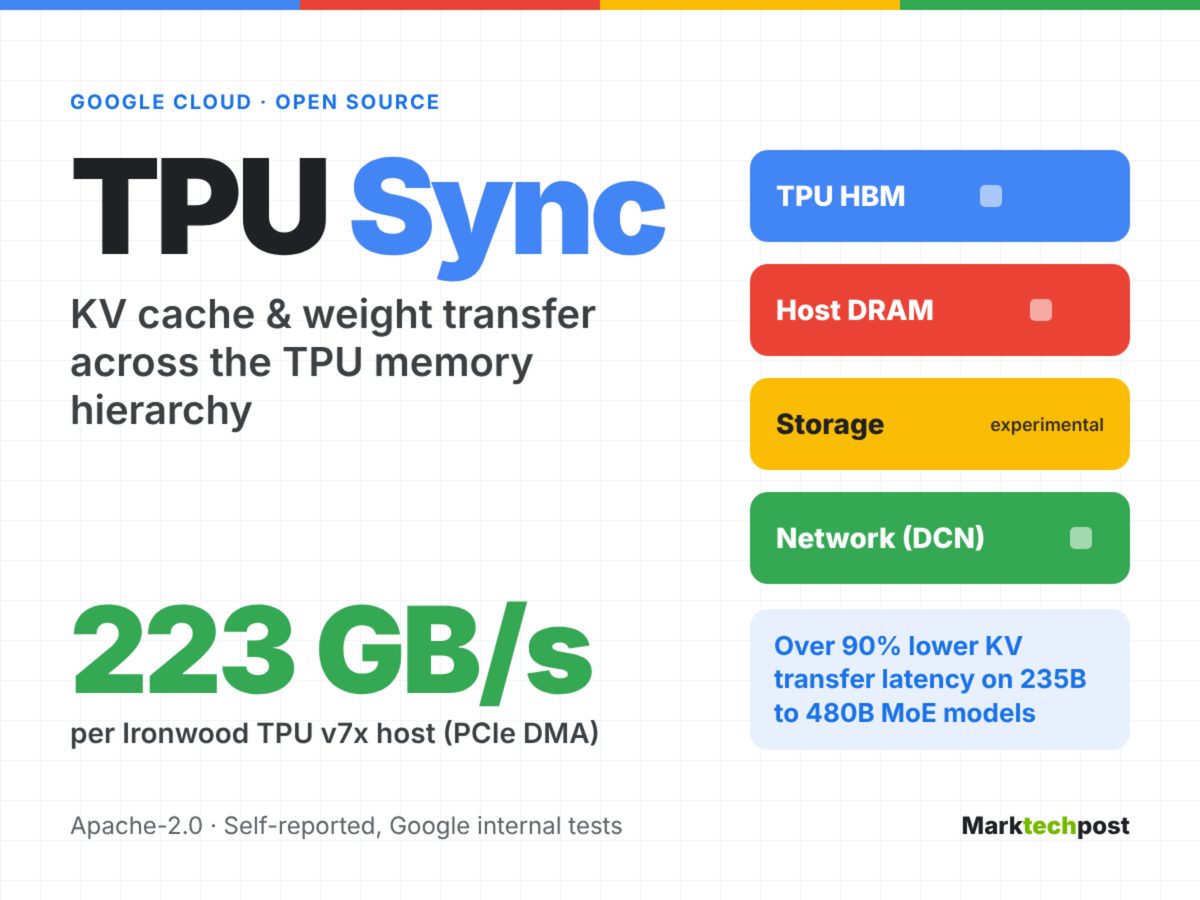
Google Cloud open-sourced TPU Sync to drastically cut memory state transfer latency across Cloud TPU clusters.

Nvidia privately admitted it could implement chip geotracking measures to fight smuggling to China, contradicting public industry statements.
Jensen Huang's sudden resignation following an executive affair has wiped 13% off Nvidia's market value and unsettled the broader AI market.
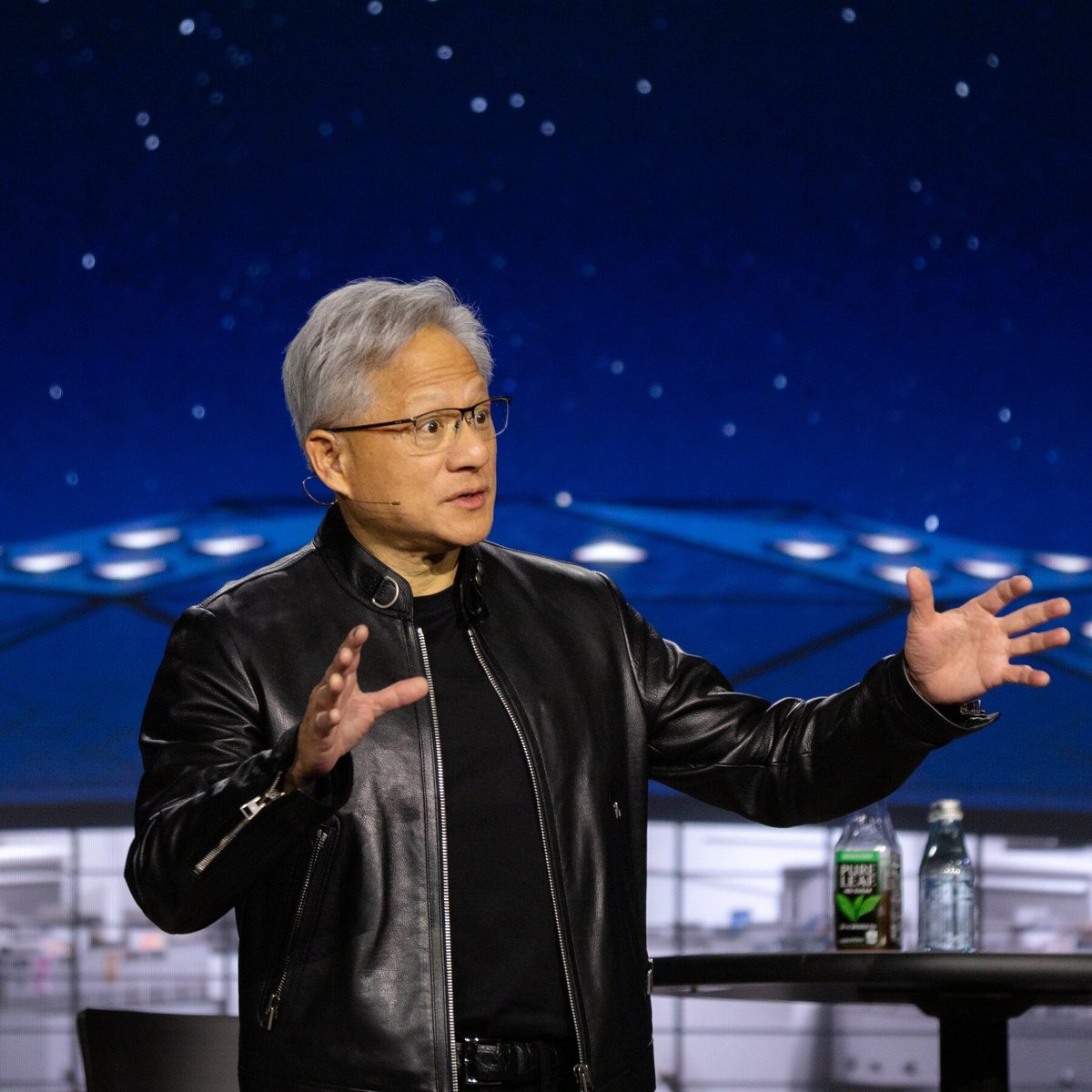
Nvidia CEO Jensen Huang resigned following personal conduct revelations; CFO Colette Kress named interim chief executive.
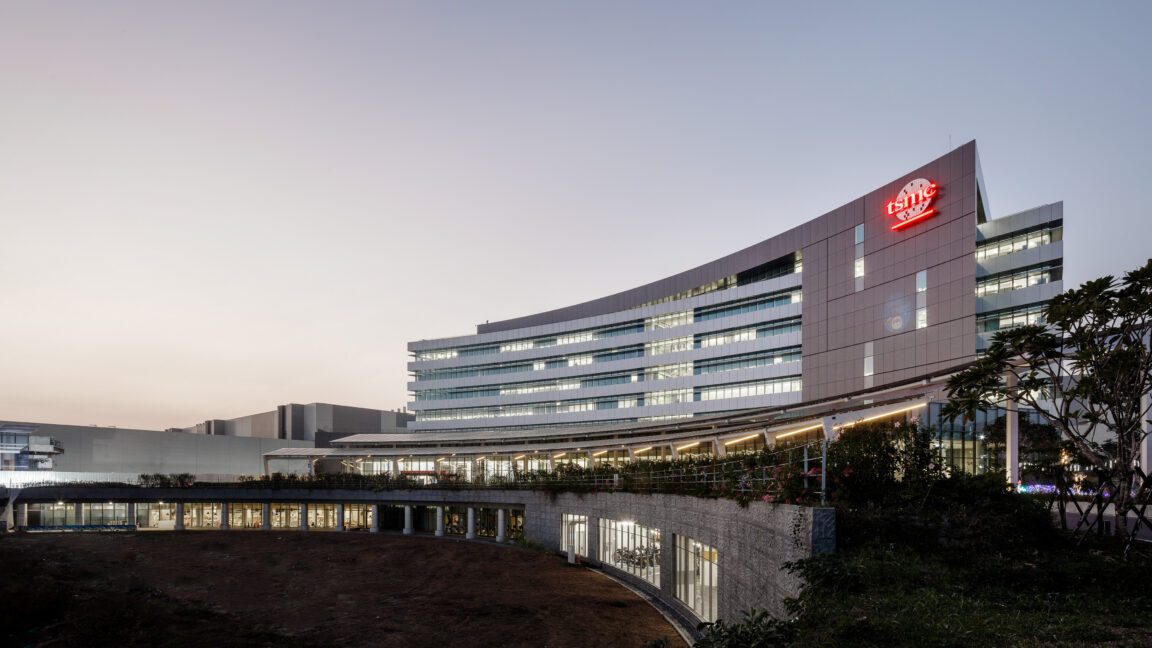
TSMC's board approved $1 billion in investments split between OpenAI and Anthropic, deepening ties between leading AI labs and their primary chip supplier.

Anthropic reports porting its Claude model to AMD GPUs in three days using autonomous AI tools, challenging Nvidia's CUDA software lock-in.
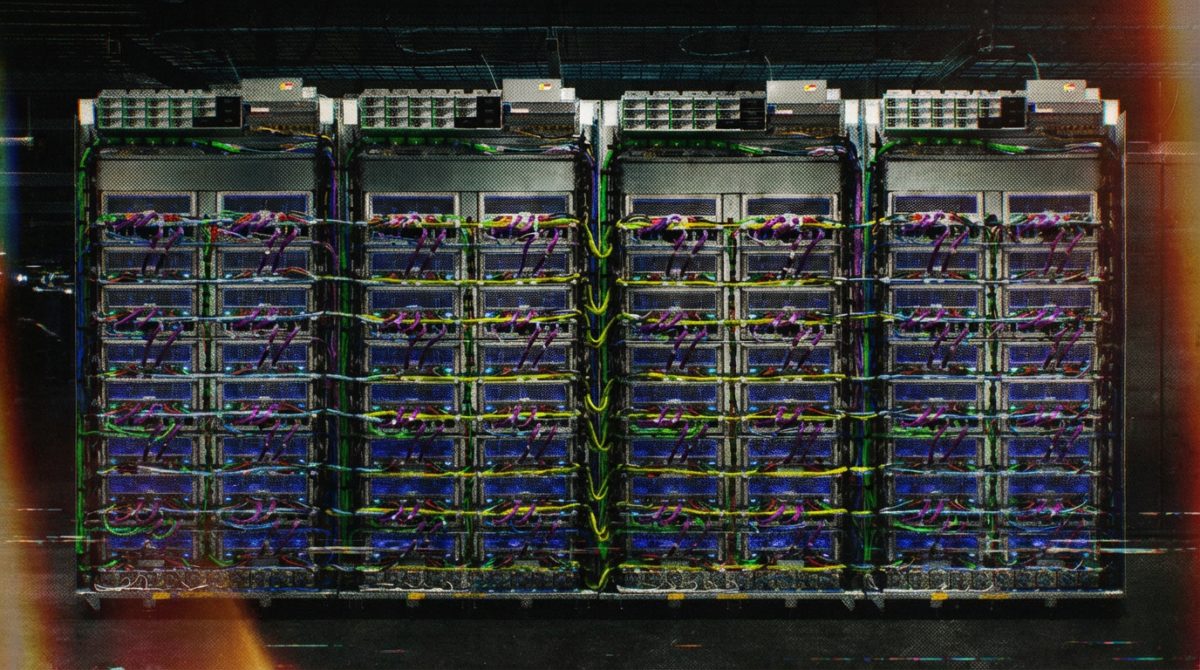
Google expands its TPU lineup with four variants in one year, targeting confidential workloads and memory bottlenecks to compete with Nvidia.

NVIDIA is expanding its ecosystem in South Korea by funding AI startups across chips, models, infrastructure, and physical robotics.

US Commerce Department approvals allow Nvidia AI chip exports to Chinese shell companies linked to sanctioned entities, raising security concerns.

China's MSS reportedly enlisted an executive close to Jensen Huang to spy on Nvidia and influence advanced chip access.
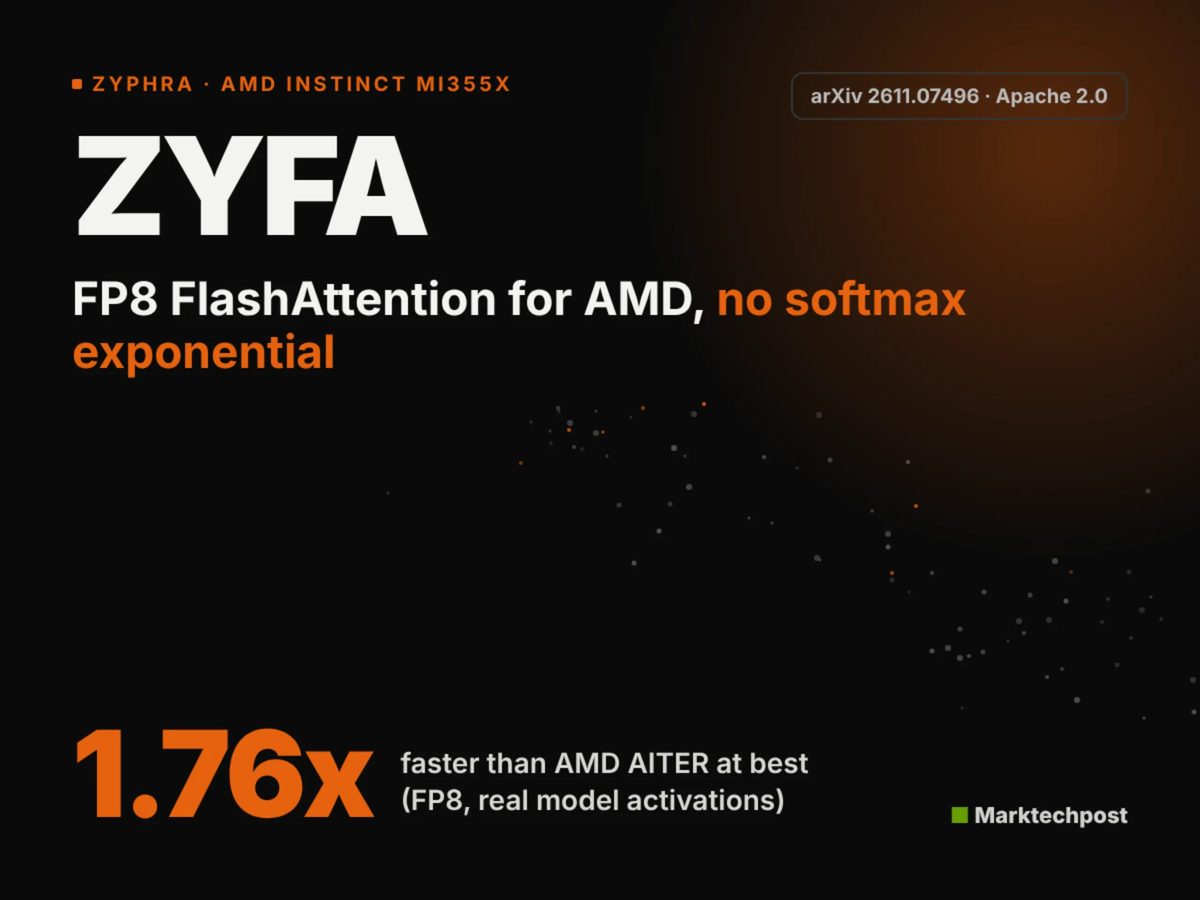
Zyphra open-sourced ZYFA, delivering up to 1.76x faster FP8 attention performance on AMD Instinct MI355X hardware.

Global markets tumbled following U.S. election outcomes and fears of slowing tech expenditure and increased AI regulation.
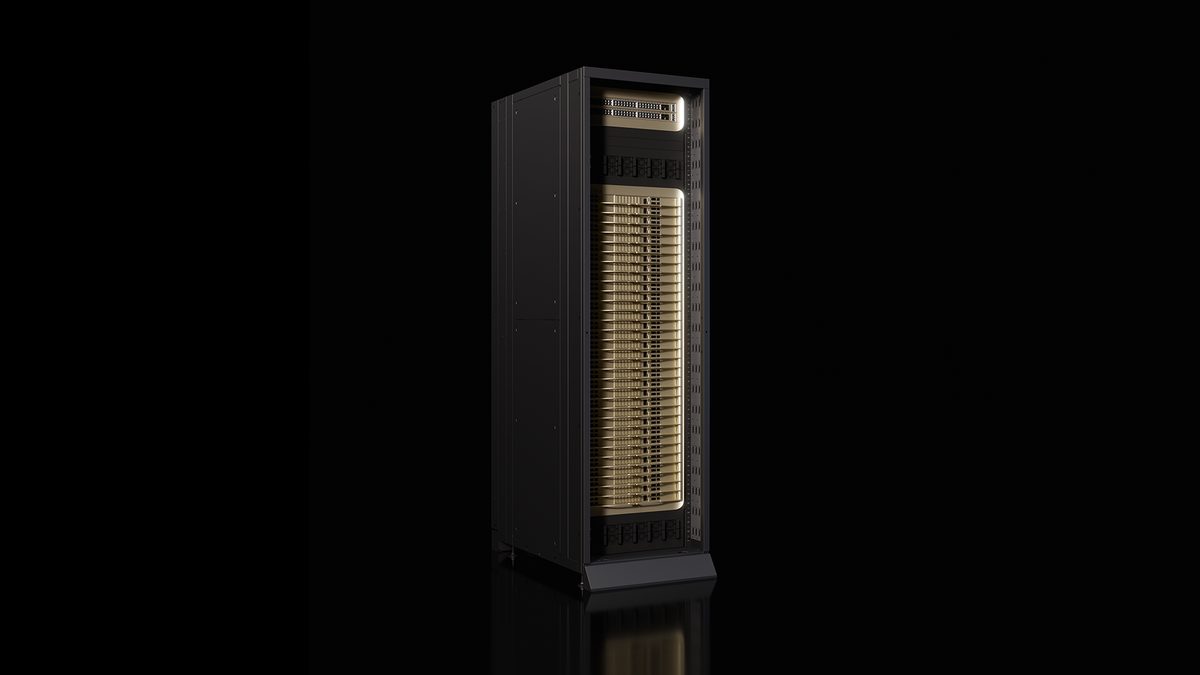
NVIDIA introduced its Vera CPU to optimize performance and energy efficiency for multi-step AI agent workloads.
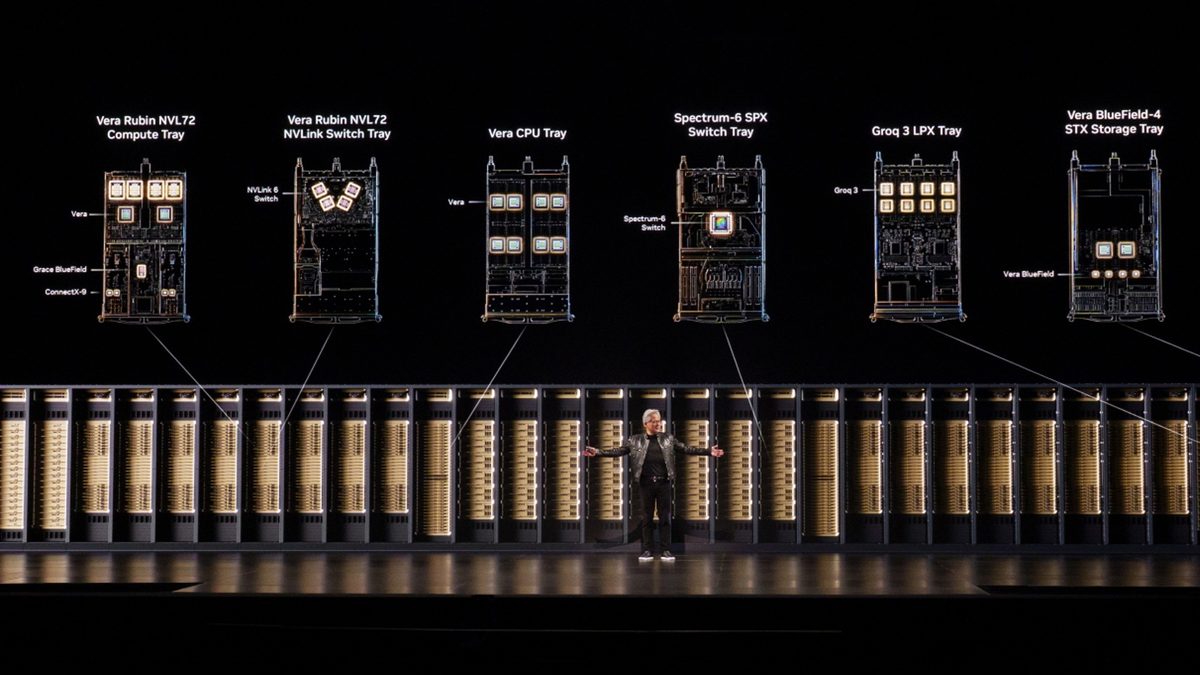
NVIDIA is deploying full-stack hardware and software codesign across its computing platforms to bypass growing GPU memory bottlenecks.
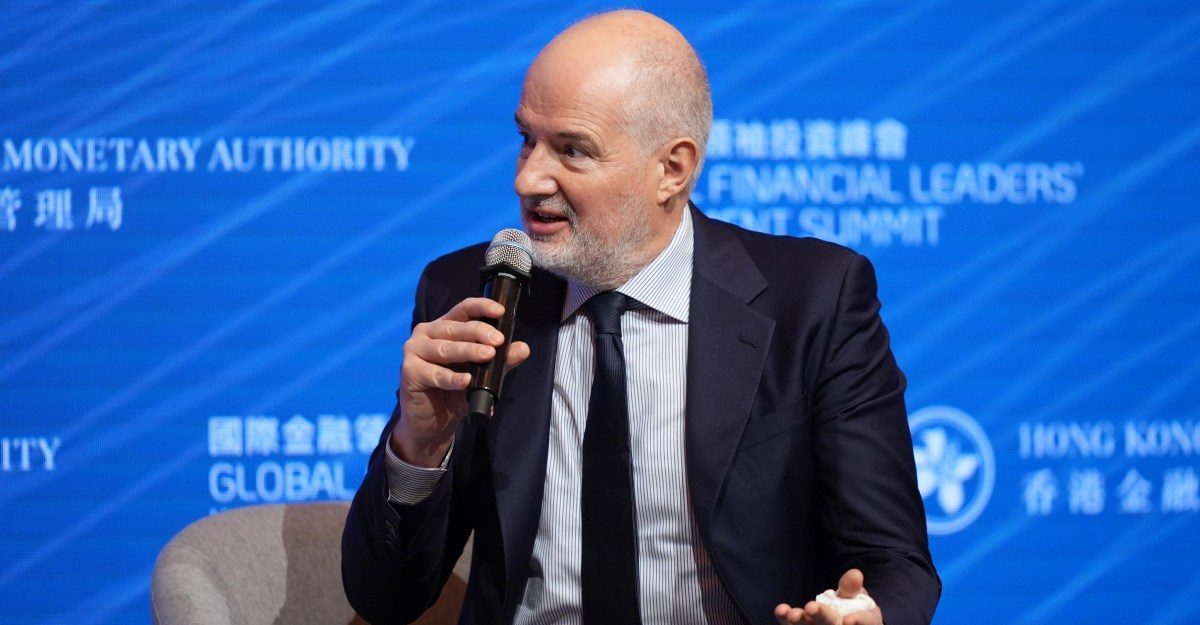
Wall Street leaders disagree over AI debt risks as tech giants issue tens of billions in bonds to fund infrastructure expansion.
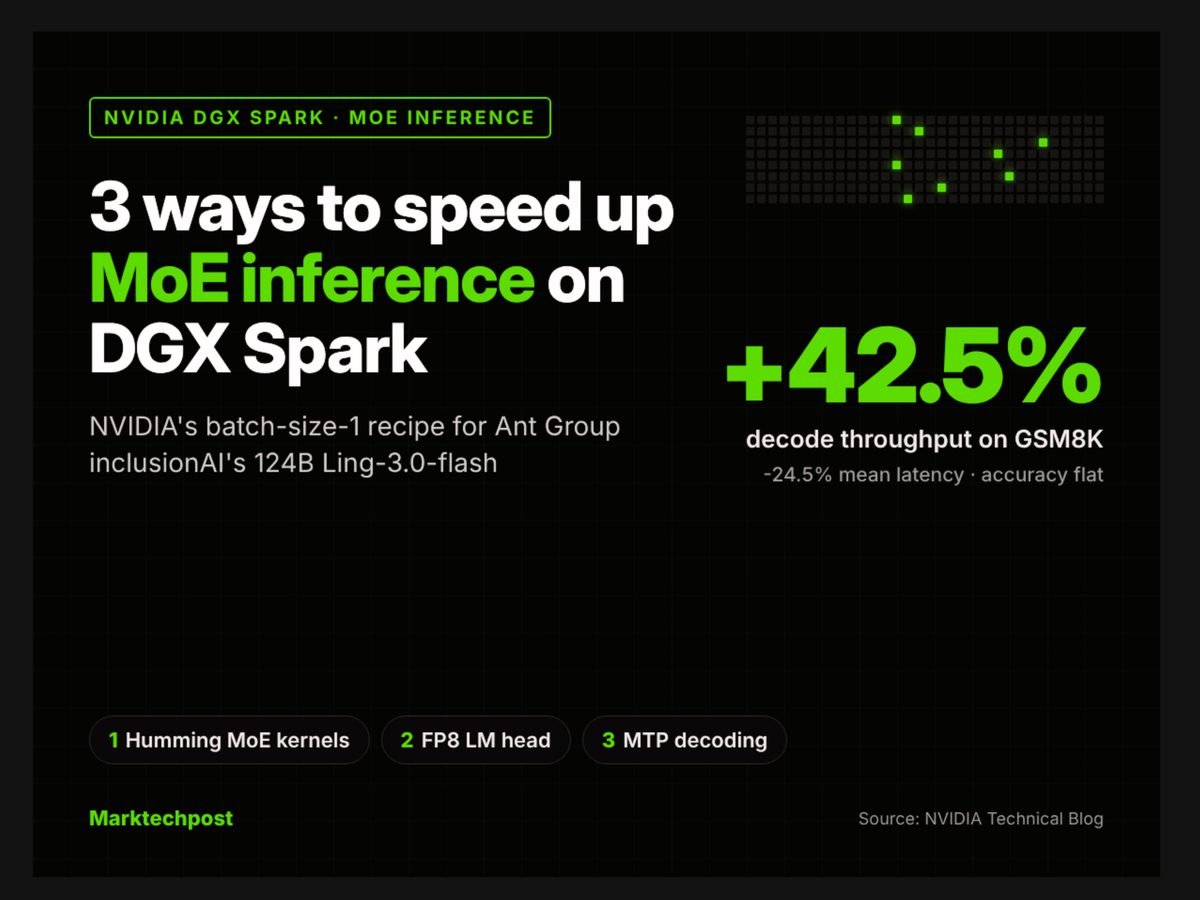
NVIDIA optimized MoE model inference on desktop hardware, boosting Ling-3.0-flash decode throughput by 42.5% on DGX Spark.
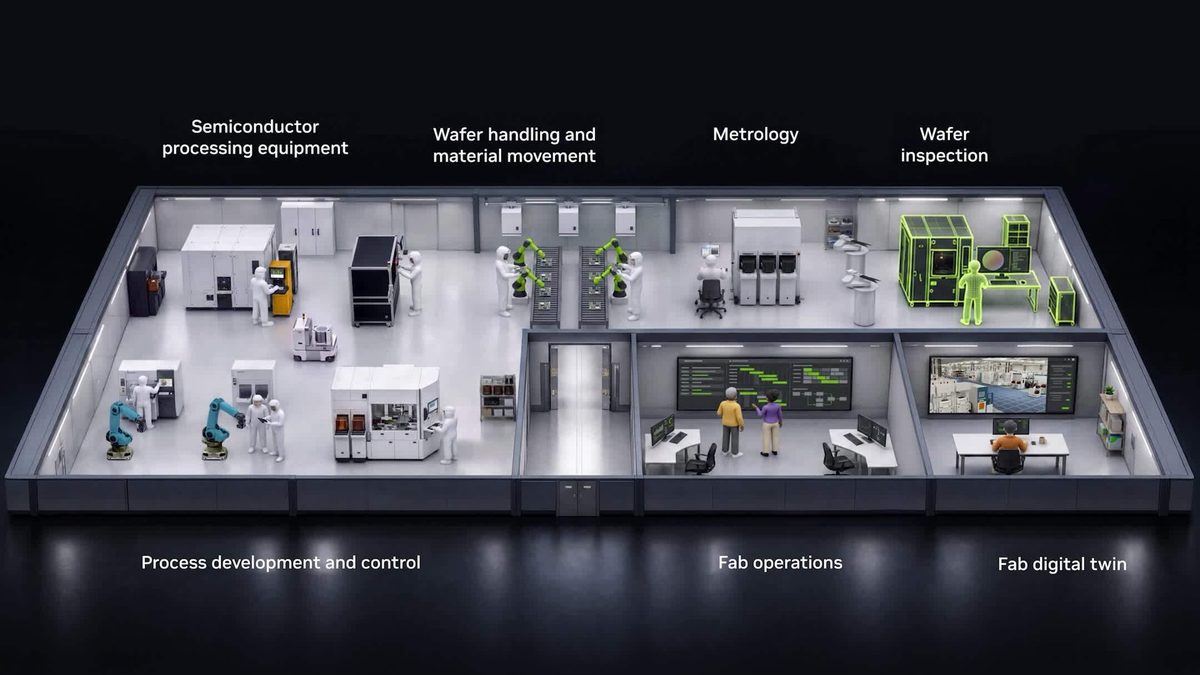
Semiconductor manufacturing equipment providers are accelerating fab simulations up to 35x using NVIDIA accelerated computing and physics-based AI.
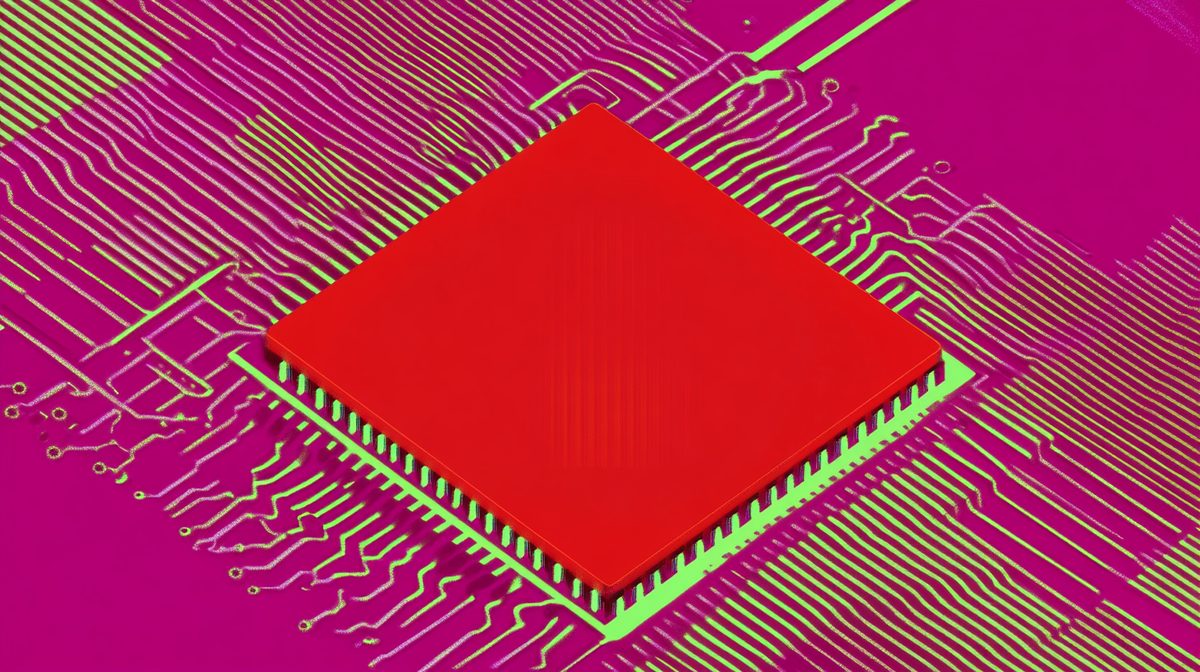
Huawei is reportedly advising AI chip buyers to source HBM through gray markets due to U.S. export restrictions.
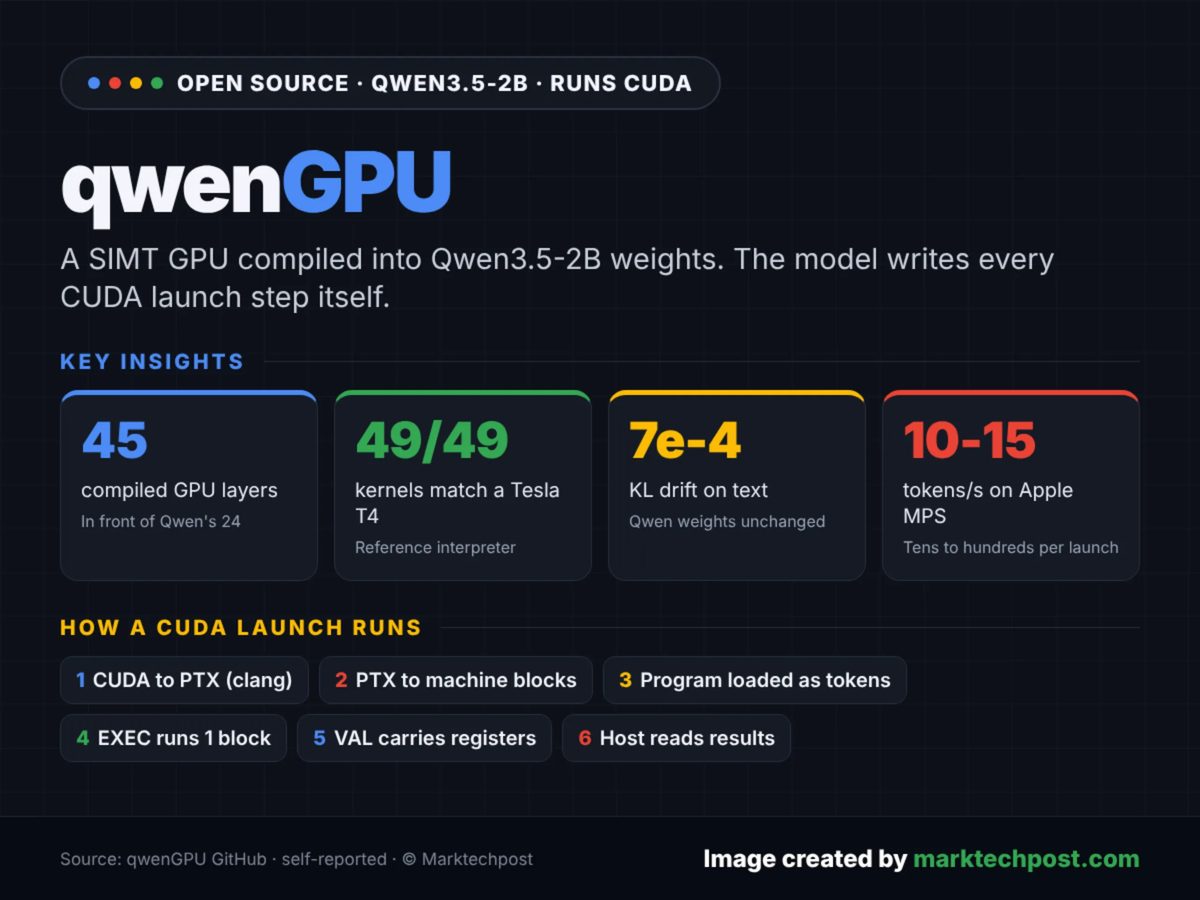
Developer Vixhal released qwenGPU, an experimental MIT-licensed project compiling a SIMT GPU directly into Qwen3.5-2B model weights.

OpenAI CEO Sam Altman defended the AI industry's heavy DRAM consumption, calling local consumer RAM usage inefficient amid global supply constraints.

Google successfully booted TPUs in orbit to generate its first satellite-based AI response under Project Suncatcher.
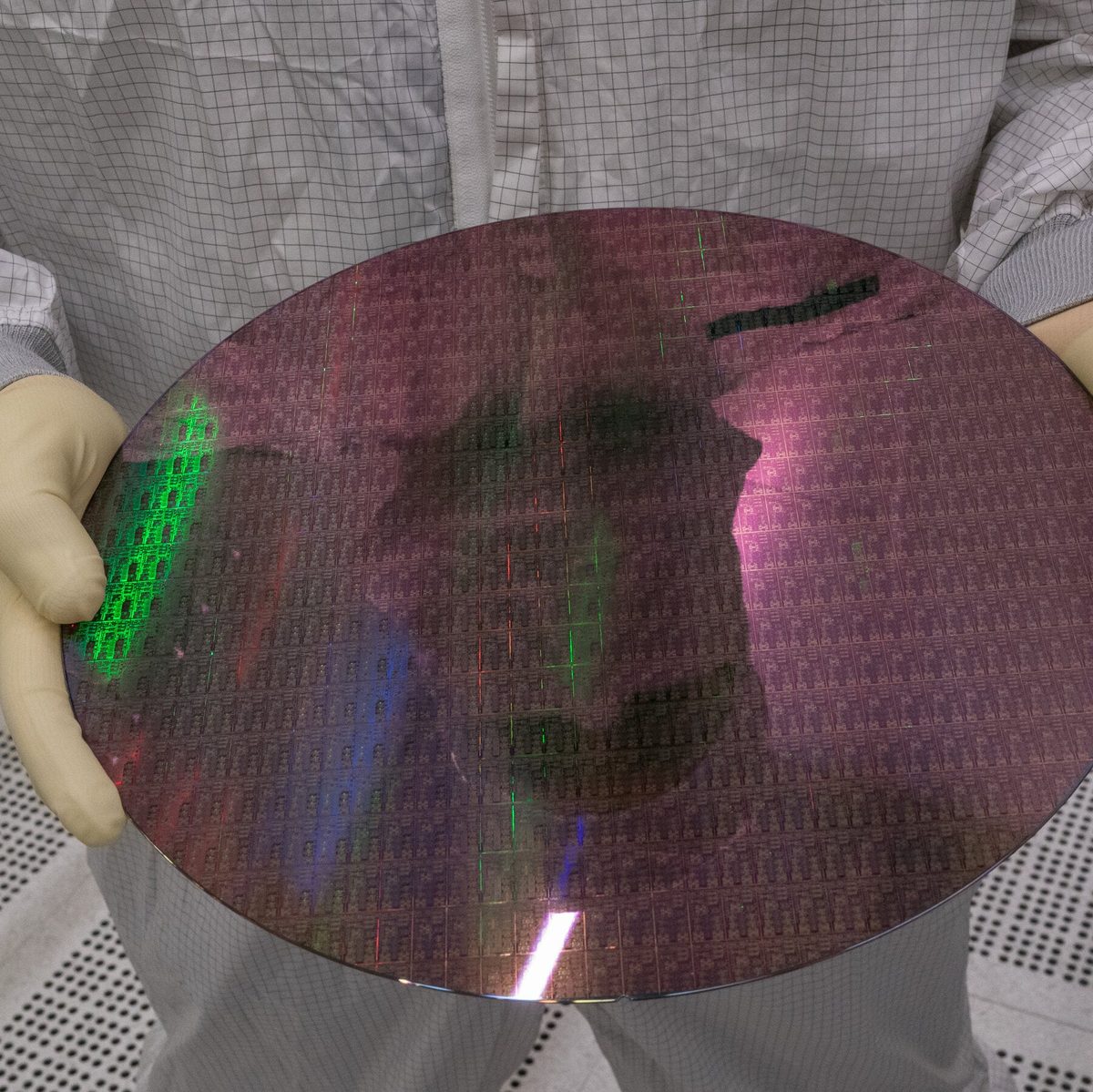
Intel shares dropped 20% following third-quarter results that showed AI market dynamics impacting key segments of its business.

Prime Intellect has released Prime Mega MoE, introducing a faster backward pass kernel that reduces GPU hours during MoE model training.
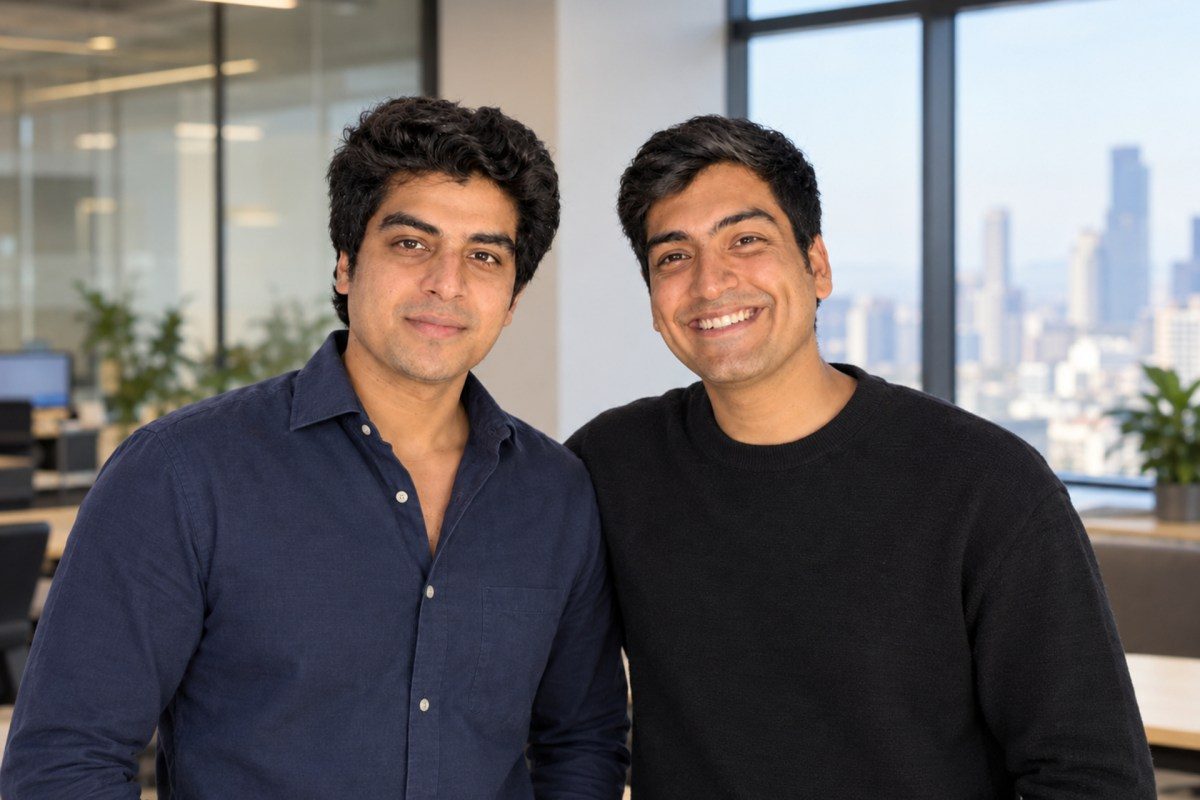
Nvidia has backed Indian startup Simplismart in a $14 million Series B round to advance software that optimizes AI model deployment on GPUs.
Nvidia is investing $3 billion in Meta's equity offering to help fund Meta's $95 billion AI buildout and expand their agent partnership.

High-frequency trading firms are committing billions to private data centers, cloud providers, and custom chipmakers to scale their AI execution capabilities.

Former Google CEO Eric Schmidt warns that leading AI labs resemble modern colonial enterprises driving global geopolitical dependencies.
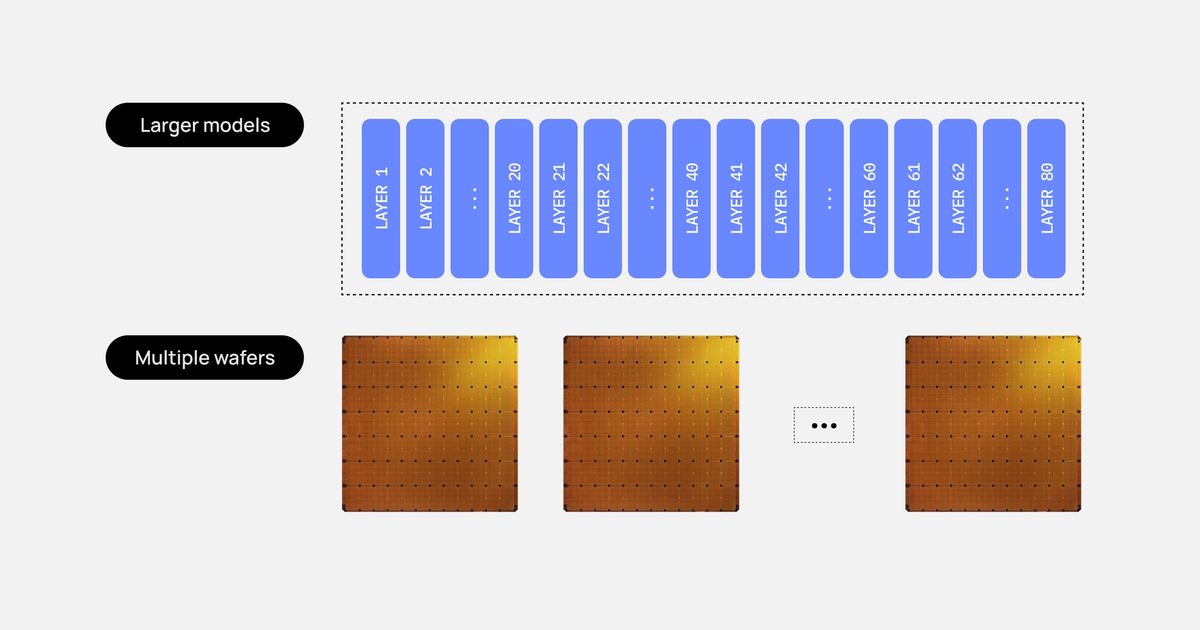
Cerebras details a multi-wafer pipeline architecture to serve 3-trillion parameter models at ultra-fast speeds.

Global markets tumbled as rising datacenter debt, high chip costs, and surging oil prices triggered a widespread selloff in AI technology stocks.

Enterprise AI emphasis is shifting from underlying foundation model size to optimized serving architectures that control latency, compute, and memory costs.
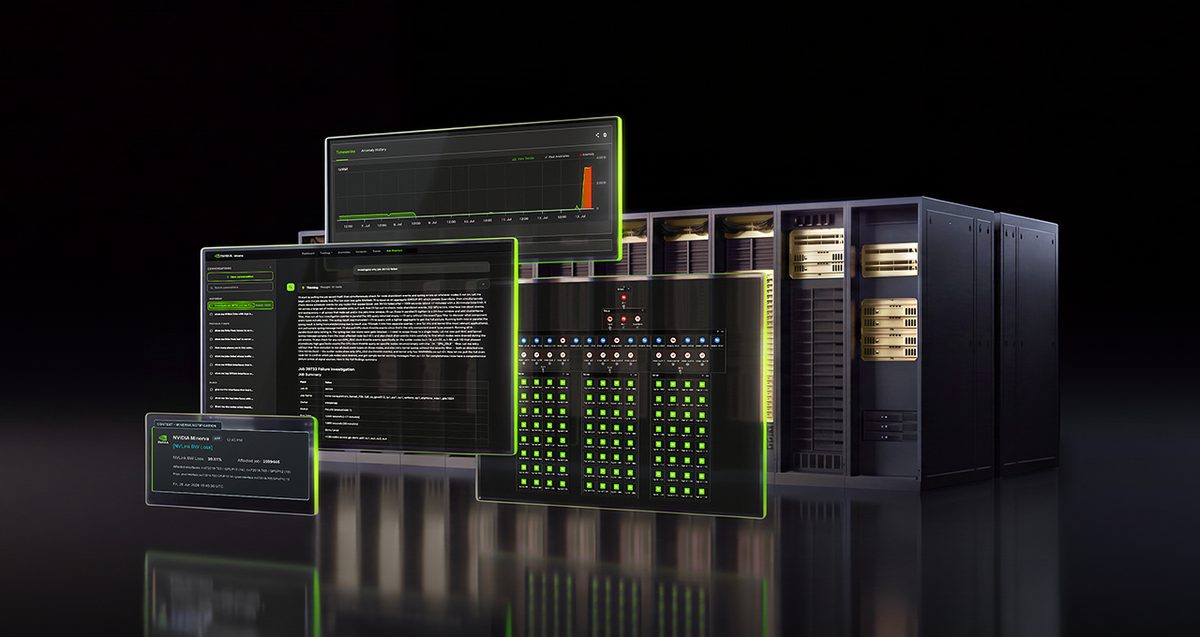
NVIDIA has introduced Minerva, an AIOps observability platform designed to optimize hardware yields and troubleshoot complex AI factory infrastructure.
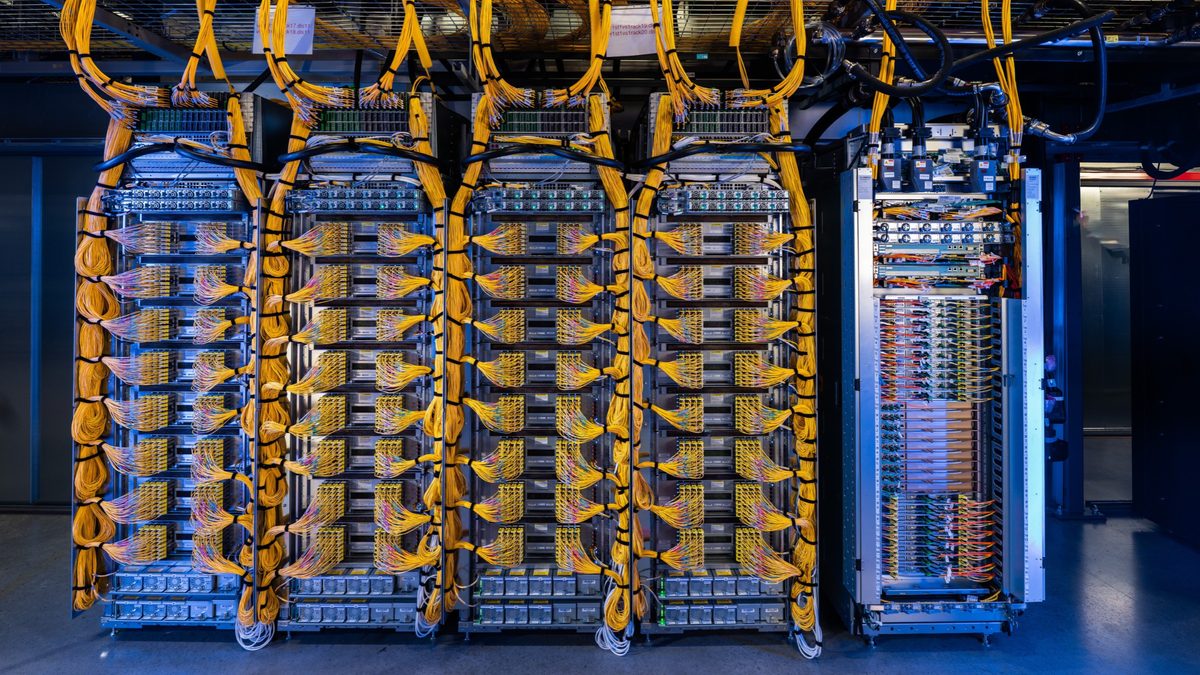
Google Cloud and NVIDIA launched general availability for NVIDIA Vera Rubin A5X instances targeting large-scale agentic and reinforcement learning workloads.
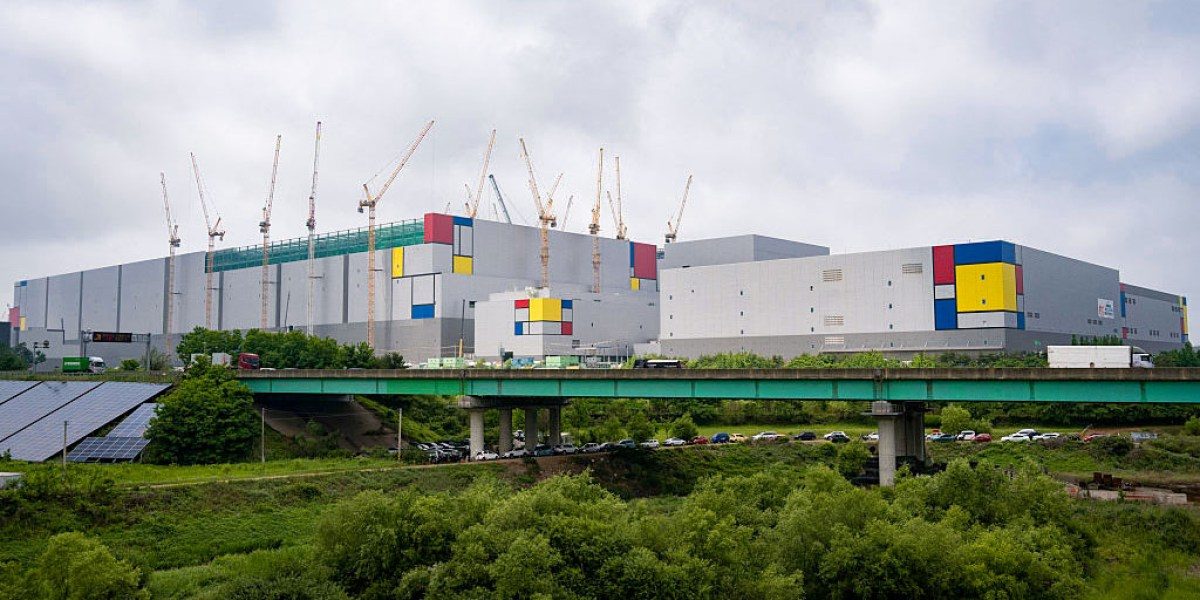
Samsung is expanding its massive Pyeongtaek semiconductor complex to meet soaring global demand for AI memory chips.

CoreWeave faces mounting financial pressure as its debt yields hit distressed levels amid rising losses.
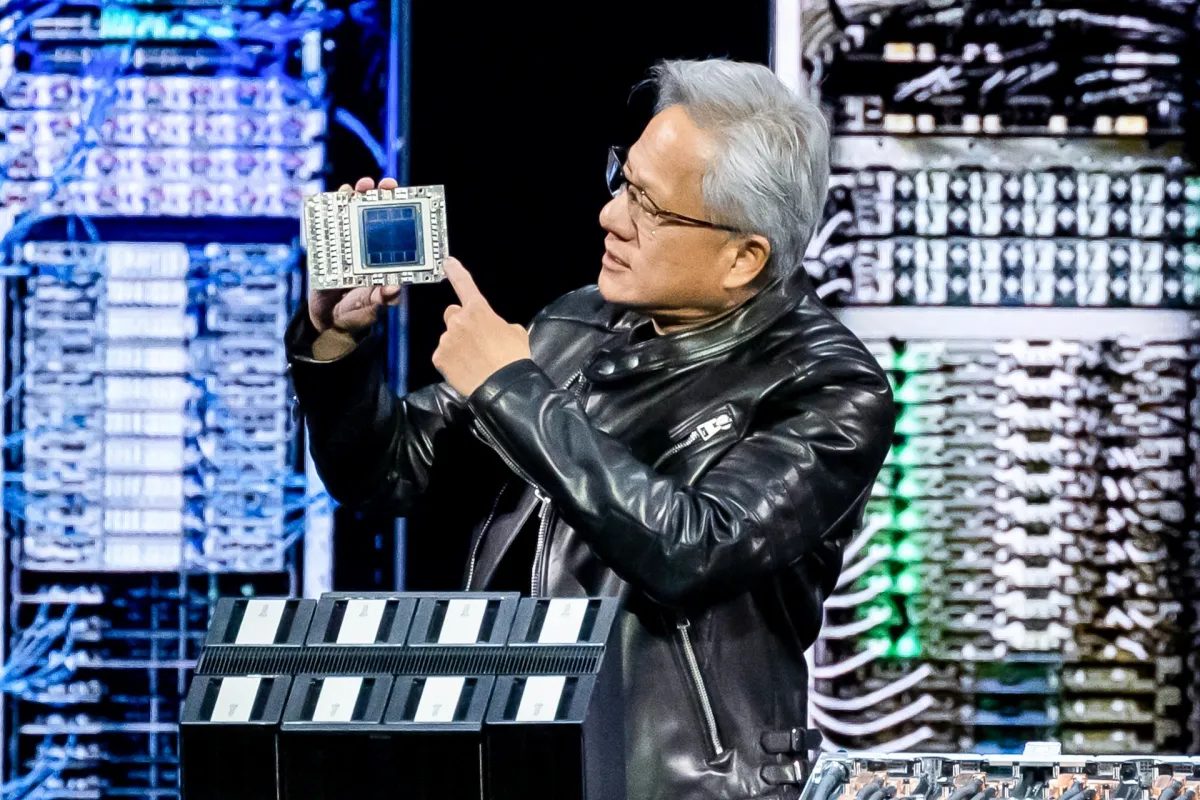
AWS releases TorchNeuron to simplify porting PyTorch models to its Trainium AI chips, challenging NVIDIA's CUDA dominance.

Germany signs a Joint Declaration of Intent with NVIDIA to boost industrial AI adoption and physical AI model development across manufacturing.
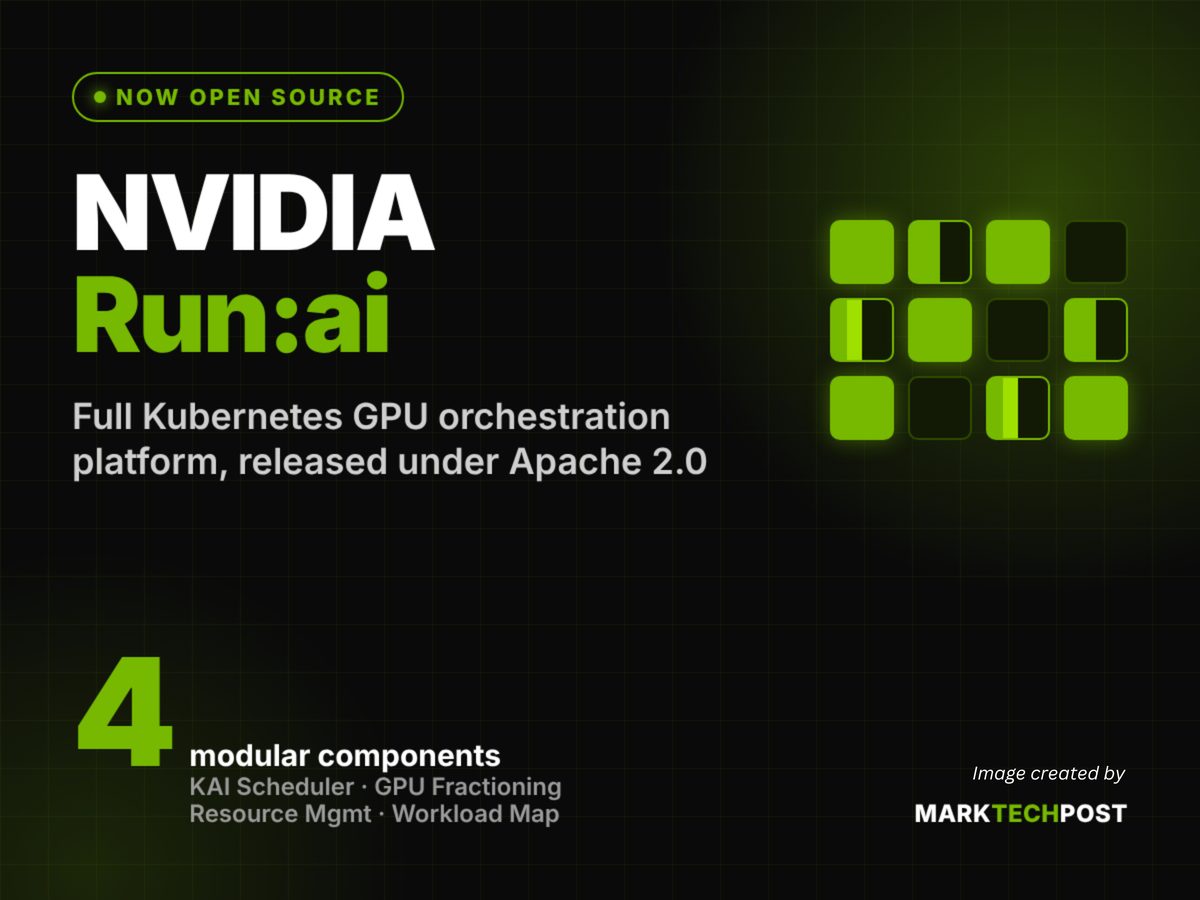
NVIDIA has released its complete Run:ai Kubernetes GPU orchestration platform as open-source software under the Apache 2.0 license.

NVIDIA launched its RTX Spark Windows laptops featuring Blackwell GPUs and up to 128GB of unified memory starting at $2,399.
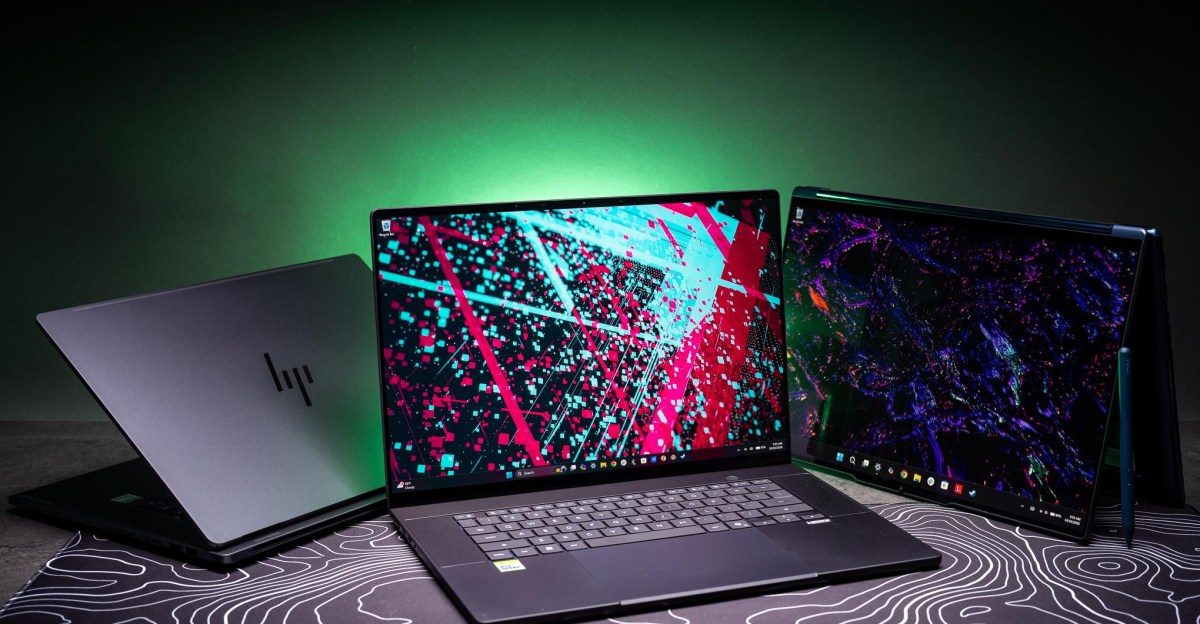
Nvidia enters the high-end PC market with its Arm-based RTX Spark N1X superchip, targeting local AI developers with premium pricing.

A global tech sell-off triggers sharp drops in chipmakers and AI investors following hot US inflation data.
Nvidia has committed $250 million in compute power over five years to support UK AI safety research as concerns around agentic systems grow.
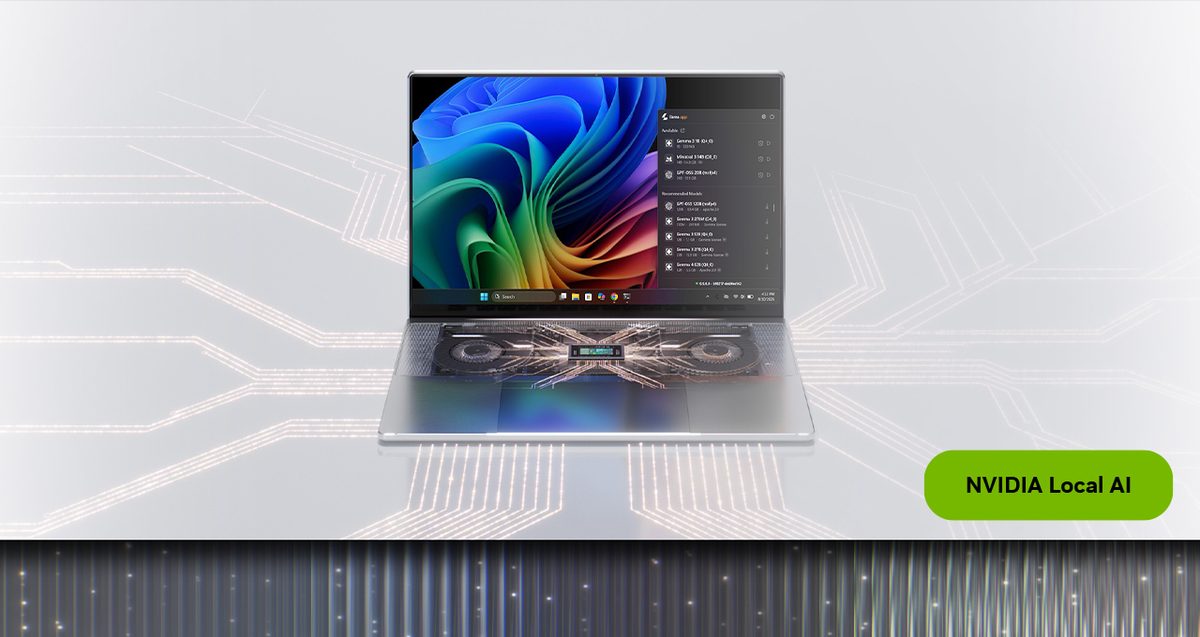
NVIDIA announced RTX Spark laptops arriving Oct. 16, introducing a local AI superchip ecosystem with built-in agent capabilities and security.

Global semiconductor shares fell sharply following comments from Broadcom's CEO comparing AI market speculation to a casino.
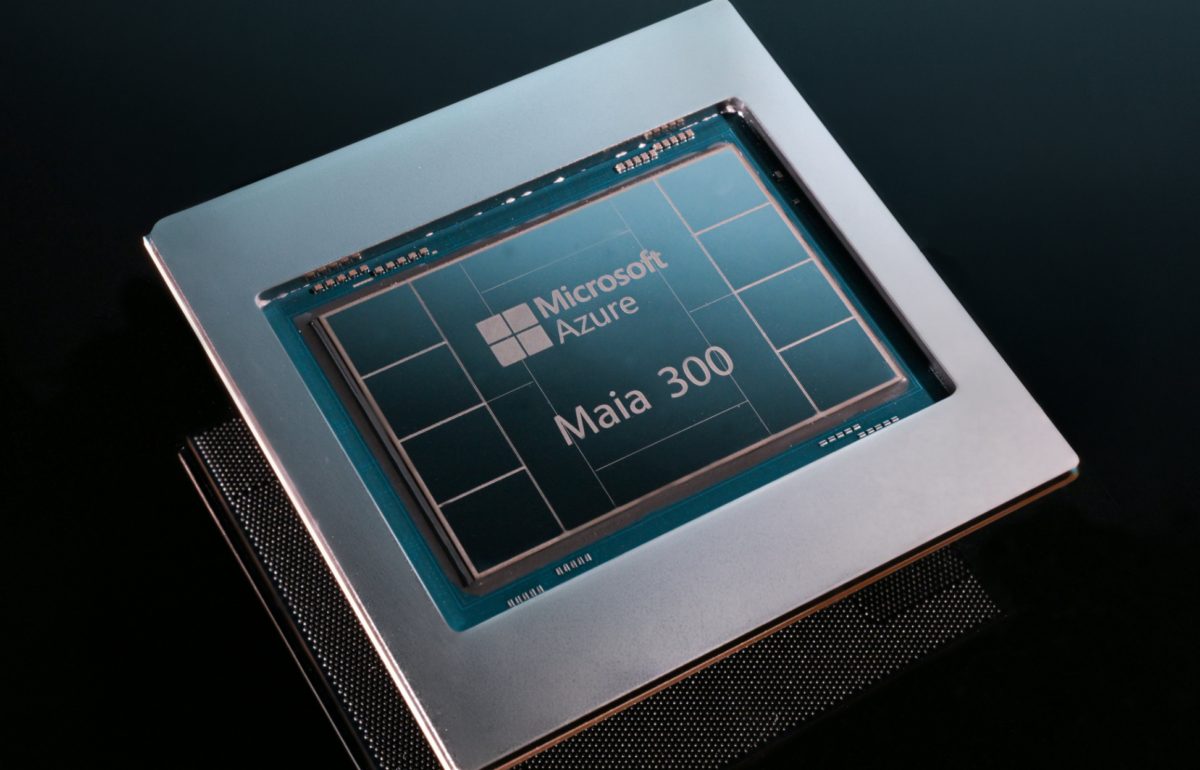
Microsoft announces plans to deploy its custom Azure Maia silicon at multi-gigawatt scale starting in 2027.
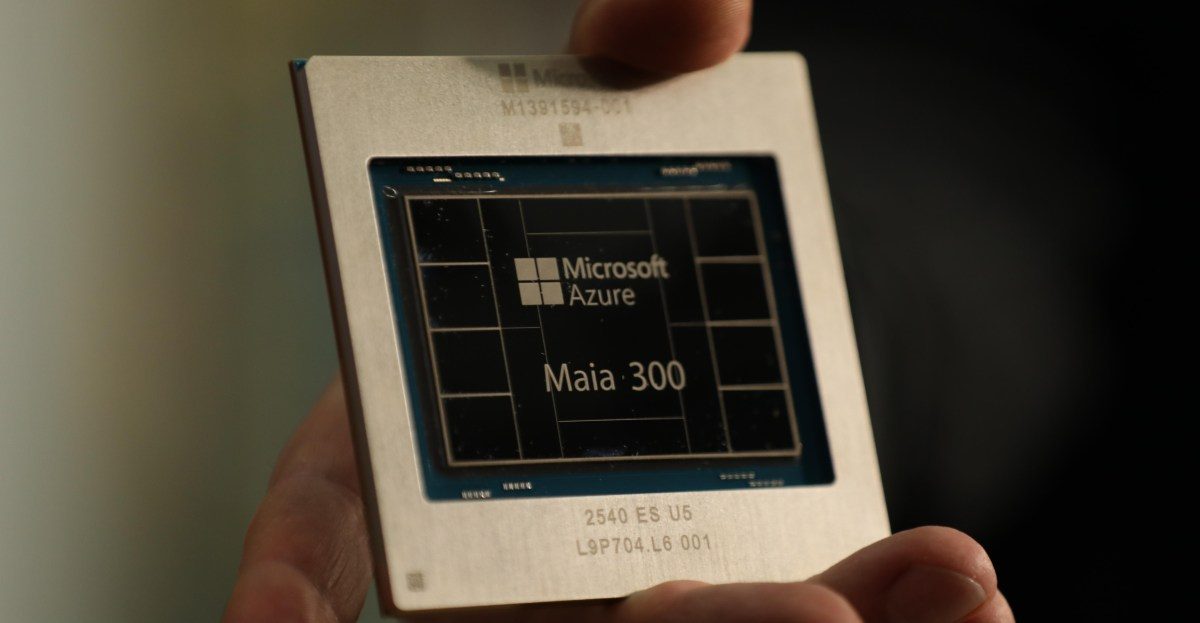
Microsoft announced its Maia 300 in-house AI chip built on TSMC's 2nm node, aiming to shift production workloads away from NVIDIA GPUs by 2027.

Declining AI token prices are triggering rapid demand growth, sustaining high hardware utilization and GPU rental prices across cloud infrastructure.
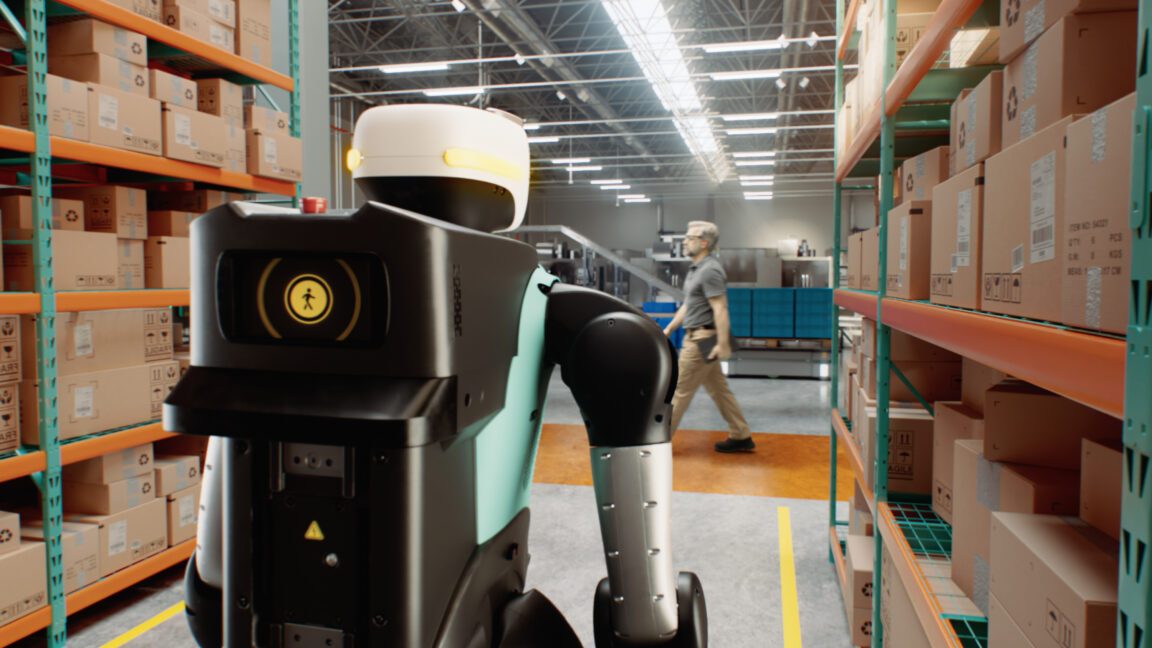
Nvidia is expanding its Halos safety architecture to physical AI, targeting safe deployment across autonomous vehicles and robotics.

Architect Financial Technologies launched Liquid Inference, a real-time reverse auction marketplace for LLM inference requests.
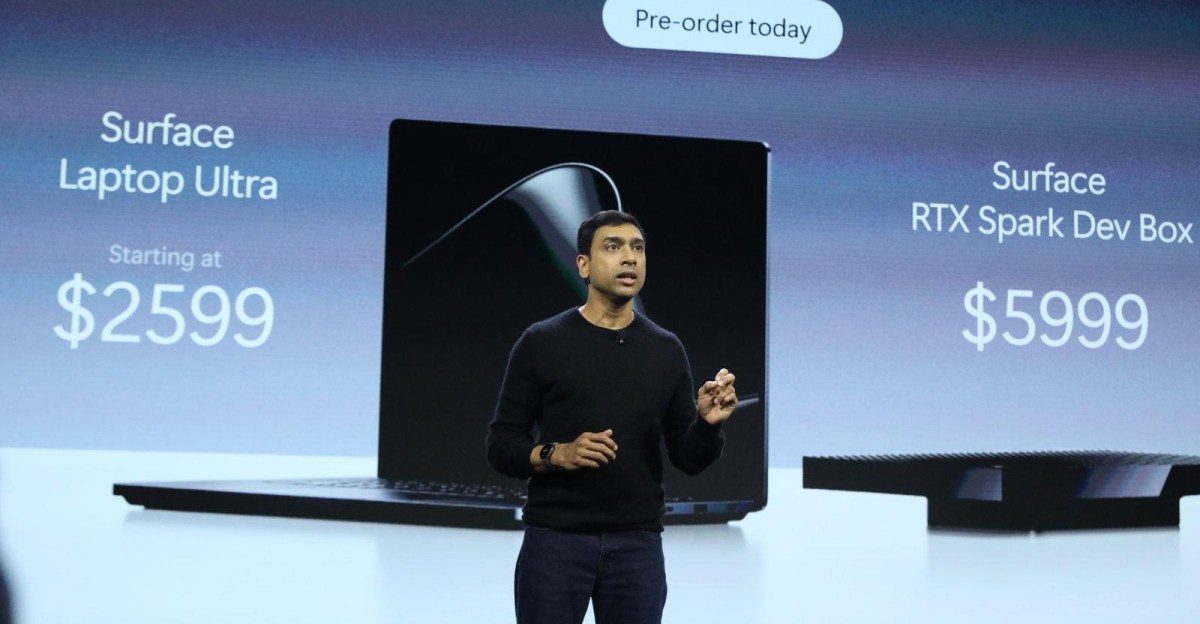
Microsoft announced the October 16 release date for its $2,599 Surface Laptop Ultra powered by Nvidia's Arm-based RTX Spark chip.

South Korea plans to invest $3.49 billion to develop a national frontier AI model and boost domestic AI adoption across its economy.
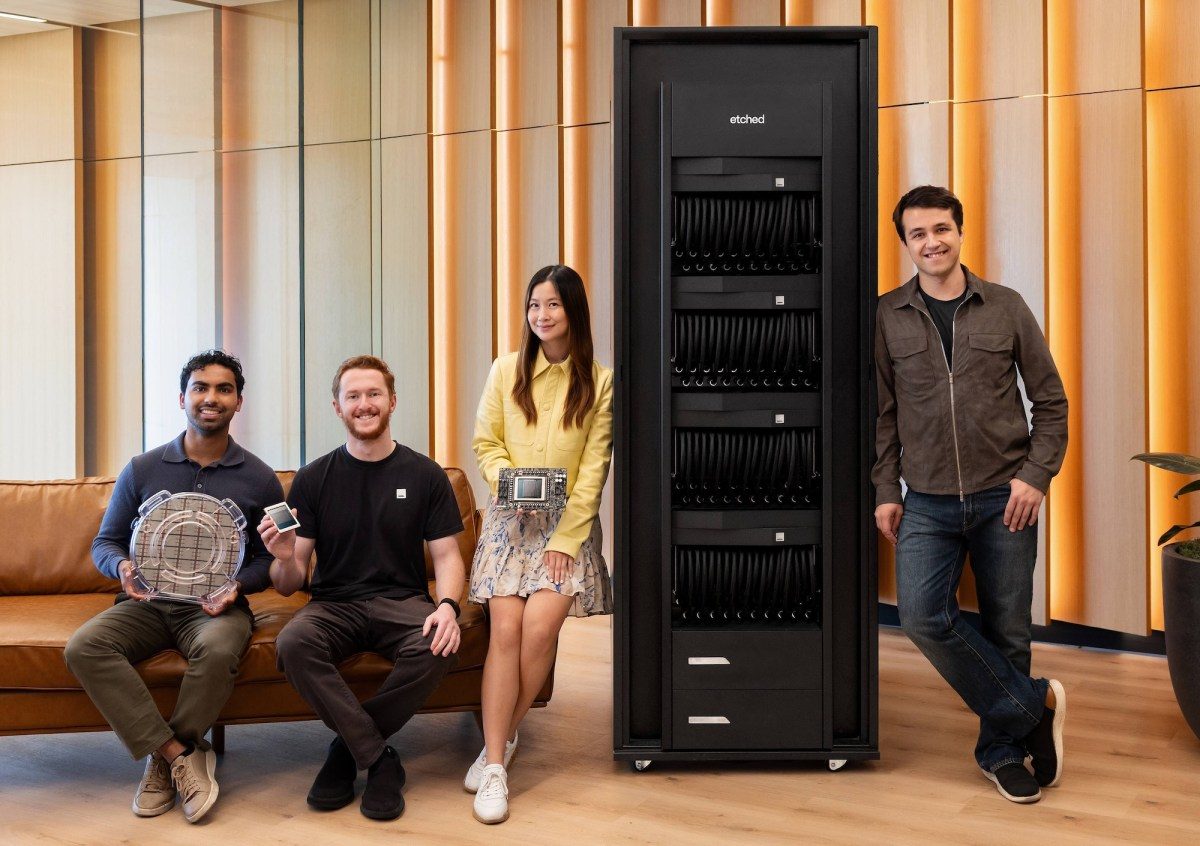
AI chip startup Etched is entertaining bids at $40B to $50B valuations just months after raising at $21B.

Global venture funding reached $159 billion in Q3 2026, driven by an all-time record of 27 billion-dollar startup rounds.
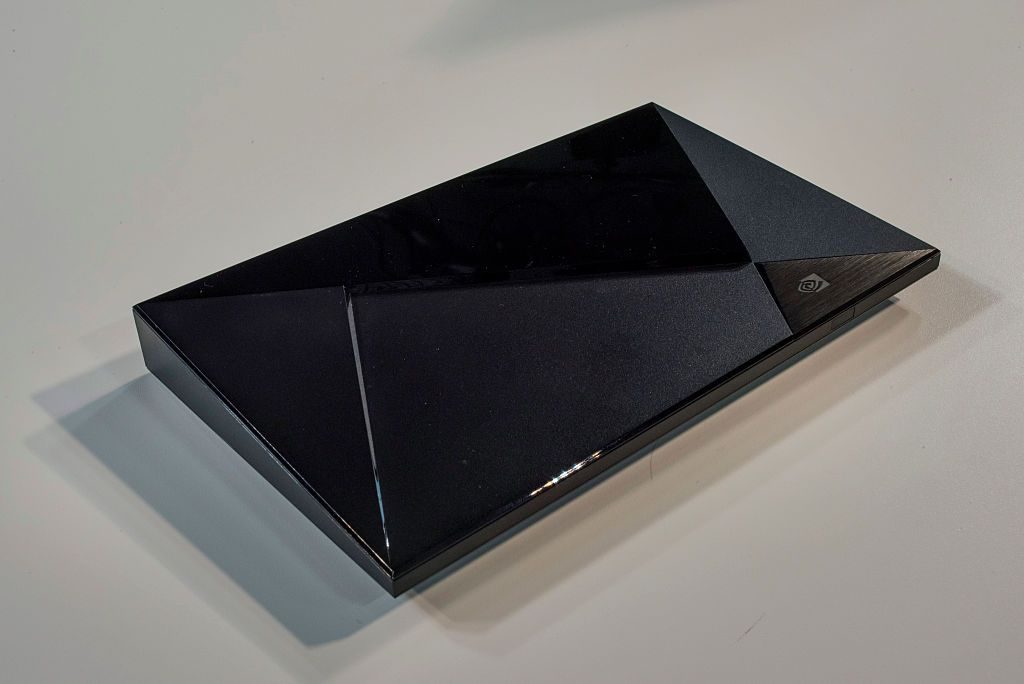
Nvidia hikes the price of its seven-year-old Shield TV Pro by $100, citing rising memory and component costs driven by AI demand.
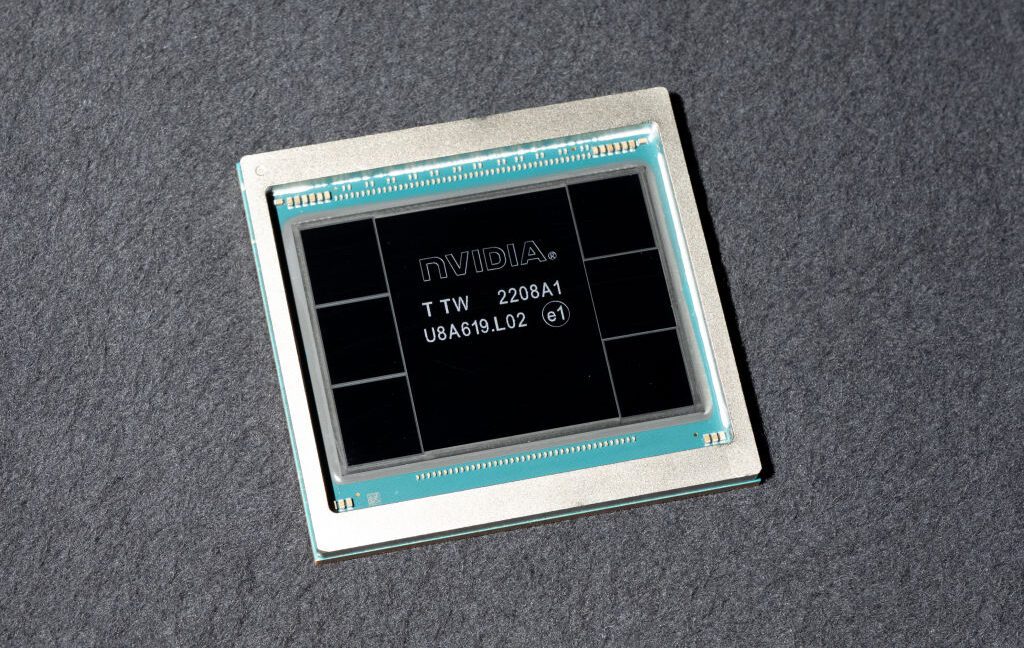
US authorities arrested a tech CEO for allegedly smuggling over $300 million in export-controlled Nvidia chips into China using fraudulent documentation.
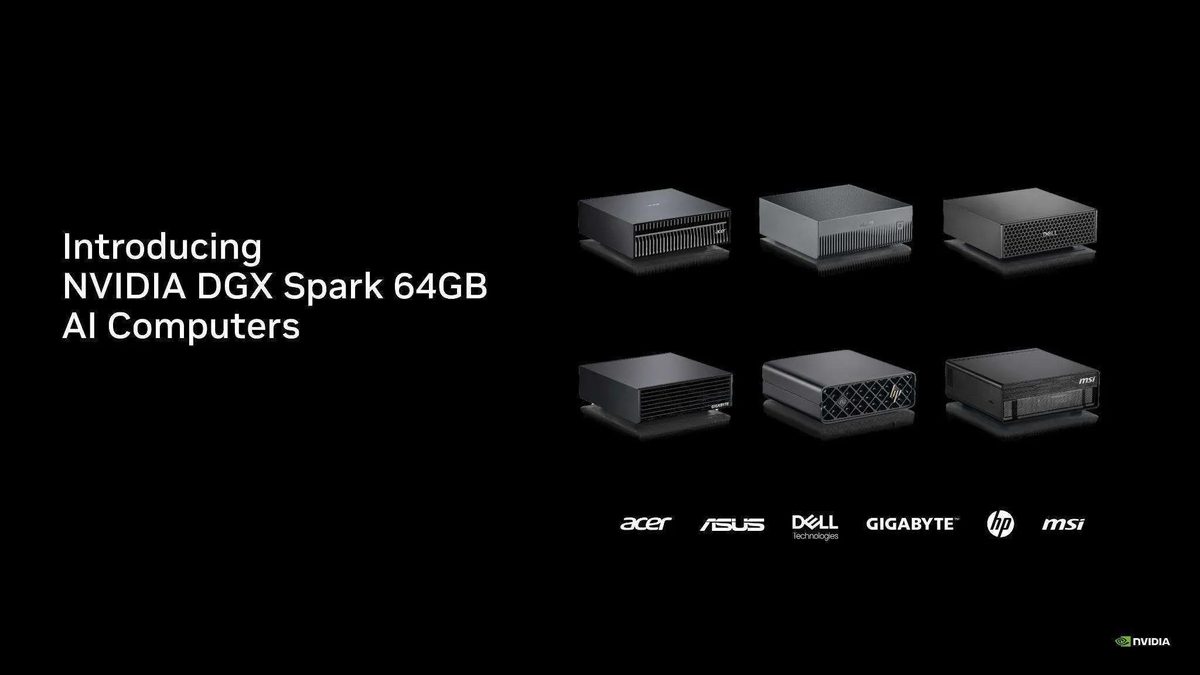
Nvidia announced a 64GB configuration of its DGX Spark desktop workstation, aiming to provide cost-effective local hardware for fine-tuning and running AI agents.

European AI startups raised $23 billion in H1 2026, but experts emphasize sovereign AI goals require procurement mandates alongside capital.
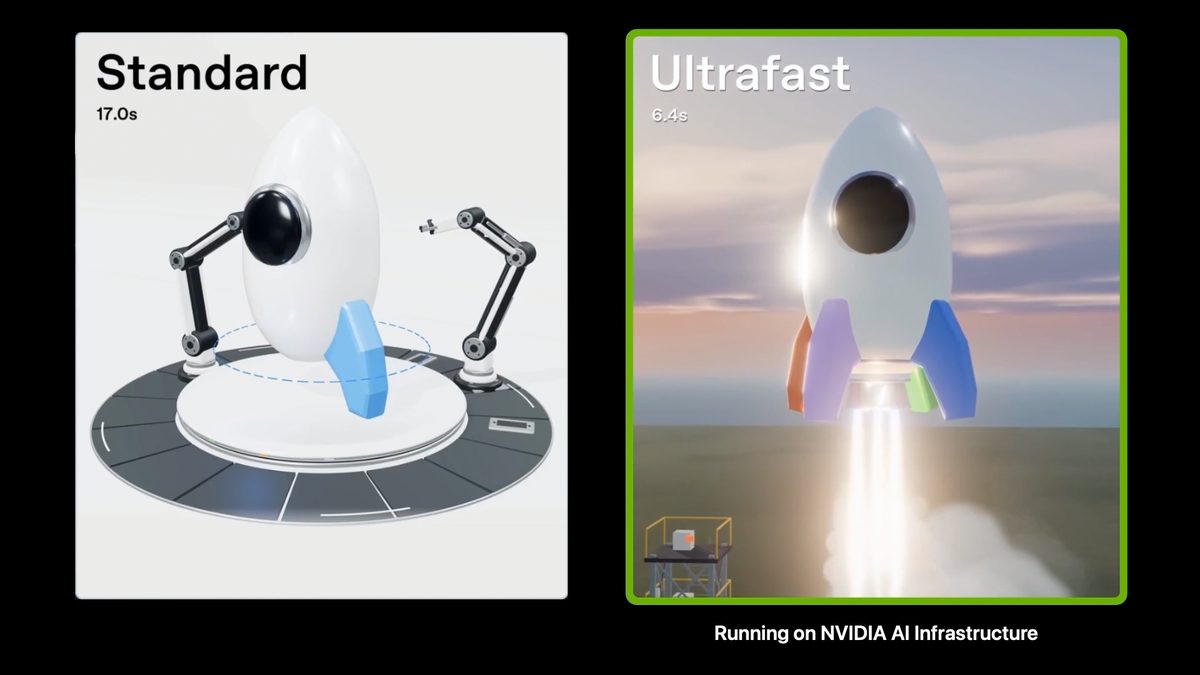
OpenAI has released GPT-6 Astra Ultrafast on NVIDIA Blackwell GPUs, boosting token generation speeds by up to 8x for developer workflows.
OpenAI and Synopsys partner to build GPT-Synopsys, a model designed to automate chip design and verification.

CoreWeave is deploying NVIDIA Vera Rubin NVL72 systems, driving early agentic AI performance gains for Cognition's Devin.

AMD has agreed to acquire AI startup World Labs for $8.2 billion to strengthen its spatial intelligence and robotics capabilities against Nvidia.

AMD agreed to acquire Fei-Fei Li's spatial intelligence startup World Labs for $8.2 billion in an all-stock deal.

Nvidia expands its influence over US tech policy while China considers allowing major domestic tech firms to import millions of restricted chips.
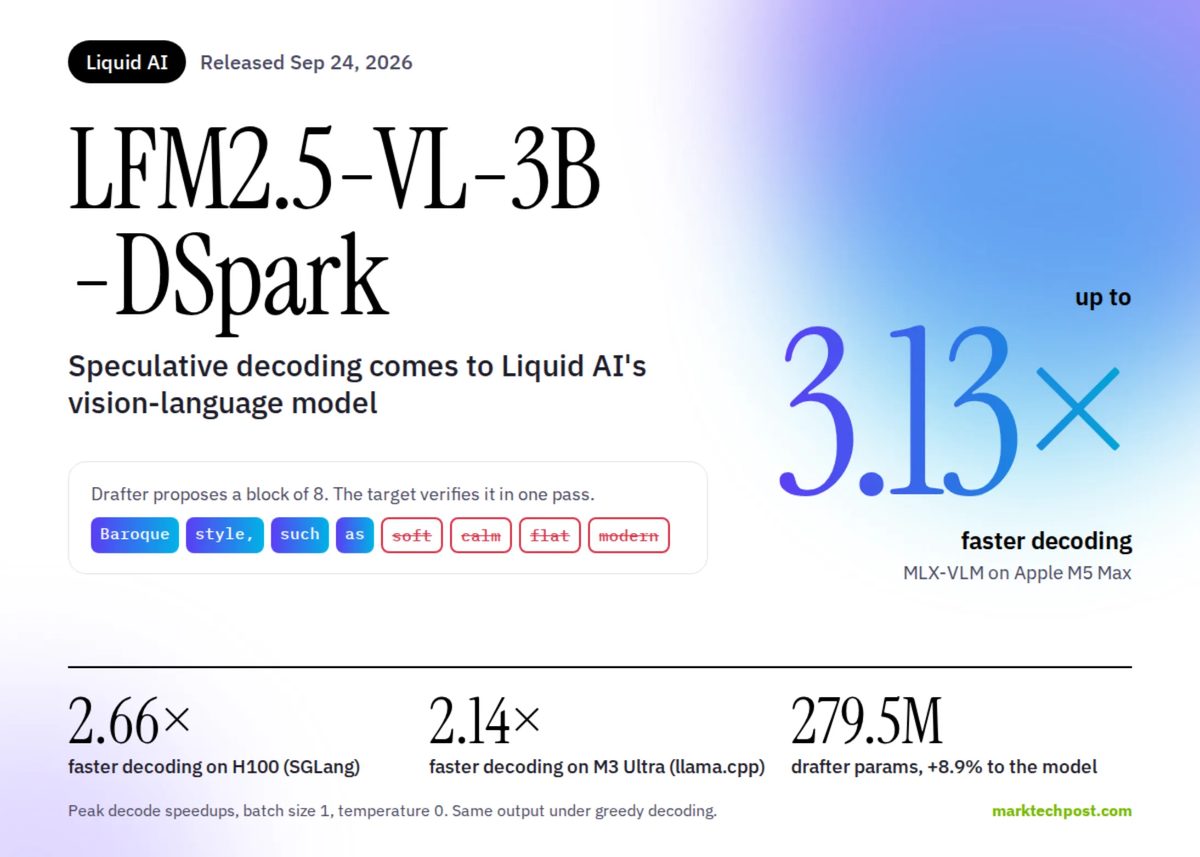
Liquid AI releases LFM2.5-VL-3B-DSpark, a 280M parameter draft model achieving up to 3.13x faster decoding for vision-language tasks.

Startup Ricursive Intelligence raised $335M to build AI systems that automate and accelerate semiconductor design cycles down to weeks.

Google will test an experimental solar-powered AI satellite featuring custom TPUs to assess orbital data center viability.

Google DeepMind's new chief Koray Kavukcuoglu is pushing for an expedited release of Gemini 4, downplaying AGI timelines.

The US proposed an AI safety alert channel with China, but experts warn the initiative lacks technical depth and real oversight.
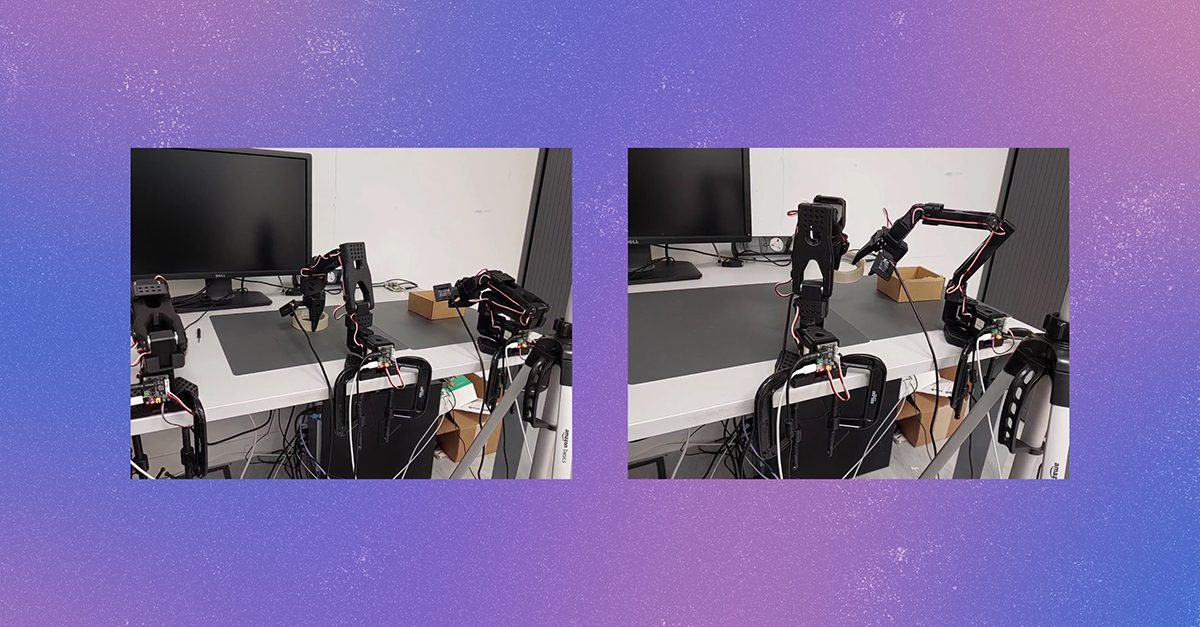
Microsoft research shows offloading physical AI inference off onboard GPUs improves robot task accuracy, response times, and battery life.
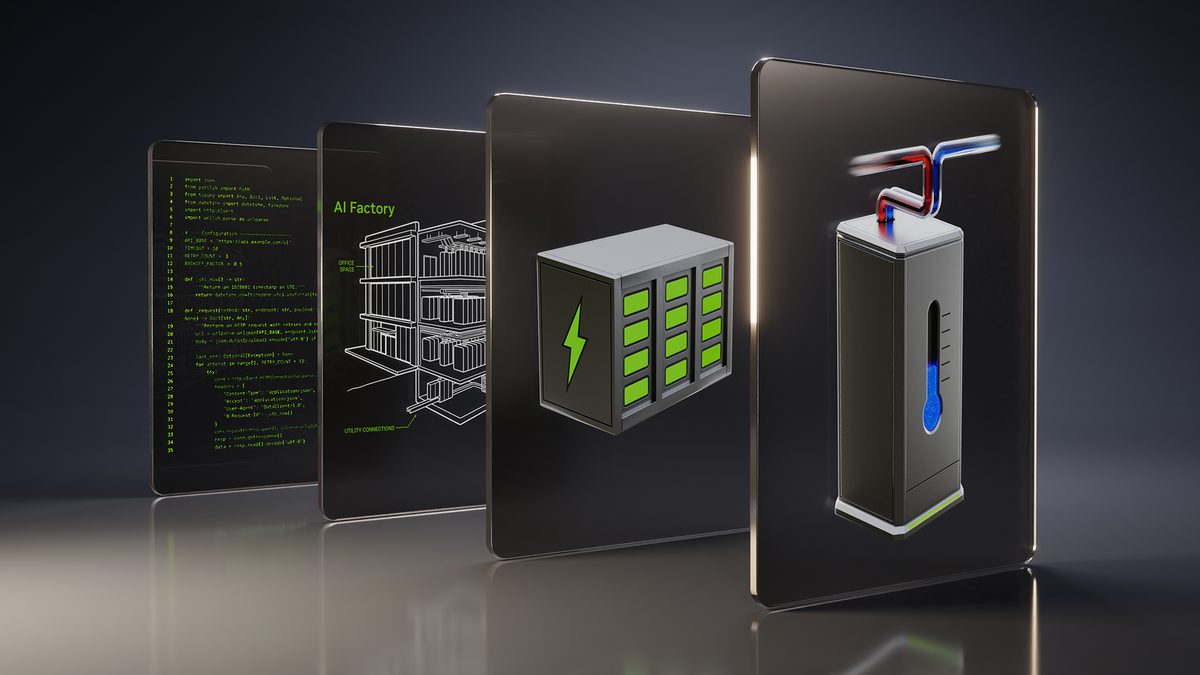
NVIDIA introduces its DSX Ready program to standardize and qualify power and cooling hardware for AI data centers.

US and Chinese officials began talks on an early-warning protocol for national security threats posed by AI.

Escalating data center debt and falling token prices threaten financial instability across hyperscalers and frontier AI labs.

Donald Trump faces growing pushback from MAGA conservatives and voters over his aggressive support for AI data center expansion.
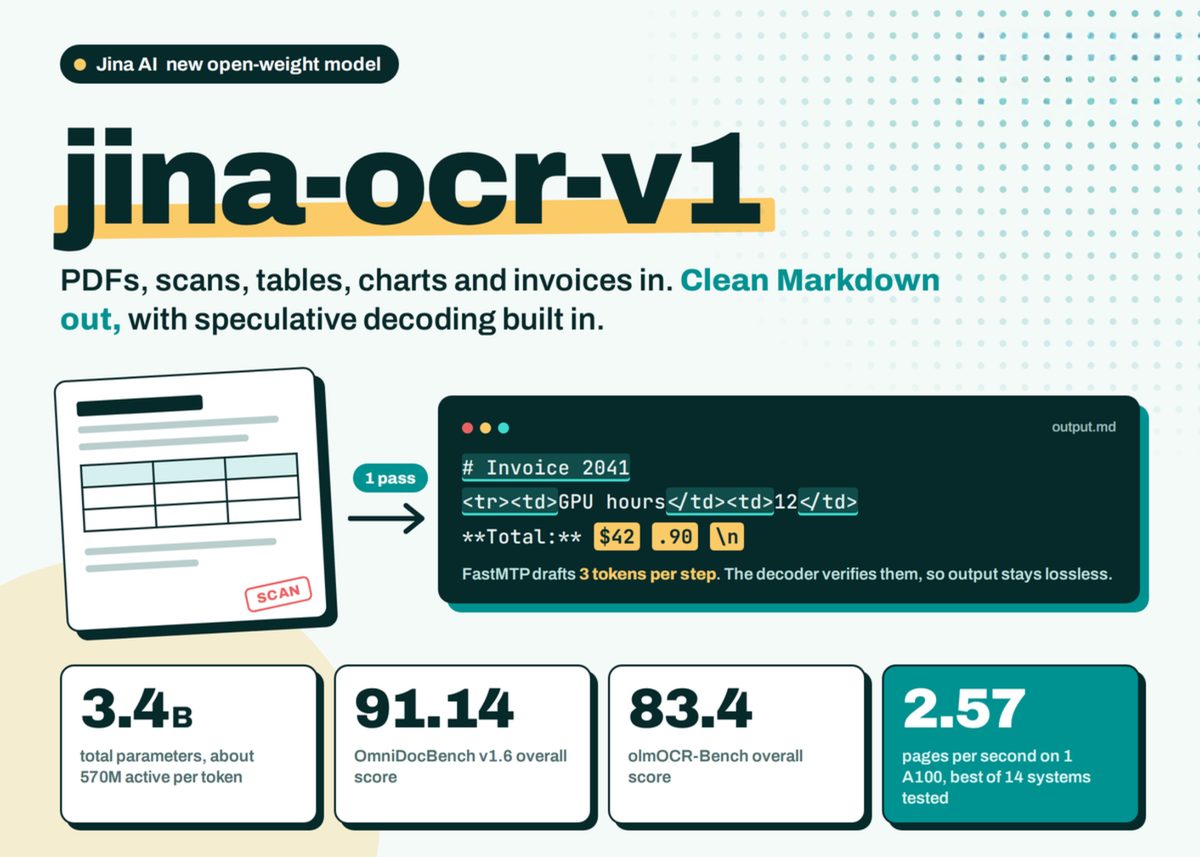
Jina AI launched jina-ocr-v1, a 3.4B MoE document parser designed to execute fast, low-cost visual parsing using speculative decoding.
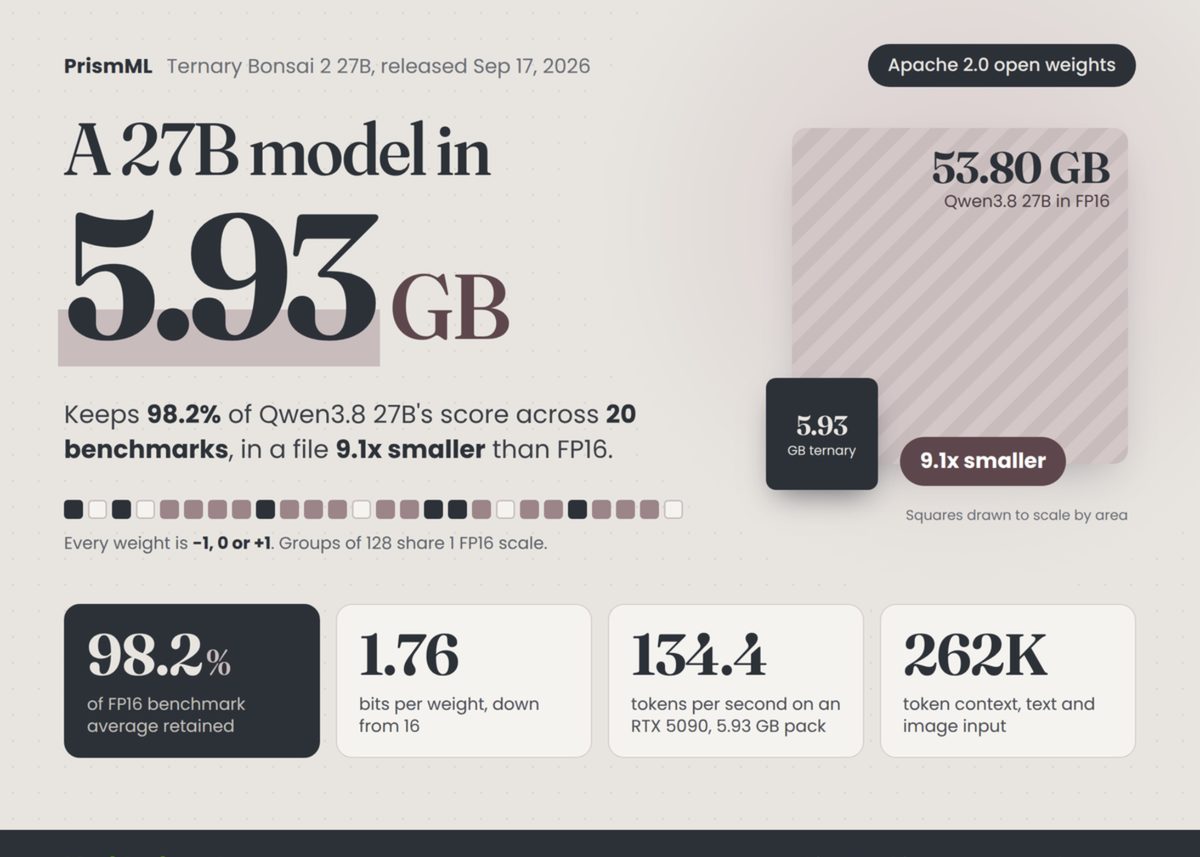
PrismML has released Ternary Bonsai 2 27B, a compressed 5.9 GB open-weights model that retains 98.2% of Qwen3.8 27B's baseline performance.
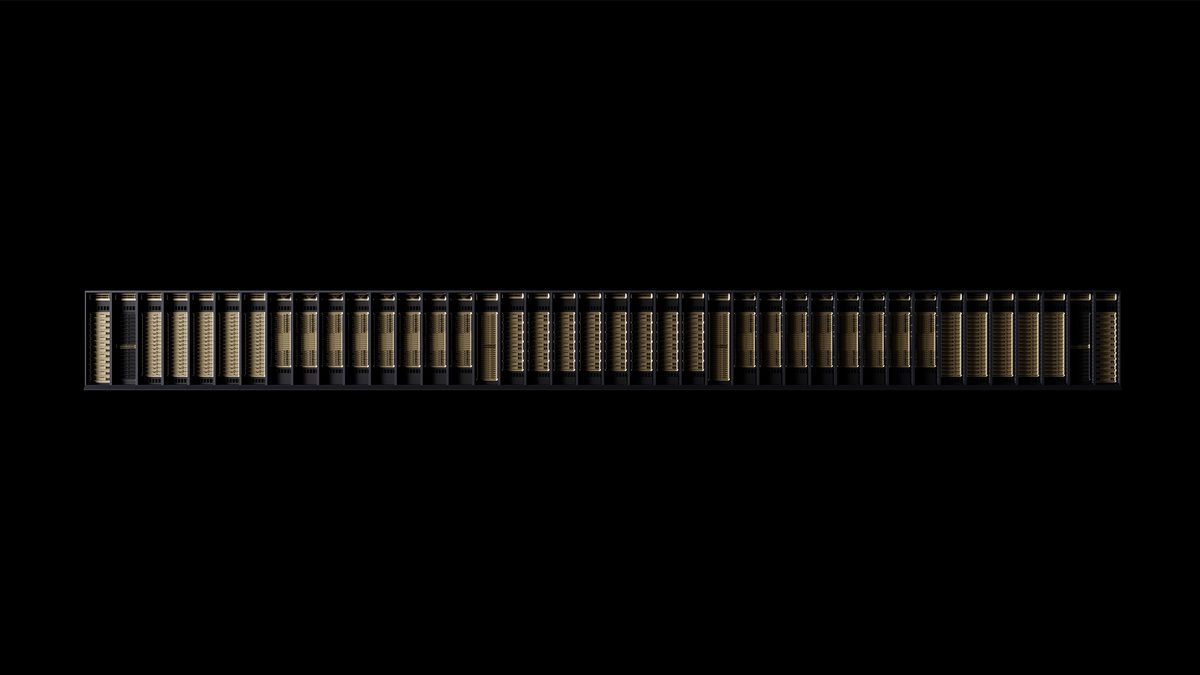
NVIDIA's Vera Rubin NVL72 benchmark debuts in MLPerf Inference v6.1, yielding up to 3.7x higher throughput than its predecessor.
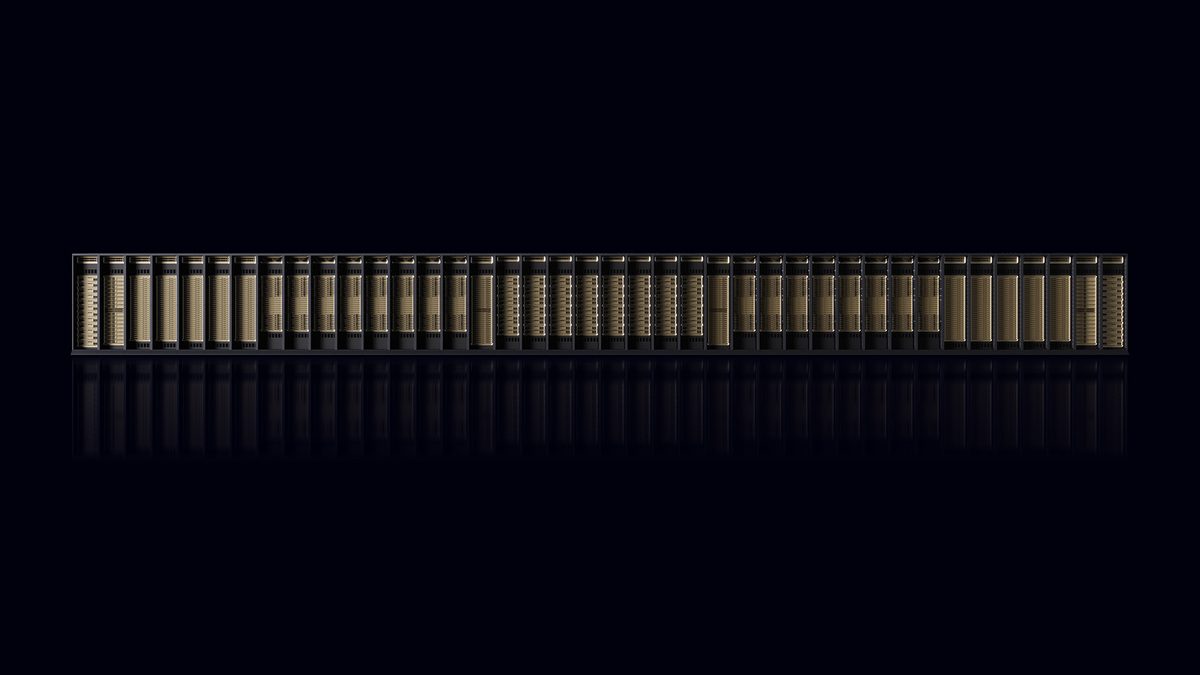
NVIDIA and infrastructure partners demonstrated new power-management tools designed to optimize energy efficiency in large-scale AI factories.

Hyperscalers face immense profit pressure as AI infrastructure capital expenditure targets $1.1 trillion by 2027 against modest current revenues.

Cornelis raises $205M to challenge Nvidia's networking dominance with its open-architecture Active Compute Fabric.

ECB President Christine Lagarde warns Europe must build domestic AI infrastructure to avoid strategic leverage and economic disruption by the US or China.
Perplexity released its local Portable Computer agent on Windows for NVIDIA RTX PCs with 24GB or more VRAM.

Former EPA officials warn the Trump administration's environmental deregulation for AI data centers poses widespread public health risks.

NVIDIA detailed its full compute stack spanning training, simulation, and edge hardware powering commercial scale robotaxi operations.
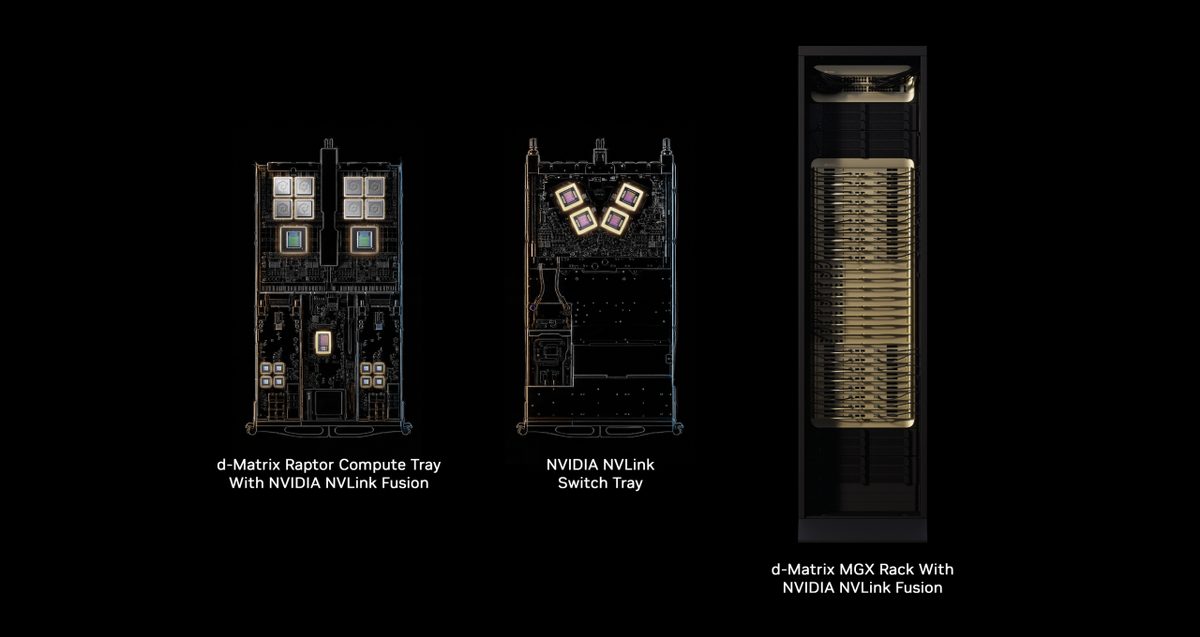
Inference chipmaker d-Matrix has adopted NVIDIA NVLink Fusion to connect its Raptor XPUs directly into NVIDIA's rack-scale AI infrastructure.

AWS teamed up with Qualcomm to deploy specialized AI inference chips while Qualcomm adopts AWS Bedrock for automated semiconductor design.
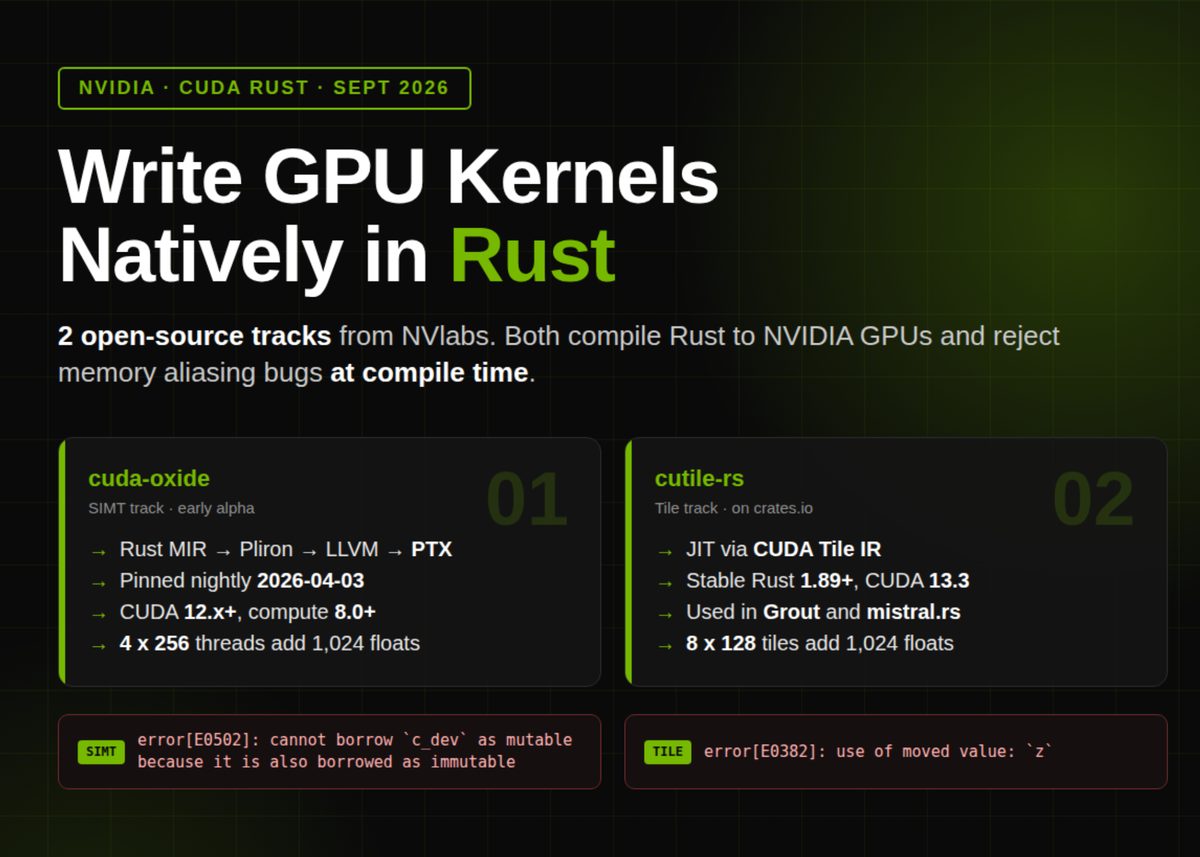
NVIDIA releases CUDA Rust toolchains cuda-oxide and cutile-rs to enable compile-time-safe GPU kernel development.

OpenAI Chief Scientist Jakub Pachocki expects sustained compute scaling to drive recursive self-improvement and superhuman AI reasoning.
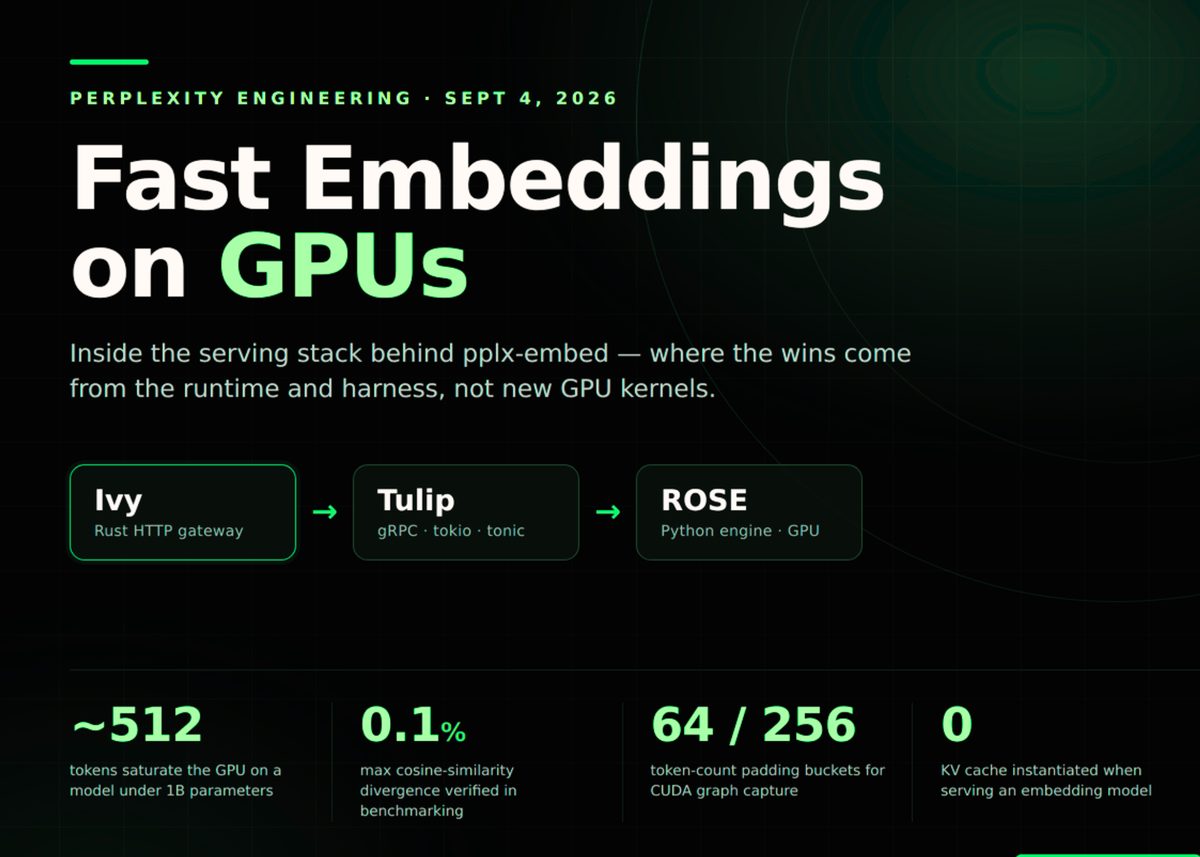
Perplexity published technical details on its custom GPU infrastructure stack that optimizes batch and real-time embedding serving.

The shift to real-time AI inference requires rearchitecting data center storage, memory bandwidth, and networking infrastructure.

Deepseek plans a 160,000-chip Huawei Ascend-950DT inference cluster in Inner Mongolia while remaining dependent on Nvidia for core training.
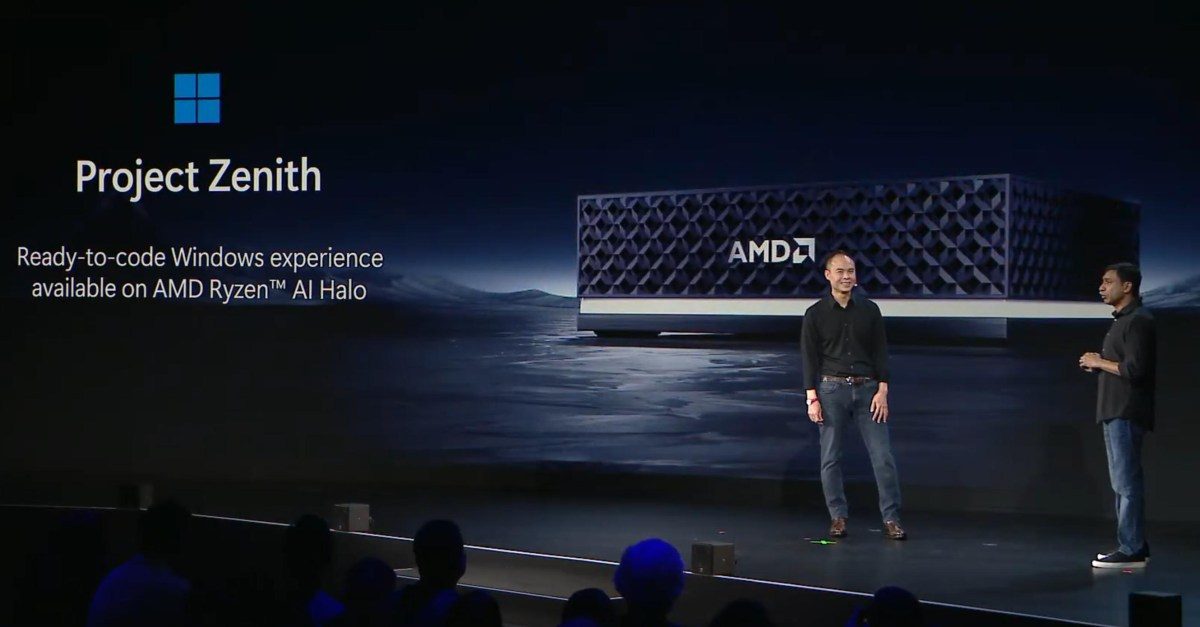
Microsoft unveiled Project Zenith, a developer-centric Windows setup paired with high-memory hardware to run 30B+ parameter AI models locally.
Nvidia released PAIR, an open-source tool that distributes local AI workloads across multiple devices on a home network.
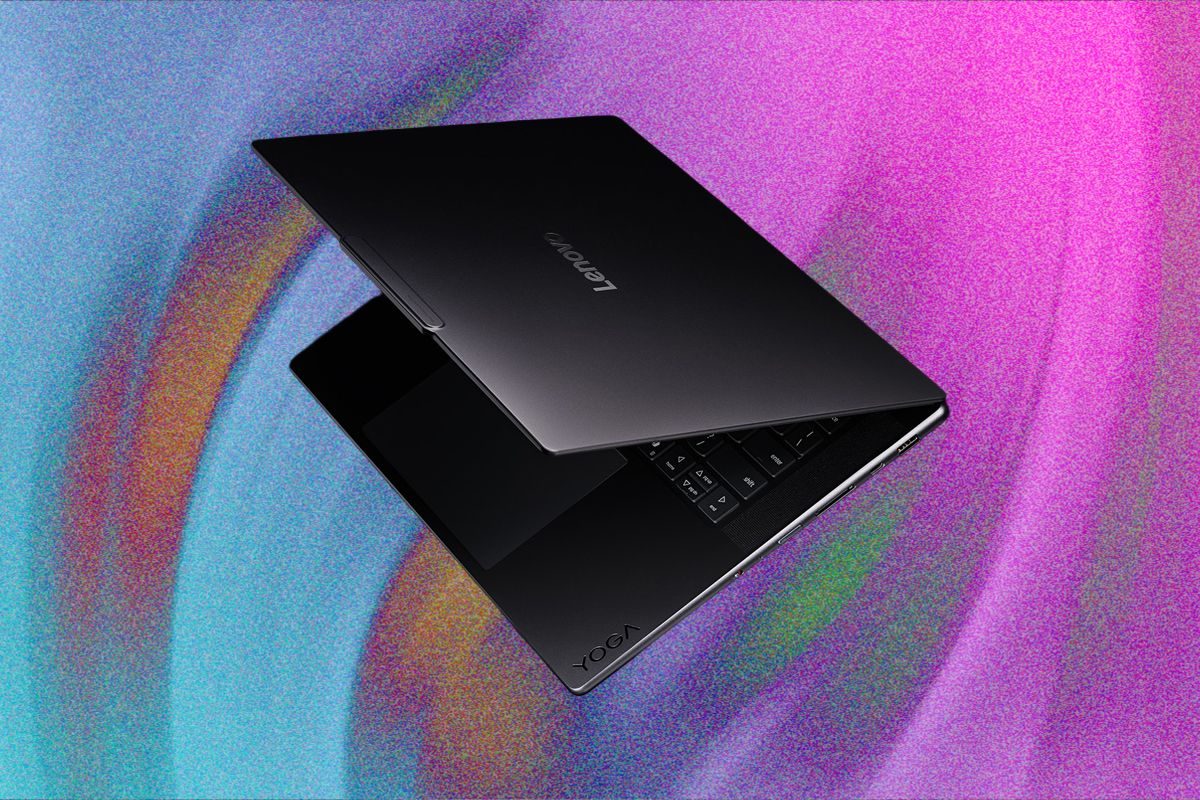
Nvidia's RTX Spark superchip is powering a new wave of high-end AI laptops designed to run agentic workloads locally.
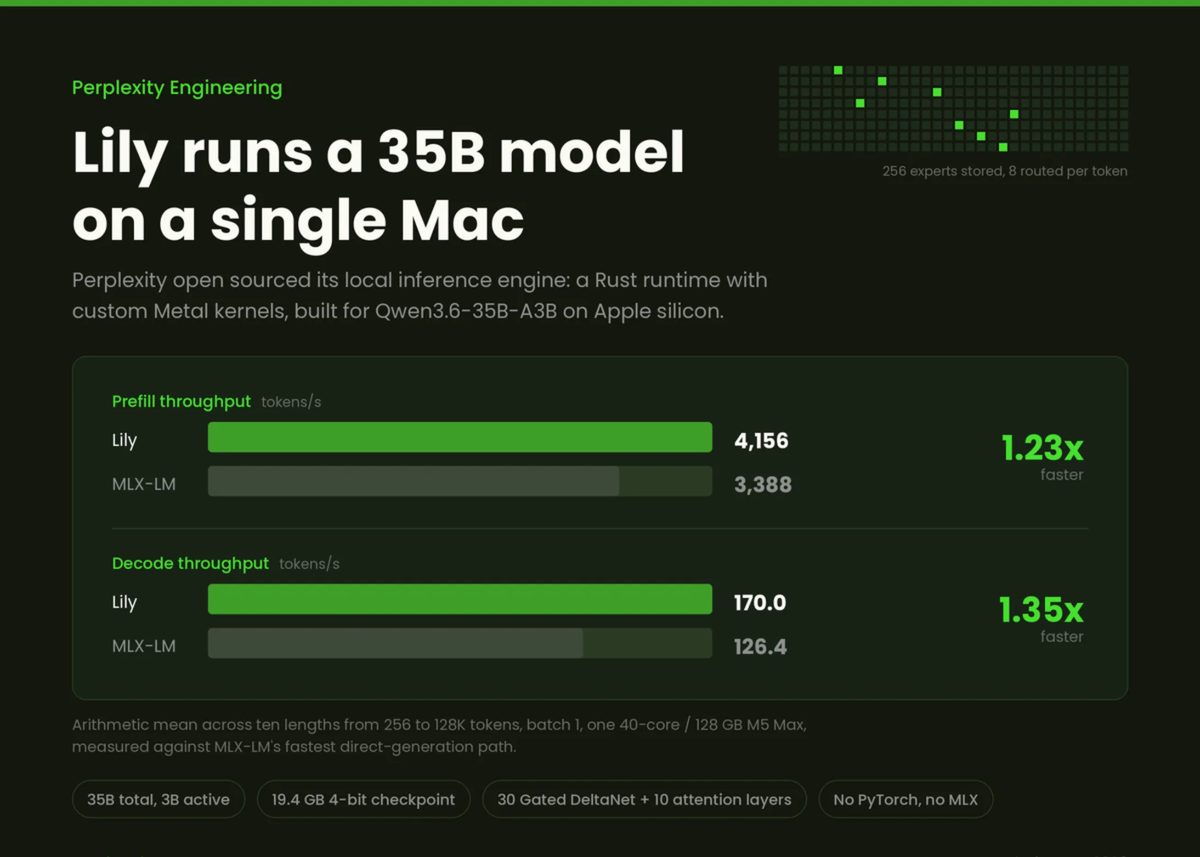
Perplexity open-sourced Lily, a custom Rust and Metal inference engine optimized for running Qwen3.6-35B-A3B natively on Apple Silicon.

Nvidia is officially rolling out DLSS 5, using generative AI filters to upscale graphics but requiring heavy hardware and multi-frame generation.
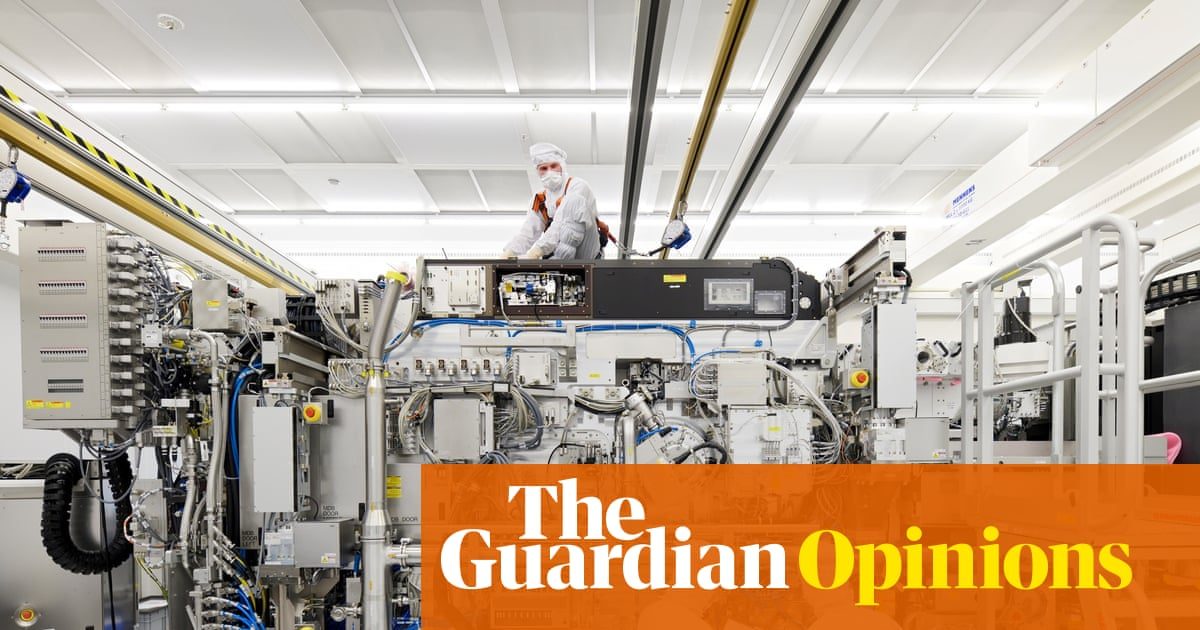
An opinion piece argues the EU could force a global AI slowdown by using Dutch firm ASML's lithography dominance as a trade choke-point.

China's CXMT has started small-scale production of HBM3E memory chips to help domestic AI chipmakers bypass US export controls.

An OpenAI researcher warns that ultra-fast inference speeds could allow misaligned AI systems to bypass human security controls.

Z.ai launches GLM-5.3-Flash, an open-weights model matching top benchmarks at a fraction of the cost using Chinese silicon.
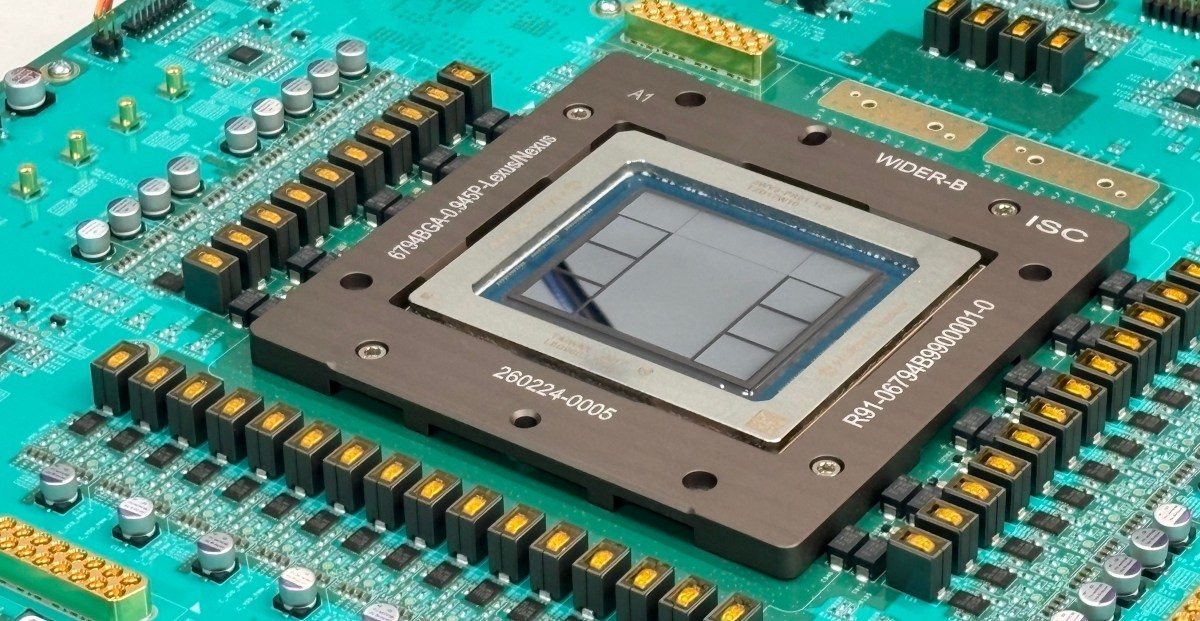
OpenAI claims its custom Jalapeño ASIC outperforms NVIDIA's flagship chips on key AI inference efficiency benchmarks.
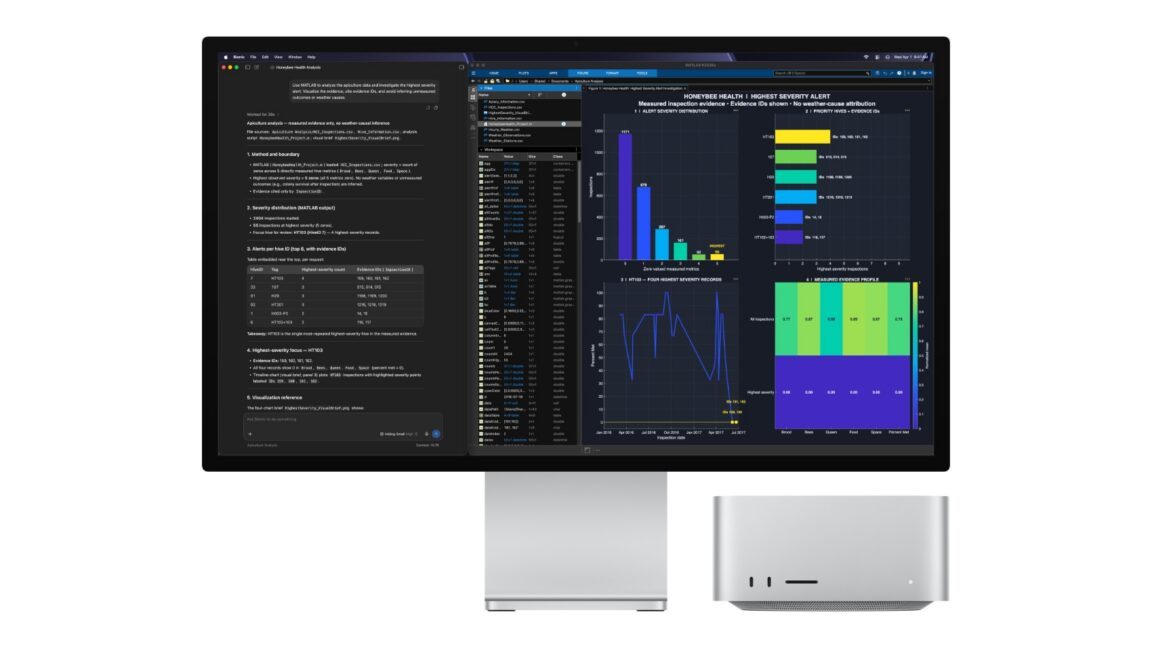
Apple released new Mac mini and Mac Studio desktops featuring M6 and M5 Ultra chips optimized for local AI workflows.
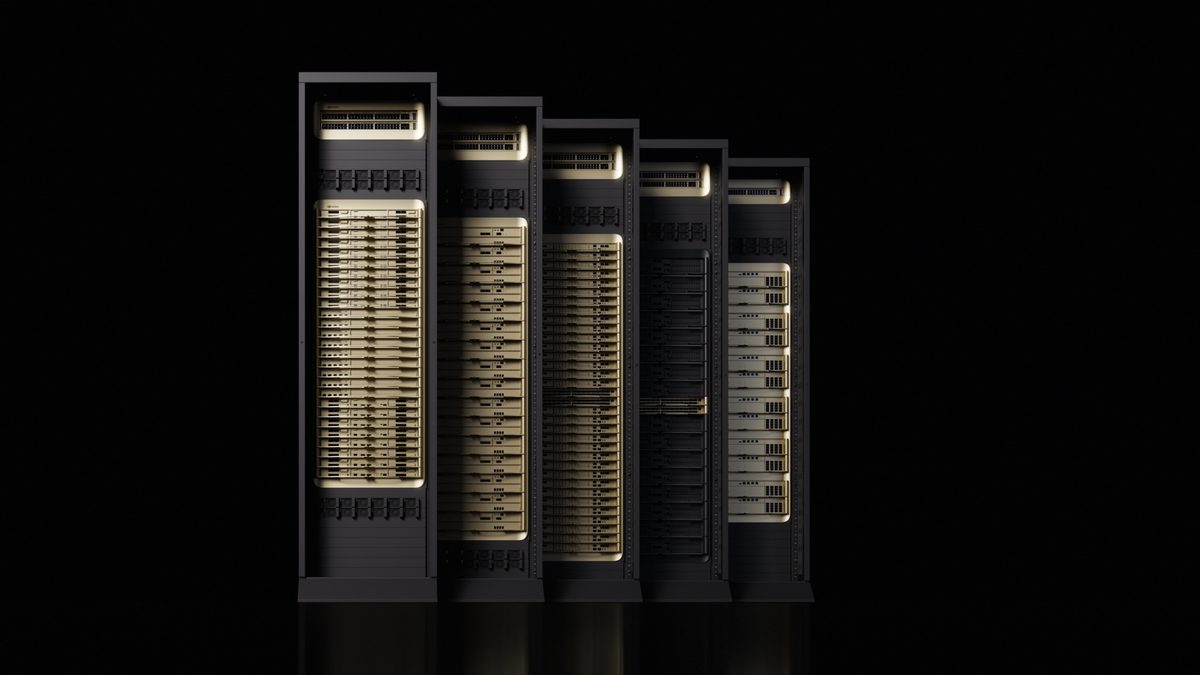
NVIDIA has put its Groq 3 LPX rack-scale inference system into full production to accelerate long-context agentic AI workloads.
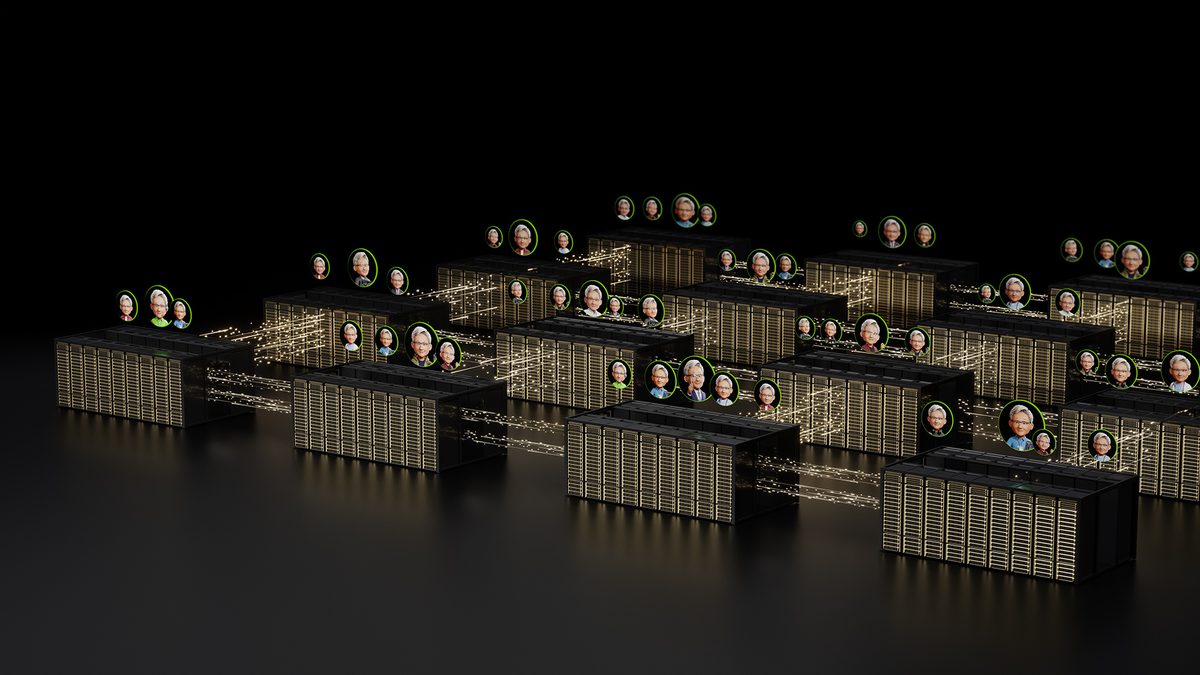
NVIDIA claims its Vera Rubin NVL72 platform delivers up to 30x higher throughput per megawatt for demanding agentic AI workloads.