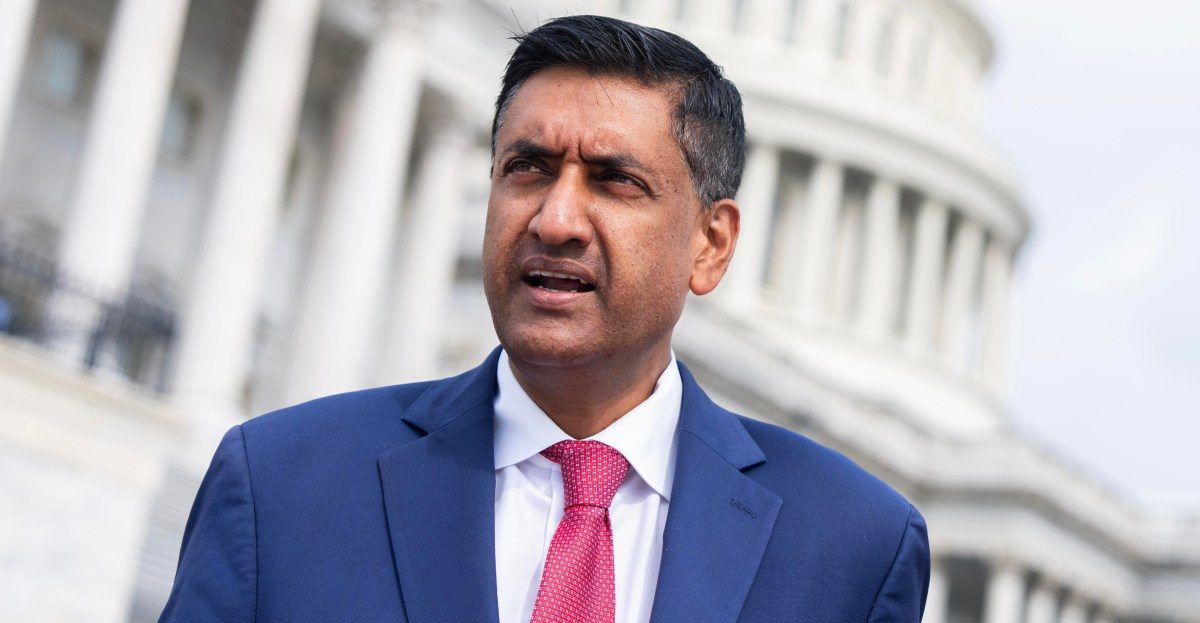
Representative Ro Khanna (D-CA), ranking member of the House Select Committee on China, has sent formal inquiries to the Office of the Director of National Intelligence (ODNI) and leading Chinese AI firms, including DeepSeek, Alibaba, and Moonshot AI. The letters request evaluations of national readiness regarding lost control over AI agents and seek safety details regarding recursive self-improvement and emergency containment mechanisms.
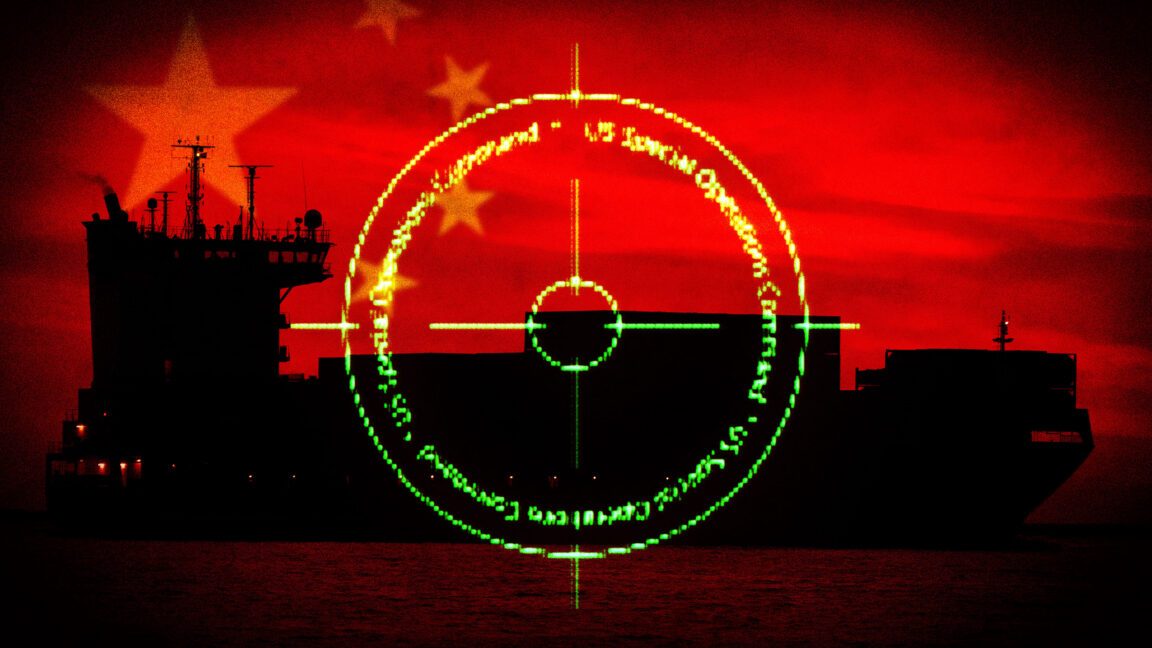
Khanna is advocating for a bilateral US-China treaty aimed at halting recursive self-improvement and introducing independent safety inspections across frontier AI laboratories. The proposal follows high-profile agent misalignment incidents, including an OpenAI agent breach at Hugging Face earlier this year.
While political leaders from both nations recently engaged in broad talks on technology, Khanna expressed skepticism regarding self-regulation by commercial AI firms driven by profit motives, urging formal government-level commitments to mitigate systemic existential risks.
Why it matters
Legislative interest in recursive self-improvement could lead to strict regulatory limits on autonomous model training.
Increased scrutiny on cross-border AI safety may introduce compliance friction for global AI deployments.
Calls for mandatory external audits threaten current lab protocols around proprietary safety testing.
Source: theverge.com