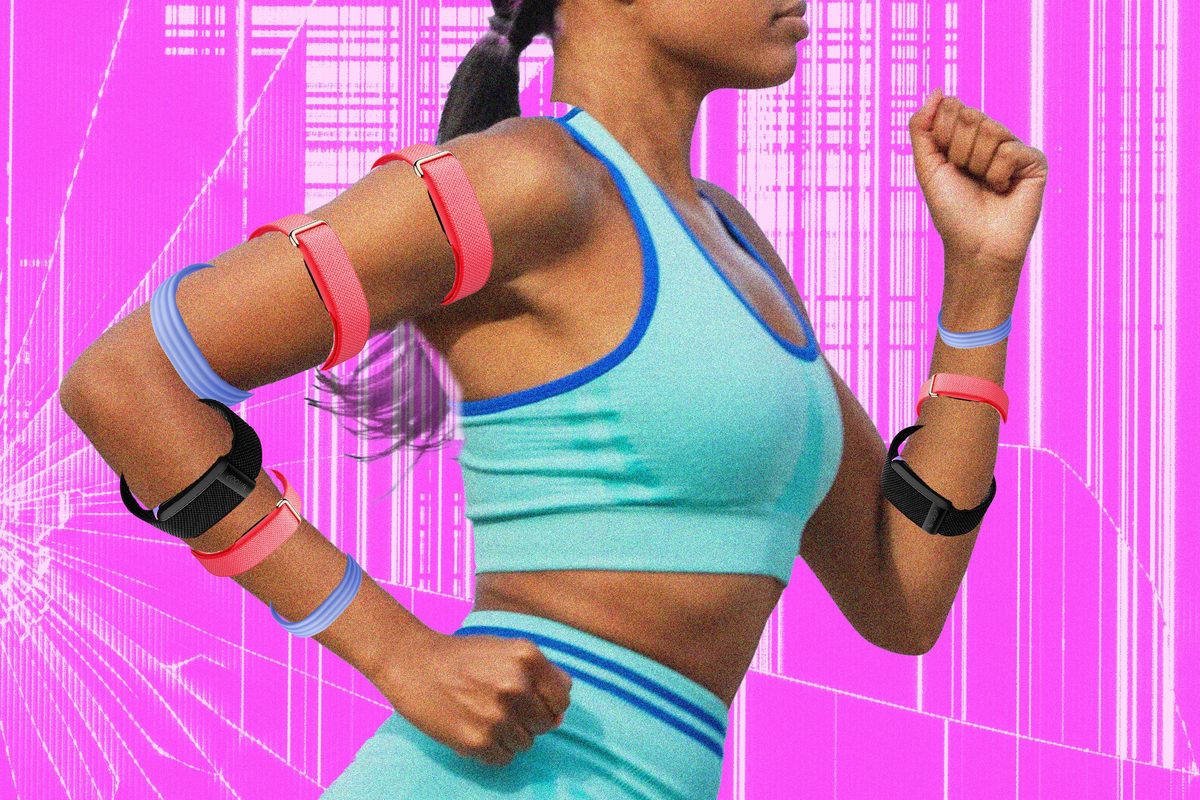
Hardware manufacturers are increasingly launching screen-free fitness wearables designed for background data collection rather than constant user engagement. Devices such as the Garmin Cirqa, Google Fitbit Air, Polar Loop, and Amazfit Helio Strap—alongside established player Whoop—are targeting consumers seeking to reduce screen time while retaining continuous biometric tracking.
Unlike traditional smartwatches that rely heavily on OLED displays and constant notification alerts, these simplified trackers focus entirely on core sensor suites like heart-rate monitors and accelerometers. According to reports from Bloomberg, Apple is also evaluating a screen-free concept to capture demand from users fatigued by invasive wrist notifications.
This shift reflects a broader strategy subtraction in consumer hardware design. By eliminating display power requirements and complex app ecosystems, manufacturers can deliver longer battery life and lower friction, repositioning wearables as ambient health monitors rather than mini-smartphones.
Why it matters
Consumer hardware trends are pivoting toward screen-free ambient devices focused on passive, low-friction data collection.
Digital fatigue is opening market opportunities for focused hardware startups taking on feature-bloated smartwatches.
Big tech entrants like Apple and Google are re-evaluating core wearable product lines to capture distraction-free wellness demand.
Source: wired.com