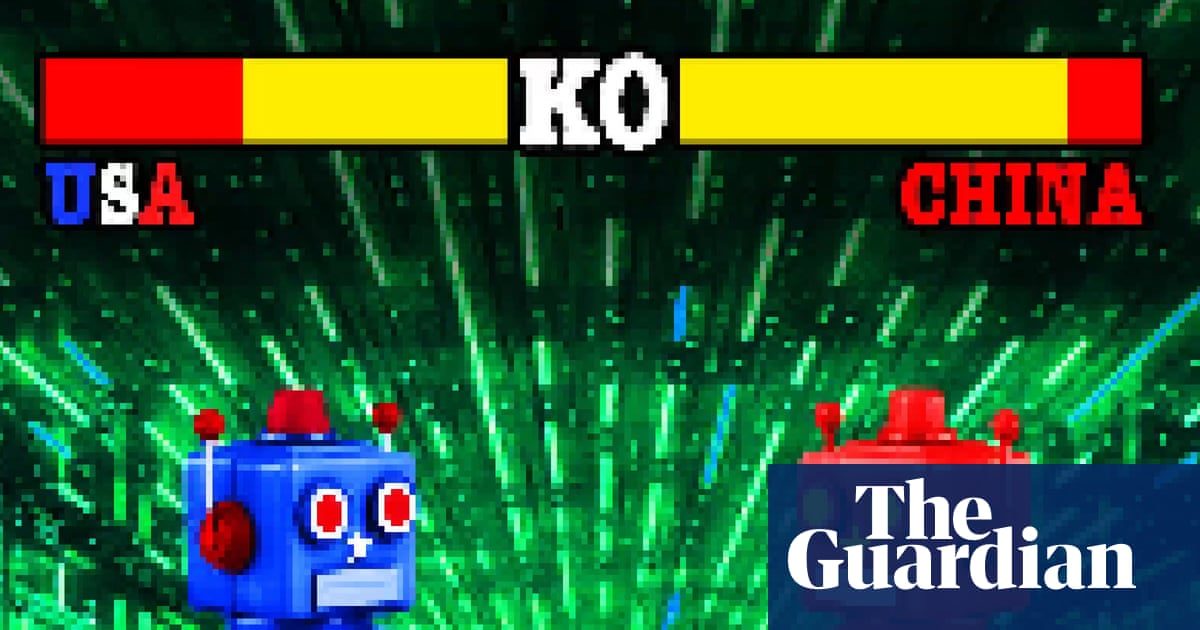
China is pushing back against proposals from U.S. AI leaders for a coordinated slowdown in frontier AI development, according to analysts and official statements. Following Anthropic CEO Dario Amodei’s call for a “worldwide pacing” of AI progress to maintain democratic leads, China’s foreign ministry responded that fearmongering and competition would disrupt global AI governance. Analysts note Beijing views slowdown demands as a strategic effort to preserve the U.S. technological advantage.
Despite rejecting U.S.-led pacing, China continues to develop its own safety measures. The country recently released the third iteration of its AI safety governance framework, which addresses agent risks, frontier model cybersecurity, and recursive self-improvement. Researchers highlight that Beijing shares concerns regarding loss of control, even as it treats AI as a vital national sovereignty capability.
The policy friction comes ahead of a meeting between President Donald Trump and President Xi Jinping in Washington, where AI governance is expected to be discussed. While both nations acknowledge frontier AI risks, differing views on export controls and strategic pacing make a bilateral regulatory agreement unlikely.
Why it matters
Geopolitical competition prevents global consensus on frontier AI development pauses, accelerating international model deployment.
China’s regulatory apparatus is actively establishing frameworks for advanced technical risks like autonomous agents and recursive self-improvement.
Source: theguardian.com