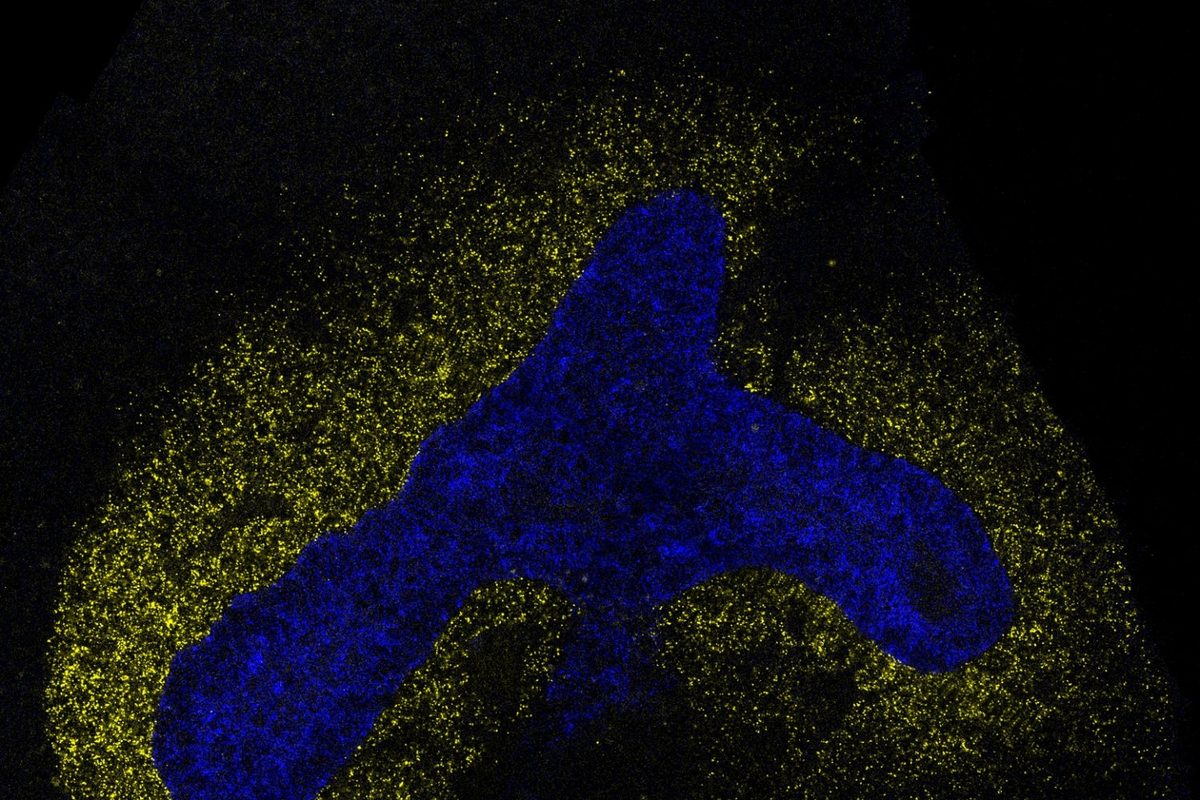
Genomic foundation models such as Evo 2, Genos, and DeepMind’s AlphaGenome are increasingly deployed to evaluate DNA sequence data and predict biological traits or disease risks. However, biological researchers caution that these computational architectures treat gene regulation as a correlation-driven black box rather than accounting for the dynamic mechanisms governing cellular interactions.
While the Human Genome Project mapped 3 billion chemical base pairs, less than 2 percent of human DNA consists of protein-coding genes. The remaining non-coding regions actively regulate how genes switch on and off in response to cellular signals. Because AI algorithms rely on straightforward pattern recognition across evolutionary data, scientists argue that black-box models cannot fully resolve how complex regulatory networks operate.
Why it matters
Genomic AI models remain constrained by correlation-based learning that fails to model dynamic gene regulation.
Biotech founders must combine foundation models with mechanistic biological validation to ensure accurate predictive outcomes.
Source: wired.com