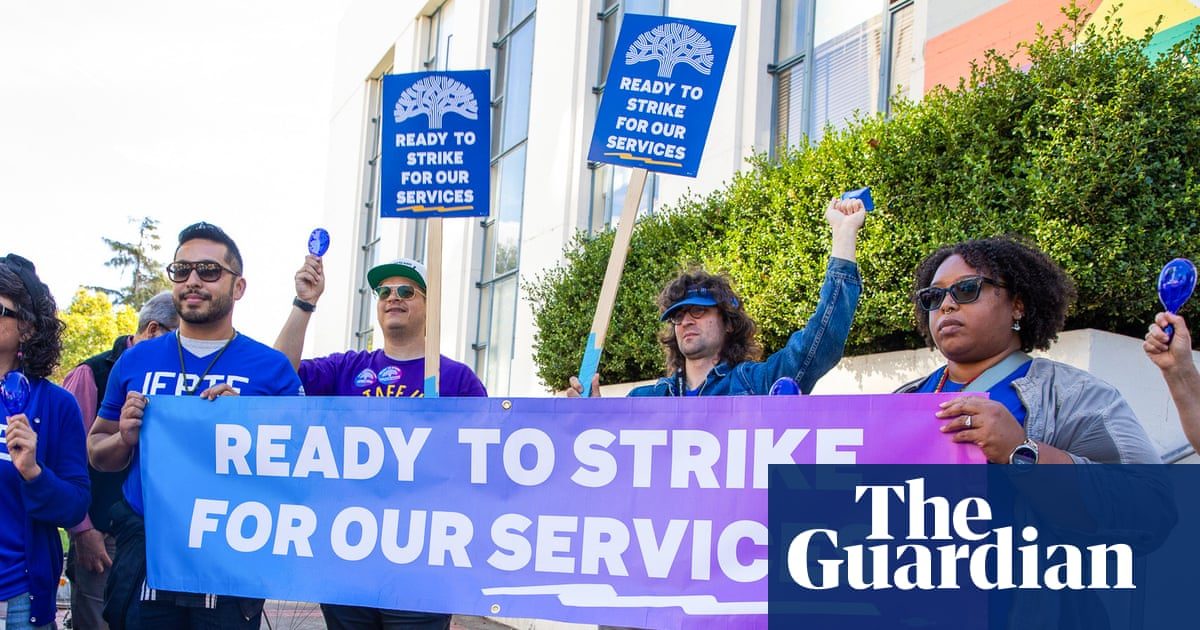
City workers in Oakland, California, reached a tentative three-year agreement securing protections against AI and automation deployment, averting a strike scheduled for November 5. Members of IFPTE Local 21 had previously voted 94.1% in favor of authorizing a strike due to concerns that AI tools could increase surveillance, misevaluate performance, or trigger layoffs.
The agreement requires the city government to retrain or reassign workers displaced by AI technologies rather than terminating their employment. Union representatives emphasized that while government management shows high interest in implementing AI, public sector unions are utilizing collective bargaining to mandate operational guardrails that legislative policy has failed to keep pace with.
The Oakland dispute reflects a growing national trend among public and private labor organizations fighting workplace monitoring tools and job displacement. According to an Ernst & Young survey cited in the report, nearly 70% of state and local government agencies reported adopting or implementing generative AI tools by August 2026.
Why it matters
Enterprise and public sector AI deployments face mounting union resistance and mandatory retraining contractual obligations.
Employers using AI performance-monitoring software (“bossware”) face increasing legal and labor friction over surveillance and firing terms.
Contract negotiations are setting binding AI operational guardrails faster than government policy frameworks.
Source: theguardian.com