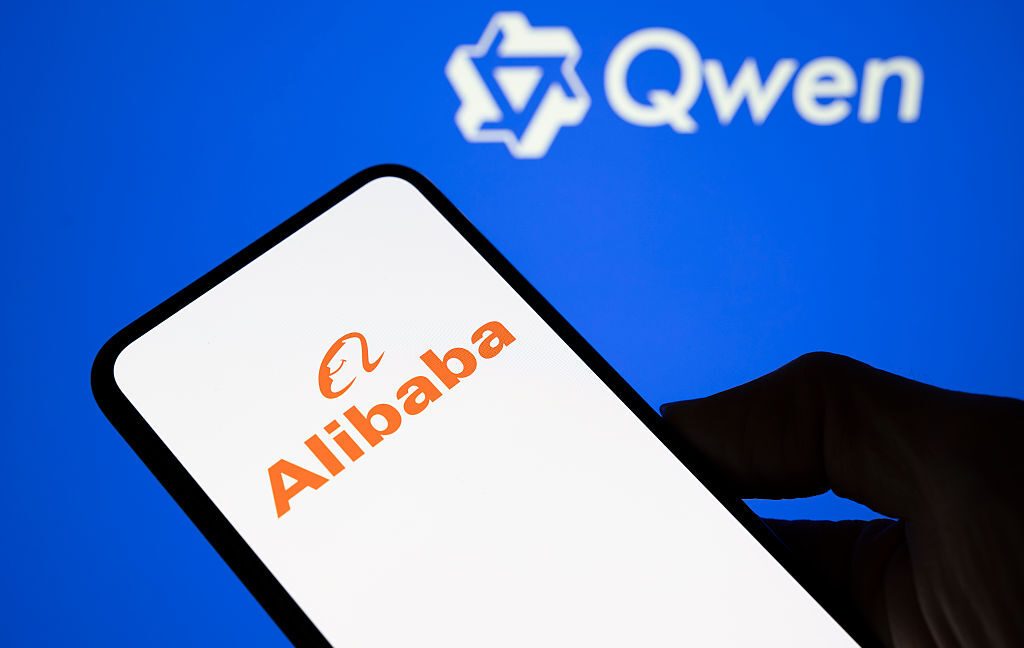
US government officials removed a Chinese AI search tool powered by Alibaba’s Qwen model from the Federal Register website on September 17, 2026, following public scrutiny. The deployment sparked backlash after social media users highlighted a contradiction between the National Archives using the tool and recent FBI allegations that Alibaba engaged in industrial-scale distillation of US frontier models.
Industry experts noted that the specific deployment relied on a small, open-weight Qwen3 0.6B model running locally to retrieve public document comments, meaning it did not process sensitive government data or transmit information to Alibaba. Local deployment provides agencies with greater data control and lower operational costs compared to external API queries.
Despite low security risks, policy analysts described the incident as an operational disconnect given recent FBI guidance encouraging stakeholders to stick exclusively to American models. US policymakers are now grappling with whether open-source Chinese models controlled locally by American institutions should face strict regulatory restrictions.
Why it matters
Local deployment of open-source models gives enterprises control over data privacy, making even foreign open-weight architectures attractive.
US government policy remains conflicted on whether locally hosted foreign open-source models constitute a national security threat.
Source: arstechnica.com