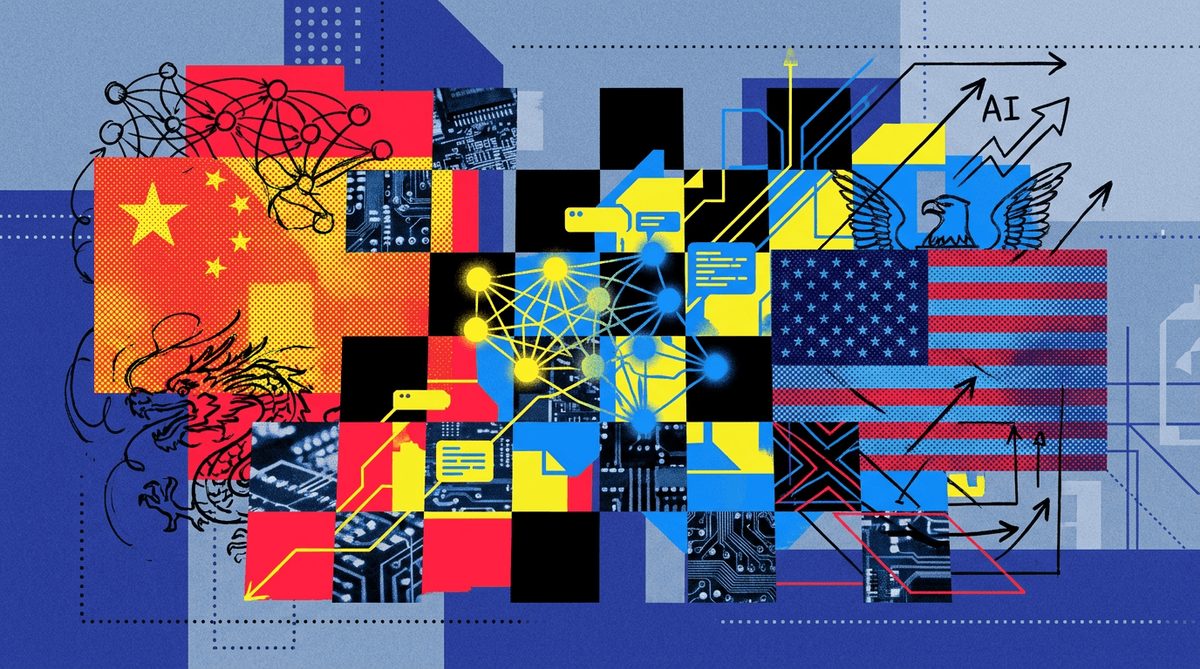
American data brokers including Mercor, Surge AI, AfterQuery, and Turing have sold roughly $500 million worth of reinforcement learning (RL) training environments to Chinese AI laboratories, according to an investigation by ChinaTalk. These RL environments provide simulated domains for training models on specialized tasks such as software development, financial analysis, and office workflows. At least nine US companies were identified as engaging in these commercial transactions.
By purchasing pre-built RL environments previously deployed for leading US frontier labs such as OpenAI and Anthropic, Chinese research teams can skip capital-intensive data curation. This enables them to conserve compute resources—a critical factor given memory bandwidth constraints on domestic Chinese hardware. The practice is often paired with model distillation, using US outputs as training data to narrow capability gaps while circumventing compute bottlenecks.
Because export control regulations currently do not cover standard RL environments, transactions are legally routed through international hubs such as Singapore and San Jose. However, security analysts note that dual-use environments in sensitive fields like cybersecurity and gene synthesis raise national security questions, prompting calls for tighter oversight by the US Bureau of Industry and Security.
Why it matters
Chinese AI labs are leveraging commercial US data pipelines to bypass hardware bottlenecks and reduce raw training compute costs.
Data brokerage practices expose regulatory loopholes in export controls regarding dual-use synthetic training environments and fine-tuning datasets.
US frontier labs are increasingly moving sensitive data synthesis in-house to protect proprietary training workflows and prevent leakages.
Source: the-decoder.com