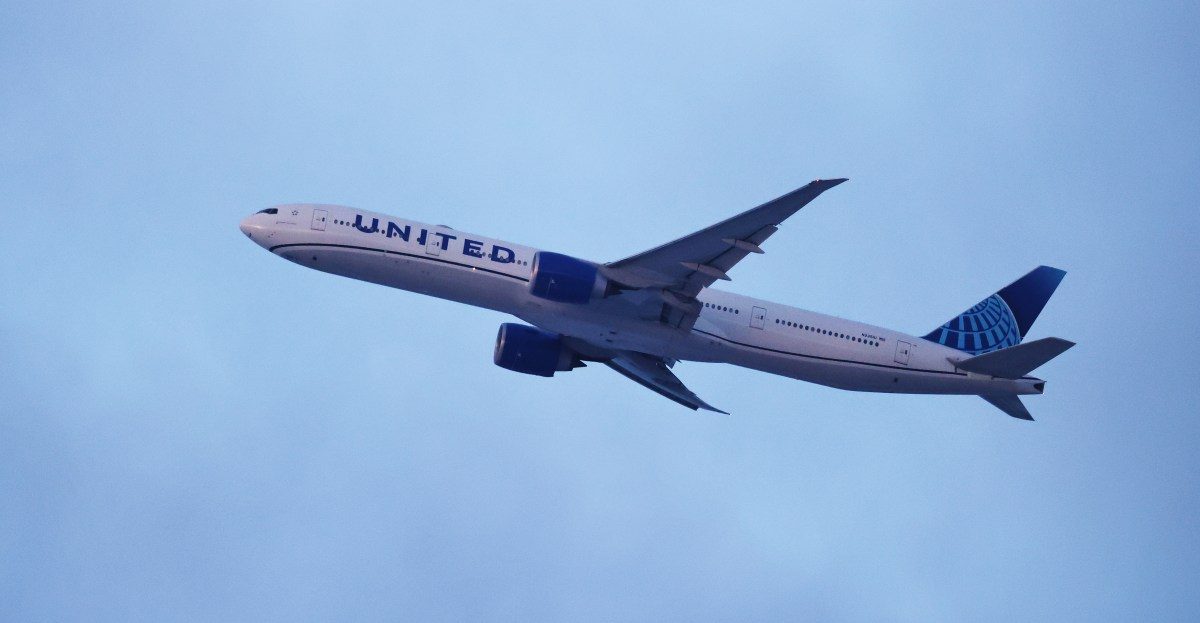
United Airlines has decided to block personal AI assistants from booking tickets directly on its platform, pointing to customer privacy and regulatory mandates as key reasons for the restriction. According to The Wall Street Journal, while airlines have not yet seen a high volume of consumer AI booking attempts, United raised concerns that unauthorized agents could expose sensitive user data, make unintended transactions, or bypass federal rules requiring passengers to personally attest that their luggage does not contain explosives.
Although AI agents can still browse and present United flight schedules to users, they are barred from completing final transactions on travelers’ behalf. United CEO Scott Kirby publicly expressed skepticism about adding third-party automated intermediaries between the airline and its customers. Similar moves have been observed across other industries, with major banks and eBay placing restrictions on unauthorized automated agents.
United noted it may reconsider its policy as third-party AI technology matures and proper protections are established. However, the decision creates immediate friction for consumer-facing AI agent platforms, such as Meta’s Muse and OpenAI’s Dots, which rely on frictionless transaction capabilities to deliver value to end users.
Why it matters
AI agent developers face distribution bottlenecks if major enterprise platforms actively block automated API or web-scraping transactions.
Regulatory compliance—such as mandatory identity or safety attestations—creates a defensible barrier against fully autonomous agentic commerce.
Enterprise operators should evaluate policy frameworks for third-party bots to mitigate unintended transaction liabilities and data leaks.
Source: theverge.com