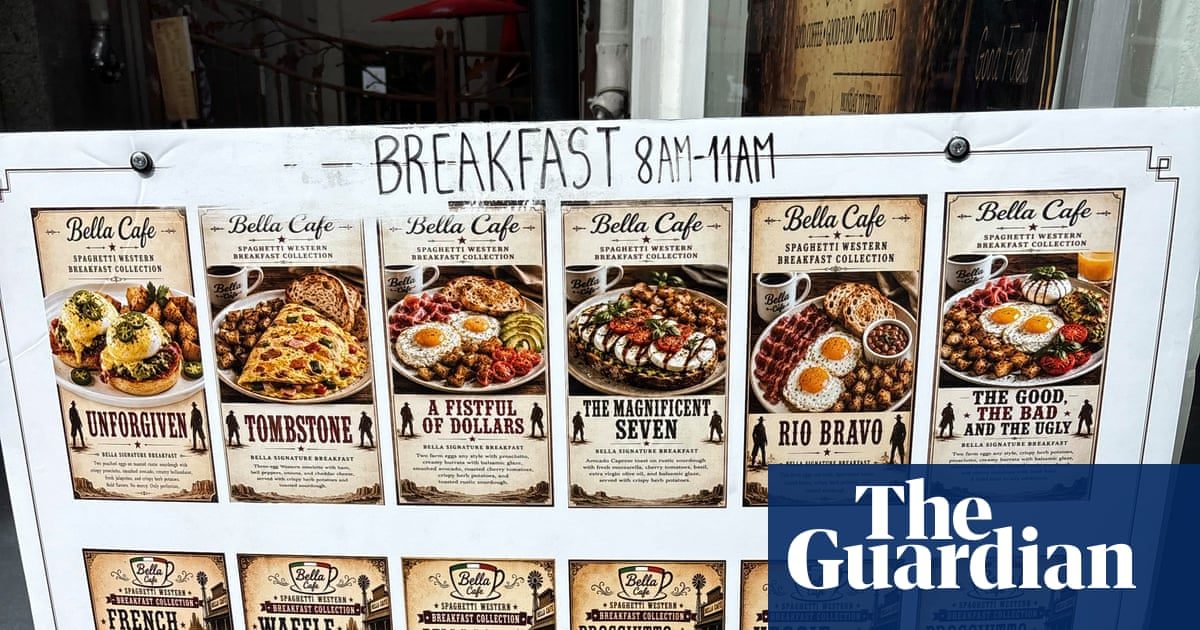
Restaurants are facing widespread consumer backlash after using AI-generated food images on menus and promotional materials. Diners have taken to social media to criticize unappetizing render errors, such as meat resembling leather or bread textured like reptile skin. Despite the negative reactions, budget-conscious operators are turning to generative tools to avoid traditional design costs during a period of high labor and food expenses.
According to a 2026 report from the National Restaurant Association, 26% of restaurant operators currently use AI for operational tasks, including marketing, menu optimization, and order taking. However, public missteps demonstrate the risks of customer-facing implementations. In one instance, a San Francisco cafe removed its AI signage after the storefront was vandalized, spending $700 to restore the facade following online criticism.
Industry experts caution that while automated back-end systems offer clear efficiency gains, visible AI assets can alienate diners. Industry leaders note that consumers quickly recognize low-quality artificial media, advising food businesses to keep AI implementations invisible to maintain brand trust.
Why it matters
Customer-facing generative AI assets can cause significant brand backlash if output quality falls short of consumer expectations.
Startups building marketing AI must focus on domain-specific realism to prevent uncanny visual artifacts in high-sensory industries.
Back-office operations present lower risk and higher immediate value for SMB AI adoption compared to customer-facing media.
Source: theguardian.com