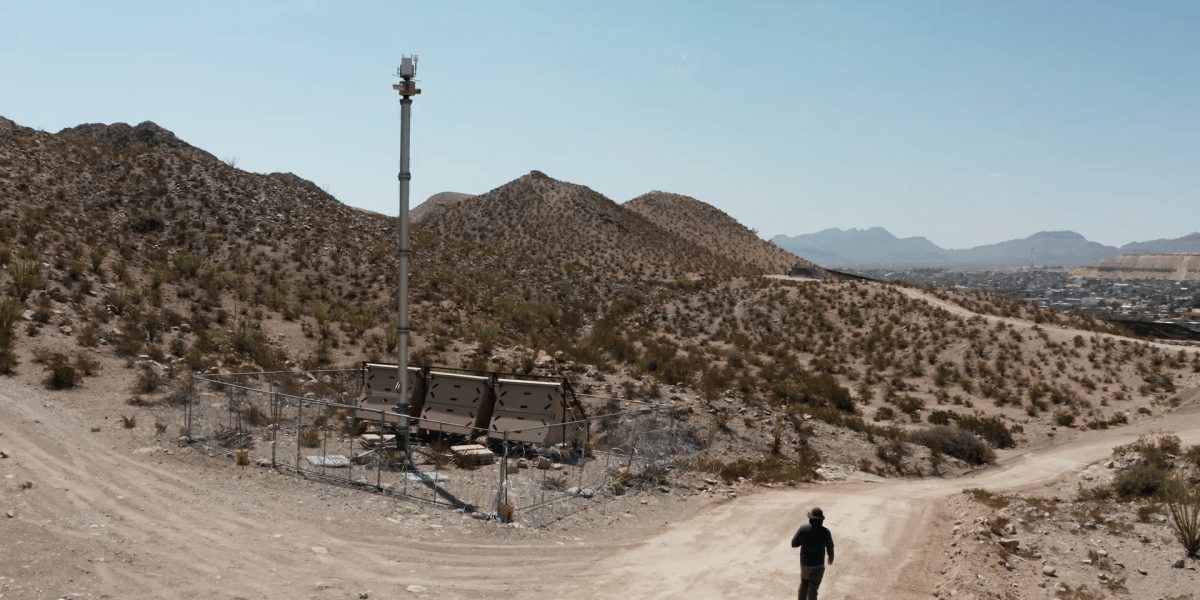
A joint investigation by MIT Technology Review and Times of San Diego demonstrates significant operational breakdowns in the US government’s automated border surveillance network. By cross-referencing nearly 4,000 recorded location points of human remains with the coordinates of roughly 600 surveillance towers, researchers found widespread instances where individuals died of exposure well within the line of sight and operating range of advanced monitoring hardware.
The investigation highlighted the case of José Morales Bernal, who died within 360 feet of an AI-equipped tower built by Anduril. Despite the tower’s automated detection features and direct alert pipelines to agent devices, local landfill workers—rather than Border Patrol personnel or automated alerts—eventually spotted the body hours later. The findings point to ongoing gaps between automated situational awareness capabilities and real-world emergency responses.
Why it matters
Demonstrates critical gaps in autonomous alert pipelines and human-in-the-loop operational integration.
Challenges marketing assertions regarding the efficacy of automated situational awareness solutions.
Increases regulatory and civic oversight for government autonomous surveillance procurements.
Source: technologyreview.com