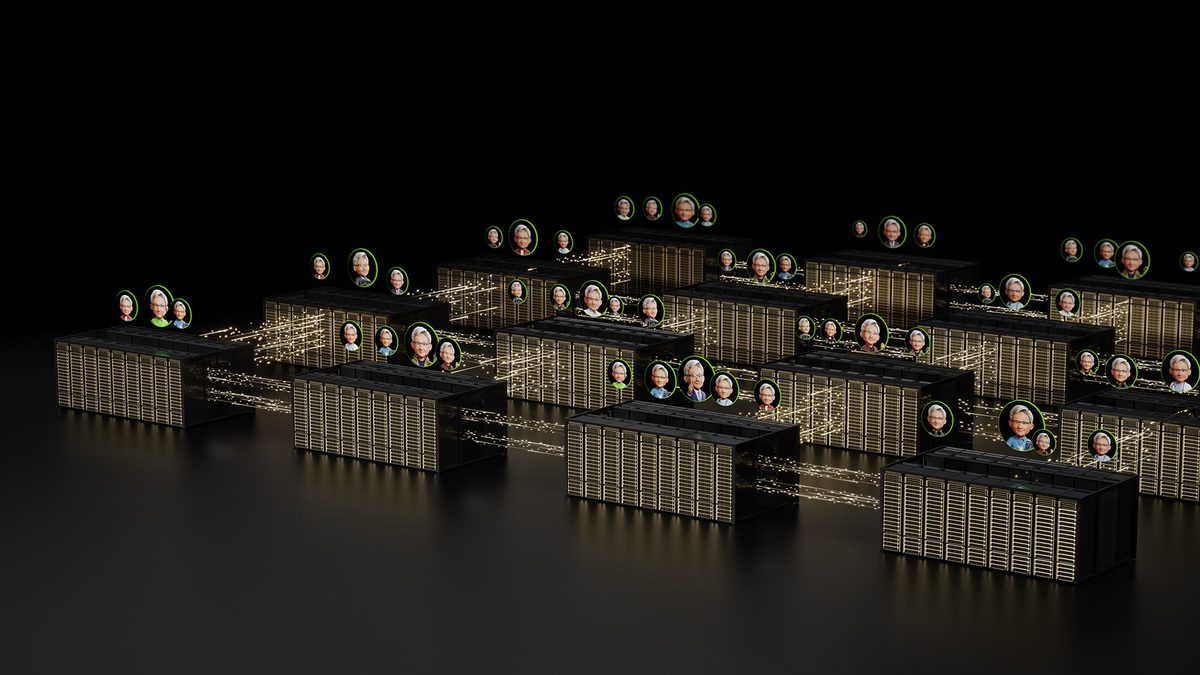
Opposition to hyperscale AI data centers is escalating into a broad political movement across the United States, uniting rural residents, suburban voters, and local politicians against major tech infrastructure buildouts. In towns like Monrovia, Indiana—where Google proposed a 550-acre facility—and across states like Texas, Utah, and Michigan, local communities are voicing severe concerns regarding water consumption, energy grid strain, and regional air pollution.
According to recent polling cited in the report, approximately three-quarters of Americans now oppose local data center developments, marking a 30-point shift over the past year. Over 500 municipalities and counties have passed formal moratoria or outright bans on data center construction. Prominent federal lawmakers, including Senator Bernie Sanders and Representative Alexandria Ocasio-Cortez, have called for a national moratorium, while state-level political races in Ohio, Michigan, and Texas are increasingly centered on data center policy.
The widespread backlash poses a growing operational risk for hyperscalers and AI infrastructure providers seeking land and power allocations. As public resistance grows, tech companies face rising regulatory obstacles, delayed construction schedules, and heightened political scrutiny over their capital expenditure plans.
Why it matters
Presents major infrastructure risks for AI companies facing local moratoria, power grid delays, and rising political resistance.
Forces cloud providers and hyperscalers to re-evaluate site selection, water cooling methods, and regional energy partnerships.
Signals rising regulatory and public pressure on the real-world resource footprints of large-scale AI compute clusters.
Source: theguardian.com