Meta and OpenAI are developing new hardware devices designed around interactive, customizable AI agents to overcome previous consumer market failures in dedicated AI hardware. OpenAI is partnering with former Apple designer Jony Ive on a physical device expected no earlier than February 2027, according to regulatory filings.
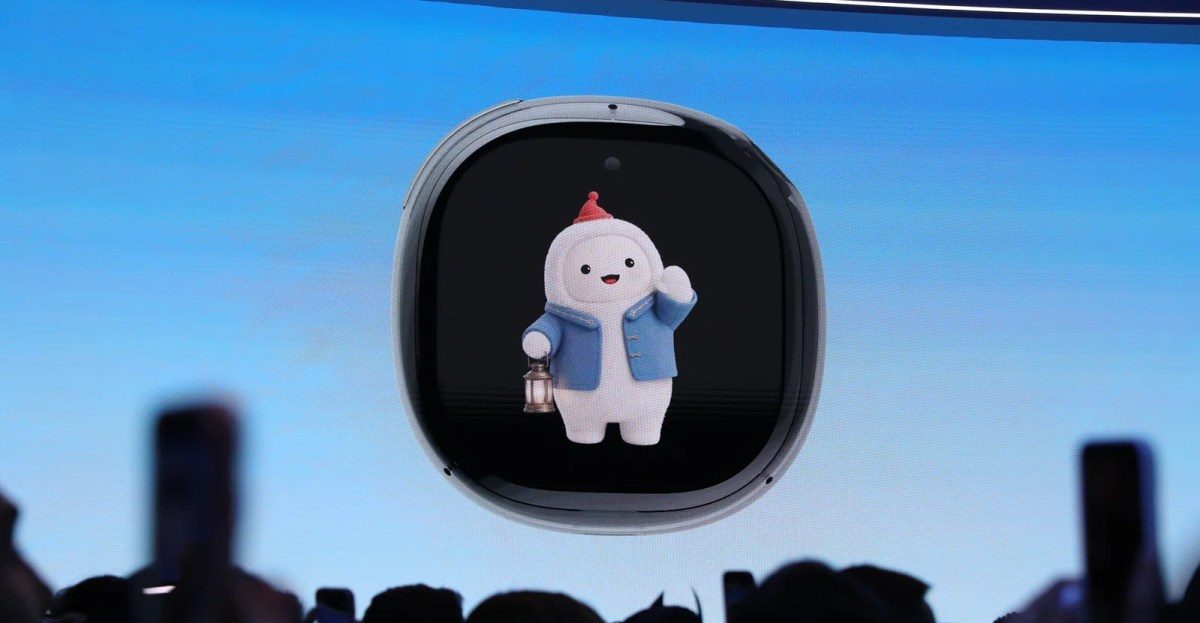
Meta plans a faster consumer release, targeting this year’s holiday shopping season for the launch of its pendant-style device called the Muse Charm. The device features a dedicated screen displaying Meta’s Muse agent, offering visual interaction and fast voice processing in a wearable form factor.
Both companies are leveraging software agents—such as OpenAI’s newly announced Dots platform and Meta’s Muse—to build user engagement before scaling physical hardware distribution. Leaders at both firms argue that habituating users to proactive personal assistants will soften resistance to dedicated wearable hardware.
Why it matters
Software agent engagement is becoming the primary pre-launch strategy to drive consumer demand for dedicated AI hardware.
Consumer adoption of wearable AI hinges on delivering consistent productivity benefits alongside highly engaging user interfaces.
Source: theverge.com