Singapore-based developer Zerra DC has proposed a $31 billion, 725-hectare data center near Dalby, Queensland, designed to power Anthropic’s Claude AI model. If constructed, the facility would be Australia’s largest data center, requiring a peak power capacity of 2.16 gigawatts—equivalent to roughly a quarter of the state’s total energy demand. The developer states the project will create approximately 1,400 long-term jobs and utilize a low-water cooling system with water demand comparable to an average shopping center.
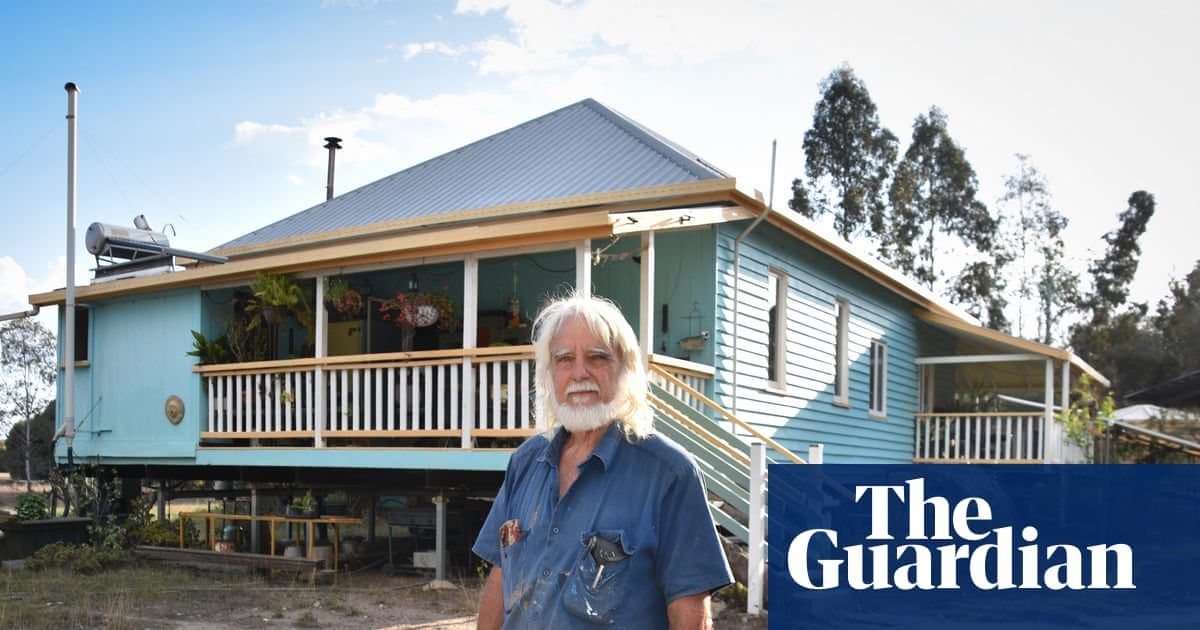
Despite promised economic benefits, local residents and community leaders have launched significant pushback, drawing parallels to previous disruptive coal seam gas projects in the region. A petition opposing the project has gathered over 21,500 signatures due to concerns surrounding noise, energy grid strain, poor siting, and labor market displacement.
The pushback in Queensland reflects broader global friction as massive infrastructure demands for frontier AI models run into local environmental, social, and grid capacity constraints.
Why it matters
Data center developers face rising local political and social friction, threatening project timelines and site selection for large-scale AI infrastructure.
Frontier AI deployments are hitting severe power grid limitations, requiring massive localized energy capacity (2.16GW) that triggers public backlash.
Operators must address regional labor displacement and long-term economic sustainability concerns when pitching hyperscale compute facilities to rural communities.
Source: theguardian.com