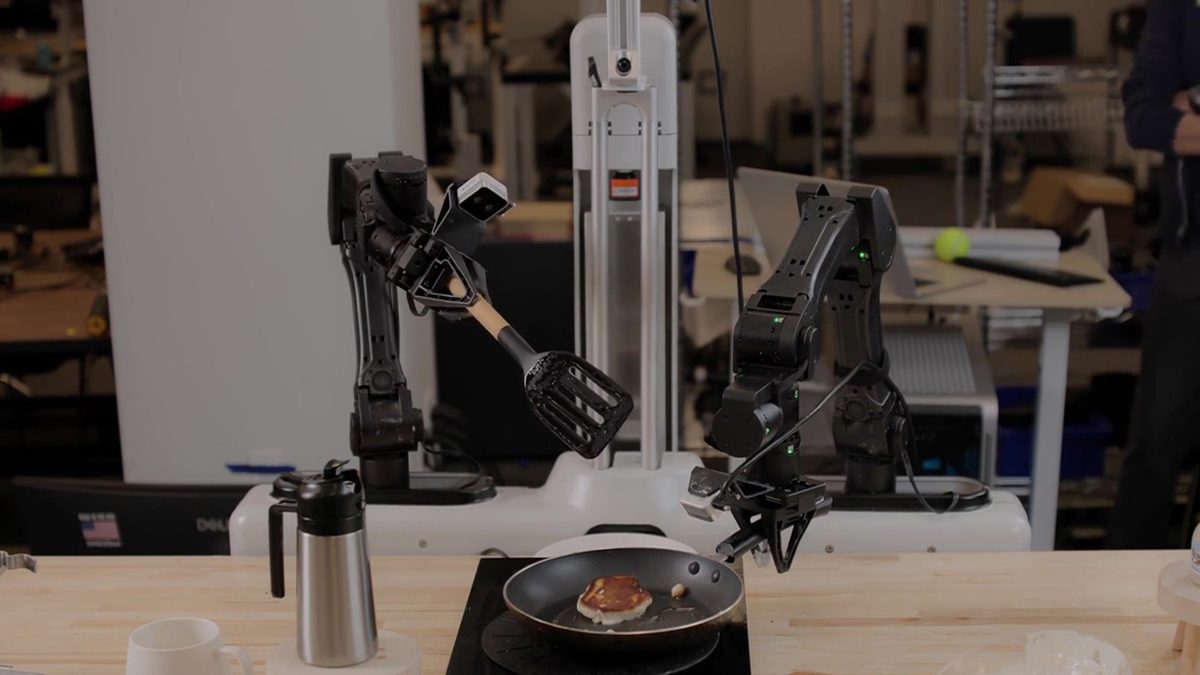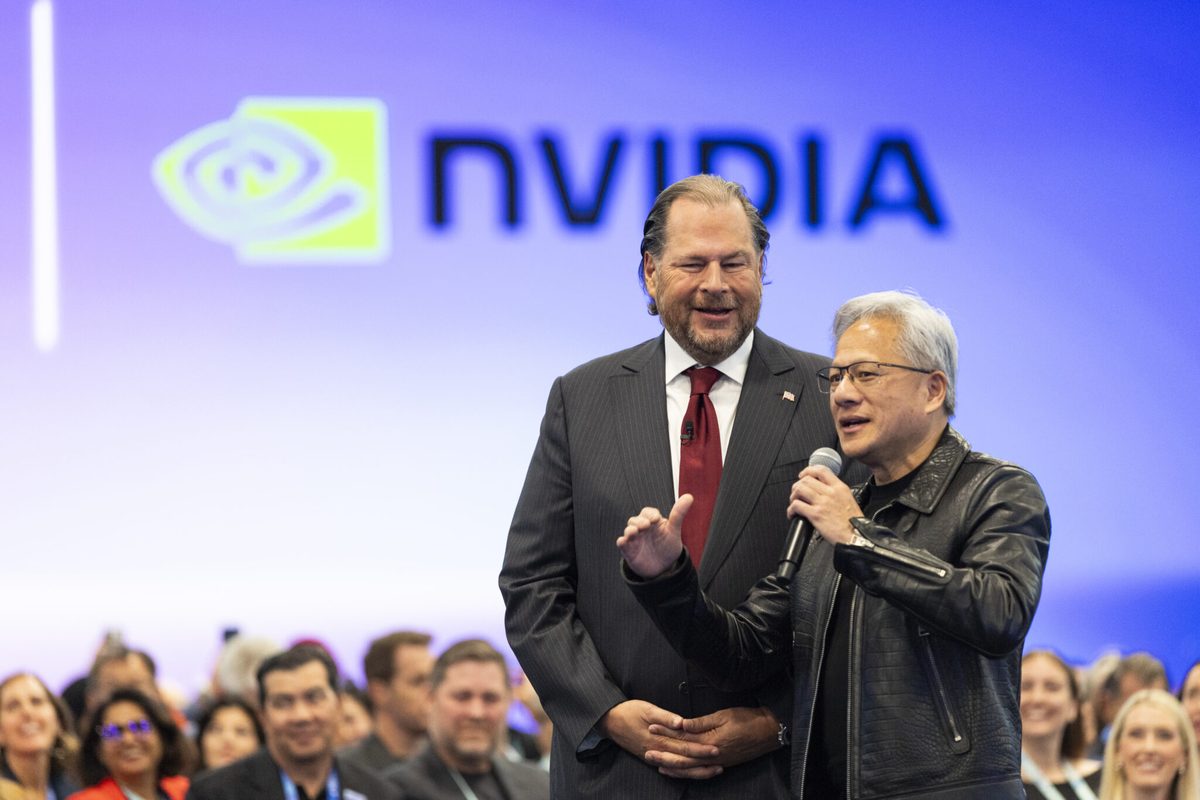
At TechCrunch Disrupt 2026, Les Karpas, Global Head of Physical AI at Nvidia Inception, addressed why general-purpose robotics has yet to experience a breakthrough comparable to language models. Karpas pointed to a fundamental data bottleneck, noting that the physical AI space lacks the vast, internet-wide datasets that fueled language models like ChatGPT.
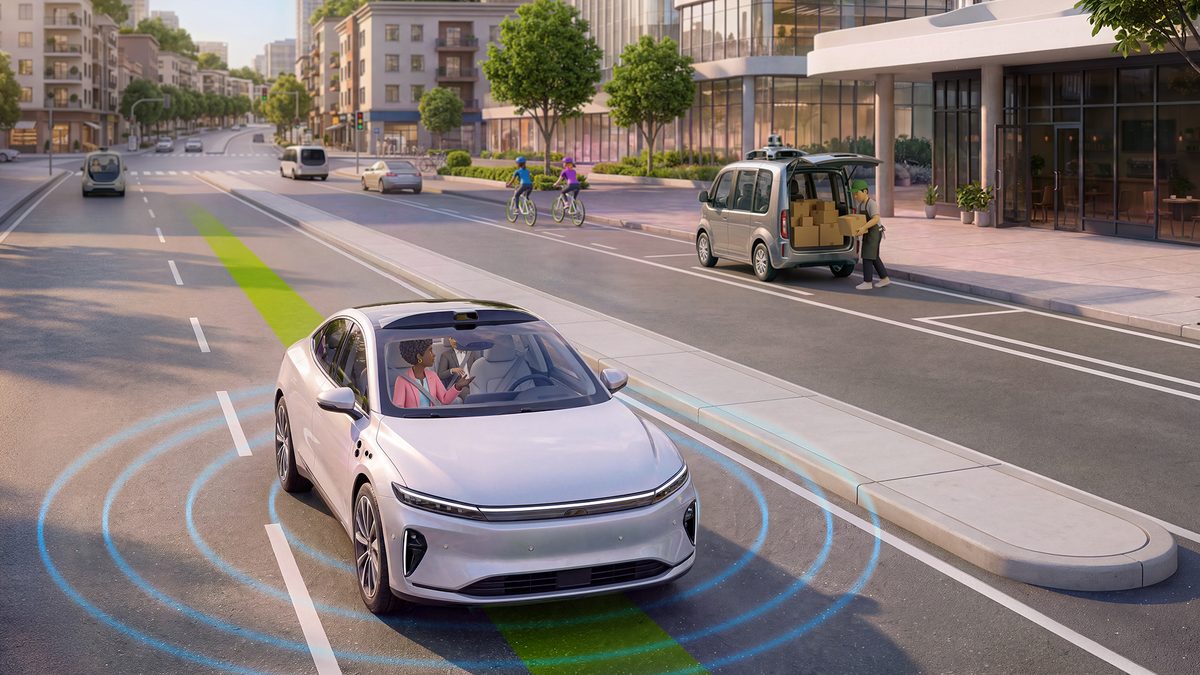
To overcome this limitation, startups are turning to synthetic data, simulation environments, and multi-robot foundation models to artificially scale physical data collection. Unlike self-driving companies that accumulated road miles over years, robotics companies must find alternative routes to build training data at scale across varied environments and robot forms.
Karpas, who interfaces regularly with startups across manufacturing, mobility, and smart cities, will be joined at the conference by founders from Shield AI, Colossal Biosciences, FieldAI, and Foxglove. The discussions will center on bridging the digital-to-physical gap and exploring solutions to physical AI’s largest scaling challenge.
Why it matters
Data bottleneck: Physical AI lacks ready-made internet datasets, making synthetic data generation and simulation critical areas for startup innovation.
Investment opportunity: VCs and operators can look toward foundation models trained across diverse hardware forms to solve robotics’ data gap.
Nvidia ecosystem: Nvidia continues to position itself as the core infrastructure and partnership hub for physical AI startups.
Source: techcrunch.com