Massive AI training clusters are causing power grid instability due to rapid load swings, highlighted by a major transmission line fault in Ashburn, Virginia, that dropped 3 gigawatts of load instantly. Traditional data center electrical infrastructure, built for steady loads, struggles when AI campuses swing up to 70% of their power draw in milliseconds during training runs or suddenly disconnect to protect server hardware.
Existing protection systems rely on low-voltage uninterruptible power supply (UPS) units placed deep inside facilities, which frequently run in bypass mode to maximize energy efficiency. When upstream grid voltage dips occur, standard safety switches repeatedly trip, disconnecting whole facilities at once and compounding grid disruptions across large data center clusters.
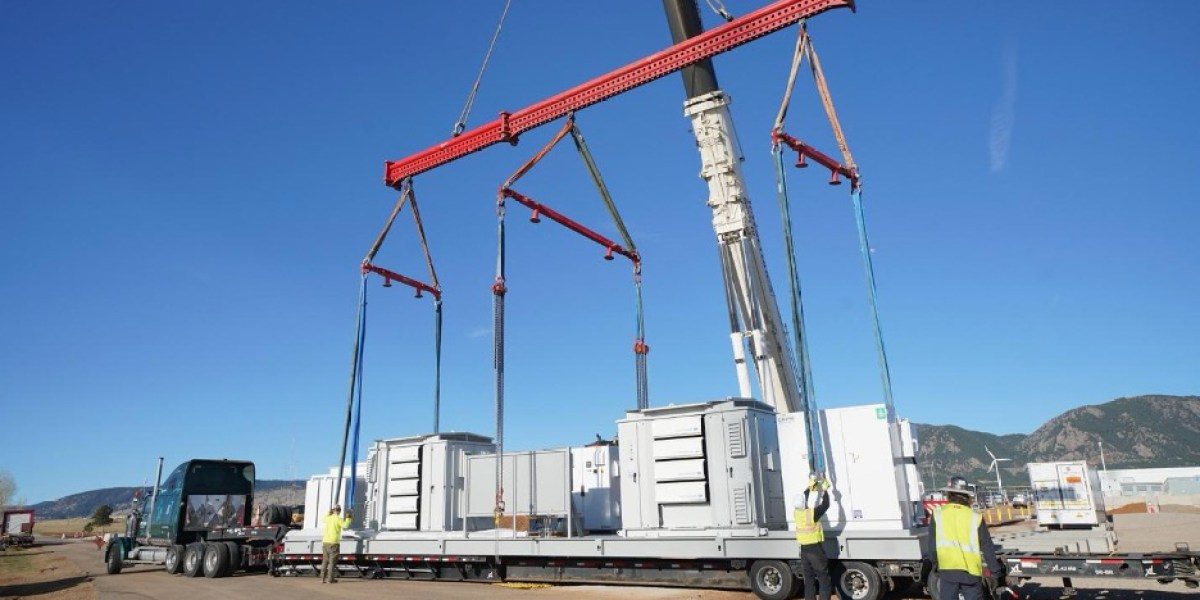
To solve this, hardware engineers are advocating for structural architectural shifts move protection logic and power conditioning up to medium-voltage systems (13.8 kV+) located near substations. By running all continuous power through dedicated modular systems, data center operators can flatten load profiles presented to the grid and insulate compute clusters from rapid power fluctuations.
Why it matters
Gigawatt-scale AI campuses face operational risks unless electrical architectures transition from legacy low-voltage UPS systems to medium-voltage power conditioning.
Data center operators and utility partners must co-invest in grid-edge filtering hardware to prevent sudden multi-gigawatt disconnects during training spikes.
Power distribution bottlenecks will favor AI infrastructure startups offering modular substation-level hardware that flattens volatile compute power profiles.
Source: technologyreview.com