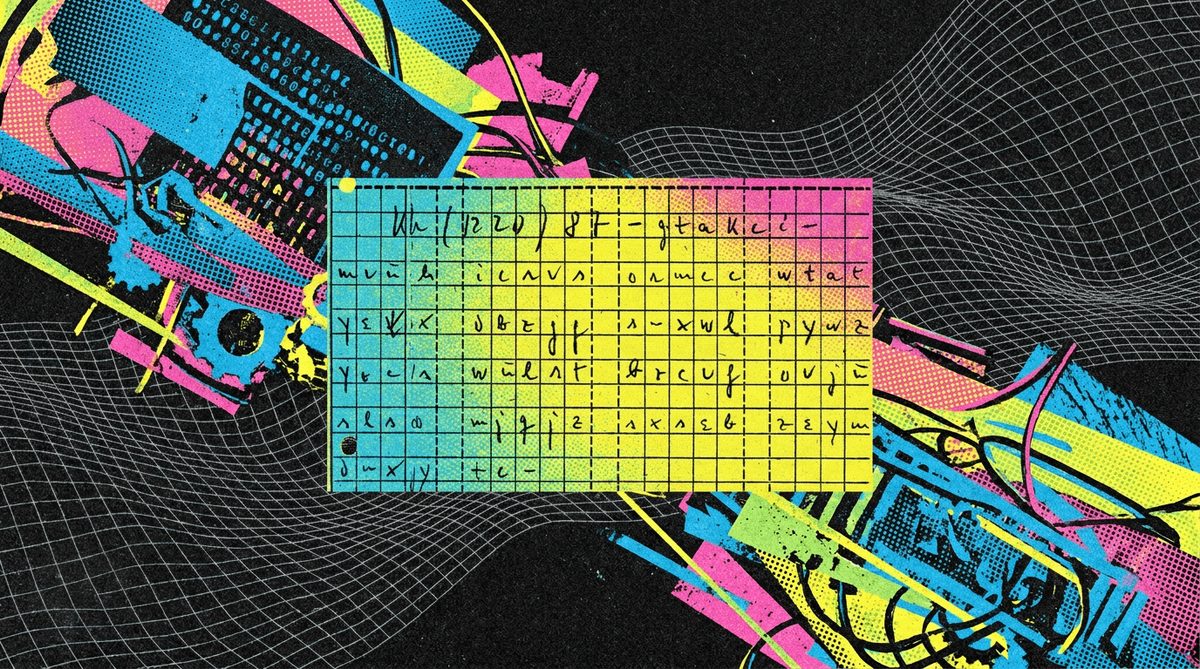
Carter Leffen, a product development coach at Bloomberg LP, used OpenAI’s GPT-6 Astra to crack an unsolved 82-character Wehrmacht Enigma message dating back to July 10, 1941. The cipher, which had remained uncracked in historical archives for 83 years, contained a German soldier’s request for marching orders and an immediate radio reply.
Operating for approximately ten hours, the “GPT-6 Astra Extra High” variant directed specialized AI agents to analyze historical archives, construct an Enigma simulator, write cryptanalysis code, and execute parallel key searches. The breakthrough relied on identifying the repeated place name “Rosenow” in a secondary decrypted message from the same date, leveraging known Enigma structural constraints to narrow the search space.
The resulting plaintext revealed coherent German instructions and included authentic period typographical errors. Leffen has released all underlying code, search data, and a 3D Enigma simulator online, demonstrating how frontier LLMs can autonomously orchestrate complex multi-step technical investigations.
Why it matters
Demonstrates frontier LLM capabilities in orchestrating complex, multi-step code generation and domain-specific problem solving.
Provides a template for combining domain constraints with AI agent swarms to solve large-scale combinatorial search problems.
Highlights the practical utility of long-horizon AI agent execution over ten-hour continuous reasoning windows.
Source: the-decoder.com