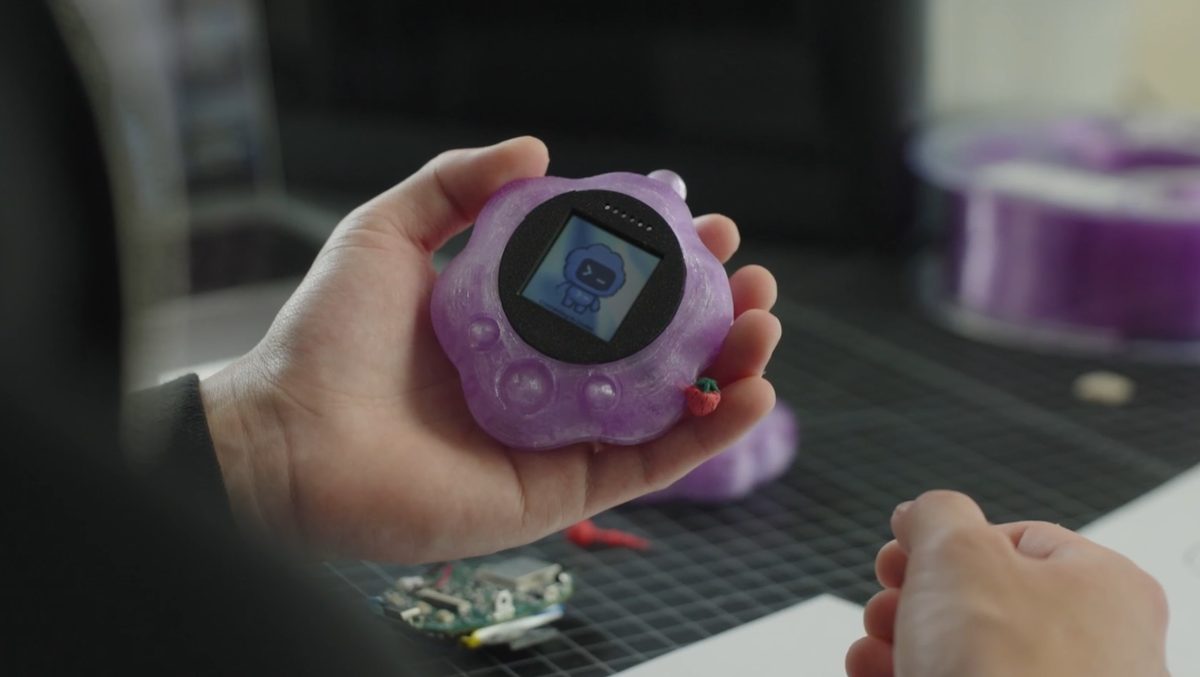
OpenAI’s internal hardware team utilized its GPT-6 Astra model to design a Codex-dedicated communications device from scratch in less than a week. According to OpenAI, the AI model independently handled PCB layout, component selection, enclosure design, trace routing, firmware, and user interface development. A contract manufacturer subsequently produced prototype batches in under a month, though multiple engineering revisions were required to fix errors related to real-world manufacturing constraints and tolerances.
OpenAI also revealed performance gains on BenchCAD 2.0, a benchmark measuring 3D part reconstruction and PCB connection identification. GPT-6 Astra achieved a score of 0.594 at its highest reasoning setting, while an unannounced internal model reached 0.875.
The company stated that internal hardware engineering teams have increased token usage across Codex and ChatGPT by 23x since February, applying the tools to robotics, infrastructure, and CAD simulations. Reports indicate OpenAI continues to develop proprietary consumer hardware positioned between a smart speaker and a smartphone.
Why it matters
Hardware startups can accelerate prototyping cycles by leveraging advanced LLMs for initial PCB routing, component sourcing, and enclosure design.
Current frontier models still lack precise manufacturing constraint awareness, requiring human oversight for yield and tolerance adjustments.
OpenAI is expanding its internal engineering capabilities while actively developing native consumer hardware products.
Source: the-decoder.com