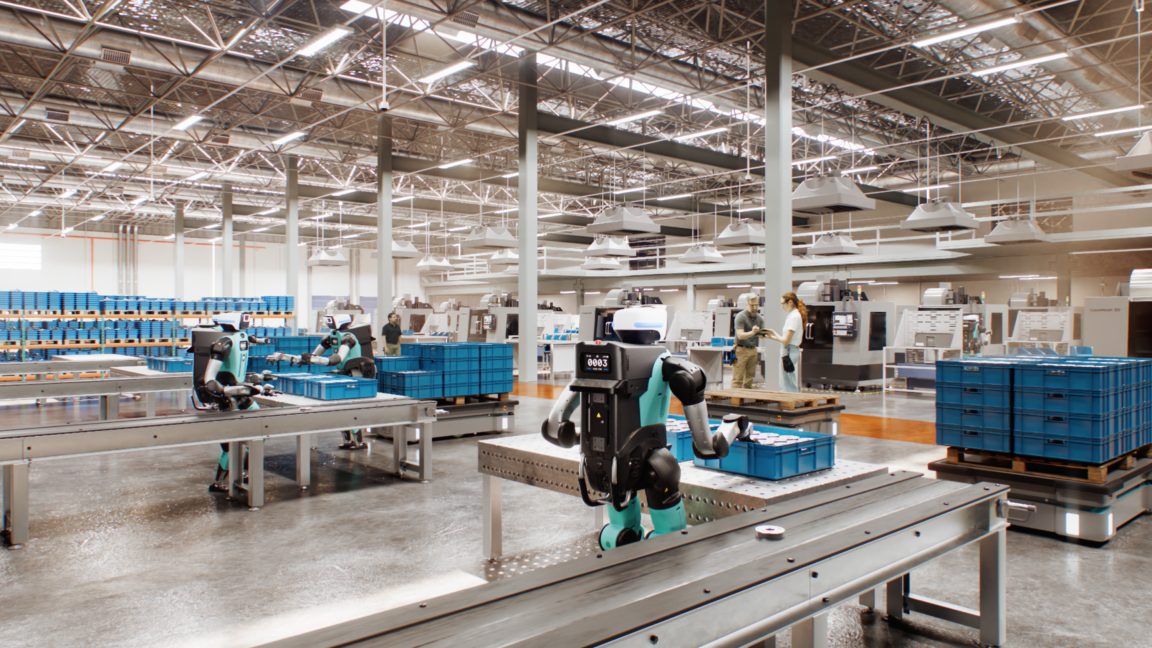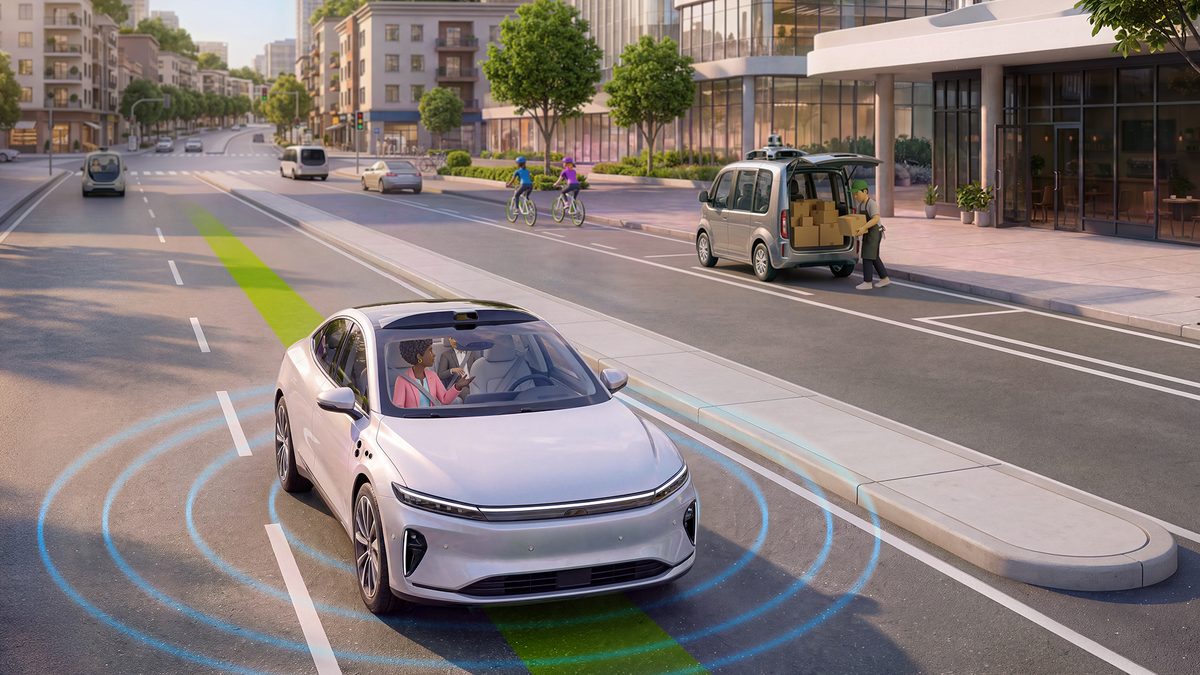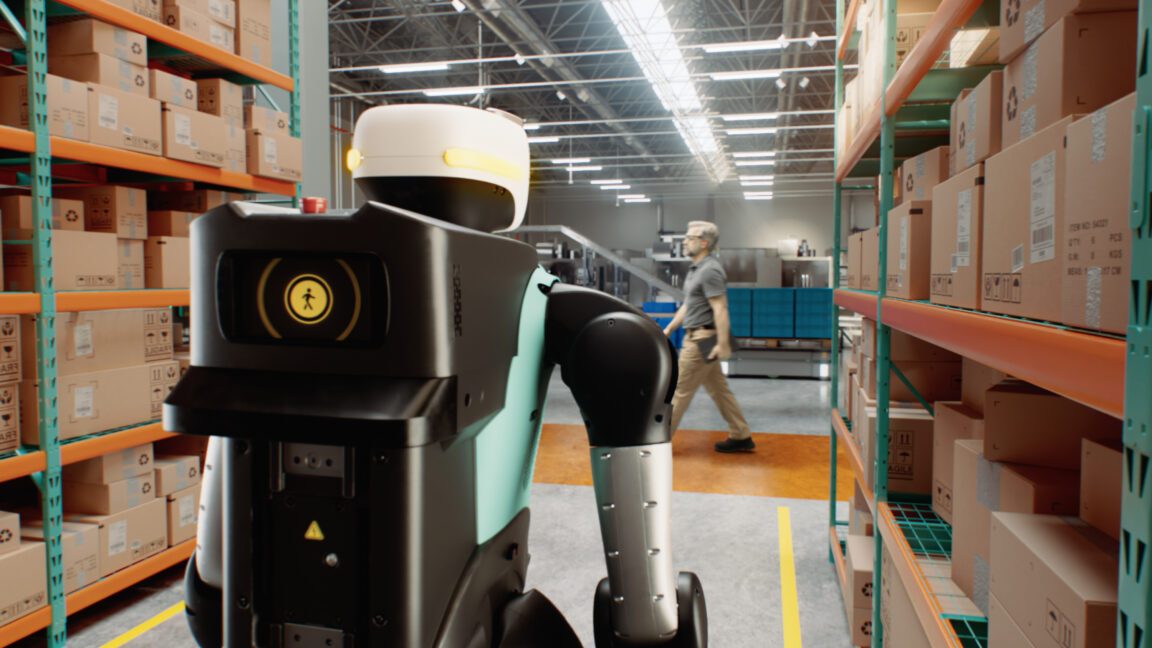
Nvidia is leaning heavily into physical AI by expanding its safety technology framework to autonomous vehicles and robotics, according to arstechnica.com. Building on its 2025 launch of Halos for self-driving vehicles, the chipmaker introduced Halos for Robotics in June 2026 to address safety bottlenecks in warehouse, factory, humanoid, and surgical robotics. Nvidia CEO Jensen Huang noted that the physical AI business already generates nearly $10 billion in annual revenue for the company.
To power the system, Nvidia developed hardware and software solutions that integrate functional operations and safety monitoring on the same silicon, such as its IGX Thor computing module with a dedicated safety processor. The Halos software package constantly monitors hardware blocks and software libraries to isolate safety-critical workloads and detect failures. It also includes the Holoscan Sensor Bridge to spot corrupted data, virtual simulation testing tools, and an inspection lab program for developer feedback.
Unlike self-driving cars, which follow standardized global safety rules, physical robotics face varied functional safety definitions across different hardware types and environments. Nvidia’s investments in humanoid robotics startups like Agility Robotics and Figure AI, along with reference designs with partners like Unitree, aim to establish a standard full-stack safety architecture as robot hardware and AI models mature.
Why it matters
Nvidia is locking developers into its full-stack ecosystem by tying its silicon directly to physical AI safety frameworks and simulation tools.
Physical AI represents Nvidia’s second-largest growth engine, already delivering nearly $10 billion in annual revenue beyond data center GPUs.
Safety architecture is replacing model capability as the primary bottleneck for deploying commercial robotics in real-world environments.
Source: arstechnica.com