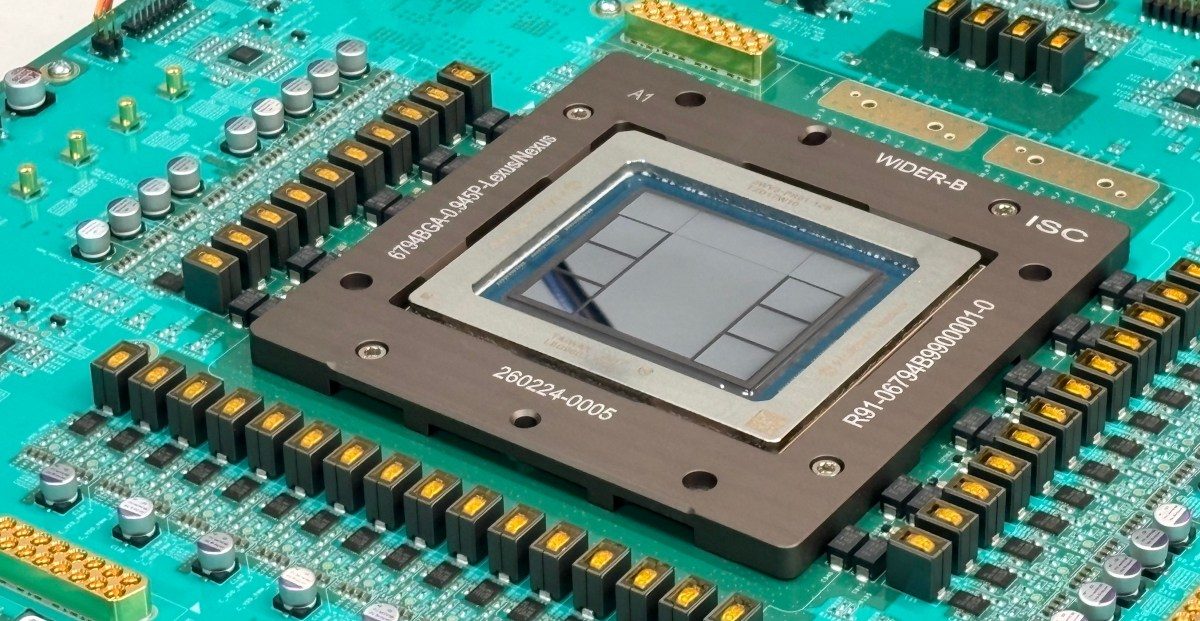
Hardware manufacturers showcased the first commercial laptops and mini desktops powered by Nvidia’s Arm-based RTX Spark “superchip” at the IFA 2026 tech show in Berlin. Designed to meet growing demand for local, on-device agentic AI workflows like OpenClaw, the system-on-a-chip combines a Grace CPU with up to 20 cores and a Blackwell RTX GPU with up to 6,144 cores onto a single package, mimicking Apple Silicon architecture.
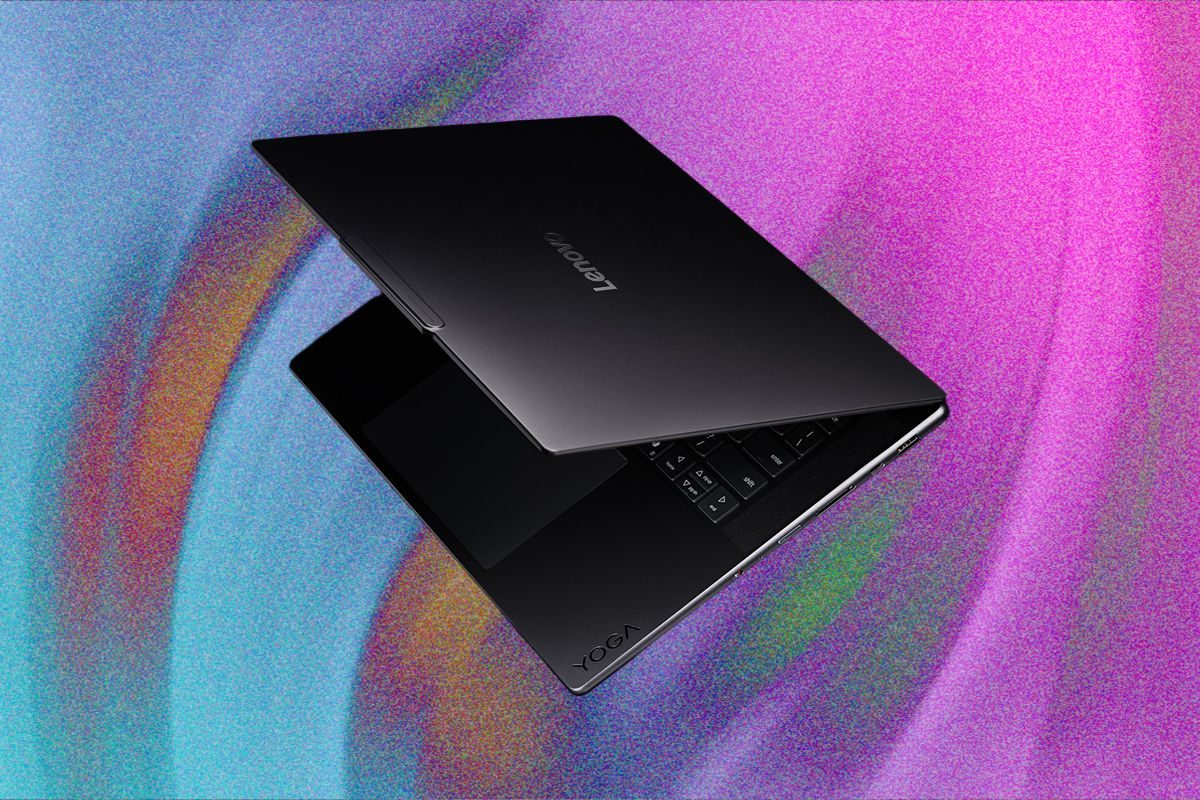
Featured hardware includes the Lenovo Yoga 9n 2-in-1 and the Lenovo Yoga Pro 9n, which offers configuration options up to 128 GB of memory. Other OEMs preparing RTX Spark laptops for release this fall include Dell, Asus, Microsoft, and HP. The unified chip design enables thin form factors, such as Lenovo’s 0.69-inch chassis, while providing local compute performance comparable to discrete laptop GPUs.
These launches mark a pivot toward edge AI hardware capable of executing resource-intensive models locally. By reducing reliance on cloud infrastructure, these devices target developers, creators, and AI enthusiasts needing lower latency and offline agent execution.
Why it matters
Enables developers and operators to run resource-intensive local AI agents without cloud dependency.
Establishes Nvidia’s Arm-based system-on-a-chip architecture as a direct challenger to Apple Silicon in PC markets.
High memory configurations up to 128 GB setting a new standard for local AI hardware.
Source: wired.com