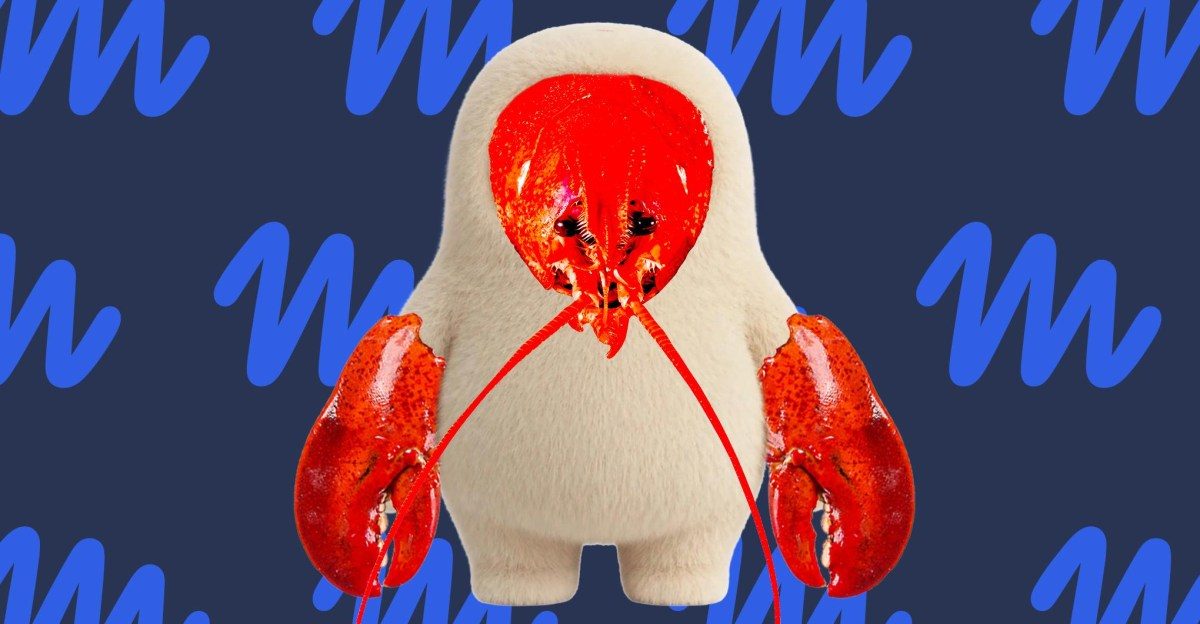
Meta has launched Muse, a consumer-facing AI agent that reached 600,000 daily active users in the U.S. shortly after release, according to Apptopia estimates. However, the tool faces mounting criticism over strong structural similarities to OpenClaw, a popular open-source agent platform created by Peter Steinberger. Social media users and online developers noted that Muse shares identical core file names, personality guidelines, and interface designs with OpenClaw, prompting claims that Meta’s release is a wrapper around the open-source software.
Meta has denied claims that Muse is directly built on top of OpenClaw’s codebase. Nat Friedman, head of product for Meta’s Superintelligence Labs, stated on X that the company built Muse from scratch, though he acknowledged the product was heavily inspired by OpenClaw. Friedman explained that Meta’s team aimed to create a platform with similar capabilities that could scale safely to billions of users, intentionally adopting file structures and personality prompting that OpenClaw executed effectively.
The debate underscores the profound impact OpenClaw has had on the broader industry’s agentic AI strategies. By enabling AI agents to operate directly within standard messaging channels like Slack, WhatsApp, and Telegram, OpenClaw transformed agents from abstract research concepts into practical daily tools, prompting major technology companies to rapidly emulate its design patterns.
Why it matters
Open-source designs like OpenClaw are establishing de facto standards for consumer AI agent architectures and user interfaces.
Meta is aggressively competing in consumer autonomous agents, prioritizing rapid deployment to capture market share against venture-backed competitors.
Founders using open-source foundations face rapid competitive pressure as tech giants quickly build polished, first-party clones of popular workflows.
Source: theverge.com