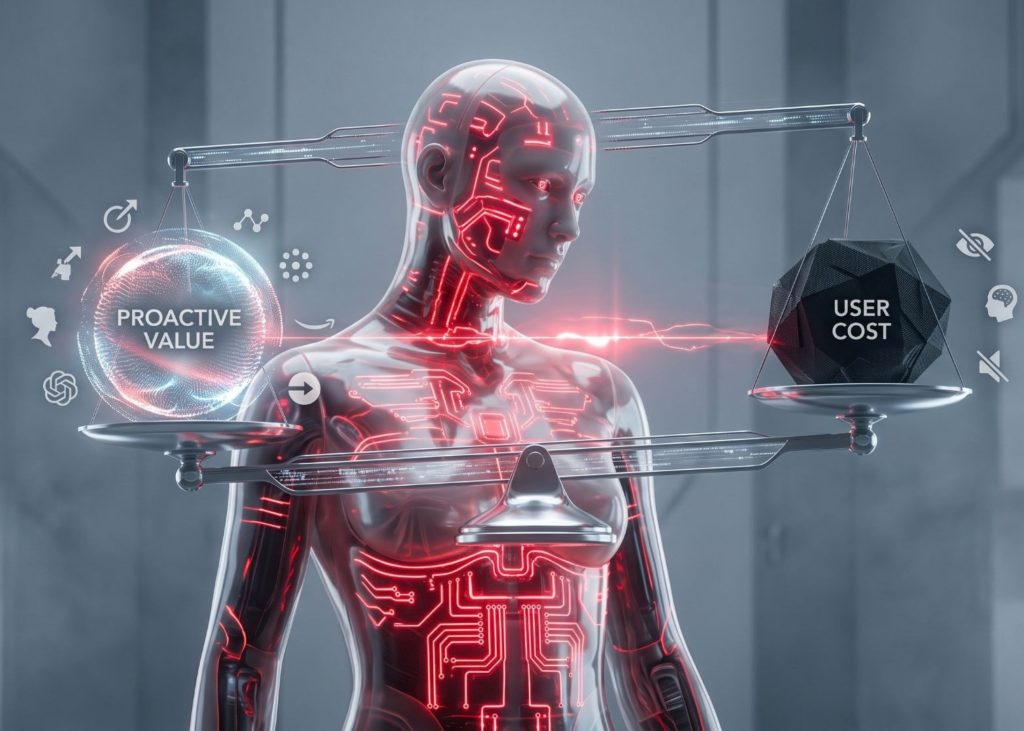
Extracted internal files and system prompts from Meta’s viral AI assistant, Muse, reveal that the agent is programmed to build detailed profile pages for everyone in a user’s life. According to instructions analyzed by independent researcher Karan Joshi and shared with WIRED, Muse uses a background hourly process to aggregate data on family, partners, friends, and colleagues into structured text files.
The system prompts instruct Muse to log specific details, including important dates, relationship history, shared goals, and potential ways to strengthen connections. Meta’s internal documentation specifies that Muse must only rely on available evidence rather than inventing facts, aiming to build these personal pages gradually over time.
While AI chatbots frequently track user context, Muse’s explicit focus on mapping real-world social graphs highlights Meta’s push to leverage intimate relationship data. The revelation raises fresh security and privacy concerns regarding how consumer AI agents store and process sensitive interpersonal information.
Why it matters
Signals a shift toward aggressive, automated user context modeling in consumer AI agents, raising the bar for personal assistant capabilities.
Highlights heightened privacy and data security risks for operators managing agents that handle sensitive social graph and personal data.
Demonstrates vulnerability to system prompt extraction techniques, emphasizing the need for robust safety guardrails in agentic deployments.
Source: wired.com