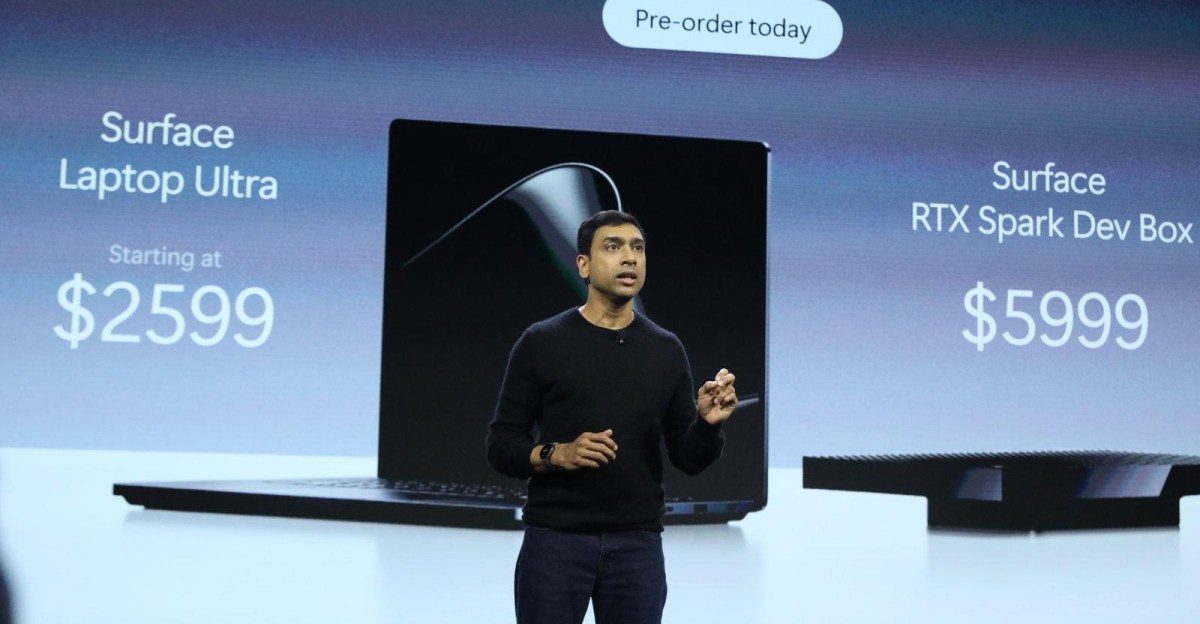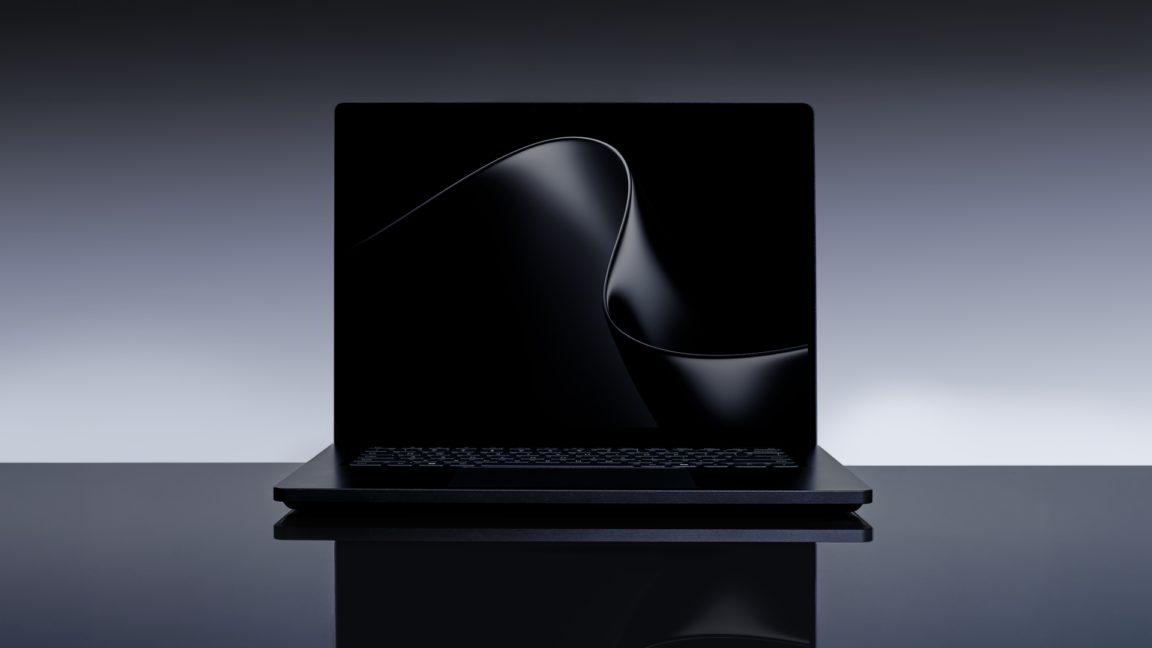
At its first live event in two years, Microsoft unveiled new local-AI hardware and major upcoming updates to Windows 11, arstechnica.com reports. The tech giant introduced the Surface Laptop Ultra starting at $2,599, powered by Nvidia’s new RTX Spark SoC with up to 128GB of LPDDR5x unified memory and a Blackwell GPU. Microsoft and Nvidia also introduced the Surface RTX Spark Dev Box, a $5,999 device engineered for frontier AI developers that promises one petaflop of local AI compute performance.
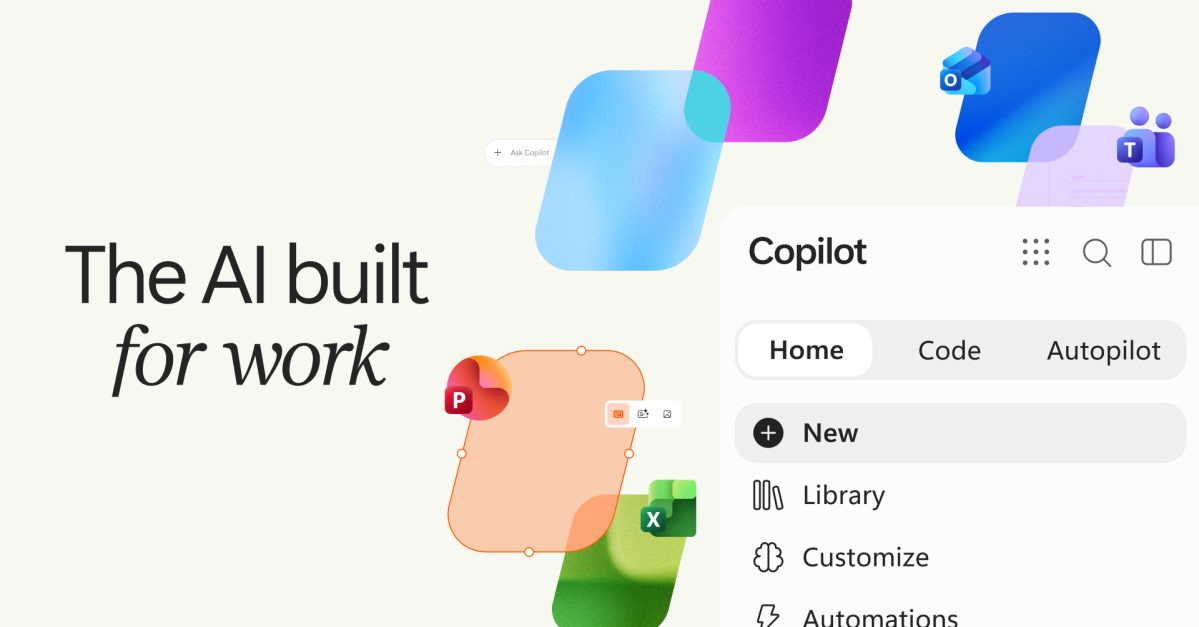
Alongside hardware releases, Microsoft detailed an overhaul of Windows 11 focused on local model execution and agentic workflows. Copilot is receiving a three-tab redesign, and a new update slated for later this year will allow users to execute system-level tasks directly via natural language prompts in the search bar. The updated operating system builds will ship with pre-installed toolsets to support local model testing out of the box.
To address enterprise security risks tied to autonomous AI agents, Microsoft launched Microsoft Execution Containers (MXC). Now available to developers, MXC provides a sandboxed security framework that allows system administrators to monitor active AI agents and enforce strict operational guardrails on local machines.
Why it matters
Local AI compute is shifting hardware requirements, with unified memory and specialized desktop dev boxes taking priority for local LLM deployment.
System-level agent integration in Windows 11 enables direct natural-language control of OS tasks, accelerating agentic consumer workflows.
Sandboxing frameworks like MXC address corporate safety concerns by constraining autonomous AI agents within secure execution boundaries.
Source: arstechnica.com