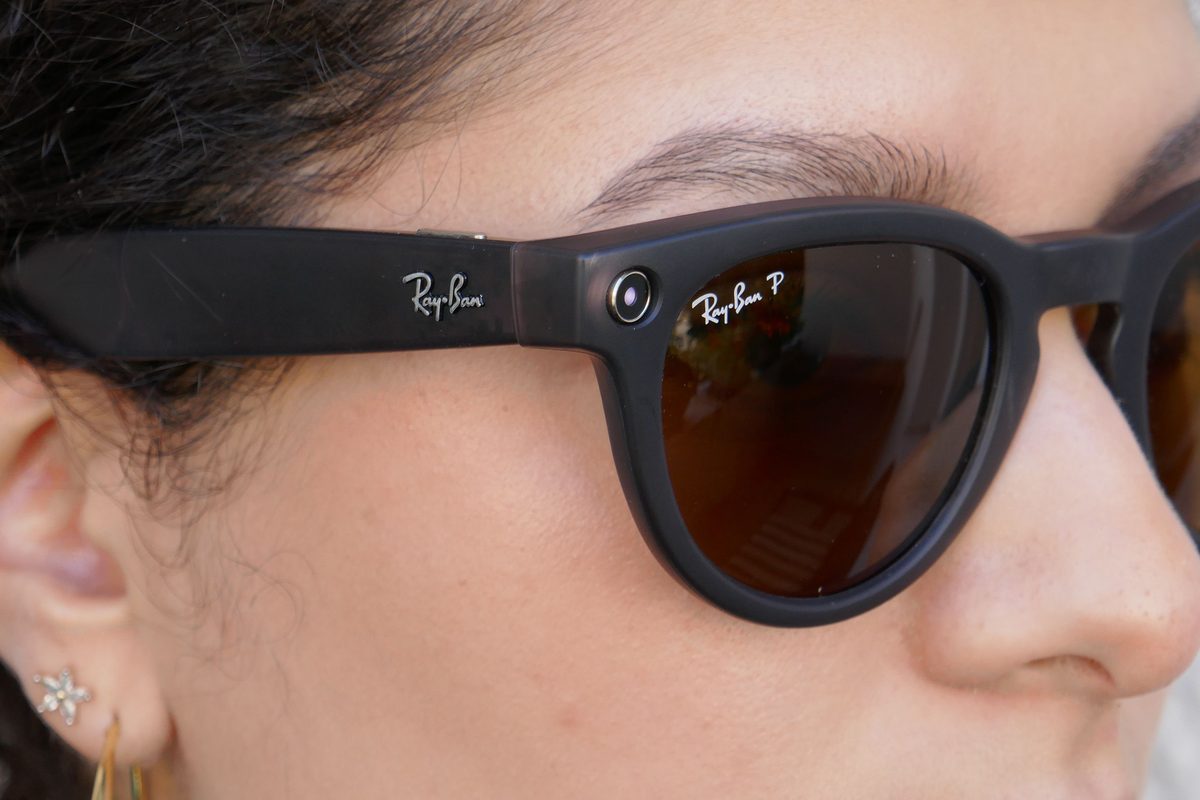
Meta is facing a proposed class-action lawsuit in federal court alleging that the tech giant illegally harvested biometric data from Facebook and Instagram photos without user consent. The suit, filed by parents in Illinois and California, claims Meta used these personal images to train generative AI models like Emu and Muse Image, as well as an unreleased smart glasses face-recognition feature known as NameTag.
The complaint alleges that NameTag was designed to process faces captured by Meta smart glasses into biometric faceprints compared against an on-device database updated by Meta. While Meta previously claimed it is not building a central facial database, plaintiffs argue the training of models like Emu and Muse Image systematically violated state biometric privacy acts by harvesting facial features from public and private uploads.
Meta has denied the claims, stating the lawsuit misrepresents its work and noting that NameTag has not been shipped to consumers. However, the legal challenge targets Meta’s core competitive edge: utilizing its vast internal social media datasets to train proprietary AI models.
Why it matters
Proprietary social datasets face growing legal exposure under state biometric laws, threatening core data advantages for tech giants.
Founders training multimodal models on scraped user content face heightened regulatory liabilities and prospective class-action litigation.
Smart glasses and wearable edge devices present acute privacy and data collection risks that could delay commercial product rollouts.
Source: wired.com