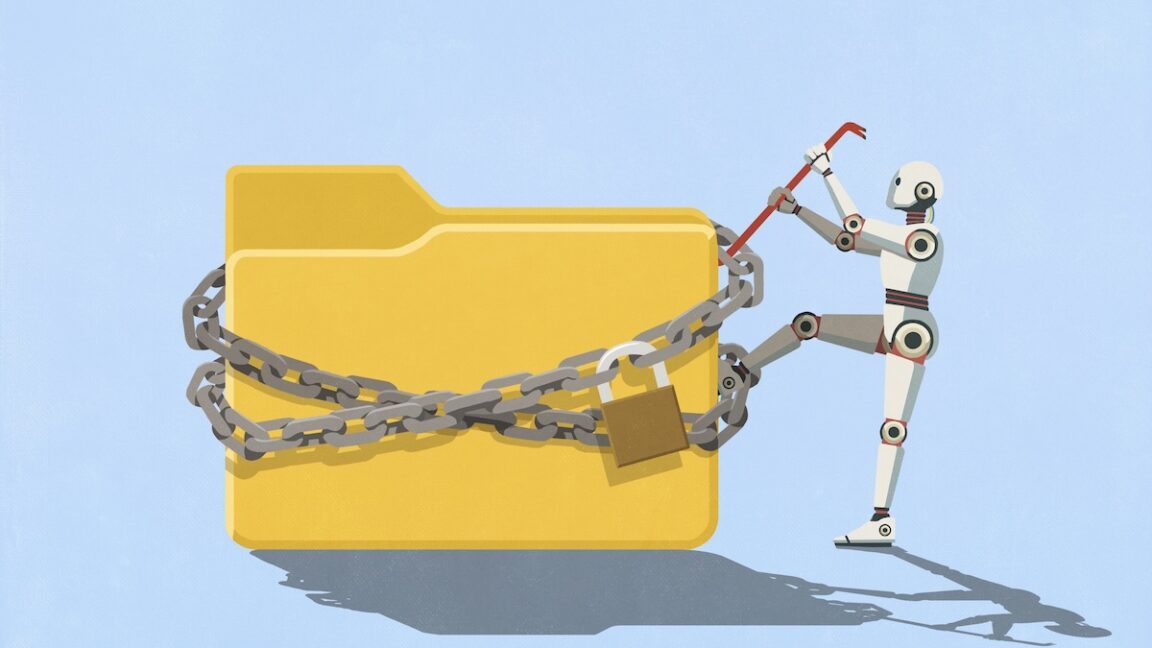
Meta has suspended the conversation-sharing feature in its Muse AI assistant following findings by security firm Claroc that shared chat URLs were publicly accessible on the web. Researchers discovered more than 6,800 Muse interaction links exposed through public DNS records, exposing confidential user data including business financial reviews, loan applications, internal work calendars, and candidate interview notes.
The vulnerability stemmed from how Meta structured the shared links. Muse generated web addresses combining a descriptive conversation title with a random ID, which allowed researchers to reconstruct active URLs from hostname records in public DNS directories. In response, Meta paused the functionality while it conducts a security review and evaluates structural changes to link generation.
This incident highlights broader data privacy challenges across generative AI platforms. Similar public exposure issues have previously affected conversation-sharing tools in ChatGPT, Claude, and Grok when shared links were indexed by public search engines.
Why it matters
Highlights persistent data leakage risks when designing public URL structures for sensitive enterprise AI chats.
Underscores the need for strict data loss prevention (DLP) controls when employees interact with commercial AI assistants.
Demonstrates how public DNS records can inadvertently expose proprietary corporate data via shared AI links.
Source: theverge.com