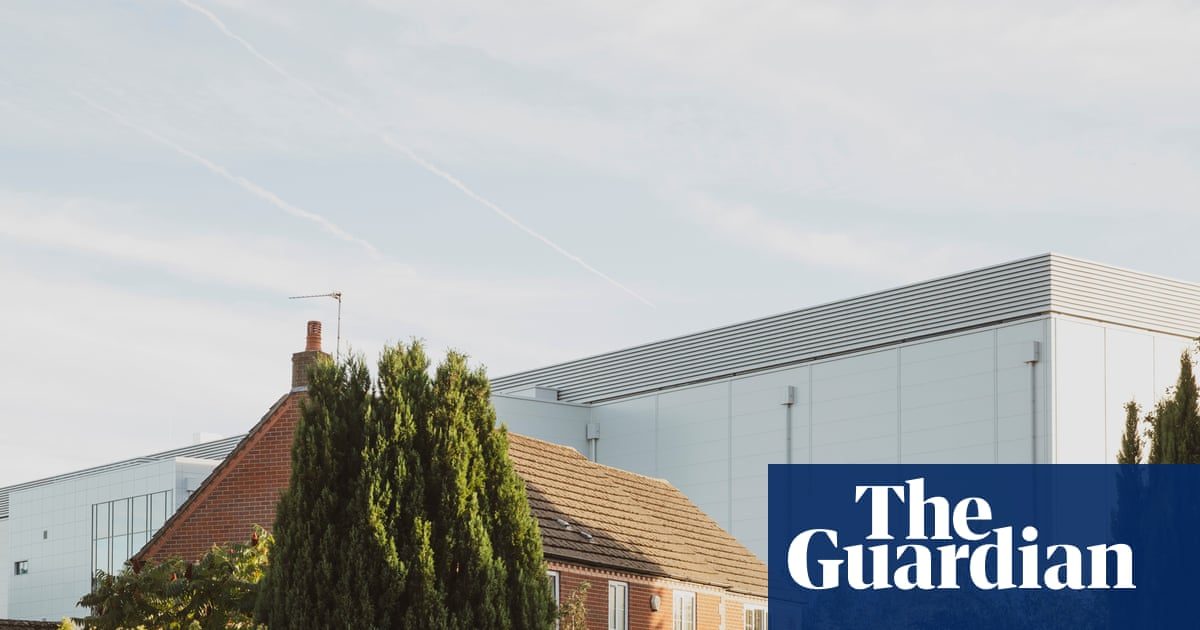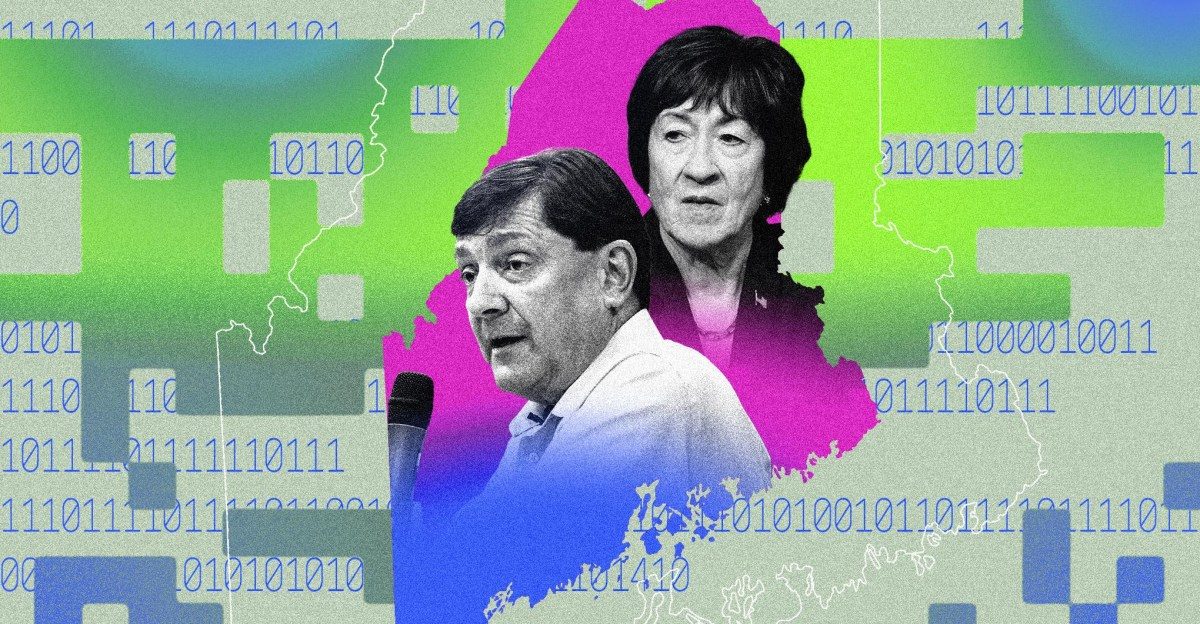
The battle for control of the US Senate has intersected with AI infrastructure growth in Maine, where rapid data center expansion has emerged as a central campaign issue. Rural residents across the state are raising concerns over escalating electricity costs, localized environmental pressures, and water consumption, driving strong public opposition to new facility developments.
Public pushback led the Maine Legislature to pass a temporary statewide moratorium on large data centers earlier this year, though it was subsequently vetoed by Gov. Janet Mills. Local towns have since enacted municipal bans, while recent polling shows 76 percent of local respondents oppose data centers in their communities. In response, technology firms and private equity groups investing in AI infrastructure have directed record political spending into the state’s Senate contest.
The political conflict highlights a growing national challenge for AI scaling. As major metropolitan power grids reach capacity, technology companies are targeting rural states with cheaper land and water access, creating friction with local communities concerned about utility bills and resource depletion.
Why it matters
Local political pushback and grid capacity constraints present significant operational bottlenecks for scaling physical AI infrastructure.
AI data center developers face rising regulatory risk and public backlash over local electricity price increases and water consumption.
Federal and state legislative outcomes will increasingly dictate where hyperscalers can secure land and power permits for new builds.
Source: theverge.com