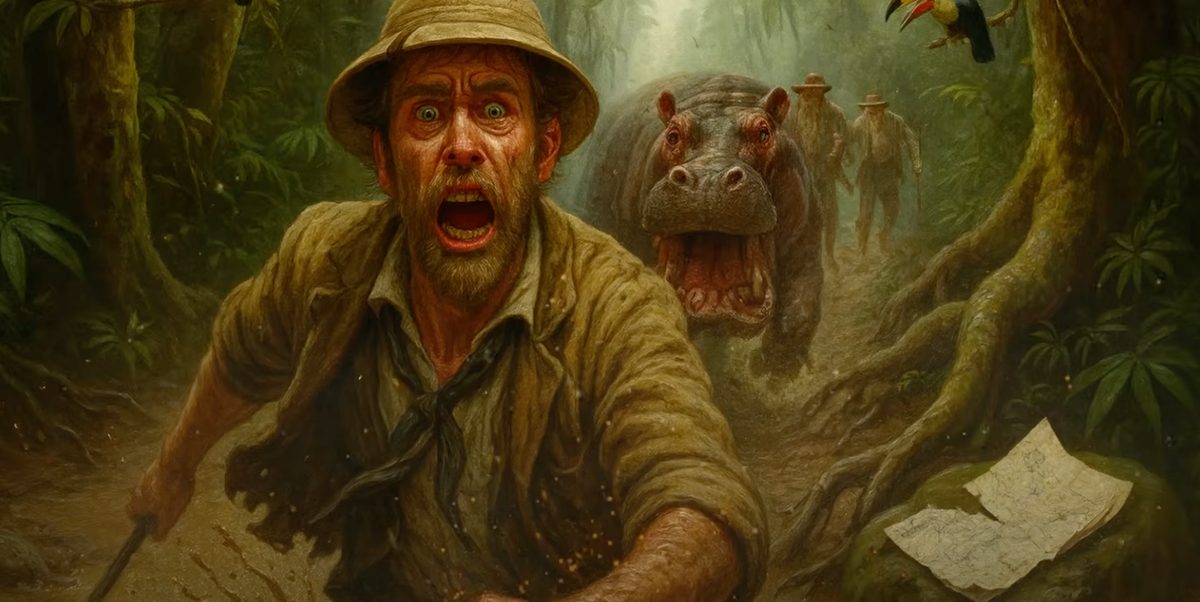
The Macquarie Dictionary, a leading authority on Australian English, has declared ‘AI slop’ as its word of the year, a choice that reflects growing societal anxieties and critiques surrounding the proliferation of artificial intelligence-generated content. This term, which beat out other contenders like ‘Ozempic face’ and ‘blind box,’ describes low-quality, repetitive, or nonsensical material produced by AI models.
The selection of ‘AI slop’ underscores a critical discourse emerging in popular culture regarding the authenticity and quality of content in the digital age. As generative AI becomes more accessible, concerns have mounted over the potential for an influx of undifferentiated or poorly executed AI-created text, images, and audio. This phenomenon raises questions about the integrity of information, creative work, and digital communication.
The dictionary’s choice signals a broader societal awareness and a nuanced understanding of AI’s dual nature: its promise for innovation alongside its potential to dilute quality and generate noise. It highlights the ongoing challenge for creators, platforms, and consumers to discern and value human originality in an increasingly automated content landscape, inviting a critical examination of AI’s role in our daily lives.
Why it matters
The recognition of ‘AI slop’ reveals a nascent market gap for AI solutions focused on quality assurance, authenticity, and human-in-the-loop verification. Startups could develop tools for content provenance, AI-generated content detection, or platforms that elevate human-curated content.
This also prompts a discussion on brand reputation and trust in an AI-saturated world. Businesses need to consider how their use of generative AI impacts their perceived quality and originality. There’s an opportunity for services that help companies integrate AI ethically and transparently, ensuring generated content maintains high standards and avoids the ‘slop’ perception. It implicitly asks, ‘How can we ensure AI enhances, rather than diminishes, human creativity and quality?’
Source: theguardian.com