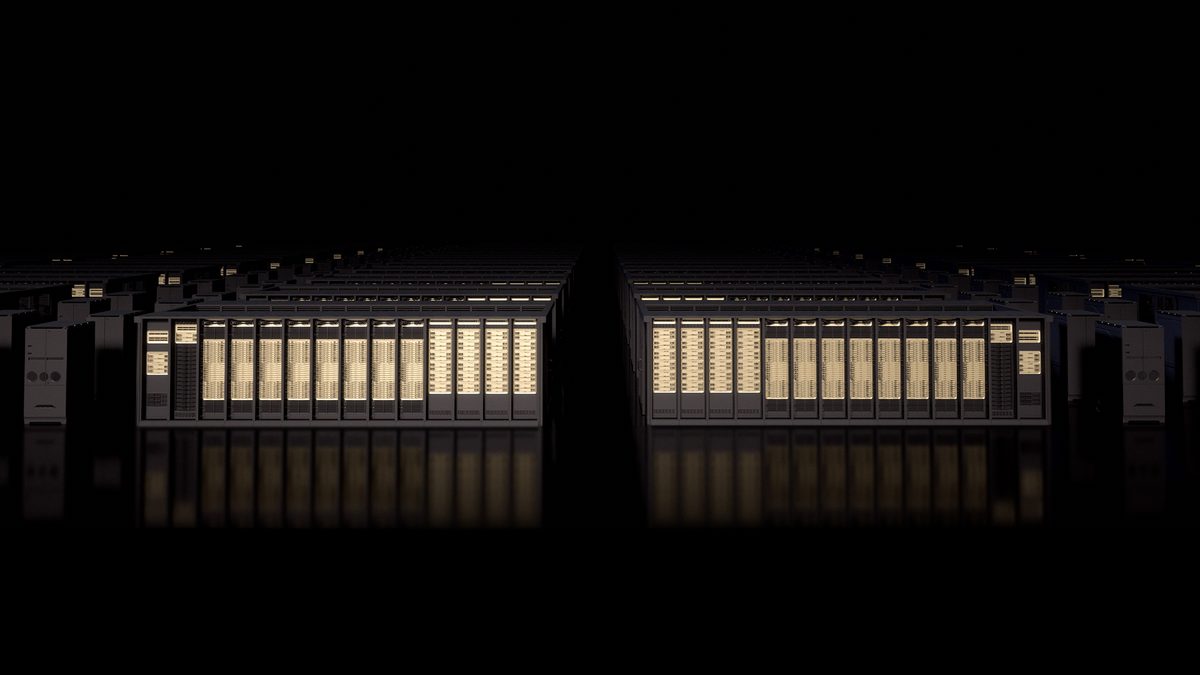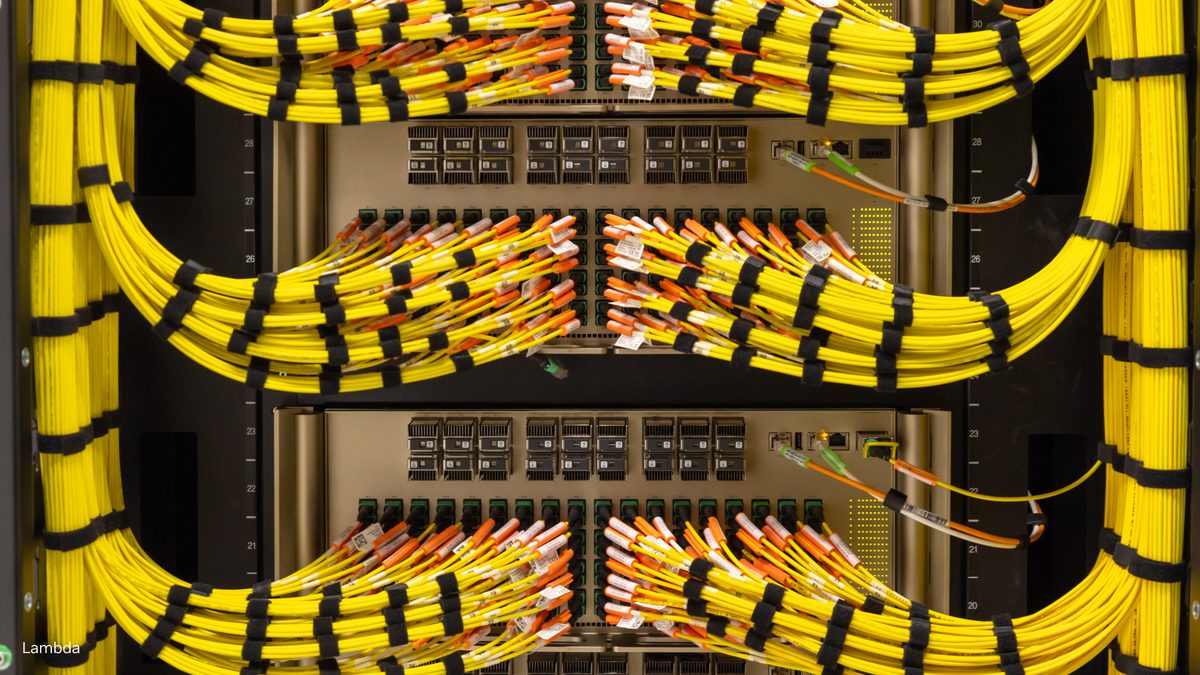
Cloud provider Lambda has integrated NVIDIA Photonics co-packaged optics (CPO) switches into its AI data center infrastructure to connect NVIDIA GB300 NVL72 clusters housing over 10,000 GPUs. The deployment addresses networking bottlenecks in large-scale model training and inference by integrating optical engines directly onto switch packages, reducing interconnect physical footprints and hardware power loss.
Performance metrics from Lambda’s tests showed network latency reductions of approximately 4% at the rack scale and up to 10% at the pod scale, while maintaining baseline throughput compared to traditional pluggable optics. NVIDIA reports that the CPO technology delivers up to 5 times greater power efficiency and 15 times higher component reliability by eliminating retimer chips and reducing active laser counts.
The hardware architecture utilizes liquid cooling to keep optical engine temperatures at a median of 36°C, compared to 51°C for pluggable transceivers. By shortening electrical signal paths from inches to millimeters, the deployment mitigates network disruptions that cause costly stalls during distributed training runs and complex agentic inference workloads.
Why it matters
Co-packaged optics adoption is critical for scaling multi-thousand GPU clusters past physical latency and thermal power limits.
Improved interconnect reliability directly reduces operational downtime costs during massive distributed LLM training runs.
Cloud providers are rapidly shifting to specialized liquid-cooled optical switching architectures to capture high-density AI workloads.
Source: blogs.nvidia.com