In a new essay titled ‘Neural Networks Are Already Clean,’ interpretability researcher Nick Cammarata challenges the widely accepted superposition hypothesis in AI safety research. Cammarata, a researcher at Goodfire who previously co-authored foundational interpretability papers at OpenAI, contends that internal neural network representations are significantly more organized and readable than previously assumed.
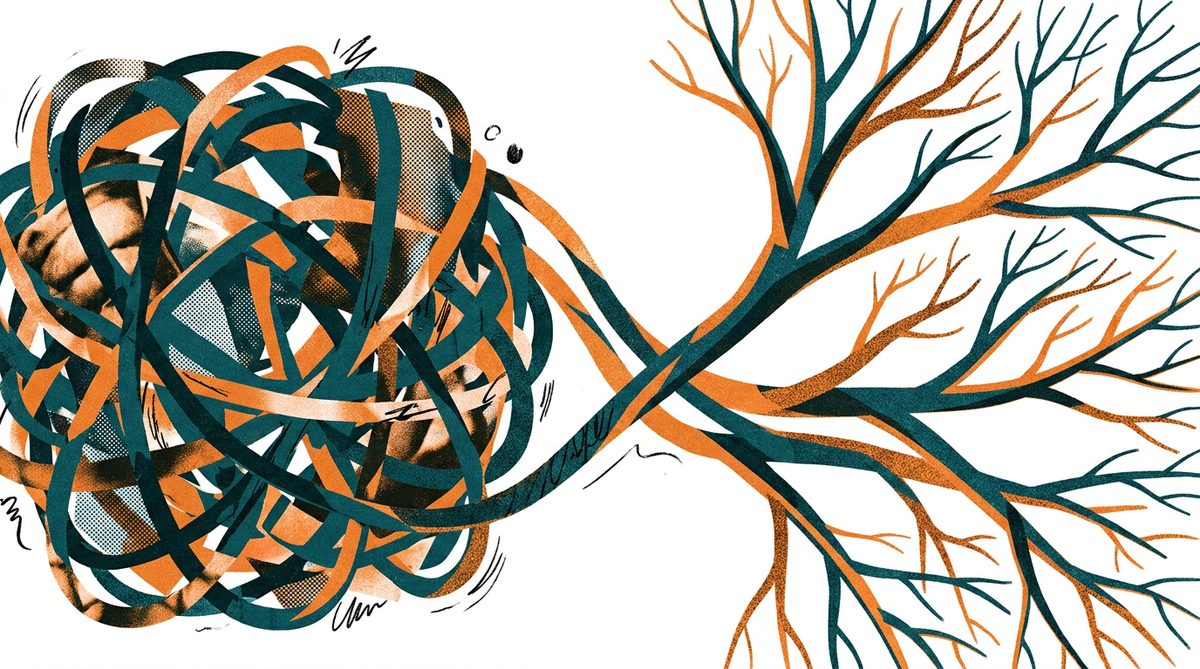
The superposition theory posits that neural networks pack multiple unrelated concepts into single neurons due to capacity constraints, leading researchers to rely on external tools like sparse autoencoders to disentangle internal states. Cammarata argues that famed examples of this phenomenon were misinterpretations, asserting instead that complex activations represent broader visual or linguistic generalizations. Analysis conducted on models like Qwen3-32B using automated agent tools suggests up to 90 percent of neuron poles perform a single primary task.
The findings have divided prominent AI researchers. While OpenAI’s Roon praised the essay, Google DeepMind interpretability researcher Neel Nanda warned against overhyping the conclusions. Cammarata maintains that evaluating network neurons at massive scale yields clearer insights into model behavior than complex decomposition techniques.
Why it matters
Could simplify model audit and safety research by reducing reliance on secondary autoencoders to explain LLM internal decision-making.
Informs how labs approach AI alignment and interpretability tooling, favoring scaled automated analysis over complex theoretical decomposition.
Directly impacts safety teams building automated tools to detect harmful representations inside large-scale production models.
Source: the-decoder.com