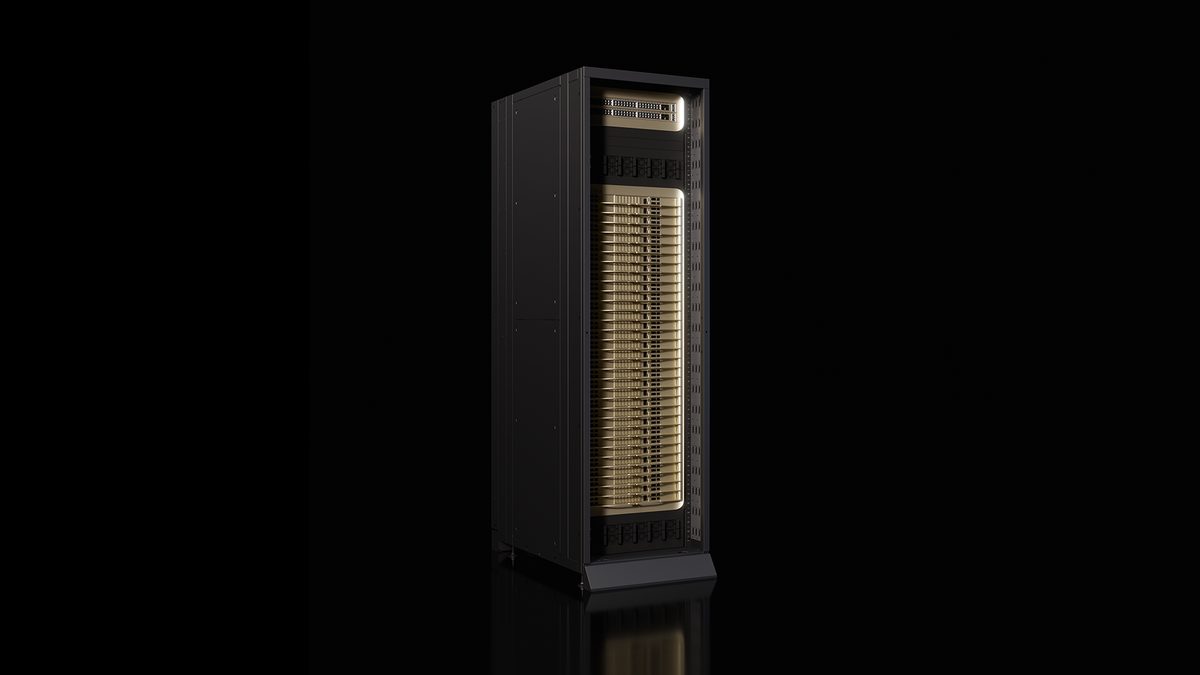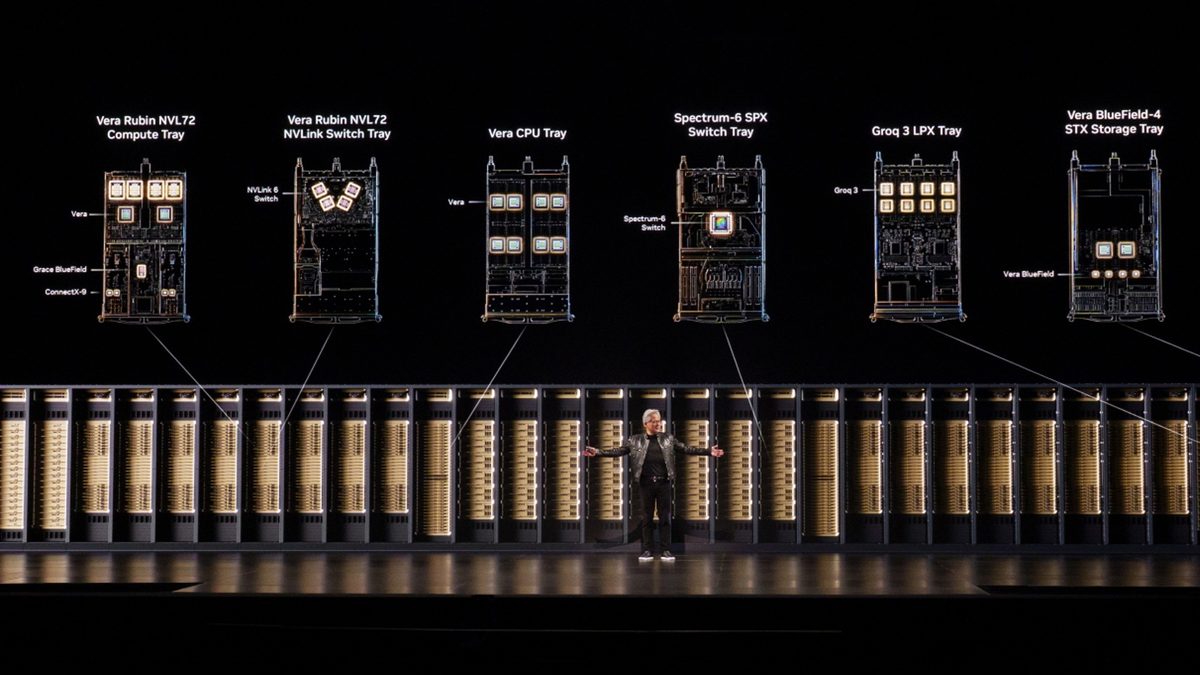
At the SC26 conference in Chicago, Nvidia Vice President Ian Buck presented a suite of domain-specific compute tools centered on agentic scientific research. The announcements included Nemotron for Science—an open-model toolkit combining the Nemotron 3.5 Super VL model with chemistry datasets and post-training recipes—and the Rubin HPC GPU. Built on the Vera Rubin platform with over 50,000 CUDA cores, the Rubin HPC GPU is designed for FP64 to FP4 precision workflows and is scheduled for release in 2028.
Buck emphasized that modern supercomputing increasingly relies on CPU-driven AI agents running tool calls alongside traditional physics simulations. Early deployments at Argonne National Laboratory demonstrated agents autonomously testing hypotheses and selecting simulation parameters. Nvidia also detailed the Vera CPU platform, which has been selected for the German Climate Computing Center’s upcoming HLRE-5 supercomputer.
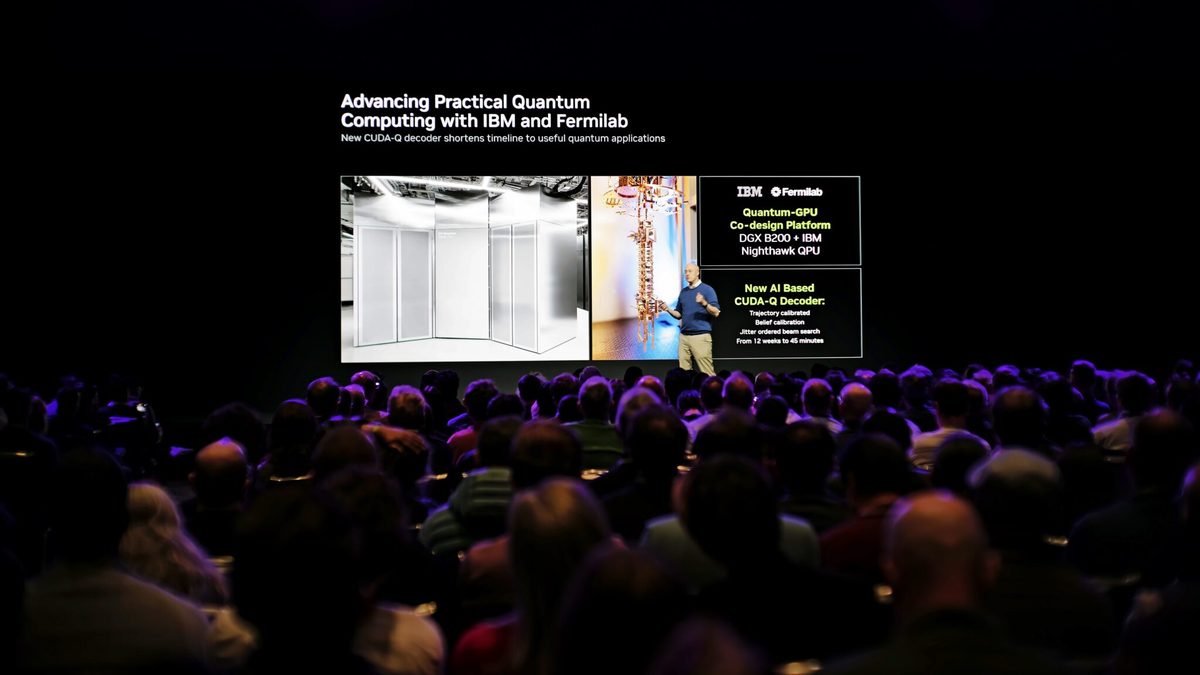
Additionally, Nvidia expanded its presence in quantum computing by announcing a co-design research platform with IBM and Fermilab. The initiative integrates Nvidia DGX B200 systems with IBM quantum hardware, utilizing a new CUDA-Q algorithm (TCBP-JOBS) that slashes quantum decoding latency and cuts specific error-correction research computations from 12 weeks to 45 minutes.
Why it matters
Expands agentic workflows into high-performance computing, enabling automated experiment planning and simulation management.
Establishes key hardware and software foundations for hybrid quantum-classical computing environments.
Provides life sciences and physical science startups open domain-specific models for local deployment on enterprise workstations.
Source: blogs.nvidia.com