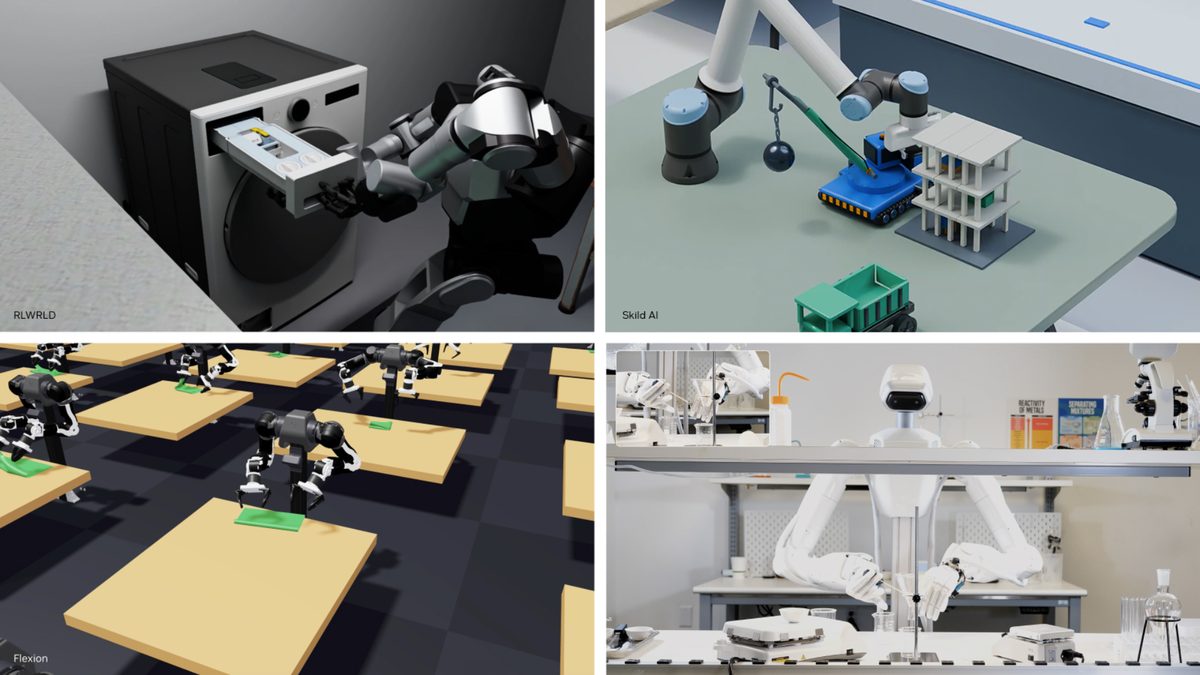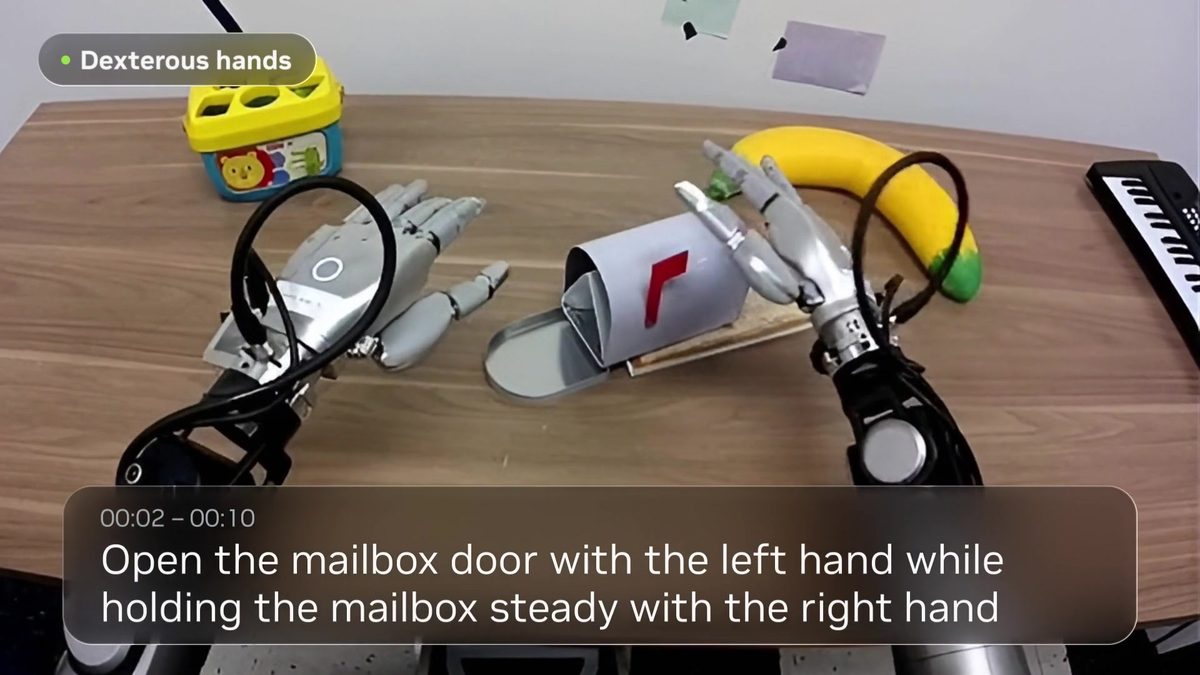
Recent advances in multimodal frontier models are drastically reducing the time required to program, simulate, and train physical robots. Using OpenAI’s GPT-6 Sol alongside Nous Research’s Hermes harness and an Nvidia DGX Spark, developers have demonstrated the ability to code and train virtual robots—such as Pollen Robotics and Hugging Face’s Microduck—to perform spatial navigation and target identification within hours rather than weeks.
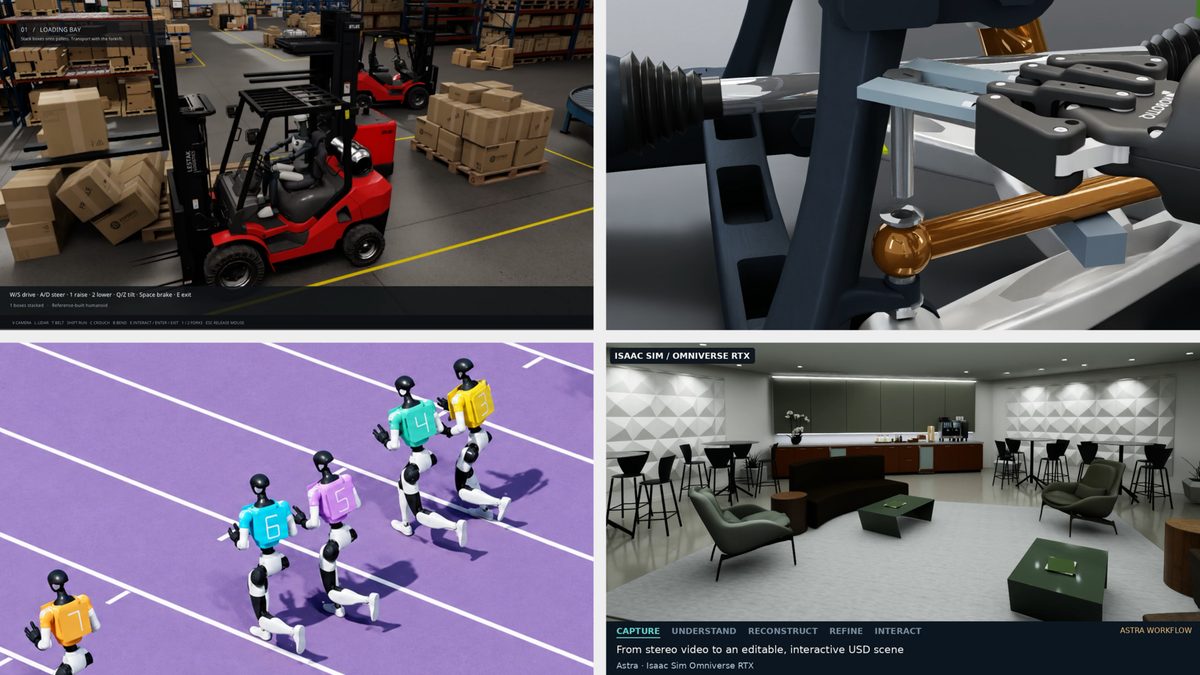
According to academic researchers at UC Berkeley, models such as OpenAI’s Astra can analyze real-world video clips and automatically instantiate complex 3D simulations in software platforms like Nvidia Isaac Sim. The AI sets environmental parameters—including lighting, camera placement, and material properties—and executes iterative experiments to refine physical control policies. This capability allows roboticists to automate the labor-intensive process of setting up simulation environments.
Nvidia research collaborators noted that modern LLMs operate like autonomous software agents within physical AI workflows. By continuously inspecting simulation video output and dynamically tweaking training routines, frontier models are bridging the gap between digital simulation and real-world execution for complex robotic platforms.
Why it matters
Robotics startups can significantly lower R&D overhead by using vision-LLMs to automate 3D simulation setup and policy training.
Nvidia’s hardware and simulation stack (Isaac Sim, DGX Spark) is solidifying its position as the primary platform for physical AI development.
Developer toolmakers should prepare for agentic workflows where LLMs directly observe, debug, and train embedded control systems.
Source: wired.com