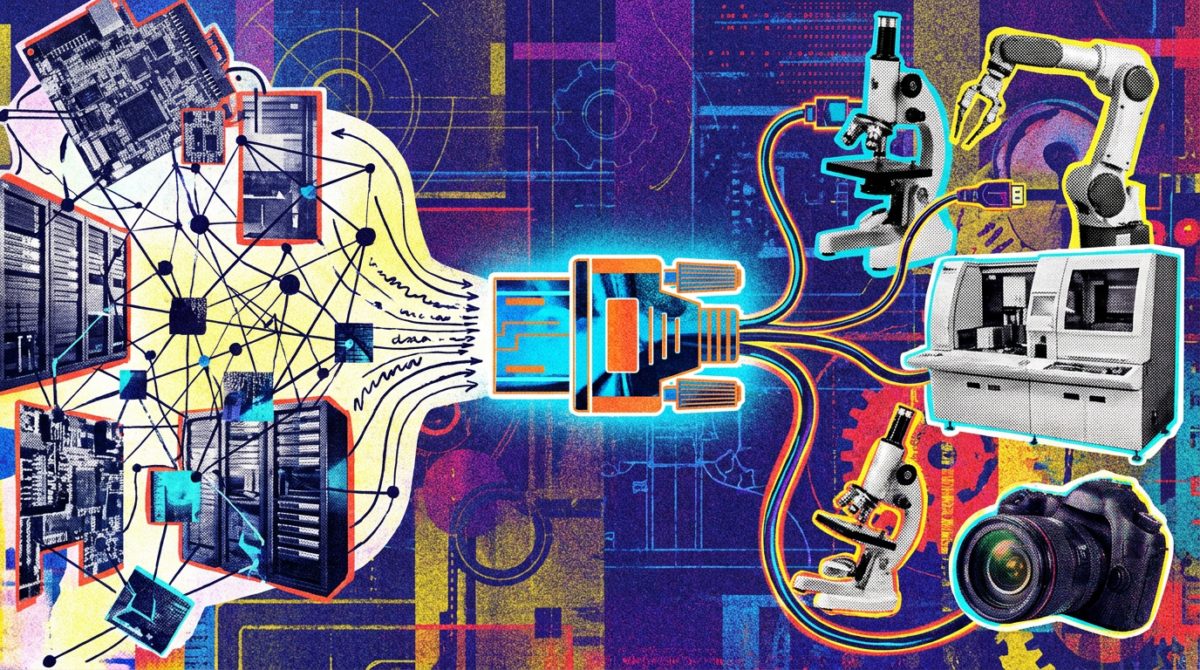
Data from OpenAI’s Enterprise Signals shows a growing performance divide among enterprise AI adopters. The top 10% of enterprise users now generate 8.3× as many output tokens per active user compared to typical organizations, up from a 2.6× gap in January. According to OpenAI, high-performing firms are achieving this operational leverage by connecting autonomous agents directly to internal tools, contextual data, and repeated workflows.
Startups like Basis, Clay, and Exa Labs exemplify this shift by embedding AI subagents into core business operations. Accounting automation startup Basis integrated Codex-based subagents into HR onboarding, reducing setup time from two hours to 30 minutes by converting standard procedures into reusable skills. Go-to-market platform Clay deployed persistent subagents for individual sales accounts to aggregate deal context across fragmented software systems and present prioritize action lists daily.
The findings indicate that moving from simple conversational assistance to full task execution requires delegating contextual workflows to specialized subagents. Leaders are encouraged to establish clear triggers and tool access while maintaining human oversight for exceptional cases.
Why it matters
Highlights the widening operational capability gap between aggressive AI adopters and average enterprise users.
Demonstrates actionable framework for founders to build persistent domain-specific subagents that execute routine workflows.
Shows clear ROI in operational efficiency by shifting from passive chat assistants to autonomous task execution engines.
Source: openai.com