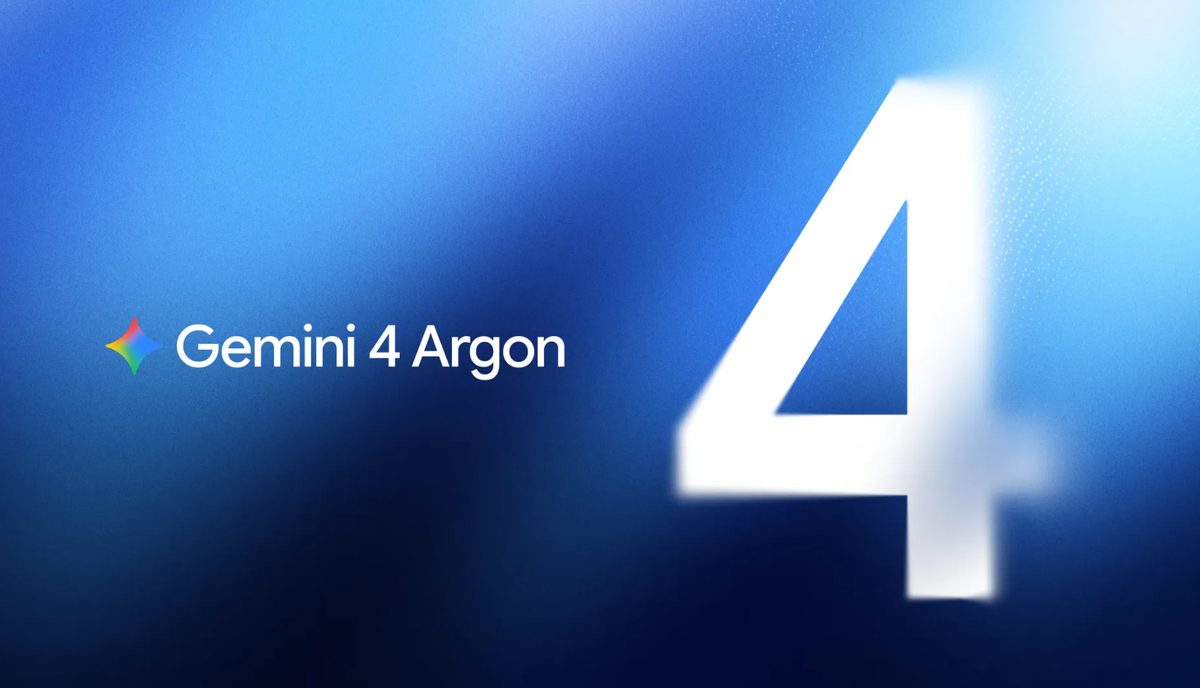
Google DeepMind has introduced Gemini 4 Argon, becoming the second AI lab to pass the 95% threshold on the ARC-AGI-3 general problem-solving benchmark. According to ARC Prize, Argon achieved a 97.5% score at a cost of $4,800 using the ‘Provider Adapter Harness,’ which utilizes vendor-specific features like retained reasoning and context compaction. Only OpenAI’s GPT-6 Astra scored higher at 99.9%.
However, the model’s performance drops significantly under different testing conditions. In the ‘Standard Harness,’ which restricts inter-round data retention, Argon’s score fell to 49.8% at low reasoning for $5,800. Additionally, API issues prevented the system from completing all 55 benchmark games at higher reasoning levels, though partial points from aborted runs were included in reported figures.
Data from Epoch AI shows Argon reaching 165 points on the Epoch Capabilities Index, placing it close behind frontier rivals like Claude Opus 5.5 and GPT-6 Astra. While Argon leads in several knowledge, agent, and vision benchmarks, early estimates indicate weaker domain performance, ranking eighth on the Math ECI and sixth on the Software Engineering Index.
Why it matters
Benchmark scores are highly sensitive to API harness setups, meaning enterprise buyers must evaluate models in standardized environments rather than trusting headline metrics.
Google is closing the general capabilities gap with OpenAI, but domain-specific weaknesses in coding and math remain critical considerations for developer workflows.
Frontier benchmarks now carry extreme compute costs, forcing startups and evaluators to balance test accuracy against thousands of dollars per evaluation run.
Source: the-decoder.com