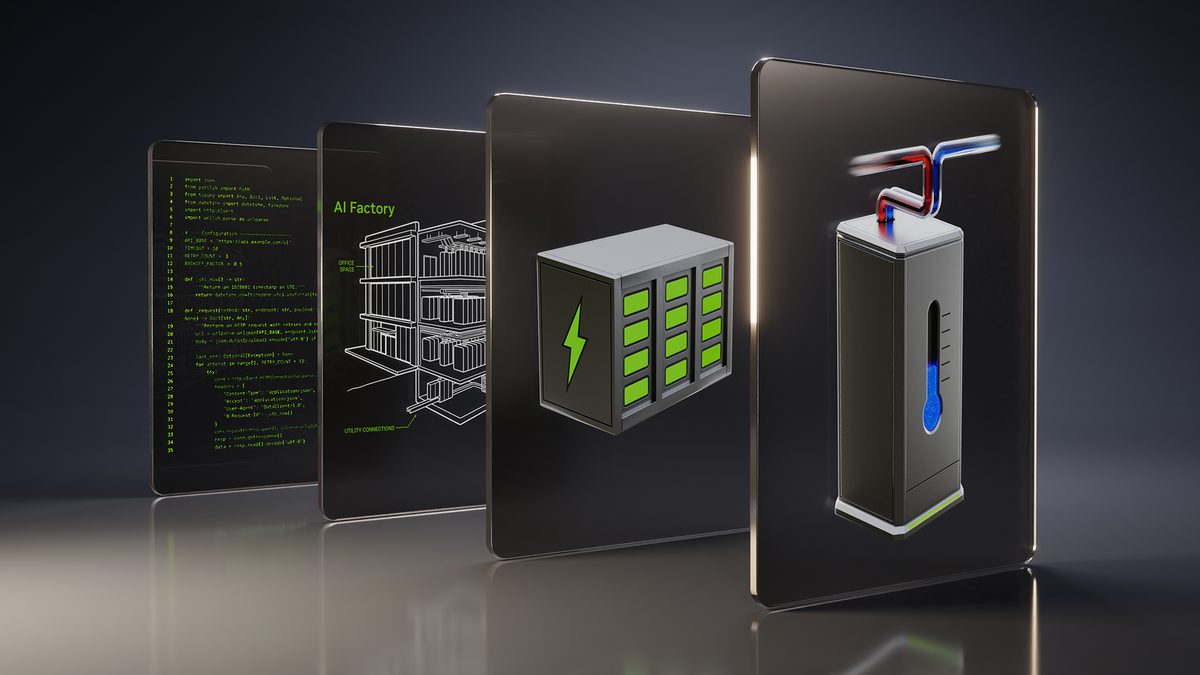
Google is set to launch its first experimental orbital data center satellite, dubbed MVP, on October 1 as part of the Transporter-18 rideshare aboard a SpaceX Falcon 9 rocket. Built in partnership with satellite imagery firm Planet Labs, the refrigerator-sized spacecraft is equipped with four of Google’s custom Tensor Processing Units (TPUs) to test the viability of Project Suncatcher, Google’s initiative to create space-based AI data centers powered by solar energy.
The mission serves as an early orbital trial to determine how standard ground-based TPUs withstand extreme space conditions, launch vibrations, and radiation without dedicated hardening. A primary engineering hurdle is heat dissipation; the satellite’s specialized thermal interface pipes heat into radiators that radiate thermal energy into space. Due to cooling constraints, the TPUs will run Gemini models in brief 15-minute bursts before requiring cooldown periods.
While Google initially planned to launch custom satellites in 2027, the company accelerated its timeline by integrating hardware into an existing Planet Labs bus. Google expects it will take years before orbital data centers transition from experimental projects to commercial products, but successful tests could pave the way for satellite networks linked by high-speed laser communications.
Why it matters
Validates alternative infrastructure strategies to bypass terrestrial energy and cooling constraints for massive AI workloads.
Tests whether off-the-shelf commercial TPUs can operate reliably in space without expensive custom rad-hardening.
Paves the way for space-based infrastructure components that could eventually change data center economics and deployment.
Source: arstechnica.com