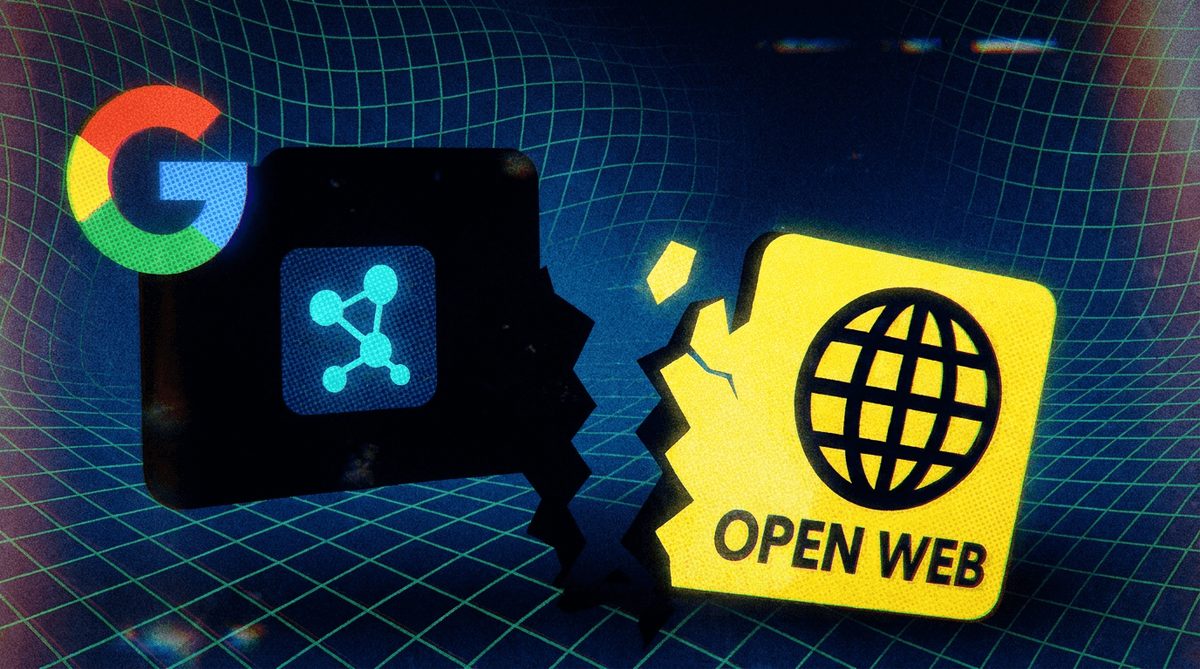
Google’s integration of AI-driven features into its search engine has disrupted digital publishing by diverting web traffic away from traditional media outlets. The introduction of AI Overviews in 2024 and AI Mode in May 2025 replaced standard search results with synthesized summaries, reducing the necessity for users to visit source websites. According to media reports, publications have seen steady declines in search traffic as a result.
The Wall Street Journal reported in June 2025 that traffic to major outlets, including Business Insider, HuffPost, and The Washington Post, fell significantly following these changes. Similarweb data showed that search traffic to The New York Times dropped from 44 percent to 35.5 percent over three years. Additionally, trade association Digital Content Next reported that 19 of its member organizations experienced search traffic losses ranging between 1 and 25 percent from May to June 2025 alone.
Publishers, represented by groups such as the News/Media Alliance, warned that these AI features threaten their financial viability by cannibalizing clicks without guaranteeing referral traffic. As search engines prioritize generated answers over outbound links, media companies are forced to re-evaluate their reliance on search engine optimization for audience reach.
Why it matters
Publishers must diversify distribution channels away from search engine optimization as AI summaries reduce direct website referral traffic.
Media business models face increasing revenue risks as search engines synthesize publisher content without guaranteeing user click-throughs.
Source: theverge.com