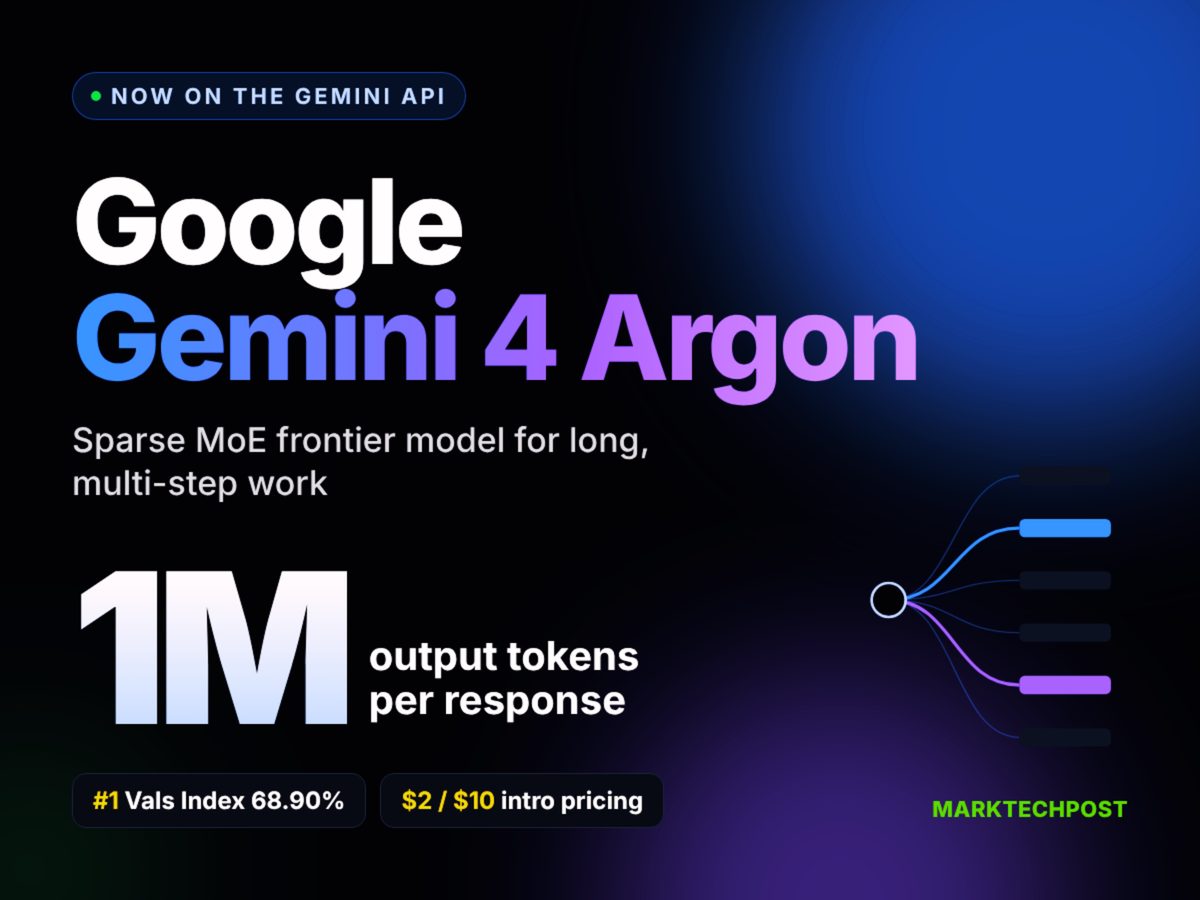
Google has announced Gemini 4 Argon, a single AI model intended to handle the complete robotics pipeline. Designed by Google and its subsidiary DeepMind, the model aims to advance “physical AGI” by interpreting videos, grasping spatial relationships, generating control code, and running interactive simulations to prepare physical robots for real-world tasks.
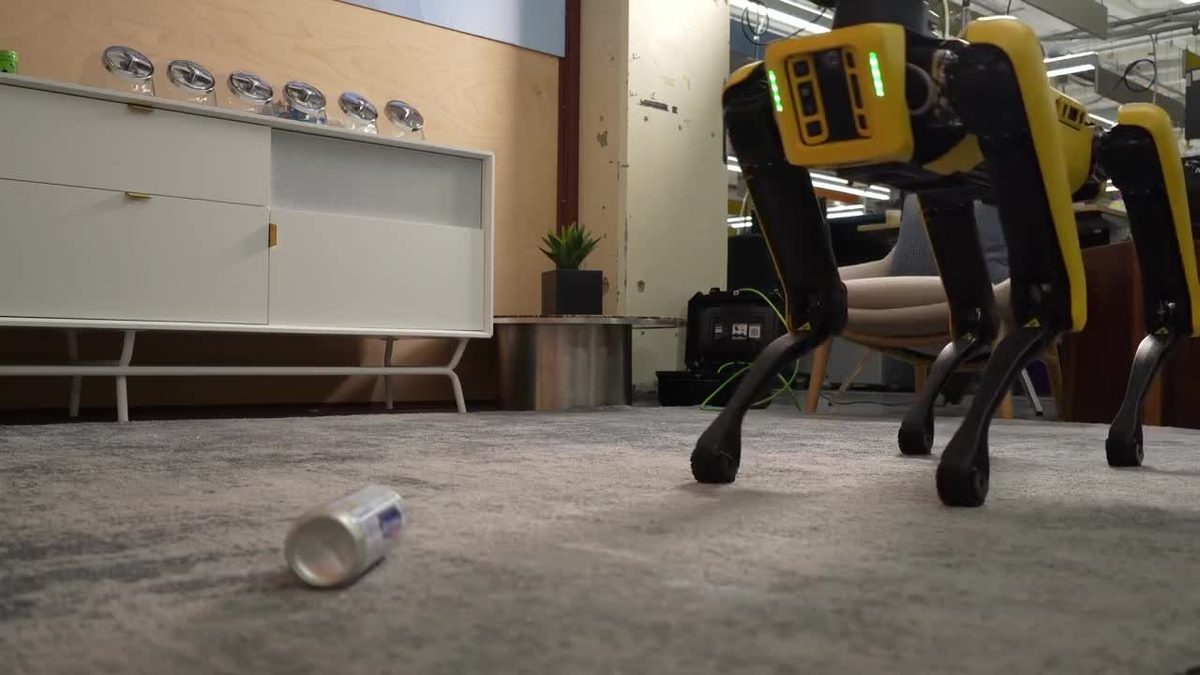
Demonstrations show Argon creating virtual replicas of environments from simple photos, teleoperated recordings, first-person human videos, and ballpoint pen sketches. In a test with a Boston Dynamics Spot robot, Argon generated 4,500 training episodes across 77 tasks, raising real-world success rates from 56 to 75 percent. In another test, Argon acted as a director for the video world model Gemini Omni to guide image frame adjustments, and in another, it autonomously corrected its own code logs over three runs to improve performance.
Argon also works with research papers, replicating published robotics experiments as interactive browser sandboxes from single prompts. Despite these capabilities, the model still requires verification steps from extra AI agents and heavy human prompting before performing physical actions on hardware.
Why it matters
Enables robotics startups to use a single model for simulation generation, task verification, and real-world hardware control.
Demonstrates synthetic data and simulated pre-training boost physical robot execution speeds and real-world task accuracy.
Highlights DeepMind’s strategic push toward physical AGI, setting a benchmark for end-to-end multimodal embodied AI platforms.
Source: the-decoder.com