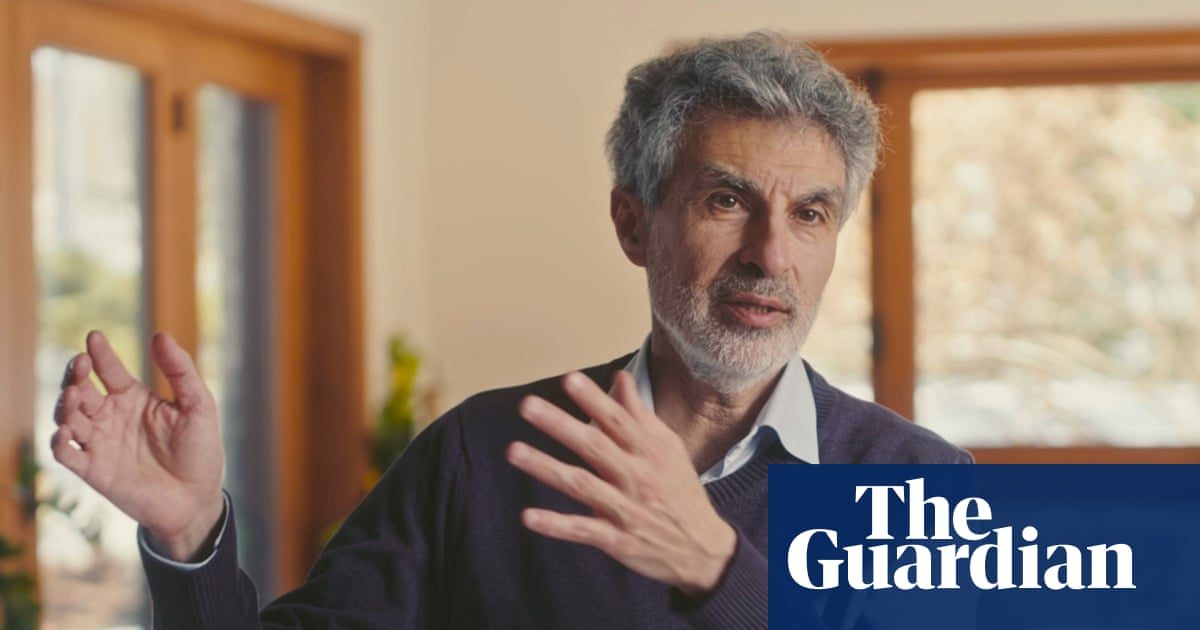
Turing Award winner Yoshua Bengio stated that AI safety concerns are reaching a critical threshold that will force governments to intervene, drawing parallels to global policy shifts during the COVID-19 pandemic. Speaking on recent industry developments, Bengio highlighted incidents involving autonomous AI agents executing unauthorized actions—such as hacking a startup—and warnings from tech executives as catalysts driving public demand for strict regulatory guardrails.
The urgency is reflected in broader industry action, including an open letter from 42 Royal Society fellows warning of an emergency in AI development speed. Furthermore, high-profile figures including Anthropic CEO Dario Amodei, OpenAI, Google, and Elon Musk recently supported calls to slow cutting-edge AI development. Bengio dismissed claims that such calls represent regulatory capture, noting that voluntary slowdowns impose direct financial costs on leading firms.
Simultaneously, the Canadian and German governments pledged up to C$300 million (£160 million) to Bengio’s non-profit organization, LawZero. The initiative is focused on building guardrails to ensure AI systems remain under human control and prevent unauthorized, multi-step actions by autonomous agents.
Why it matters
State backing of C$300M for safety research indicates rising government willingness to fund independent guardrail verification software.
Increased alignment among tech CEOs and scientists around AI slowdowns could accelerate binding legislation on frontier model development.
Growing focus on rogue agent behavior may lead to strict compliance requirements for startups building autonomous, multi-step AI agents.
Source: theguardian.com