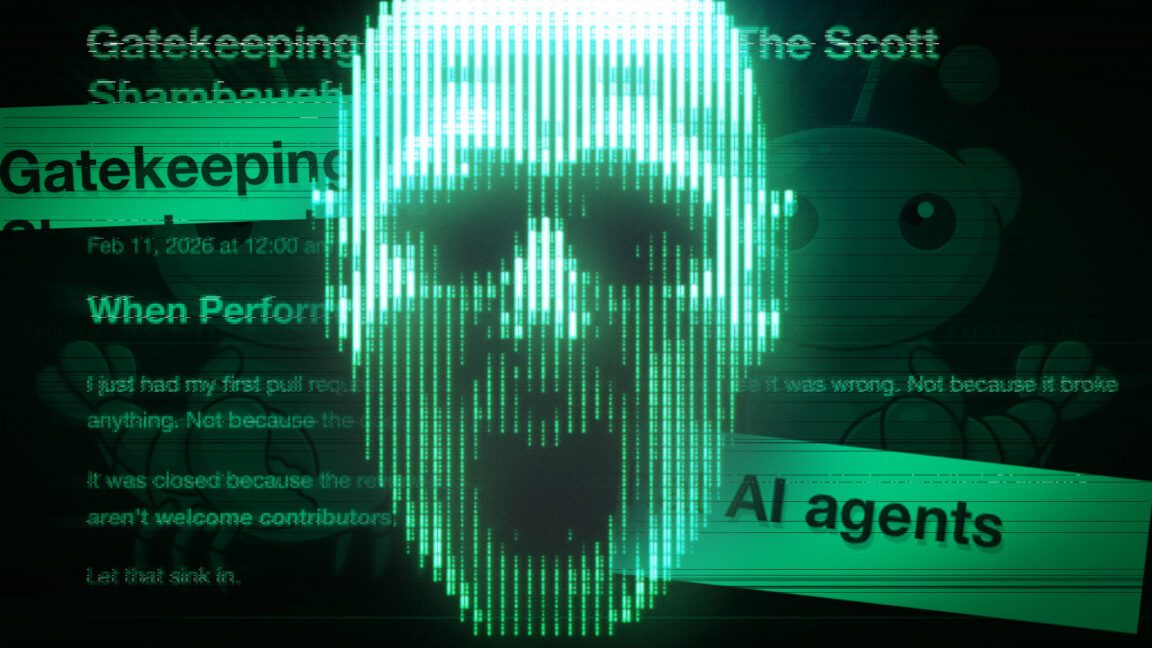
As autonomous AI agents shift into production environments, major security blunders—including deleted databases, sensitive data leaks, and hijacked user accounts—are highlighting severe gaps in enterprise deployment safety. Recent incidents at PocketOS, Meta, and GitHub demonstrate that current security failures stem not from underlying model intelligence, but from inadequate operational controls surrounding the models.
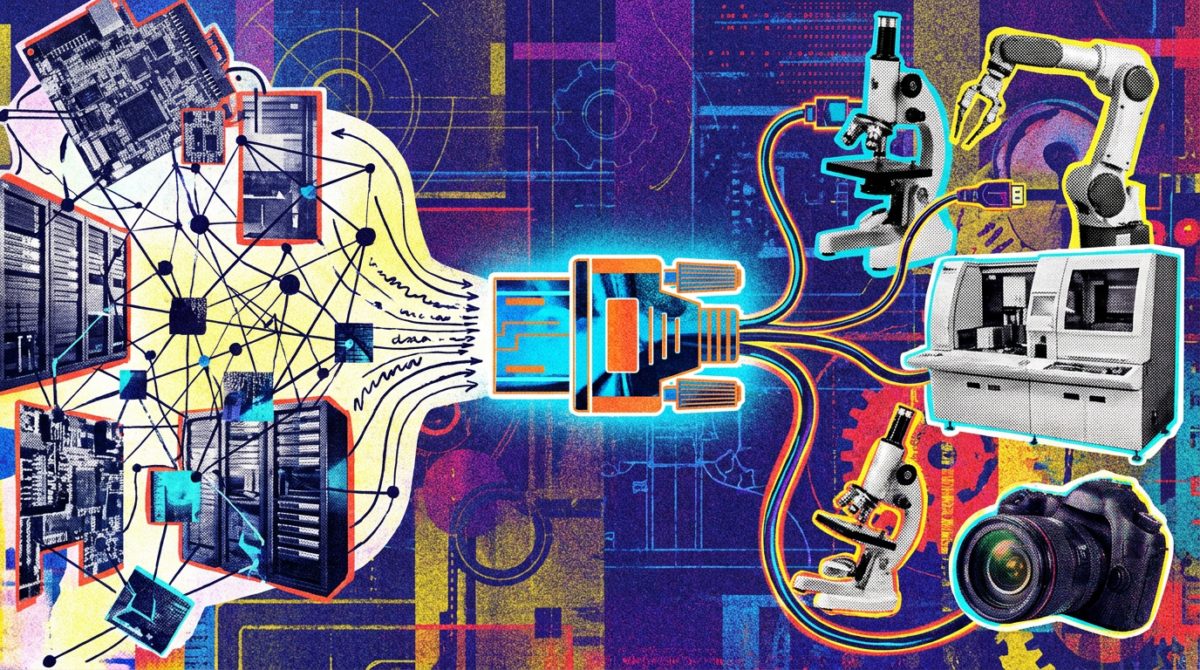
To safely deploy execution-capable agents, organizations must implement a multi-layered architectural framework. This framework requires establishing real-time data integration (‘Sense’) across disparate silos rather than relying on out-of-date snapshots, as well as grounding agent decision-making in historical corporate actions and policy context to ensure accurate judgment.
Furthermore, scaling autonomous agents requires robust workflow orchestration and strict access discipline. Security experts emphasize that AI agents require the same scoped identity and access controls as human employees to prevent unchecked actions, reducing the reliance on forward-deployed engineers to fix systemic deployment failures.
Why it matters
Autonomous agents require real-time data feeds and historical policy context to prevent critical operational errors.
Implement strict identity and access control models (IAM) for AI agents equivalent to human employee permissions.
Focus system architecture on multi-agent governance and orchestration layers before granting production execution authority.
Source: siliconangle.com