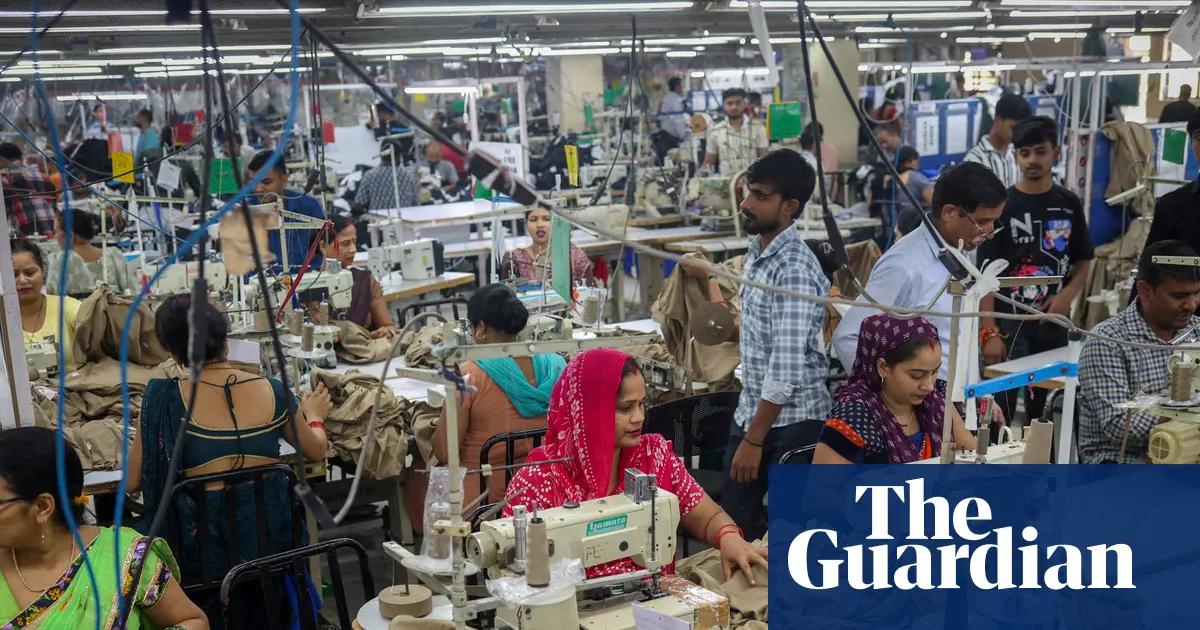
Letters to the editor have highlighted a powerful appeal for climate justice for developing nations, arguing that these countries, despite contributing minimally to historical carbon emissions, are disproportionately bearing the brunt of climate change impacts. The authors emphasize that these nations are not seeking charitable aid but rather a fair and equitable approach to addressing the global environmental crisis.
One correspondent, Nirbhay Rana, a researcher, articulated the sentiment that while developed nations have historically benefited from industrialization that fueled climate change, the burden of adaptation and mitigation now falls heavily on economies least equipped to handle it. This disparity perpetuates a cycle of debt and underdevelopment, exacerbating existing inequalities.
The collective voice from these letters calls for a re-evaluation of international climate policies, advocating for mechanisms that prioritize fairness, responsibility, and sustainable development. It underscores the urgent need for global cooperation that acknowledges historical climate debt and facilitates genuine support for vulnerable nations, moving beyond conventional aid paradigms towards a framework of environmental equity.
Why it matters
While not directly tech news, this item highlights a massive global challenge that tech can address. There’s a growing market for ‘climate tech for justice’ – startups focused on developing AI and data solutions tailored for developing nations.
Specific opportunities could include affordable AI-driven climate monitoring and early warning systems, sustainable energy solutions adaptable to local contexts, or precision agriculture tools optimized for climate-resilient farming in vulnerable regions. The insight is that climate tech must not only be effective but also equitable and accessible, creating a demand for business models that prioritize social impact alongside profit, potentially attracting impact investors.
Source: theguardian.com