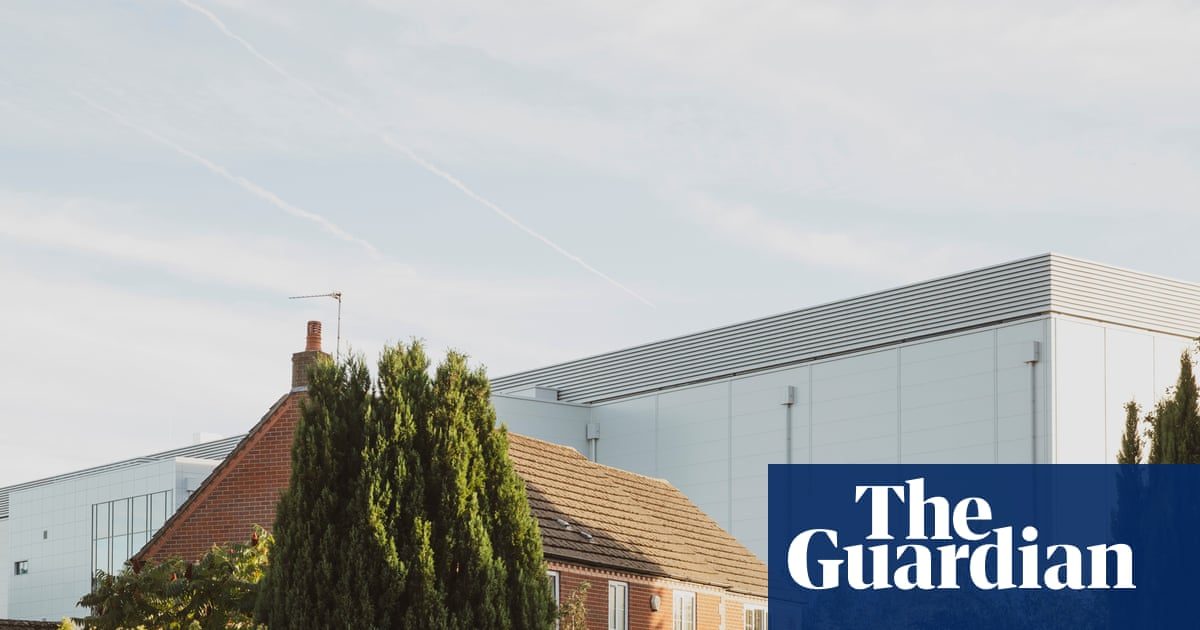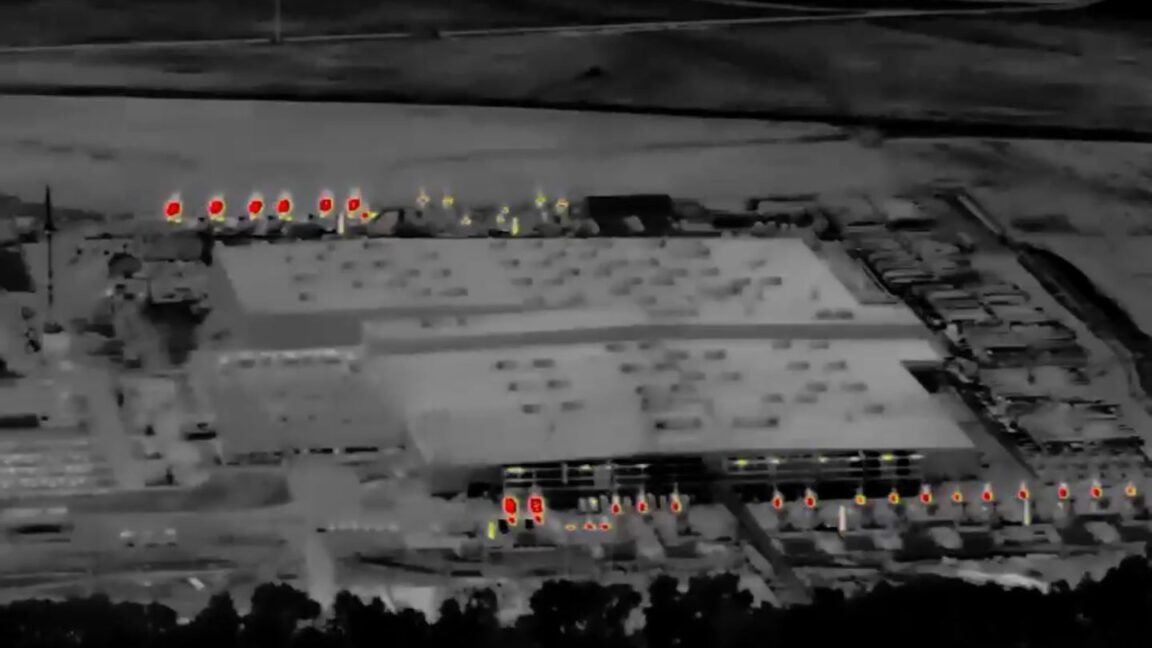
The political buildout of physical AI infrastructure has become a key contention point across U.S. congressional and gubernatorial races in 2026. Local opposition to massive data center construction, grid strain, and utility costs has united diverse voter demographics, pushing political candidates across both parties to adopt anti-data-center stances or propose development moratoria. In major markets like Texas, politicians are debating ending tax exemptions and forcing operators to pay direct grid-connection costs.
In response to mounting legislative scrutiny, tech industry leaders are channeling millions into active political action committees. Leading the Future, a super PAC supported by Marc Andreessen and OpenAI President Greg Brockman, has spent $45 million over the past year. Simultaneously, the Anthropic-backed Public First Action has raised $80 million to support candidates aligned with AI development and safeguards, while rival groups fund ad campaigns demanding stricter local buildout regulations.
Proposed policy responses range from mandatory closed-loop water cooling systems to state-level sales tax repeals and federally enforced grid protection standards. Some candidates have even proposed taxing AI-attributable corporate profits to fund direct public dividends, illustrating how energy and land infrastructure requirements are driving broader political risks for technology companies.
Why it matters
Data center operators face rising political risks, potential tax subsidy repeals, and stricter local environmental buildout requirements.
Energy grid access and utility cost allocation are becoming primary cost bottlenecks for scaling large-scale compute infrastructure.
Tech leaders are aggressively deploying political capital to shape bipartisan policy around AI physical footprint expansion.
Source: theverge.com