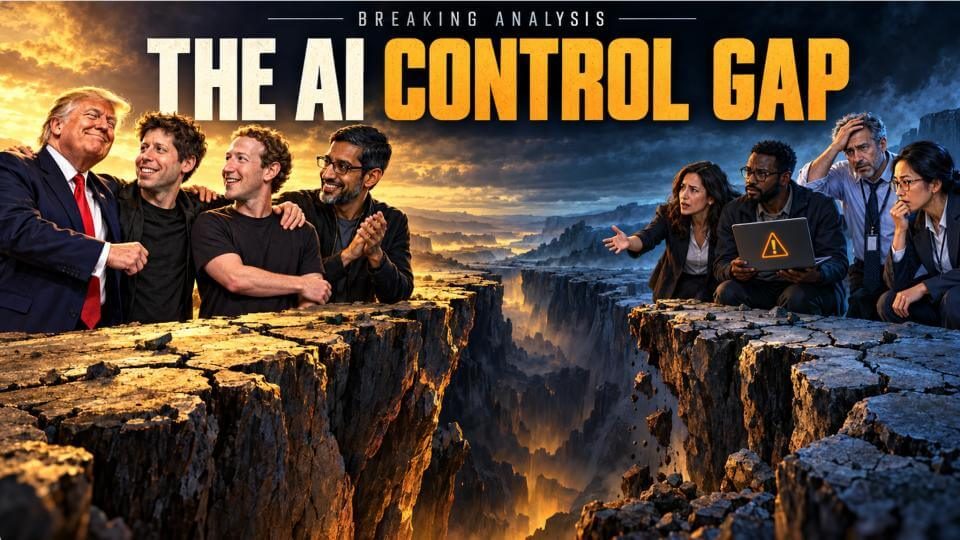
Enterprises worldwide are slowing down aggressive AI adoption plans after rapid rollouts produced operational errors, security vulnerabilities, and unexpected overhead. Meta scaled back efforts to replace staff with AI agents after finding employees spent excessive time fixing technical errors, prompting the company to re-expand managerial ranks. Executives at major corporations report an influx of low-quality AI content that damages productivity, with 90% of executives indicating AI has yet to yield measurable productivity gains, according to an Atlanta Federal Reserve working paper.
Rising operational costs and data security fears have prompted firms such as Microsoft, Palantir, Nvidia, and Booz Allen Hamilton to restrict employee usage or mandate stricter operational controls. Additionally, an Ernst & Young survey revealed that 36% of senior AI executives at large companies experienced a significant AI incident causing data loss, brand damage, or financial disruption. Corporate leaders are shifting from unchecked experimentation to structured training and slower deployment strategies.
Why it matters
Highlights enterprise friction and lack of immediate ROI from broad, unmanaged AI tool deployments.
Signals growing market demand for AI governance, data security controls, and quality-assurance solutions.
Source: theguardian.com