China’s financial markets have lost $2.4 trillion in market value since May as enthusiasm around domestic artificial intelligence ventures falters. The STAR 50 index in Shanghai has plunged 40% since June, driven by mounting investor concerns over weak consumer spending, low corporate profit margins, and expanding trade restrictions imposed by the United States.
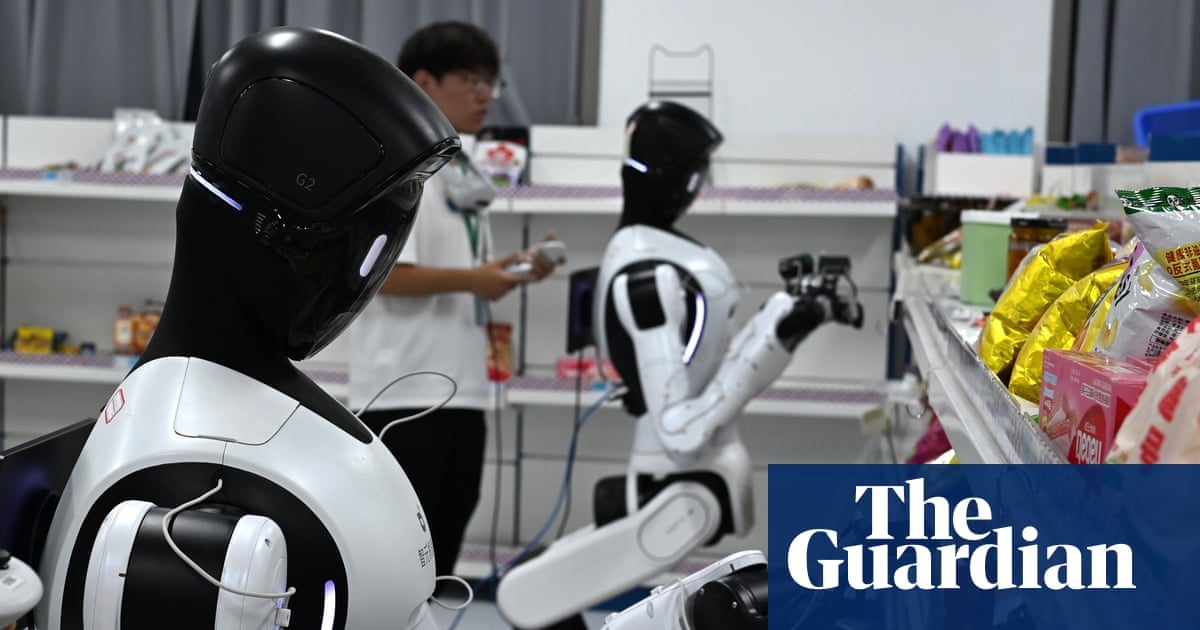
Despite state-backed interventions—including a 60 billion yuan AI investment fund launched by Beijing—tech companies are struggling to generate sustainable commercial revenue. The Chinese government has heavily prioritized embodied AI and robotics to offset an aging workforce, but domestic adoption remains confined to government projects, research institutions, and low-margin entertainment applications rather than broad consumer markets.
Compounding these internal economic headwinds is the threat of further Western trade sanctions, including potential US bans on Chinese data center components and humanoid robots. As a result, market valuations for key hardware players have plummeted, illustrated by market leader Unitree seeing its stock price fall by half since its August market debut.
Why it matters
Demonstrates that state capital injections alone are failing to offset weak consumer monetization and commercial unprofitability in China’s AI sector.
Highlights severe valuation drops for embodied AI and robotics manufacturers dependent on government deployment over mass markets.
Warns of expanding US technology restrictions targeting supply chains for data center hardware and humanoid robotics.
Source: theguardian.com